Spaghetti Carbonara the Authentic Roman Delight
- Deconstructing the Myth: True Roman Spaghetti Carbonara Revealed
- Why This Recipe Beats Cream-Laden Imposters
- Procuring the Pillars of Proper Carbonara
- Essential Equipment for Silken Sauce Mastery
- Step-by-Step Execution: Nailing the Emulsion Every Time
- Mastering the Crucial Tempering Phase for Flawless Sauce
- Troubleshooting Common Spaghetti Carbonara Pitfalls
- Beyond the Classic: Subtle Variations on the Theme
- Serving Suggestions
- Recipe FAQs
- 📝 Recipe Card
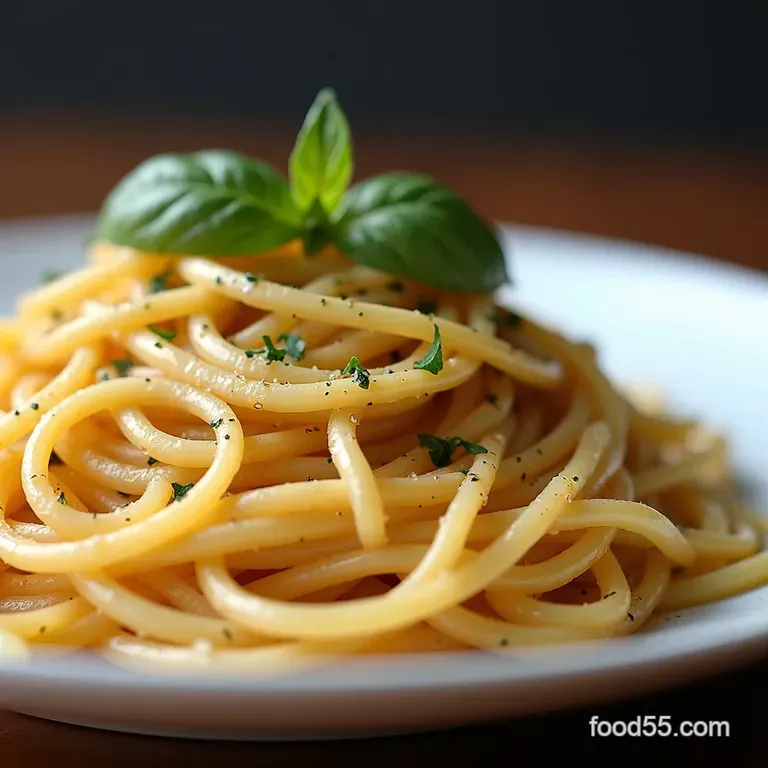
Deconstructing the Myth: True Roman Spaghetti Carbonara Revealed
Ah, Carbonara! Forget everything you think you know about this Roman classic. This recipe is about achieving a luscious, silken sauce through the magic of emulsification, using nothing more than egg, grated Pecorino Romano cheese, rendered Guanciale (cured pork jowl), and the starchy pasta water.
The flavour profile is intensely savoury, salty, and utterly addictive a true masterclass in simplicity, provided you respect the technique! Mastering the Spaghetti Carbonara Recipe transforms dinner from a mere meal into an event.
This experience is decidedly medium in difficulty; while the list of Spaghetti Carbonara Ingredients is short, the execution demands precision. We estimate a total time of around 30 to 35 minutes to bring this authentic Italian Pasta Dishes masterpiece to the table, yielding four generous servings.
Why This Recipe Beats Cream Laden Imposters
The primary goal here is achieving that signature, flowing, glossy sauce that clings perfectly to the spaghetti strands. Achieving this requires understanding the foundational philosophy of this dish. We aim for a stunning emulsion, which is far superior to recipes that lean on dairy cream for texture.
The Culinary Line in the Sand: Roman Authenticity Guaranteed
When striving for Authentic Spaghetti Carbonara , we must draw a firm line in the sand: there is no cream, no milk, no butter, and certainly no garlic or onion in the traditional preparation.
The required richness and creaminess must arise solely from the interaction between fat, eggs, and cheese, catalyzed by hot pasta water. Straying from these four core components leads you away from true Roman comfort food and towards an imitation.
The Alchemy of Four Key Elements in Carbonara
The true magic of this Carbonara Recipe relies on four perfectly balanced elements: the pork fat, the eggs, the cheese, and the starch. The fat, rendered from the cured pork, forms the flavor base. The eggs provide body and richness. The Pecorino Romano delivers the characteristic salty bite.
Finally, the starchy water acts as the crucial emulsifier, binding the fat and the eggs into that coveted silky texture, turning this into an Easy Spaghetti Carbonara once the technique is grasped.
Pantry Staples That Define Perfection
For this recipe, quality is paramount. You will need 1 pound (450 grams) of high-quality spaghetti preferably bronze die cut for maximum sauce adhesion. The richness comes from 4 large, high-quality egg yolks plus 1 whole large egg, all paired with 1 ½ cups (150 grams) of finely grated Pecorino Romano cheese.
Rounding out the core quartet are 6 ounces (170 grams) of guanciale and approximately 1 ½ teaspoons of freshly ground black pepper don't be shy with the pepper! Salt is only used sparingly in the boiling water, as the cheese and pork are inherently salty.
Procuring the Pillars of Proper Carbonara
Securing the right raw materials dictates the success of your final product. A substitute in one key area can drastically alter the profile of your Spaghetti Carbonara .
Guanciale: The Non-Negotiable Pork Cheek Cornerstone
The use of Guanciale (cured pork jowl) is non-negotiable for true authenticity. Its fat has a superior melting point and a unique, complex flavour profile that standard cured pork cannot replicate.
If you find yourself searching for a Spaghetti Carbonara With Pancetta variation out of necessity, know that pancetta is the next closest substitute, but standard smoked bacon is strictly prohibited, as the smoke clashes with the delicate egg and cheese notes.
Pecorino Romano vs. Parmesan: A Cheese Clarity Guide
Pecorino Romano is essential. It is made from sheep's milk, giving it a sharp, tangy, intensely salty character necessary to cut through the richness of the eggs and pork fat. While some recipes suggest blending it with Parmigiano Reggiano for a milder flavour, the definitive Authentic Spaghetti Carbonara requires 100% Pecorino.
Ensure it is grated as finely as possible think powder, not shreds to ensure rapid melting into the sauce base.
Selecting the Ideal Long Pasta Shape (Beyond Just Spaghetti)
While the dish is named after spaghetti, other shapes work beautifully. Spaghetti is traditional because of its satisfying chew and how it can be easily twirled. However, robust shapes like Bucatini (hollow spaghetti) or even short, ridged pasta like Rigatoni are excellent carriers for the sauce.
The key is selecting a high-quality, dried pasta that retains its structural integrity during the vigorous final mixing stages.
Essential Equipment for Silken Sauce Mastery
While you don't need specialized gadgets, the right tools aid in temperature management, which is the lynchpin of this recipe. A large stockpot for the pasta is standard. More critical is a large, heavy bottomed skillet preferably stainless steel or cast iron which retains heat evenly.
Crucially, you need a separate mixing bowl where you create your egg and cheese paste.
Related Recipes Worth Trying
- Spaghetti Squash with Meat Ragu Lighter Comfort Food — Make our Spaghetti Squash with Meat Ragu for a hearty ketofriendly ragu recipe Its a slow simmered tomato sauce served over roasted squash strands Find out how
- Golden Baked Spaghetti Squash and Cheese My FamilyFavorite Casserole — Baked Spaghetti Squash and Cheese roasted squash strands in creamy cheese with a crisp Parmesanpanko topping A lighter meatless casserole for weeknights
- Spaghetti and Meatball Soup My Cozy Weeknight Comfort Recipe — Cozy up with my Spaghetti and Meatball Soupjuicy mini meatballs simmered in a bright tomatobroth with greens Onepot weeknightfriendly comfort with smart tips
step-by-step Execution: Nailing the Emulsion Every Time
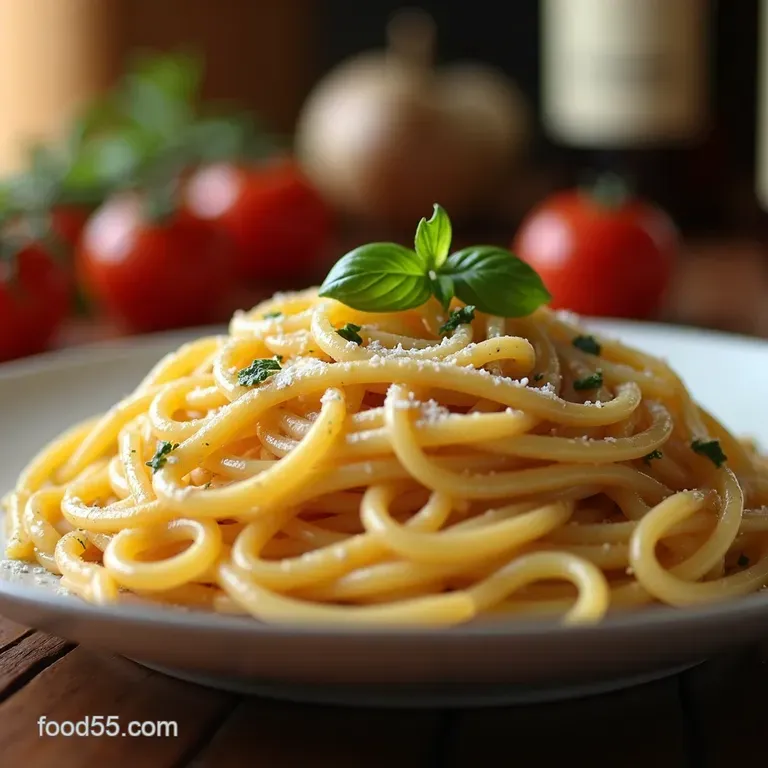
The process moves quickly once the pasta is nearly done, so preparation is everything.
Rendering the Guanciale: Unlocking Pure Flavor Fat
Begin by dicing your guanciale into small, neat cubes, about half an inch. Place these cubes into the cold , dry skillet. Turn the heat to medium low.
This slow rendering process is vital; it allows the fat to melt out slowly, turning the pork into crispy little nuggets ( ciccioli ) without burning them. Once they are golden brown and crisp, use a slotted spoon to remove the pork pieces and reserve them.
Leave every drop of that flavour infused rendered fat in the pan.
The Art of Pasta Water Integration: Starch is Your Secret Weapon
As the guanciale renders, boil your spaghetti in lightly salted water until it is truly al dente —about two minutes shy of the package instructions. Before draining, reserve at least 1 ½ cups of that cloudy, starchy cooking water.
This liquid, rich with released starch, is not waste; it is the essential binding agent for your sauce.
The 'No Scramble' Technique: Combining Heat, Egg, and Cheese Off-Fire
This is where precision matters. In your mixing bowl, aggressively whisk the 4 egg yolks, 1 whole egg, the finely grated Pecorino Romano, and the generous amount of black pepper until you have a thick, uniform paste. Do not add this to the hot pan yet.
Once the pasta is drained (and transferred directly into the skillet containing the pork fat), toss it briefly over very low heat just to coat it in the fat. Then, remove the skillet completely from the heat source .
Wait about 15 seconds to allow the residual pan heat to decrease slightly. Now, pour the egg mixture over the pasta and immediately begin tossing and stirring vigorously with tongs.
Mastering the Crucial Tempering Phase for Flawless Sauce
The difference between a velvety sauce and clumps of scrambled egg hinges on temperature management during the mixing phase.
Rendering the Guanciale: Unlocking Pure Flavor Fat (Revisited)
While the pork fat is the foundation, adding it to the egg mixture before combining it with the pasta is a safety net. Take two tablespoons of the hot, rendered fat from the skillet and slowly drizzle it into the egg/cheese paste while whisking constantly.
This technique, known as tempering, gently raises the temperature of the eggs without shocking them, preparing them for the final combination.
The 'No Scramble' Technique: Combining Heat, Egg, and Cheese Off-Fire (Revisited)
Once the pasta is in the warm skillet (off the heat), pour in the tempered egg mixture. Immediately begin lifting and tossing the pasta aggressively. If the sauce looks too tight or dry, add the reserved starchy water one small splash at a time, continuing to toss until that beautiful, glossy emulsion forms.
This continuous motion prevents any single area of the egg from overheating. The final texture should be like heavy cream coating the pasta perfectly; this is the true goal of the Spaghetti Carbonara With Pancetta alternative as well.
Troubleshooting Common Spaghetti Carbonara Pitfalls
Even with careful execution, issues can arise. Knowing how to pivot is key to saving your dish.
What If My Sauce Is Too Thick? (A Rescue Mission)
If the sauce seizes and becomes too thick or paste like, panic is unnecessary. It simply means the egg proteins tightened too much, or you added the mixture while the pan was too hot. The fix is simple: immediately introduce a splash or two of the hot, reserved starchy pasta water while continuously tossing vigorously.
The added liquid and agitation should relax the emulsion back into a smooth consistency. If it happens instantly upon adding the eggs, you may have to accept a slightly less smooth texture, but it will still taste incredible!
Optimal Storage and Reheating for Leftover Pasta
Carbonara is best eaten immediately. If you must store leftovers, place them in an airtight container in the refrigerator. Never attempt to reheat Carbonara on the stovetop or microwave, as the eggs will certainly scramble.
The best reheating method is to place the cold pasta in a bowl and toss it vigorously with a small amount of fresh, cold water or milk and a sprinkle of fresh Pecorino. The cold liquid helps loosen the sauce before you gently warm the mixture in a pan on the lowest possible heat, just long enough to warm through without cooking the eggs further.
Considering Green Accents: When Herbs Can Complement, Not Conquer
The traditional Roman Spaghetti Carbonara needs no additions, allowing the purity of the four main ingredients to shine. However, if you desire a slight lift, the flavour profile pairs well with a hint of fresh parsley added right at the very end, sprinkled over the top after plating.
Do not cook herbs into the fat, as this changes the flavour profile entirely.
Nutritional Snapshot of This Rich Italian Classic
Understanding what goes into this satisfying bowl helps manage expectations. While this Spaghetti Carbonara Calories estimate hovers around 680 750 kcal per serving, this is due to the naturally rich guanciale fat and egg yolks.
It’s a protein and fat-rich meal, providing about 35 40g of protein per serving. It should be enjoyed as a main course due to its density.
Beyond the Classic: Subtle Variations on the Theme
While we champion authenticity, exploring minor flavour deviations can be enjoyable once you have mastered the base recipe.
Spicy Carbonara
If you prefer a little heat to balance the richness, this is the easiest variation. Add about ¼ teaspoon of dried red pepper flakes to the cold pan alongside the guanciale before rendering.
Allow the pepper flakes to infuse the melting fat; this creates a Spicy Carbonara that retains its Roman soul while offering a welcomed kick.
Optimal Storage and Reheating for Leftover Pasta (Revisited)
When dealing with leftovers, remember that the sauce will naturally tighten as it cools. The key to reviving it is temperature control, as noted above. If you are prepping components ahead of time, ensure the egg/cheese mixture is made right before cooking, and the guanciale is rendered and cooled slightly.
Never pre-cook the pasta more than 24 hours in advance for this specific application.
Nutritional Snapshot of This Rich Italian Classic (Revisited)
Though rich, this dish is wonderfully satiating. Because it relies on high-quality, whole ingredients rather than fillers, the nutritional profile reflects a density of flavour and energy, making it a truly sustaining meal, whether you are calculating Spaghetti Carbonara Calories or simply enjoying the experience.
Serving Suggestions
Spaghetti Carbonara is a complete, powerful meal in itself. It requires very little accompaniment. A simple side of bitter greens dressed only with high-quality olive oil and a splash of acid (like red wine vinegar) is ideal to cleanse the palate between rich bites.
Always serve immediately in pre-warmed bowls, ensuring that final flourish of fresh Pecorino and black pepper hits the plate just seconds before it reaches the diner.
Recipe FAQs
How do I stop my Spaghetti Carbonara sauce from turning into scrambled eggs?
This is the million dollar question! The secret is temperature control. Always combine the egg/cheese mixture with the pasta off the heat source. The residual heat from the pan and the freshly drained pasta is just enough to create that silky emulsion without scrambling the yolks.
Can I use cream in my Spaghetti Carbonara to make it foolproof?
Absolutely not, if you want the authentic Roman experience! Traditional Carbonara relies on the emulsion of egg yolk, cheese, rendered pork fat, and starchy pasta water no cream needed. Cream will give you a heavy, rather bland sauce, whereas the proper method yields a light, intensely savoury coating.
I can't find Guanciale; what’s the best substitution for this Spaghetti Carbonara recipe?
If you absolutely must substitute, go for thick cut, unsmoked Pancetta, cubed just like the recipe suggests. Avoid standard smoked bacon at all costs, as the smoke flavour will overpower the delicate cheese and pepper notes this dish is famous for.
How should I store any leftover Carbonara, and can I reheat it?
Frankly, Carbonara is best eaten immediately, like a good cup of tea it doesn't keep well. If you have leftovers, store them covered in the fridge for up to a day. Reheating is tricky; the sauce will likely seize up.
Try adding a splash of fresh milk or pasta water and heating very gently on the hob, stirring constantly, but honestly, leftovers are best used as a base for a quick, fresh scramble!
What is the absolute must-do step concerning the cheese and pepper?
You must use Pecorino Romano, finely grated ideally with a microplane so it dissolves instantly into the mixture. Furthermore, be generous with the black pepper; it's a main component, not just a garnish, so use a coarse grind for maximum aromatic punch.
Authentic Spaghetti Carbonara
Instructions:
Nutrition Facts:
| Calories | 700kcal |
|---|---|
| Fat | 38g |
| Fiber | 3g |
