The World's Best Shortbread Recipe with Butter
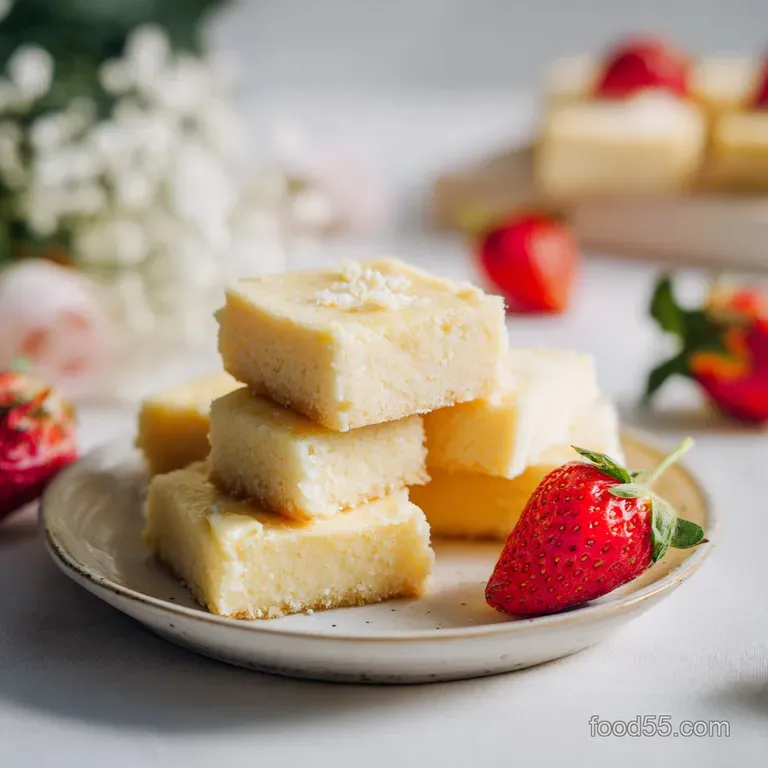
- Time: Active 15 minutes, Passive 35 minutes, Total 50 minutes
- Flavor/Texture Hook: Buttery, shatter crisp edges with a velvety, sandy crumb.
- Perfect for: Afternoon tea, holiday gifting, or a quiet weekend treat.
- The World's Best Shortbread Recipe with Butter
- Science Secrets for a Perfect Texture
- Component Analysis of Essential Shortbread Elements
- The Essentials and Reliable Ingredient Swaps
- Necessary Tools for Flawless Golden Biscuits
- Your Guide to Golden Perfection
- Fixing Common Mistakes and Texture Issues
- Simple Adjustments for Larger Baking Batches
- Debunking Traditional Shortbread Baking Myths
- Smart Storage and Zero Waste Ideas
- Creative Ways to Style Your Shortbread
- Recipe FAQs
- 📝 Recipe Card
The World's Best Shortbread Recipe with Butter
Imagine walking into a kitchen where the air is heavy with the scent of toasted sugar and high-quality cream. There is a specific moment when shortbread hits the oven that first five minutes where the aroma shifts from raw flour to something deeply nostalgic.
It’s the smell of a cozy afternoon, the promise of a crisp edge and a center that dissolves the second it hits your tongue. Indulge in the world's best shortbread recipe with butter, promising a melt in-your mouth treat.
I remember my first attempt at this classic. I was impatient and used butter straight from the fridge, thinking the mixer would do the work. The result? A tough, bready biscuit that had zero "short" in its shortbread. I learned the hard way that temperature is everything.
This recipe is the result of years of tweaking, moving away from the greasy, heavy versions toward something that feels sophisticated yet utterly simple. It's about the contrast between the cold snap of a winter morning and the warm, golden glow of a perfectly baked biscuit.
We’re going for a texture that shatters when you bite it, not one that crumbles into a dry mess. By balancing the fats and using a hint of rice flour, we create a structure that is sturdy enough to hold its shape but delicate enough to feel like silk.
You don't need fancy equipment or a laundry list of ingredients. You just need a little patience and the right technique. Trust me, once you see those pale gold edges and smell that vanilla bean paste, you’ll never go back to the store-bought stuff.
Science Secrets for a Perfect Texture
- Starch Interference: Rice flour adds large starch granules that physically get in the way of gluten strands. This prevents the dough from becoming elastic, ensuring the texture remains "short" and sandy rather than chewy.
- Fat Encapsulation: Using butter at exactly 60°F allows it to coat the flour particles without fully melting. This creates tiny pockets of fat that steam during baking, leading to a delicate, layered shatter.
- Sugar Recrystallization: The use of superfine cane sugar ensures quick dissolution during creaming. This prevents large crystals from creating "craters" in the finished biscuit, resulting in a velvety, smooth surface.
- Evaporative Crisping: A slow bake at a lower temperature allows moisture to escape gradually. This dries out the dough without over browning the butter solids, maintaining that signature pale aesthetic.
The Architecture of the Crumble
The magic happens in the oven when the water in the butter evaporates. Because we’ve inhibited gluten with rice flour, the structure is fragile. The sea salt acts as a flavor conductor, cutting through the richness of the 227g of grass fed butter to make every bite moreish.
Classic Baking Method Versus Fast Results
| Method | Prep Time | Texture | Best For |
|---|---|---|---|
| Traditional Chill | 15 minutes | Shatter crisp, defined edges | Gifting and tea parties |
| Quick Press | 5 minutes | Softer, more tender crumb | Fast cravings and kids |
| Whipped Style | 20 minutes | Light, airy, mousse like | Sandwiched cookies |
If you are looking for a different spin on these flavors, you might also enjoy a Simply Irresistible Shortbread recipe which offers a slightly different ratio for various occasions. The traditional method listed here remains my absolute favorite for that specific, iconic snap.
Component Analysis of Essential Shortbread Elements
| Ingredient | Science Role | Pro Secret |
|---|---|---|
| Grass fed Butter | Provides 82%+ fat for richness | Use 60°F butter for the perfect cream |
| Rice Flour | Interrupts gluten for "short" bite | Never skip this for authentic texture |
| Cane Sugar | Sweetness and structural stability | Sift to avoid lumps in the dough |
Whether you are baking these for a holiday or just because it's Tuesday, the quality of your butter is the single most important factor. Since there are so few ingredients, there is nowhere for mediocre flavors to hide.
The Essentials and Reliable Ingredient Swaps
- 227g grass fed unsalted butter: Tempered to 60°F. Why this? Higher fat content means a more velvety, luxurious mouthfeel.
- 100g unrefined superfine cane sugar: For sweetness. Why this? It dissolves faster than granulated sugar, creating a smoother dough.
- 1 tsp pure vanilla bean paste: For aroma. Why this? Provides beautiful flecks and a more intense flavor than extract.
- 300g organic all purpose flour: The base. Why this? Organic flour often has a better protein balance for delicate bakes.
- 1/2 tsp fine sea salt: To balance. Why this? Enhances the butter's natural sweetness and prevents blandness.
- 1 tbsp rice flour: For the snap. Why this? This is the secret to the "sandiness" of authentic Scottish recipes.
| Original Ingredient | Substitute | Why It Works |
|---|---|---|
| Grass fed Butter | Cultured Butter | Higher acidity adds a subtle, pleasant tang |
| Superfine Sugar | Powdered Sugar | Results in a softer, more "melt away" texture |
| Rice Flour | Cornstarch | Similar gluten inhibiting properties. Note: Slightly more floury taste |
Necessary Tools for Flawless Golden Biscuits
You don't need a professional kitchen, but a few specific tools make this process much smoother. I personally love using a heavy bottomed 8 inch square baking pan to get those thick, even slices.
A stand mixer is great, but honestly, a sturdy wooden spoon and some elbow grease work just as well if you want to stay traditional.
Chef's Tip: Freeze your butter for 10 minutes before you start tempering it. This ensures the core stays cool even if your kitchen is warm, giving you that perfect 60°F consistency.
Make sure you have a piece of parchment paper ready. It makes lifting the shortbread out of the pan a breeze, preventing the dreaded "stuck to the bottom" tragedy. Also, a sharp, thin bladed knife is essential for scoring the dough before it goes into the oven.
Your Guide to Golden Perfection
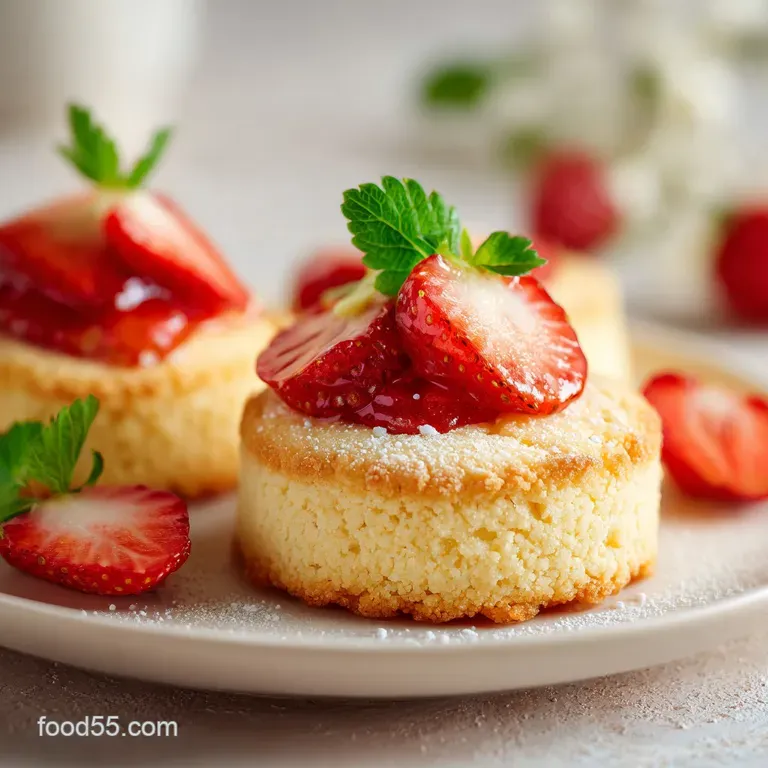
- Prep the oven. Preheat your oven to 300°F (150°C). Note: Low and slow is the rule for shortbread.
- Cream the butter. Beat the 227g butter and 100g sugar until pale and fluffy. This should take about 3 minutes.
- Add aromatics. Mix in the vanilla bean paste and sea salt.
- Sift dry ingredients. Combine the 300g all purpose flour and 1 tbsp rice flour in a separate bowl.
- Incorporate slowly. Add the dry mix to the butter until a shaggy dough forms. Do not overmix!
- Press into pan. Transfer the dough to your lined pan and press down until the surface is perfectly level.
- Score the dough. Use a knife to lightly cut the dough into 16 rectangles.
- Dock the surface. Use a fork to prick patterns into each piece. Note: This allows steam to escape.
- Bake the batch. Bake for 35 minutes until the edges are just barely golden.
- Final cut. While still warm, slice through your score marks again. Let it cool completely in the pan to set the structure.
Fixing Common Mistakes and Texture Issues
Why Your Shortbread is Greasy
If your butter was too soft or melted when you started, the flour won't be able to hold onto it. The fat will leak out during baking, leaving you with a puddle. Always aim for that 60°F "cool but pliable" temperature.
Why Your Shortbread is Tough
This usually happens from over handling the dough. Once the flour hits the butter, you want to be as gentle as possible. Stop mixing the second the flour disappears.
| Problem | Root Cause | Solution |
|---|---|---|
| Burnt Bottoms | Pan too thin or rack too low | Use a heavy pan and bake on the middle rack |
| Crumbly Slices | Cutting while cold | Re slice while the shortbread is still warm from the oven |
| Bland Taste | Not enough salt | Always use sea salt to brighten the butter notes |
Common Mistakes Checklist ✓ Never use margarine; the water content is too high for a proper snap. ✓ Don't skip the docking; those fork holes prevent the dough from bubbling up.
✓ Sift your flour to ensure there are no lumps that could lead to "flour pockets." ✓ Use a kitchen scale for the 300g of flour; measuring by volume is often inaccurate.
Simple Adjustments for Larger Baking Batches
Scaling shortbread is relatively straightforward because it's a ratio based recipe. However, there are a few things to keep in mind if you're doubling the batch for a big party or a bake sale.
- Scaling Up (2x): You can double all ingredients exactly. Use a larger pan (like a 9x13) and keep an eye on the center. You may need to add 5-8 minutes to the baking time to ensure the middle isn't doughy.
- Scaling Down (1/2): Use a smaller loaf pan. Reduce the baking time by about 20% and start checking for doneness at the 25 minute mark.
- Spices and Extracts: If doubling, only increase the salt and vanilla by 1.5x. Flavors tend to concentrate in larger batches, and you don't want the salt to overwhelm the delicate butter.
Debunking Traditional Shortbread Baking Myths
One of the biggest myths is that you must use powdered sugar for "authentic" shortbread. While powdered sugar makes for a very tender cookie, traditional Scottish shortbread often uses caster or superfine sugar to provide that characteristic "crunch" and structural integrity.
Another misconception is that you need to "cream" the butter and sugar for ten minutes. For shortbread, you actually want to avoid incorporating too much air. We aren't making a sponge cake; we want a dense, short texture. Three minutes of mixing is plenty to combine the ingredients without turning it into a cloud.
Finally,, some say you can't over bake shortbread. This is false. Shortbread should remain pale. If it turns dark brown, the butter has scorched, and you’ll lose that delicate, creamy flavor profile. Aim for a "sun kissed" look on the very edges only.
Smart Storage and Zero Waste Ideas
Shortbread is one of the few baked goods that actually tastes better after a day or two. The flavors have time to meld, and the texture firms up into that perfect snap. Keep them in an airtight container at room temperature for up to 10 days.
For longer storage, you can freeze them for up to 3 months just make sure they are wrapped tightly in parchment and then foil.
If you find yourself with broken bits or crumbs at the bottom of the tin, don't throw them out! Those buttery crumbs are essentially gold. I love to toast them lightly in a pan and sprinkle them over vanilla ice cream. You could also use the crumbs as a base for a Classic Bread and recipe by layering them with the bread for extra richness. Any leftover vanilla bean pods can be shoved into a jar of sugar to make your own vanilla infused sugar for the next batch.
Creative Ways to Style Your Shortbread
Shortbread is naturally beautiful in its simplicity, but a little styling goes a long way if you're serving guests. I love the "contrast story" here the pale, matte biscuit against a dark, rustic board.
- Pressed Flowers: Before baking, you can press edible dried pansies or lavender into the dough for a botanical look.
- Chocolate Drizzle: Dip half of each rectangle into melted dark chocolate and sprinkle with a few flakes of Maldon sea salt.
- Classic Shapes: Instead of rectangles, use a fluted tart pan and cut the shortbread into "petticoat tails" (triangles).
- Sugar Crust: Sprinkle a tiny bit of extra superfine sugar over the top immediately after taking it out of the oven for a shimmering finish.
Flavor Map for Styling: Rich Butter (Base) Dark Chocolate (Bittersweet contrast) Dried Lavender (Floral high note) Flaky Salt (Savory punch)
Remember, the goal is to celebrate the ingredients. Whether you keep it plain or dress it up, the star is always that 227g of incredible butter. Grab a cup of tea, a warm biscuit, and enjoy the quiet connection that only a homemade treat can bring.
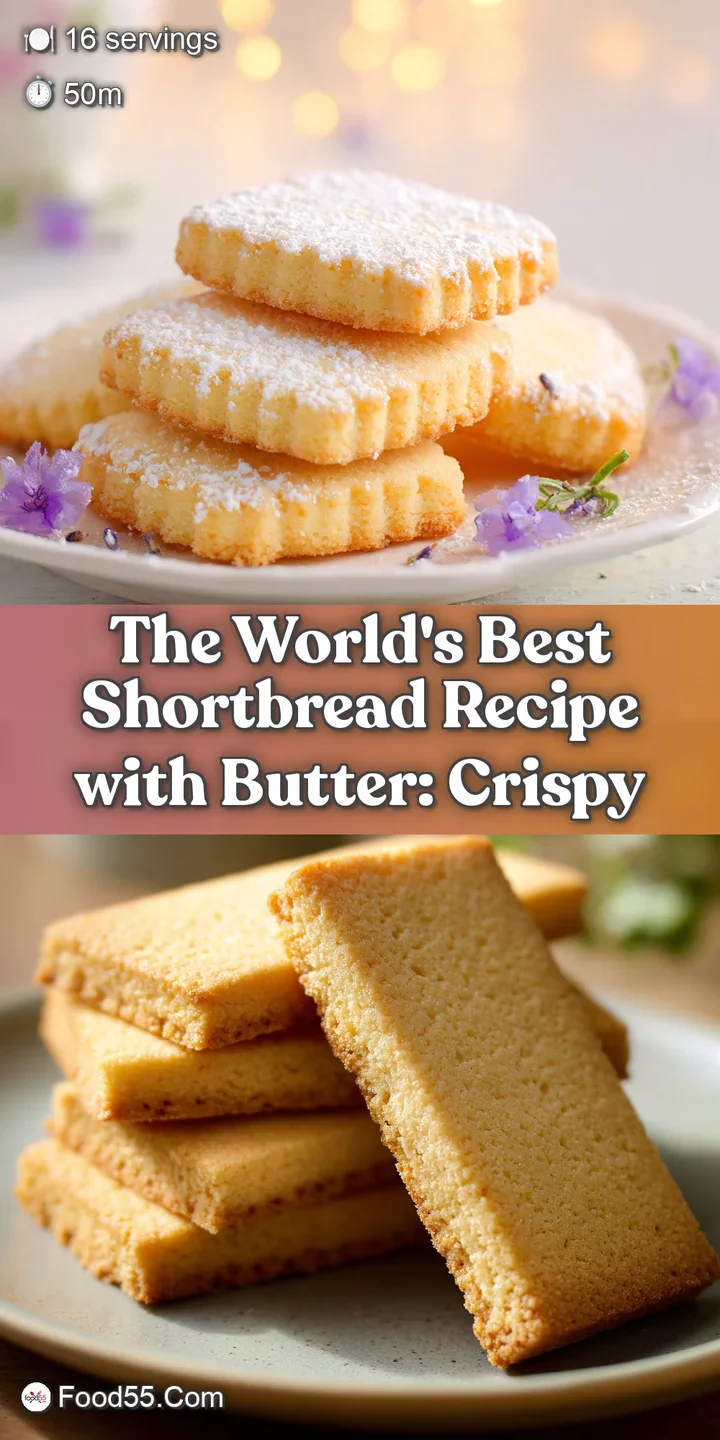
Recipe FAQs
What is the ideal temperature for the butter before mixing?
60°F (15°C). This cool but pliable temperature allows the butter to cream properly without melting, which is essential for coating the flour particles.
How to achieve the signature "snap" in shortbread texture?
Incorporate 1 tablespoon of rice flour. The starch in the rice flour inhibits gluten formation, preventing elasticity and resulting in the desired sandy, short texture.
Can I substitute all-purpose flour with cake flour to make it more tender?
No, substituting with cornstarch is a better alternative if you must change the flour. Cake flour has lower protein, but rice flour specifically provides the correct granular disruption needed for the classic shortbread feel.
How long can I chill the shortbread dough before baking?
Up to 48 hours. Chilling allows the flour to fully hydrate and the butter to firm up again, which helps prevent spreading during baking.
Is it necessary to score the dough before baking?
Yes, scoring before baking is recommended. This provides a weak point so you can cleanly slice the shortbread after it cools, maintaining beautiful edges without crumbling.
Why did my shortbread spread excessively while baking?
Your butter was too warm or you over mixed the dough. If you enjoyed mastering the temperature control here, apply the same precision to ensuring your fats are properly tempered for a sturdy crumb in our My Banana Nut recipe.
How should I store baked shortbread to maintain its crispness?
Store in a single layer in an airtight container at room temperature. Avoid the refrigerator, as the cold can actually make the texture feel stale faster.
Best Butter Shortbread Recipe
Ingredients:
Instructions:
Nutrition Facts:
| Calories | 196 kcal |
|---|---|
| Protein | 1.9 g |
| Fat | 11.7 g |
| Carbs | 21.2 g |
| Fiber | 0.5 g |
| Sugar | 6.3 g |
| Sodium | 74 mg |
