Black Licorice Recipe from Scratch with Anise
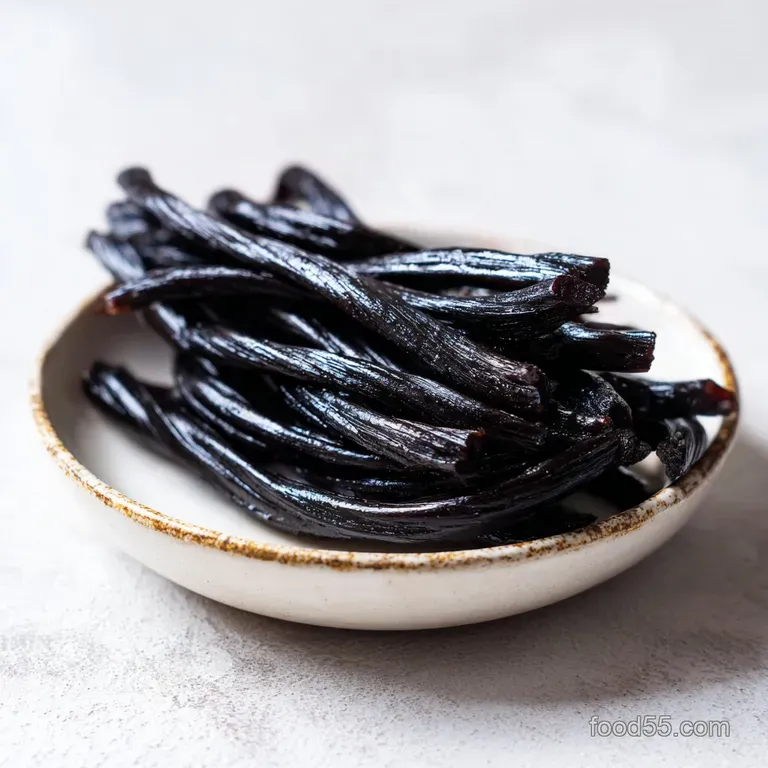
- Time: Active 15 minutes, Passive 45 minutes, Total 1 hours (hands on vs waiting)
- Flavor/Texture Hook: Dense, chewy, and velvety with a bold anise finish.
- Perfect for: Nostalgic gifting, movie nights, or a weekend project for candy lovers.
- Mastering Your Own Black Licorice Recipe From Scratch
- Essential Specs for Candy Making Success
- Gathering Your Flavor Foundation and Components
- Tools Required for the Perfect Candy Texture
- Simple Steps to Creating Artisanal Black Licorice
- Solving Common Texture and Flavor Challenges
- Creative Ways to Customize Your Homemade Batch
- Kitchen Myths Debunked
- Best Practices for Storing and Using Scraps
- Plating and Gifting Your Homemade Confections
- Recipe FAQs
- 📝 Recipe Card
Mastering Your Own Black Licorice Recipe From Scratch
I'll never forget the first time I tried making candy. I was staring at a bubbling pot of dark syrup, heart racing, wondering if I was about to create a masterpiece or a scorched disaster. My kitchen smelled like a mix of old-fashioned apothecaries and a campfire, and honestly, I was hooked.
There is something almost magical about watching liquid gold turn into a chewy, glossy rope of black licorice. It's a tactile experience that makes you feel like a real artisan.
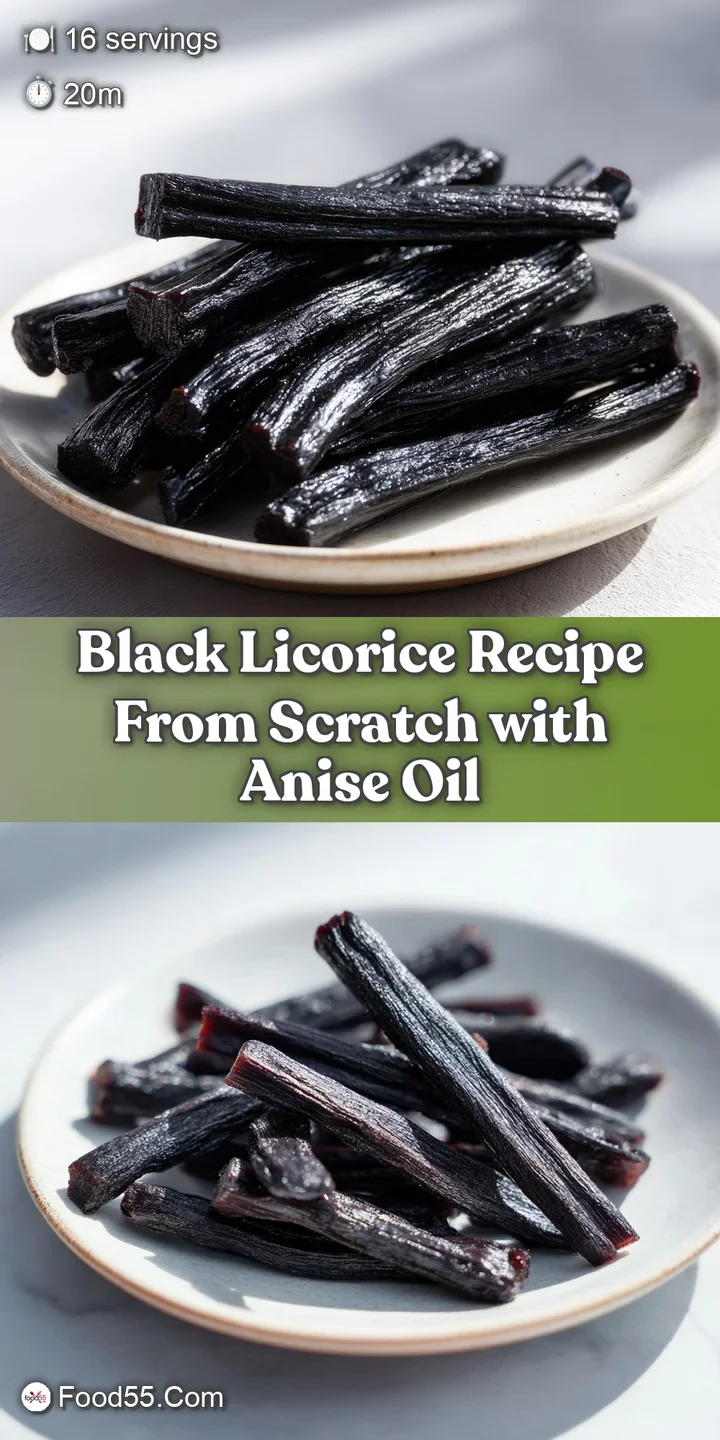
This article shares a standout black licorice recipe from scratch, infused with the distinct flavor of anise. We've all had those plastic tasting sticks from the gas station, but this is a different world entirely.
We are talking about a deep, complex sweetness that lingers on the tongue, with a texture that is substantial without being rubbery. It's the kind of treat that makes you want to sit down and actually savor a single piece rather than mindlessly snacking through a bag.
Trust me on this, once you realize how simple it is to control the chew and the intensity of the flavor, you'll never go back to the store-bought stuff. We're going to use real molasses and pure anise oil to get that authentic, old world profile.
Whether you're a lifelong licorice fan or someone who has only ever tolerated it, this homemade version is going to change your perspective. Let's get that stove preheated and talk about why this method actually works.
Essential Specs for Candy Making Success
The Physics of the Chew: The combination of corn syrup and granulated sugar creates a non crystalline structure that stays pliable, while the flour provides the essential protein lattice for that signature bite. This balance ensures the candy doesn't turn into a hard caramel or a sticky mess.
- Emulsification Stability: By whisking the butter into the sugars early, we create a fat in-water emulsion that gives the licorice a velvety mouthfeel rather than a greasy one.
- Starch Gelatinization: Adding the flour at the final stage allows the starch granules to swell and trap the moisture from the molasses, resulting in a dense, opaque body.
- Aromatic Preservation: We add the anise oil at the very end because high heat can cause those delicate flavor compounds to evaporate, leaving the candy tasting flat.
- Color Saturation: Using a high-quality gel coloring ensures a deep obsidian hue without adding excess liquid that would throw off the hydration ratio of the dough.
| Method | Cook Time | Texture Outcome | Best For |
|---|---|---|---|
| Stovetop (Direct Heat) | 15 minutes | Firm, traditional chew | Most home cooks |
| Double Boiler | 25 minutes | Soft, melt in-the mouth | Beginners worried about burning |
| Microwave (Small Batch) | 8 minutes | Slightly grainier finish | Quick cravings |
Choosing the right method depends on how much you want to hover over the pot. The stovetop method is my go to because I love seeing the transformation of the bubbles as the mixture thickens. It gives you the most control over the final "set" of the candy, ensuring you get that perfect snap when you bite into a piece. If you are a fan of complex, dark flavors, this process is very similar to making the base for a Proper Homemade A1 recipe where molasses plays a starring role.
| Ingredient | Science Role | Pro Secret |
|---|---|---|
| Dark Corn Syrup | Crystallization Inhibitor | Prevents "grainy" candy by keeping sugar molecules from bonding. |
| Blackstrap Molasses | Flavor & Humectant | Provides the deep mineral notes and keeps the candy moist. |
| All Purpose Flour | Structural Binder | Creates the "dough" consistency that makes it chewable. |
Gathering Your Flavor Foundation and Components
Before we start, let's talk about the stars of the show. You need specific ingredients for this black licorice recipe from scratch with anise to turn out correctly. Don't try to swap the molasses for honey or the anise oil for extract without knowing the consequences.
Extracts are alcohol based and will mostly evaporate, while oil is potent and stays put.
- 1 cup Blackstrap Molasses Why this? It provides the essential bitter sweet foundation and dark color.
- 1 tsp Licorice Root Powder Why this? Adds authentic medicinal depth that anise alone cannot provide.
- 2 tsp Pure Anise Oil Why this? Essential for that concentrated, punchy "black licorice" flavor.
- 1/2 tsp Sea Salt Why this? Cuts through the intense sugar to highlight the herbal notes.
- 1/2 tsp Black Food Coloring Gel Why this? Achieves that classic midnight look without thinning the mixture.
- 1/2 cup Unsalted Butter Why this? Adds richness and prevents the candy from sticking to your teeth.
- 1 cup Granulated White Sugar Why this? Provides the sweetness and helps the candy set firmly.
- 1/2 cup Dark Corn Syrup Why this? Keeps the texture smooth and prevents sugar crystals from forming.
- 1 cup All Purpose Flour Why this? The "skeleton" of the candy that gives it a biteable structure.
| Original Ingredient | Substitute | Why It Works |
|---|---|---|
| Unsalted Butter | Coconut Oil (Solid) | High fat content. Note: Adds a slight tropical note but keeps the chew. |
| Dark Corn Syrup | Brown Rice Syrup | Similar viscosity. Note: Result will be less sweet and slightly more earthy. |
| All Purpose Flour | GF Measure for-Measure | Starch based structure. Note: Can be slightly grittier; let the dough rest longer. |
Tools Required for the Perfect Candy Texture
You don't need a lab, but a few specific items will make this licorice recipe from scratch with anise much easier. First, a heavy bottomed saucepan is non negotiable. Thin pans create hot spots that will scorch your molasses before the sugar even melts.
I prefer a stainless steel or cast iron pot for even heat distribution.
A silicone spatula is your best friend here. It can handle the high heat and won't let the mixture stick to the sides as it thickens. You'll also want a candy thermometer if you're not confident in judging "soft ball" stage by eye.
Finally,, a 20cm square baking pan lined with parchment paper is the perfect vessel for cooling and shaping your creation.
Simple Steps to Creating Artisanal Black Licorice
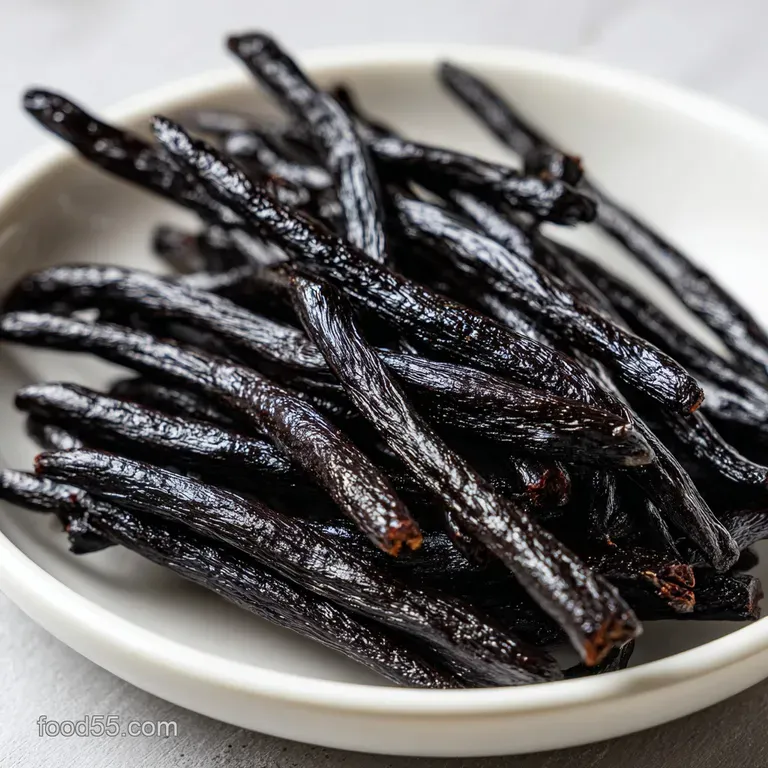
- Line a 20cm square pan with parchment paper, leaving an overhang for easy removal. Note: This prevents the sticky candy from becoming permanent part of your pan.
- Combine the butter, sugar, molasses, corn syrup, and salt in your saucepan. Note: Starting with all liquids ensures even melting.
- Heat over medium, stirring constantly until the butter is completely melted and the sugar dissolves.
- Bring the mixture to a gentle boil and cook for 5 minutes without stirring. Note: This allows the sugars to reach the necessary temperature for a firm set.
- Remove from heat and immediately whisk in the licorice root powder and black food coloring.
- Sift the all purpose flour into the pot, whisking vigorously until no white streaks remain and a thick dough forms.
- Stir in the anise oil last until the aroma is strong and the mixture looks velvety.
- Pour the hot mixture into the prepared pan and level the top with your spatula.
- Let the licorice sit at room temperature for at least 45 minutes until it feels firm to the touch and holds its shape.
- Lift the parchment out, place on a cutting board, and slice into ropes or bite sized squares using a sharp, oiled knife.
Solving Common Texture and Flavor Challenges
Candy making is a bit like a dance between temperature and timing. If you find your licorice isn't behaving, it's usually a small tweak in the heat management. It is very similar to the technique used in The Silkiest Homemade recipe where getting the fat and liquid to play nice is the whole game.
Why Your Licorice Is Too Soft or Sticky
If your candy feels more like a thick jam than a chewable treat, it likely didn't reach a high enough temperature during the boil. The water in the molasses needs to evaporate to leave behind the solids. Alternatively, you might have measured the flour a bit light.
Next time, ensure a full rolling boil for the entire five minutes to guarantee a solid set.
Why the Mixture Separated or Looked Greasy
This usually happens if the heat was too high too fast, causing the butter to "break" away from the sugar. To fix this while cooking, you can add a tablespoon of boiling water and whisk like your life depends on it. This helps re emulsify the fats into the syrup.
| Problem | Root Cause | Solution |
|---|---|---|
| Grainy Texture | Sugar crystallized on pot sides | Use a wet pastry brush to wipe down the sides of the pot. |
| Weak Anise Flavor | Oil added too early | Always stir in the flavor oils after removing from the heat. |
| Too Hard to Chew | Overcooked syrup | Reduce boiling time by 1 minute in your next batch. |
Common Mistakes Checklist
- ✓ Never skip the parchment paper; this candy is incredibly tacky when warm.
- ✓ Use a sifter for the flour to avoid lumpy, floury pockets in your candy.
- ✓ Don't substitute anise extract for anise oil; the flavor will be far too weak.
- ✓ Let the candy cool completely before slicing, or it will just slump into a blob.
- ✓ Oil your knife blade with a neutral oil (like canola) for clean, professional cuts.
Creative Ways to Customize Your Homemade Batch
When you are comfortable with this recipe from scratch with anise, you can start playing with the "personality" of the candy. Scaling this recipe is fairly straightforward, but candy chemistry can be finicky when you go big.
If you want to scale DOWN to a half batch, use a very small saucepan to prevent the syrup from spreading too thin and burning. For scaling UP, I recommend making two separate batches rather than doubling the ingredients in one pot.
Doubling can lead to uneven heating, and the flour becomes very difficult to whisk in smoothly when you have two cups of it hitting the hot syrup at once.
If you are feeling adventurous, try making a Dutch style salty licorice (Zoute Drop) by adding a teaspoon of ammonium chloride or just a heavy pinch of extra sea salt to the dough. You could also skip the black food coloring for a "natural" deep brown licorice, which has a beautiful, rustic look. For those who want a shortcut to a complete meal, learning to Master 3 Essential recipe can give you that same sense of satisfaction from making basics from scratch.
| Goal | Adjustment | Result |
|---|---|---|
| Extra Soft | Add 2 tbsp heavy cream | A "toffee like" licorice fudge. |
| Spicy Kick | Add 1/4 tsp cayenne | A warm, lingering heat after the anise. |
| Intense Dark | Use extra dark molasses | A very bitter, sophisticated adult candy. |
Kitchen Myths Debunked
One big misconception is that you need a specialized "licorice plant" to make this. While licorice root powder adds a beautiful depth, most of the flavor we associate with "black licorice" actually comes from anise. You can make a very respectable version with just the anise oil if you can't find the root powder.
Another myth is that homemade candy won't last. Because of the high sugar and molasses content, which act as natural preservatives, this licorice has a surprisingly long shelf life. You don't need any artificial stabilizers to keep it fresh for a couple of weeks.
Best Practices for Storing and Using Scraps
Once you've sliced your from scratch with anise candy into perfect little squares, store them in an airtight container. If you live in a humid environment, toss them with a little bit of cornstarch or extra granulated sugar to prevent them from sticking together.
They will stay perfectly chewy at room temperature for up to 2 weeks. I don't recommend the fridge, as it can make the texture unpleasantly hard.
Don't you dare throw away those odd shaped end pieces! These "scraps" are kitchen gold. You can chop them finely and fold them into vanilla bean ice cream or melt them down with a splash of water to create a licorice syrup for cocktails or coffee.
It's a zero waste way to keep the flavor connection going long after the main batch is gone.
Plating and Gifting Your Homemade Confections
Presentation is everything when it comes to handmade gifts. Since this black licorice recipe from scratch results in such a beautiful, obsidian colored candy, I love to contrast it with bright packaging. Wrap individual ropes in wax paper and tie the ends with twine for a "penny candy" vintage look.
If you are serving these at a party, try placing them on a white marble slab. The dark, glossy finish of the licorice looks incredibly elegant against the white stone. You can even sprinkle a few flakes of Maldon sea salt on top right after pouring the mixture into the pan to give it a modern, gourmet touch.
It's these little connections to the ingredients that turn a simple candy into a shared experience your friends won't stop talking about.
Recipe FAQs
Why shouldn't you eat a lot of black licorice?
Yes, excessive consumption is a concern due to glycyrrhizin. This compound, derived from licorice root, can raise blood pressure and potentially cause serious health issues if consumed in large quantities daily for extended periods.
What spice gives black licorice its flavor?
Anise oil is the primary flavoring agent. While licorice root powder adds depth, the distinct, powerful flavor most people associate with black licorice comes from anise, which is chemically related to fennel.
Why was black licorice taken off the market?
No, it was not universally taken off the market. Concerns were raised in the US primarily regarding high intake of the ingredient glycyrrhizin, which led to FDA warnings, but the candy remains widely available globally in regulated forms.
What are the ingredients in old fashioned licorice?
Old fashioned licorice relies on molasses, sugar, starch, and anise oil. Traditional recipes balance the sweetness of sugar with the mineral bitterness of molasses, using flour or starch to create the dense, chewy structure.
How do I prevent my black licorice candy from becoming grainy?
Add dark corn syrup and wipe down the pot sides while heating. Corn syrup acts as a crystallization inhibitor by binding to sugar molecules, preventing them from forming large, gritty crystals, a principle also vital when controlling texture in dishes like our How to Make recipe.
How do I achieve a rich, deep black color without thinning the mixture?
Use high-quality black food coloring gel sparingly. Gels introduce intense pigment with minimal liquid, preserving the crucial syrup-to-starch ratio necessary for a firm, chewy texture, unlike liquid dyes.
Is it true that I must use a candy thermometer for a successful batch?
No, this is a common misconception. While a thermometer ensures precision, you can judge doneness by observing the mixture stop bubbling vigorously after removing it from the heat, indicating water has evaporated sufficiently for a firm set.
Black Licorice Recipe From Scratch
Ingredients:
Instructions:
Nutrition Facts:
| Calories | 217 calories |
|---|---|
| Protein | 0.9 g |
| Fat | 5.8 g |
| Carbs | 41.6 g |
| Fiber | 0.6 g |
| Sugar | 35.7 g |
| Sodium | 80 mg |
