Burrata and Roasted Asparagus and Tomato Salad: a Proper Stunner
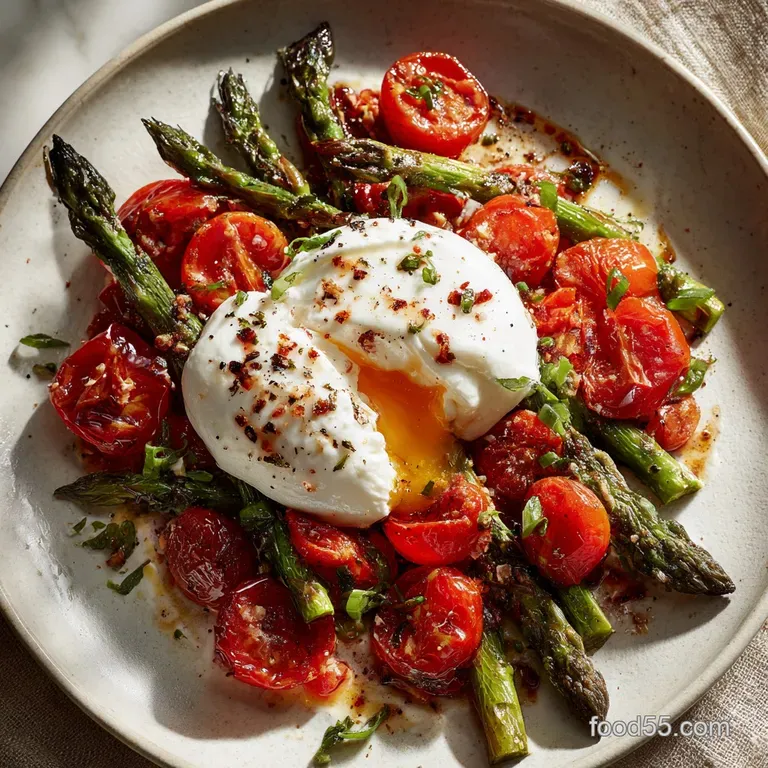
- The Definitive Burrata and Roasted Asparagus and Tomato Salad
- The Culinary Science of Creamy Burrata Meets Blistered Vegetables
- Essential Components for Your Asparagus and Burrata Salad
- Step-by-Step: Mastering the Burrata and Roasted Asparagus and Tomato Salad
- Pro Chef's Roasting Tips and Common Salad Assembly Mistakes
- What to Serve Alongside Your Luxurious Burrata Salad
- Handling Leftovers: Storage and Shelf Life
- Recipe FAQs
- 📝 Recipe Card
The Definitive Burrata and Roasted Asparagus and Tomato Salad
Seriously, stop what you are doing right now and preheat your oven. When the sweetness of blistered cherry tomatoes mixes with that sharp, herbal lemon dressing and hits the cool, impossibly creamy burrata, you understand pure culinary bliss.
This isn't just a salad; it's a sensory experience that sings of late spring and early summer.
I used to spend hours trying to make complicated layered salads that always ended up soggy. What I finally realized is that the secret to a high impact, low-effort dish is relying on fantastic ingredients transformed simply.
Roasting the vegetables brings out their maximum potential, giving you a fast, ridiculously easy, and cheap showstopper.
Trust me, this Burrata and Roasted Asparagus and Tomato Salad is my go-to "I need to impress without trying" recipe. We are going to nail the balance of temperature, texture, and acidity. Let’s crack on and elevate those humble vegetables to true stardom.
The Culinary Science of Creamy Burrata Meets Blistered Vegetables
Why over High heat Roasting is Key to Seasonal Perfection
We are not gently baking these vegetables; we are roasting them hot and fast . High heat is essential because it transforms the sugars in the tomatoes and asparagus quickly, achieving a beautiful char and tenderness without overcooking them until they are mushy. If you are roasting vegetables in the cold months, this same technique works wonders for heavier vegetables, like in my recipe for Roasted Butternut Squash Cubes Recipe (Easy, Maple Kissed Thyme) .
Understanding the Hot-Meets Cold Salad Structure
The magic of this Burrata Salad is the contrast. You have the warmth and caramelization of the roasted tomatoes and asparagus providing depth. This is balanced perfectly by the cool, milky interior of the burrata, which must be served at room temperature to maximize its melt factor.
The slight temperature difference adds another layer of sophistication that cold, straight from-the-fridge ingredients simply cannot provide.
Time Required: Prep, Roast, and Assemble
The active time needed here is truly minimal, maybe 15 minutes of chopping and dressing prep. The rest of the time is hands off while the oven does the heavy lifting.
This salad is genuinely weeknight fast, clocking in at around 35 minutes total, which is less time than it takes to decide what movie to watch.
The Maillard Reaction and Tomato Sweetness
When those cherry tomatoes hit 400°F (200°C), the high heat helps them burst and caramelize slightly that's the Maillard reaction doing its delicious work. This intense roasting concentrates their natural sweetness, making them taste deeper and more complex than raw tomatoes ever could.
Do not skip this step!
Counterpointing the Al Dente Asparagus Crunch with Soft Cheese
We must treat the asparagus differently than the tomatoes, which is why we pull it out earlier. Asparagus needs to be tender crisp, holding its shape with a nice snap when you bite into it. This firmness provides the necessary texture contrast against the silky, yielding interior of the burrata.
Soggy asparagus is a sad, soggy crime.
Elevating the Dish with Lemon Basil Vinaigrette
This vinaigrette isn't just seasoning; it's the glue holding the flavors together. The sharpness of fresh lemon juice cuts through the richness of the burrata fat. Meanwhile, the Dijon mustard helps the oil and acid emulsify, creating a thick, glossy dressing that clings perfectly to the roasted vegetables.
Essential Components for Your Asparagus and Burrata Salad
Selecting the Best Asparagus and Cherry Tomatoes
Look for asparagus spears that are firm, bright green, and have tightly closed tips. If the ends look dry and woody, snap them off or trim them aggressively. For the tomatoes, cherry or grape varieties work best because their small size means they roast quickly and burst easily, creating pockets of sweet tomato juice.
Dairy Deep Dive: Burrata vs. Fresh Mozzarella
Burrata is essential for this recipe's luxurious texture. It starts as mozzarella, but the exterior is shaped into a pouch and filled with stracciatella cream mixed with tiny shreds of mozzarella curds. Fresh mozzarella is fine in a pinch, but it lacks that incredible, flowing creaminess.
If you must use mozzarella, make sure it’s fresh, whole milk mozzarella packed in brine, not the dry, low-moisture stuff.
Smart Substitutions for the Vinaigrette Herbs and Oils
I prefer basil here because its pepperiness works so well with roasted vegetables. But if basil isn’t your thing, you have options. high-quality EVOO is mandatory for the dressing; the difference between good oil and cheap oil is huge here.
| Ingredient | My Recommendation | Viable Substitution |
|---|---|---|
| Burrata | Room Temp Burrata | Fresh Mozzarella (tear it) |
| Asparagus | Thin or Medium Spears | Trimmed Green Beans or quartered Zucchini |
| Fresh Basil | Sweet Basil Leaves | Fresh Mint, Oregano, or Parsley |
| Pine Nuts | Toasted Pine Nuts | Toasted Pistachios or Walnuts |
Chef's Note: When making the vinaigrette, always grate your garlic clove instead of just mincing it. Grating releases far more flavour compounds, ensuring the dressing has a vibrant, non-raw bite.
step-by-step: Mastering the Burrata and Roasted Asparagus and Tomato Salad
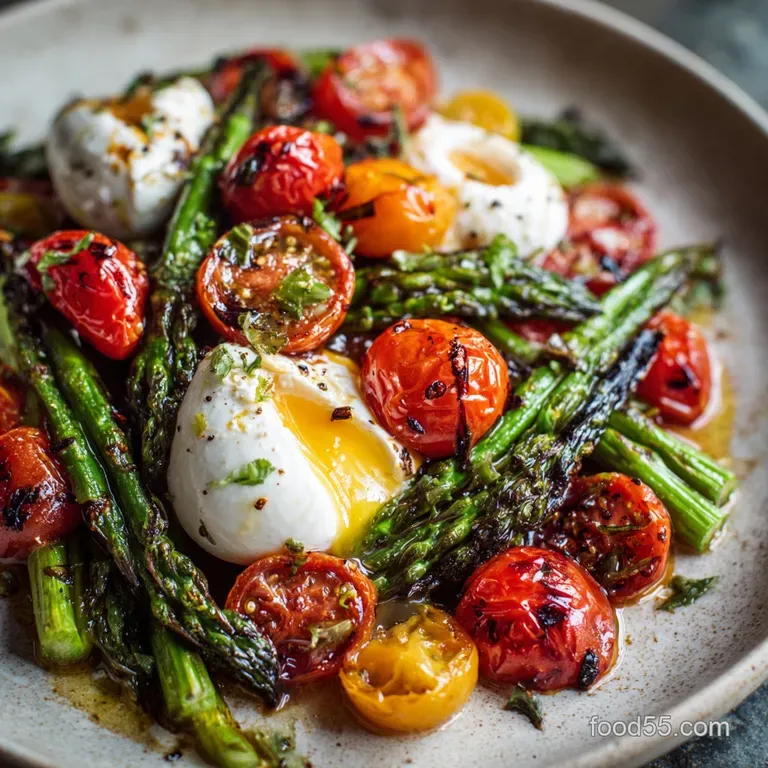
Preparing and Seasoning the Asparagus and Tomatoes for Roasting
Preheat the oven to 400°F (200°C). Lay parchment paper on a sturdy baking sheet; this prevents sticking and makes cleanup a dream. Snap the tough, woody ends off the asparagus spears they will naturally break where the tender part begins.
Toss the asparagus first with half the standard olive oil, salt, and pepper. Then, gently toss the whole cherry tomatoes with the remaining oil and seasonings. Crucially, spread them into a single layer so they roast instead of steam.
Achieving the Perfect Blister: Oven Temperature and Timing
Put both the asparagus and tomatoes into the hot oven. After 10 minutes, the asparagus should be bright green and starting to feel tender but still firm remove it immediately!
Put the tomatoes back in for another 8 to 10 minutes until their skin begins to wrinkle, blister, and slightly collapse. Let the vegetables cool on the counter until they are just warm or completely room temperature.
Whisking the Zesty Lemon Basil Dressing
In a small bowl, whisk the fresh lemon juice, Dijon mustard, grated garlic, and a tiny splash of honey or maple syrup to balance the acid. Now, slowly, slowly drizzle in that good quality Extra Virgin Olive Oil while whisking vigorously. It should thicken slightly into a gorgeous, homogenous dressing.
Stir in the finely chopped fresh basil last, then taste and season generously. Vinaigrettes always need more salt than you think.
Plating the Components for Maximum Visual Impact
Find your prettiest platter; white plating makes the greens and reds pop! Arrange the roasted asparagus spears and blistered tomatoes across the base of the platter. Now, gently tear or slice the burrata balls open so the luxurious cream interior spills out slightly and place them attractively amongst the vegetables.
Drizzle the lemon basil vinaigrette over the vegetables only, avoiding the burrata itself. Finish the exposed creamy burrata centers with a generous pinch of flaky sea salt and the toasted pine nuts.
Pro Chef's Roasting Tips and Common Salad Assembly Mistakes
Ensuring Proper Air Circulation on the Baking Sheet
If your vegetables are too crowded, they trap steam and become soggy the exact opposite of what we want! If you have a pound of asparagus, use two baking sheets. Give every vegetable some space to breathe and brown; that’s where the flavour comes from.
Avoiding a Soggy Salad: When to Add the Vinaigrette
This is a rookie error I made for years. Do not dress the salad until just before serving. Acid in the dressing will immediately start wilting the basil and turning the burrata a little sour if left for hours. Keep the components separate until the last minute.
The Optimal Temperature for Serving Burrata
Please, I beg you, take your burrata out of the fridge at least an hour before you plan to serve it. Cold burrata is thick and sad. Room temperature burrata is luscious, creamy, and flows beautifully when sliced, mingling perfectly with the warm roasted vegetables.
What to Serve Alongside Your Luxurious Burrata Salad
Ideal Crusty Bread Pairings for Scooping Up Cream
You absolutely need something crusty to wipe up the remaining dressing and any burrata cream. A good quality baguette, a rustic sourdough, or even a soft slab of focaccia is perfect.
Wine Pairing Guide for Lemon Forward Salads
Because this salad features strong lemon and basil notes, you need a crisp, high acid white wine. Think Sauvignon Blanc (Sancerre is dreamy), or a bone dry Provence Rosé.
We often serve this as a side dish when we make something robust and savory, like my recipe for Oven Baked Baby Back Ribs: Low and Slow for Maximum Tenderness because the brightness of the salad cuts through the richness of the ribs. If you’re planning a fancy dinner party, follow this stunner up with a dessert that matches the sophisticated flavor profile, maybe my Slow Cooker Creme Brulee: The Hands Off Recipe for Perfect Texture .
Handling Leftovers: Storage and Shelf Life
Refrigerating Roasted Vegetables and Vinaigrette Separately
If you anticipate leftovers, assemble only what you plan to eat immediately. Store the roasted asparagus and tomatoes in an airtight container in the fridge for up to 3 days. The vinaigrette should be stored separately in a jar and re-whisked before serving, as the ingredients will naturally separate.
The Problem with Burrata Leftovers
Burrata is a 'serve now' cheese. Once the ball is torn open and exposed to air and acid, it loses its incredible texture rapidly. Do not attempt to freeze burrata; the high water content will result in a grainy, unpleasant mess when thawed.
If you have leftover burrata, slice it and put it on toast the next morning, but plan to use it within 24 hours.
Recipe FAQs
What is the best substitution if I cannot find burrata?
The best alternative is fresh mozzarella (specifically bocconcini or balls packed in water), as it offers a similar texture and mild flavour. If you desire a creamier component, you could use a dollop of fresh ricotta cheese slightly thinned with olive oil and salt, though the texture will be less robust.
How long can I store the leftovers of this salad?
This salad is genuinely best served immediately, as the burrata and dressed vegetables degrade quickly. If necessary, you can store the dressed, roasted vegetables in the refrigerator for up to 24 hours, but be aware the asparagus will lose its prized crispness.
Always keep the burrata refrigerated and never store it once it has been cut and dressed.
My roasted asparagus looked wrinkly and dry, not tender crisp. What went wrong?
This typically indicates over roasting or insufficient heat exposure time. Ensure your oven is fully preheated to the high temperature specified (usually 400-425°F) for a rapid, quick cook, and avoid overcrowding the baking sheet.
A generous coating of good quality olive oil is vital to help them steam slightly and achieve that perfect tender crisp texture.
Can I prep the roasted vegetables and vinaigrette ahead of time?
Yes, prepping ahead is encouraged. You can roast the asparagus and tomatoes up to a day in advance and store them in separate containers in the refrigerator; ensure you bring them to room temperature before assembling the salad.
The lemon basil vinaigrette can be made up to three days ahead, but give it a good shake before using.
What protein should I pair with this salad to make it a main course?
This salad’s light and acidic flavour profile complements grilled proteins beautifully. Consider adding perfectly grilled chicken breasts, pan-seared scallops, or a flaky white fish like cod or halibut for a substantial and elegant meal.
I don't have fresh basil for the vinaigrette. Can I use dried herbs instead?
While fresh basil provides the necessary vibrant, bright flavour, you may substitute it with a teaspoon of dried Italian seasoning or oregano in a pinch. However, for a better fresh substitute, try fresh mint or parsley, which also pair beautifully with lemon and roasted vegetables.
How can I make this Burrata and Asparagus salad suitable for a vegan diet?
To make this recipe vegan, simply omit the burrata cheese. You can maintain the luxurious richness by substituting the cheese component with a homemade cashew "ricotta" or by topping the salad with toasted pine nuts or crispy roasted chickpeas for texture.
Burrata Roasted Asparagus Tomato Salad
Ingredients:
Instructions:
Nutrition Facts:
| Calories | 347 kcal |
|---|---|
| Protein | 11.0 g |
| Fat | 31.3 g |
| Carbs | 9.9 g |
