Crack Chicken Noodle Soup: Ultra-Creamy, Cheesy, and Utterly Addictive
- Introducing The Ultimate Crack Chicken Noodle Soup
- The Flavor Science: Why This Creamy Noodle Soup is Irresistible
- Essential Components for Authentic Crack Chicken Noodle Soup
- Ingredient Variations and Flavor Tweaks
- Cooking Method: Step-by-Step Guide to the Ultimate Crack Chicken Noodle Soup
- Expert Tips and Troubleshooting for Creamy Soup Success
- Storing and Reheating Your Leftover Crack Noodle Soup
- Pairing Suggestions: What to Serve Alongside This Rich Soup
- Recipe FAQs
- 📝 Recipe Card
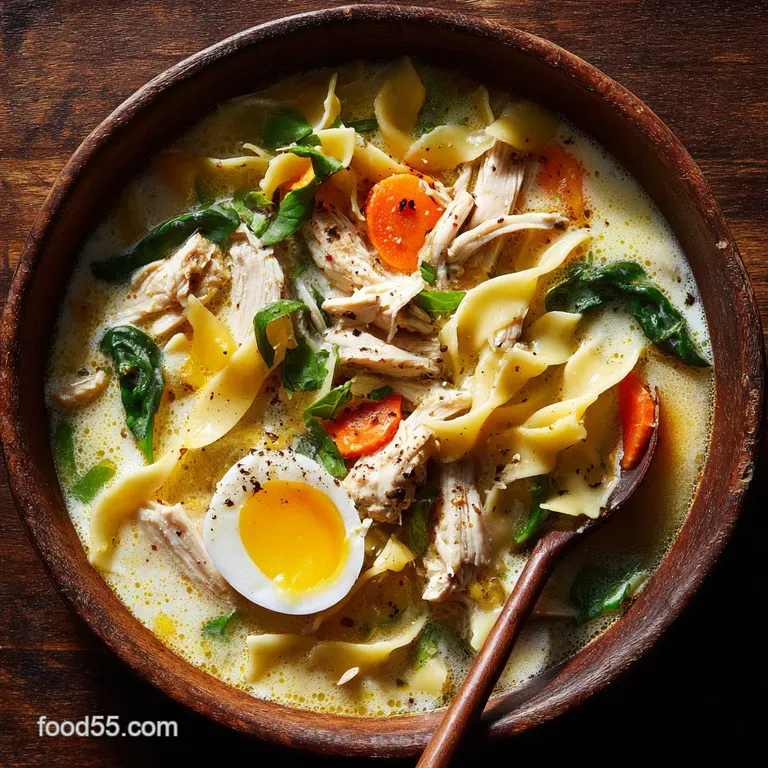
Introducing The Ultimate Crack Chicken Noodle Soup
Okay, stop what you’re doing right now and imagine this: the scent of smoky bacon mingling with sharp cheddar cheese and a whisper of garlic steam floating through your kitchen. That’s the aroma of maximum, restorative comfort, isn't it?
This Crack Chicken Noodle Soup isn't just some ordinary, pale broth; it is a bowl of pure, velvety, hug-worthy genius, packed tight with everything savory and creamy.
We all love classic, clear chicken noodle soup when we’re feeling under the weather, but sometimes we need a serious, luxurious upgrade that takes zero extra fuss. This recipe is your weeknight superhero, leaning hard on pantry staples and often using convenient rotisserie or leftover meat, making it incredibly fast to pull together.
It delivers deep, complex flavor that frankly feels a little illegal for how utterly simple the technique is.
I've tweaked and tested this bad boy endlessly, learning exactly where people mess up the roux or accidentally curdle the heavy cream (yep, I've had cheesy, grainy disasters, too). Now, I’m giving you the definitive guide to achieving that perfect, silky, irresistible texture and flavor every single time.
Let’s stop talking and start cooking.
The Flavor Science: Why This Creamy Noodle Soup is Irresistible
Comfort Food Meets Cult Classic: What to Expect
You’re starting with the soul of a classic, creamy chicken noodle, but then you take it for a wild ride through flavor town. The familiar, tender noodles and soft vegetables give you that satisfying texture we crave on a cold day.
However, this version introduces richness from bacon fat and a punchy, savory backbone, making it feel decadent rather than just restorative.
The Secret Behind the Irresistible ‘Crack’ Flavour Profile
The infamous 'crack' flavor profile boils down to three powerhouses: smoky bacon, sharp cheddar, and the unexpected boost of Ranch seasoning. The Ranch mix is essential because it brings garlic powder, onion powder, and hidden savory herbs like dill directly into the broth.
That combination creates an instant, intense craving you simply cannot ignore.
Why This Creamy Soup is Perfect for a Chill Day
This dish is fast, forgiving, and deeply nourishing. Since we use pre-cooked, shredded meat, the total time required is under an hour, which is perfect for busy weeknights when you want something substantial but don't want to stand over the stove. It truly feels like a huge, warm blanket in a bowl.
Achieving the Perfect Silky, Thick Texture (The Roux Foundation)
The secret weapon here is starting with a proper roux, which is a combination of fat and flour. By sautéing the aromatics in rendered bacon fat and butter, then dusting them with flour and cooking it out, we create a stable, delicious foundation.
This roux allows the broth to thicken uniformly, ensuring the final soup is velvety smooth and never watery.
Mastering the Umami Bomb: Bacon, Ranch, and Sharp Cheddar Synergy
Each key component plays a distinct role in building the ultimate savory depth. The bacon provides salt and smoke; the Ranch provides herbal complexity and a little tang; and the sharp cheddar brings the rich, lactic acid tang and that glorious, gooey melt.
When these three hit the simmering broth, they create a savory explosion that justifies the 'crack' nickname.
Essential Components for Authentic Crack Chicken Noodle Soup
If you want this ultimate creamy crack chicken noodle soup recipe to succeed, ingredient quality really matters especially the cheese. Do yourself a massive favor and grate your own sharp cheddar.
Those pre-shredded bags contain anti caking agents that will make your beautiful soup gritty and unevenly melted. Trust me on this one.
| Ingredient | Role | Viable Substitution | Notes |
|---|---|---|---|
| Thick cut Bacon | Smoke, Fat, Salt | Diced pancetta or smoked ham hock | Use butter or oil if omitting entirely. |
| Cooked Shredded Meat | Bulk, Protein | Shredded cooked turkey | Great for using up holiday leftovers. |
| Heavy Cream | Richness, Creaminess | Evaporated Milk or Half and Half | Full fat dairy is essential for stability. |
| Egg Noodles | Texture | Small pasta shapes (Ditalini, Rotini) | Avoid large shapes; they absorb too much liquid. |
| Ranch Seasoning | Flavor Profile | Equal parts dried dill, garlic powder, onion powder, and parsley | The dry mix is non-negotiable for authenticity. |
Ingredient Variations and Flavor Tweaks
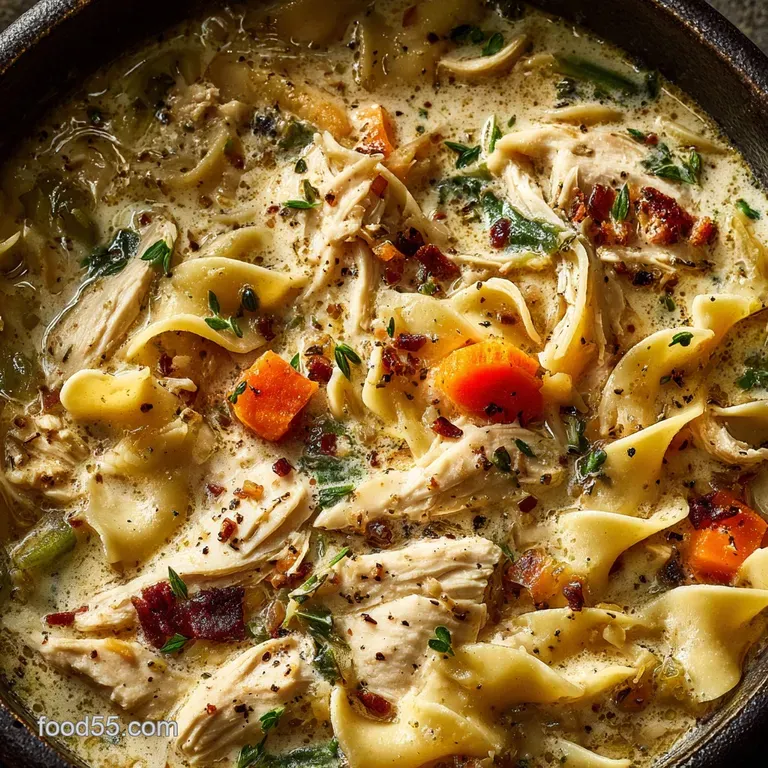
The Core Trio: Ranch Seasoning, Bacon, and Sharp Cheddar
You cannot make Crack Chicken Noodle Soup without this holy trio; they are the definition of the dish! If you need to make it vegetarian, you’d need to replace the meaty, smoky flavor with something like smoked paprika and liquid smoke, but that’s a different recipe entirely.
Stick to the classic flavor profile for the maximum comfort.
Choosing Your Noodles: Best Types for Creamy Soups
I prefer medium width dried egg noodles because they swell up beautifully and capture the sauce without becoming too mushy. If you want a slightly lighter feel, you could use angel hair pasta, but remember it cooks much faster.
Always cook your noodles slightly under al dente in the soup, as they will continue to soften and absorb liquid off the heat.
Dairy Decisions: Optimal Milk and Cream Ratios
Heavy cream is your friend here because its high fat content stabilizes the soup and resists splitting, which is crucial when adding acidic cheese. If you must go lighter, use half and half, but keep the heat very low.
Avoid using skim milk; the low-fat will almost certainly curdle when combined with the cheese and the heat.
Adjusting the Salt Level: Managing High Sodium Ingredients
Since we are using low-sodium broth, smoky bacon, and a packet of Ranch mix all high sodium items you must season in stages. Do not add significant salt until the very end, after the broth has reduced and the cheese has been fully incorporated.
Otherwise, you risk an overly salty disaster.
Alternative Thickening Agents for a Lighter Base
If you are allergic to wheat or simply prefer a lighter base than a classic roux, you can use a cornstarch slurry. Mix 2 tablespoons of cornstarch with 3 tablespoons of cold water. Add this mixture after the noodles are cooked and simmer until thickened, right before adding the dairy.
Making This Recipe gluten-free (Noodle and Roux Adjustments)
It’s completely doable! Simply swap the all-purpose flour for a measure for-measure gluten-free flour blend when making the roux. For the pasta, look for gluten-free egg noodles or use small GF pasta like ditalini. The rest of the ingredients are naturally GF, which is great.
Cooking Method: step-by-step Guide to the Ultimate Crack Chicken Noodle Soup
The key to this creamy crack chicken noodle soup crock pot upgrade is controlling the heat. Follow these steps precisely for a silky finish.
- Render the Bacon & Aromatics: Cook the diced bacon in a large pot over medium heat until it’s perfectly crisp. Scoop the bacon out, reserving about 2 tablespoons of the glorious rendered fat and adding the butter. Sauté your diced onion and celery until they are soft and glistening (about 5- 7 minutes). Add the garlic and cook for just 60 seconds until you get that unmistakable fragrant bloom.
- Build the Roux: Sprinkle the flour over the softened vegetables and stir it constantly for two full minutes. This action cooks out that raw, powdery taste.
- Simmer the Base: Slowly, slowly pour in the chicken broth while whisking like mad to prevent any lumps from forming. Bring the liquid to a gentle, steady simmer.
- Noodles and Flavor: Stir in your dried egg noodles, the Ranch seasoning, pepper, and a pinch of salt. Let it simmer, uncovered, for about 8– 10 minutes until the noodles are almost done. The broth will thicken substantially here.
- Add the Meat: Stir in your shredded, cooked meat and allow it to heat through for about 2 minutes.
Chef's Note: If you are using pre-shredded rotisserie meat, I often prefer pulling it by hand rather than chopping it. Those long, lovely strands hold onto the creamy sauce better than diced cubes.
- The Creamy Finish (Critical Step): Reduce the heat to the absolute lowest setting. Stir in the heavy cream. Immediately remove the pot from the heat source completely.
- Melt the Cheese: Gradually stir in the freshly grated sharp cheddar cheese, a handful at a time. Let each addition fully melt and incorporate before adding more. This controlled heat ensures a perfectly smooth, non-gritty, creamy sauce.
- Serve: Adjust your final seasoning and serve immediately, topping generously with the reserved crispy bacon and fresh parsley.
Expert Tips and Troubleshooting for Creamy Soup Success
Building the Flavor Foundation (Sautéing and Seasoning)
Don't rush the bacon step. Rendering the bacon fat properly not only gives you those crispy little nuggets but also provides the foundational fat necessary for the deepest, smokiest flavor base.
Sweating the onions and celery until they are translucent, not brown, releases their sweetness without overpowering the subtle Ranch seasoning.
The Creamy Base: Creating a Smooth, Lump Free Roux
When adding the flour, make sure you cook it for the full two minutes to eliminate that pasty flavor. When pouring in the broth, use a whisk and start with just a small amount of liquid first to create a thick paste, then slowly stream in the rest.
This technique ensures a perfectly smooth, lump free roux every single time.
Low and Slow Simmer: Achieving Depth and Noodle Tenderness
Once the broth and noodles are added, keep the simmer gentle. A rolling boil will beat up your delicate egg noodles and can cause the dairy already in the broth (from the butter/fat) to start breaking down. A gentle, steady bubble is all you need for tender noodles and maximum flavor melding.
The Critical Final Fold: Melting the Cheese and Adding Dairy
This is where many cooks fail. Heat control is everything. You must add the cream off the heat or over the lowest setting, and the cheese must be stirred in gradually, never dumped all at once. If the soup is too hot when the dairy hits, the proteins tighten and separate.
Preventing the Soup from Splitting (Temperature Control)
The number one rule for creamy soups is: Once the heavy cream is in, the soup cannot boil. If you see steam but no aggressive bubbling, you are safe. If you see rapid bubbling, pull the pot off the burner immediately and let it cool down slightly before stirring in the cheese.
How to Fix a Gritty Sauce (Overcooked Cheese Prevention)
A gritty texture is almost always caused by using pre-shredded cheese or overheating the dairy. If it happens to you, try a small rescue mission: Remove the pot from the heat and try stirring in a tablespoon of cold milk or cream.
If the grittiness is minor, an immersion blender can sometimes save the day by breaking down the separated fats and proteins.
Storing and Reheating Your Leftover Crack Noodle Soup
Refrigeration Protocol: Keeping the Creaminess Intact
This creamy crack chicken noodle soup stores beautifully in the fridge for up to four days. Be warned, the noodles will continue to absorb the creamy broth, making the soup much thicker the next day. This is actually delicious, but it won’t look quite the same as when freshly made.
Can You Freeze Crack Chicken Noodle Soup? (Addressing Dairy Separation)
I’m going to be honest with you: freezing creamy soups containing dairy and cheese is risky business. While technically possible, thawing often causes the fat and milk solids to separate, resulting in a slightly grainy, broken texture.
If you must freeze it, freeze it before adding the cream and cheese, then stir those in once you reheat the thawed broth base.
Reheating Tips for Noodles That Have Thickened Overnight
Because the noodles act like tiny sponges, your leftover soup will be incredibly thick. To reheat, place the soup in a pot over low heat and add a splash of extra broth or milk (about 1/4 to 1/2 cup per serving). Stir gently until it reaches your desired consistency, ensuring you do not boil it.
Pairing Suggestions: What to Serve Alongside This Rich Soup
Simple Starches: Crusty Breads and Homemade Croutons
Because this soup is so intensely rich and savory, you need something solid to scoop up that glorious broth. A thick slice of toasted sourdough or a crunchy homemade crouton adds a necessary textural contrast. You can make simple homemade croutons in minutes!
Adding a Fresh Counterpoint: Light Salads and Slaws
Balance is key when eating something this decadent. We need something bright and acidic to cut through the richness of the bacon and cheddar. A simple green salad dressed with vinaigrette works perfectly, or maybe even something vibrant like my Corn Chicken Salad: Vibrant, Healthy Summer Meal Prep Recipe if you're looking for a heavier side that still offers a fresh taste.
Indulgent Sides for a Feast
If you are serving this for a cozy weekend meal and embracing the comfort food theme, pair it with something savory and hearty. Instead of a light side, you could opt for a baked item with a textural crunch, almost like a smaller serving of Sausage Apple and Cranberry Stuffing: The Ultimate Holiday Cracker , which offers sweet and savory depth.

Recipe FAQs
My soup is lumpy after adding the cheese and cream. What went wrong?
This issue often arises when the heat is too high, causing the cheese or cream to separate (split). Ensure the soup is simmering gently, never boiling vigorously, when incorporating the dairy products.
To fix this, remove the soup from the heat and try stirring in a teaspoon of lemon juice or adding a splash of fresh milk while whisking aggressively; this sometimes helps re-emulsify the sauce.
How do I store leftovers without the noodles becoming soggy?
For optimal texture, the best method is to cook the egg noodles separately, only adding them to the soup bowl right before serving. If you must cook them in the pot, ensure they are cooked only al dente.
If you have leftover soup base with noodles, they will inevitably absorb liquid overnight, so plan to add a little extra broth or cream when reheating to compensate for the absorption.
Can I use pre-cooked rotisserie chicken for this recipe?
Absolutely, using pre-cooked rotisserie chicken is an excellent time saving shortcut that greatly simplifies the prep. Shred or dice the chicken and stir it into the soup during the final 10 minutes of simmering.
Be careful not to boil the pre-shredded meat, as it may dry out or become stringy; you only need to ensure it is heated through thoroughly before serving.
I need to freeze this soup. Will the creamy base hold up?
Freezing creamy soups is generally discouraged as dairy fats (like heavy cream and cheese) often separate, becoming grainy and watery once thawed and reheated.
If you absolutely must freeze it, prepare the soup base without the noodles, heavy cream, or cheddar cheese, and only incorporate those ingredients once the thawed broth has been reheated on the stove.
What can I substitute for the Ranch seasoning mix if I don't have any?
The signature "crack" flavor comes from the Ranch, but a quick homemade substitution works well in a pinch. Combine equal parts dried dill, dried chives, onion powder, and garlic powder, along with a pinch of salt and pepper.
Ensure you taste test the base before adding the cream, as you may need a little extra salt due to the high sodium content typically found in commercial seasoning packets.
My soup is too thin. How can I easily thicken it up without changing the flavor?
If your roux didn't adequately thicken the soup, the quickest remedy is using a cornstarch slurry. Mix one tablespoon of cornstarch with two tablespoons of cold water until it forms a smooth paste.
Whisk this slurry slowly into the simmering soup base and allow it to cook for 2 to 3 minutes; the heat will activate the cornstarch and quickly adjust the consistency.
Can I use a different cheese besides cheddar, or use pre-shredded cheese?
While sharp cheddar is central to the "Crack Chicken" profile, you can swap it for Monterey Jack or Gouda for a smoother, milder melt. Avoid cheeses like Parmesan, which tend to be too salty and dry for this application.
Always shred your own block cheese if possible, as pre-shredded bags contain anti caking agents that prevent the cheese from melting smoothly and can result in a grainy texture.
Creamy Crack Chicken Noodle Soup Recipe
Ingredients:
Instructions:
Nutrition Facts:
| Calories | 582 kcal |
|---|---|
| Protein | 31.2 g |
| Fat | 34.7 g |
| Carbs | 24.3 g |
