The Best Creamy Tuscan Salmon Recipe Yet
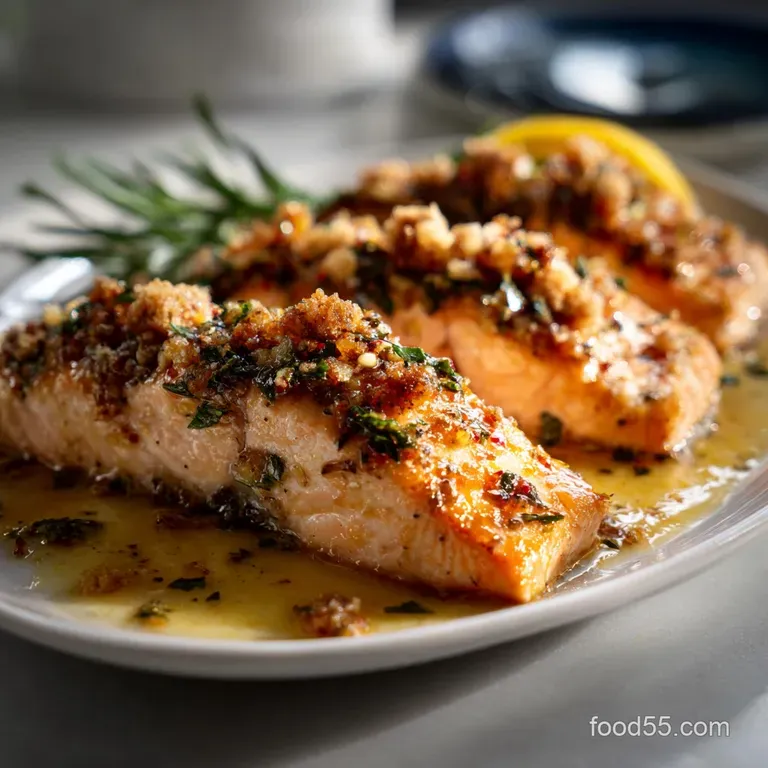
- Effort/Time: Minimal cleanup / 30 minutes total
- Flavor Hook: Sun-dried tomato umami meets velvety parmesan cream
- Perfect for: High-protein-date-nights and weeknight-hero-meals
- The Ultimate Creamy Tuscan Salmon Recipe: A 30 Minute Masterclass
- Experience the Best Creamy Tuscan Salmon Recipe: A 30 Minute One-Pan Meal
- The Science of Why it Works
- Ingredients and Substitutions for Creamy Tuscan Salmon Recipe
- Step-by-Step Instructions for Perfect Tuscan Salmon
- Common Mistakes (Troubleshooting)
- Common Myths
- Storage, Freezing, and Reheating
- Serving Suggestions
- Recipe FAQs
- 📝 Recipe Card
The Ultimate Creamy Tuscan Salmon Recipe: A 30 Minute Masterclass
The hiss of cold salmon hitting a pre-heated Lodge Cast Iron Skillet is the sound of a successful dinner starting. We’ve all been there: staring at a piece of expensive fish, terrified of turning it into a rubbery, flavorless brick.
For years, I struggled with uneven searing and broken cream sauces that looked more like oil slicks than gourmet meals.
This Creamy Tuscan Salmon Recipe is the scientific solution to those kitchen frustrations. By understanding the interaction between high smoke-point oils and the Maillard reaction, we can achieve a shatter crisp exterior while maintaining a buttery, translucent center.
This isn't just another salmon dish; it’s a study in balancing fat, acid, and heat to create a dish that rivals any "Smitten Kitchen" inspired masterpiece.
Trust me, once you master the deglazing technique used here, you’ll never look at a plain fillet the same way. We’re going to use the fond those caramelized bits stuck to your pan to build a flavor foundation that’s impossible to replicate with a simple sauce-on-the-side approach.
Let’s crack on with the science and the sizzle.
Experience the Best Creamy Tuscan Salmon Recipe: A 30 Minute One-Pan Meal
Why This Gourmet Dinner Is a Weeknight Game Changer
Efficiency in this Tuscan Salmon Recipe comes from the "carry over cooking" principle, where the fish finishes in the sauce. This eliminates the need for multiple timers or complex staging.
You are essentially using the heavy cream as a thermal regulator, ensuring the salmon never exceeds its ideal internal temperature.
The Creamy Tuscan Salmon Recipe utilizes pantry staples like sun-dried tomatoes and Italian seasoning to mimic the complex flavor profiles of slow simmered Italian ragus.
By using a single pan, you maximize the "fond" (browned bits), which contains concentrated flavor molecules developed through the Maillard reaction. This ensures that every drop of the garlic cream sauce is infused with the essence of the seared fish.
Authentic Flavors of Central Italy in Your Kitchen
While "Tuscan" in this context is a culinary shorthand for the combination of spinach, cream, and sun-dried tomatoes, it reflects the region's love for bold, rustic ingredients. This Salmon Recipe prioritizes high-quality fats and fresh aromatics, mirroring the Mediterranean approach to seafood.
The inclusion of dry white wine provides the necessary acidity to cut through the 59g of fat per serving, creating a balanced palate.
The 4 cloves of garlic and 0.5 cup of freshly grated Parmesan cheese provide a sharp, savory backbone that prevents the heavy cream from becoming cloying. If you’re looking to round out the meal with a crisp starter, this dish pairs perfectly with The BEST Balsamic Vinaigrette Homemade Recipe: 5 Minute Magic drizzled over a simple arugula salad.
The Appeal of a Restaurant Quality One-Pan Dish
The "one-pan" aspect isn't just about reducing dishes; it's about flavor layering. When you sear the 4 salmon fillets in the Lodge Cast Iron Skillet, the oil becomes infused with 1 tsp smoked paprika and the fish's natural oils.
That seasoned oil then fries the garlic and sun-dried tomatoes, creating a cohesive flavor bridge throughout the entire Creamy Tuscan Salmon Recipe.
Professional chefs use this technique to ensure consistency. By keeping the salmon in the same environment where the sauce is built, you maintain a singular flavor profile. The result is a Creamy Tuscan Salmon that feels intentional and sophisticated, rather than a collection of separate ingredients thrown onto a plate.
The Science of Why it Works
- Maillard Reaction: High heat transforms the salmon's surface proteins and sugars into a complex brown crust, creating deep savory notes.
- Emulsification: The casein in the 1 cup heavy cream and the proteins in the 0.5 cup Parmesan cheese bind with the fats, creating a stable, velvety sauce.
- Acid Interaction: The 0.25 cup white wine dissolves the browned protein bits (fond) from the pan surface, integrating deep flavor back into the liquid.
- Protein Denaturation: Gentle simmering in the sauce ensures the salmon's muscle fibers don't tighten too quickly, preventing the "squeaky" texture of overcooked fish.
The Science Behind the Ingredients
- What It Does
- Acts as the primary protein and flavor carrier.
- The Chemistry
- Undergoes protein denaturation where heat uncoils muscle fibers; if cooked past 145°F, fibers tighten and squeeze out moisture.
- Why This Matters
- Proper searing locks in the internal juices, ensuring a flakey, succulent texture that contrasts with the crispy skin.
- What It Does
- Provides the base for the "Creamy" element of the Creamy Tuscan Salmon Recipe.
- The Chemistry
- High fat content (at least 36%) provides emulsification stability, preventing the sauce from curdling when mixed with acidic wine or lemon.
- Why This Matters
- It creates a luxurious mouthfeel that coats the palate and carries the flavors of the garlic and sun-dried tomatoes.
- What It Does
- Provides intense umami and tartness.
- The Chemistry
- Dehydration concentrates glutamates and sugars, which react with the savory notes of the fish to create "flavor synergy."
- Why This Matters
- They provide "pops" of acidity that prevent the heavy cream and butter from feeling too heavy on the tongue.
- What It Does
- Seasons the sauce and acts as a thickening agent.
- The Chemistry
- Contains glutamic acid for savory depth and aged proteins that melt into the cream to increase viscosity.
- Why This Matters
- It eliminates the need for a flour based roux, keeping the Tuscan Salmon Recipe naturally gluten friendly and silkier.
Ingredients and Substitutions for Creamy Tuscan Salmon Recipe
| Original Ingredient | Substitute | Why It Works |
|---|---|---|
| 1 cup Heavy Cream | Coconut Milk (Full Fat) | Similar fat content. Note: Adds a subtle tropical nuttiness to the dish. |
| 0.25 cup White Wine | Chicken Broth + 1 tsp Lemon | Mimics the depth and acidity. Note: Lacks the complex esters of fermented grape. |
| 0.5 cup Sun-Dried Tomatoes | Roasted Red Peppers | Provides sweetness and color. Note: Sweeter and less acidic than tomatoes. |
| 2 cups Fresh Baby Spinach | Lacinato Kale | High fiber content. Note: Requires 3 minutes extra simmering to soften. |
| 2 tbsp Unsalted Butter | Homemade Butter | Provides superior fat-to-water ratio. Note: Increases the richness of the garlic sauté. |
Choosing the Best Salmon Fillets: Fresh vs. Frozen
For this Creamy Tuscan Salmon Recipe, I recommend Atlantic or King salmon for their higher fat content. Higher fat means more forgiveness during the searing process. If using frozen fillets, ensure they are thawed completely in the fridge and patted bone dry with paper towels.
Residual moisture causes steaming instead of searing, ruining the texture.
Creating the Velvety Garlic Cream Base
The secret to the Best Creamy Tuscan Salmon Recipe is the order of aromatics. We sauté the 4 cloves of minced garlic in 2 tbsp unsalted butter only until fragrant about 30 seconds. Garlic contains sulfur compounds that turn bitter if browned.
Adding the 0.5 cup sun-dried tomatoes immediately after cools the pan and prevents the garlic from burning.
Vegetable Variations: Spinach, Kale, and Beyond
While 2 cups of fresh baby spinach is classic, you can experiment with heartier greens. If you use kale, remove the tough ribs and chop finely. If you're out of greens entirely, halved cherry tomatoes can be blistered in the butter for a different texture.
This Salmon Recipe is a framework; the cream-to-parmesan ratio is the only part that requires strict adherence for the perfect "velvety" finish.
step-by-step Instructions for Perfect Tuscan Salmon
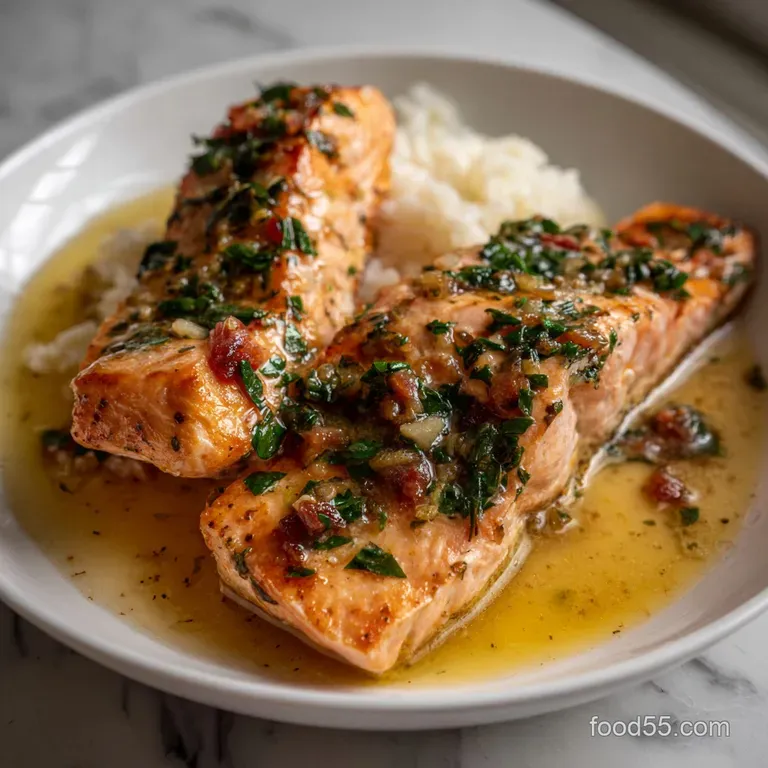
Season 4 Salmon fillets with 1 tsp smoked paprika, 0.5 tsp salt, and 0.5 tsp black pepper.Note: Smoked paprika provides the "fire roasted" color and depth without actual charcoal.
Heat 1 tbsp olive oil in a Lodge Cast Iron Skillet over medium high heat.Note: Cast iron has high thermal mass, preventing the pan temperature from dropping when the fish is added.
Sear salmon for 5 minutes per side until golden brown. Note: The Maillard reaction occurs most efficiently at temperatures between 285°F and 330°F.
Remove salmon and melt 2 tbsp unsalted butter in the same pan.Note: Using the same pan captures the concentrated salmon fats for the sauce base.
Sauté 4 cloves minced garlic and 0.5 cup sun-dried tomatoes for 2 minutes. Note: Fat-soluble flavors in the garlic and tomatoes are released into the butter during this stage.
Deglaze with 0.25 cup dry white wine, scraping the bottom of the pan.Note: Ethanol in wine helps dissolve flavor compounds that are neither water- nor fat-soluble.
Whisk in 1 cup heavy cream and 1 tsp Italian seasoning; simmer for 3 minutes. Note: Simmering allows the water content in the cream to evaporate, concentrating the fat and flavor.
Stir in 2 cups baby spinach and 0.5 cup freshly grated Parmesan cheese.Note: Spinach wilts via moisture loss; the Parmesan acts as a natural stabilizer for the emulsion.
Return salmon to the pan and spoon sauce over the fillets for 2 minutes. Note: This final simmer allows the fish to reach a safe internal temperature of 145°F via gentle conduction.
Garnish with fresh parsley and serve with lemon wedges.Note: Fresh lemon juice provides citric acid that "brightens" the heavy fats in the cream sauce.
Common Mistakes (Troubleshooting)
| Problem | Why It Happens | The Fix | Pro Protocol |
|---|---|---|---|
| Fish Sticks to Pan | Surface moisture or moving too soon | Pat dry and wait for "natural release" | Use a Fish Spatula to gently test the edge after 4 minutes. |
| Sauce is Broken/Oily | Heat was too high after adding cream | Whisk in 1 tbsp of hot water | Maintain a "gentle simmer," never a rolling boil once dairy is added. |
| Salmon is Tough | Overcooked past 145°F internal | Remove salmon earlier, finish in sauce | Use a ThermoPro Digital Thermometer to pull fish at 135°F. |
Common Myths
- Myth: You must remove the salmon skin before cooking.
Truth: Cooking with the skin on protects the delicate flesh from direct heat and provides a fat layer that keeps the meat moist. You can remove it easily after cooking if preferred.
Myth: Heavy cream will always curdle if you add wine.
- Truth: As long as the heavy cream has a high fat content (36%+) and you whisk it into the wine gradually, the emulsion will remain stable.
Storage, Freezing, and Reheating
How to Store Leftovers
Store the Creamy Tuscan Salmon Recipe in an airtight glass container in the refrigerator for up to 2 days. Because of the high fat content in the cream sauce, it will thicken significantly when cold. Ensure the salmon is completely submerged in the sauce to prevent it from drying out.
Freezing Instructions
I do not recommend freezing this Tuscan Salmon Recipe. Dairy based sauces often "split" or become grainy upon thawing due to the destruction of the fat globules' membranes during the freezing process. The salmon's texture will also become mushy. This dish is best enjoyed fresh or from the fridge.
Best Reheating Methods
Avoid the microwave! It will turn your salmon into a rubbery mess and separate the sauce. Stovetop (Recommended): Place the salmon and sauce in a small pan over low heat. Add 1 tbsp of water or milk to loosen the sauce.
Cover and heat for 5 7 minutes until the sauce is simmering and the fish is warmed through. Oven: Place in a covered oven safe dish at 275°F for 10 12 minutes.
Serving Suggestions
What to Serve With This Dish
To absorb the incredible garlic cream sauce, serve this Creamy Tuscan Salmon over a bed of al dente linguine or angel hair pasta. For a lower carb option, cauliflower mash or sautéed zoodles work beautifully.
If you're hosting a dinner party, serve these fillets alongside Homemade Soft Pretzels: Quick Easy Best Recipe for a fun, rustic bread option to mop up every last drop of the parmesan cream. The contrast between the salty pretzel and the velvety sauce is a total crowd pleaser.
For a summer gathering, this rich Salmon Recipe balances well with a cold side like my Classic Pea Salad Recipe: Creamy, Crisp, and Ready for BBQ. The snap of the peas provides a structural contrast to the flakey fish.
This Creamy Tuscan Salmon Recipe is a testament to the power of simple, high-quality ingredients. By mastering the sear and the simmer, you bring a "Masterclass" level meal to your kitchen table in just 30 minutes.
Whether it's a quiet Tuesday or a special celebration, this dish delivers on every sensory front from the initial sizzle to the final, velvety bite.

Recipe FAQs
Can I use heavy cream instead of half and-half?
Yes, heavy cream thickens sauce faster. Higher fat content reduces the risk of curdling during rapid simmering common in quick pan sauces. This technique is similar to building the base for Heavy Cream Pasta: The Ultimate Creamy Garlic Sauce.
Does the salmon need to be completely dry before searing?
Absolutely, surface moisture inhibits the Maillard reaction. Water must evaporate before the temperature is high enough to brown the proteins, resulting in steamed, gray fish instead of a crispy crust.
What is the best technique for preventing the spinach from wilting too much?
Add spinach just before serving. Rapid wilting occurs because spinach cells release water when heated above 160°F, collapsing the structure quickly.
- Stir greens in last
- Use fresh, not frozen
- Fold gently
Is it necessary to use chicken stock in the sauce base?
No, water is a viable substitution if stock is unavailable. Stock simply adds foundational savory depth (umami) that water lacks entirely. If you have time, using homemade Chicken Stock: Liquid Gold Homemade Stock Recipe dramatically improves the final flavor profile.
Can I use Parmesan cheese instead of Pecorino Romano?
Yes, but use less Parmesan due to salt variation. Parmesan is generally milder and has slightly higher moisture content than aged Pecorino. This affects seasoning levels in the final emulsion.
Can I substitute the sun-dried tomatoes with fresh tomatoes?
Myth: Fresh tomatoes offer the same concentrated flavor punch as oil-packed sun-dried varieties. Reality: Dehydration intensifies sugars and glutamates in sun-dried tomatoes, providing the essential umami necessary for this Tuscan profile.
Does this recipe freeze well for later reheating?
No, the dairy based sauce breaks upon refreezing. The fat and water components of the cream emulsion separate when subjected to ice crystal formation and thawing, resulting in an oily, granular texture.
Creamy Tuscan Salmon Recipe
Ingredients:
Instructions:
Nutrition Facts:
| Calories | 742 kcal |
|---|---|
| Protein | 41 g |
| Fat | 59 g |
| Carbs | 8 g |
| Fiber | 2 g |
| Sugar | 3 g |
| Sodium | 695 mg |
