Crispy Boneless Chicken Wings Recipe
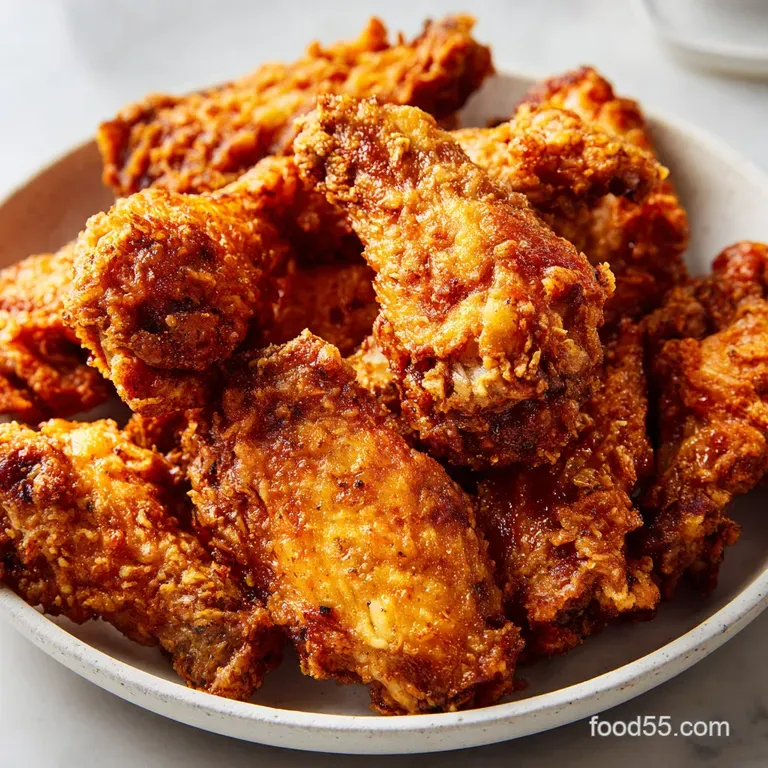
- Time: Active 20 mins, Passive 10 mins, Total 30 mins
- Flavor/Texture Hook: Shatter crisp exterior with a velvety, juicy center
- Perfect for: Game day gatherings or a high end pub night at home
- How to Make the Best Crispy Boneless Chicken Wings
- The Physics of the Shatter Crust
- Understanding the Components of Your Dish
- The Essentials for Crispy Boneless Chicken Wings
- Tools for a Professional Kitchen Setup
- Master the Technique for Success
- Solving Common Breading and Texture Issues
- Troubleshooting Common Issues
- Adjusting the Recipe for Any Crowd
- Debunking Common Frying Misconceptions
- Safe Storage and Reducing Kitchen Waste
- Perfect Sides and Flavor Pairings
- Critical High in Sodium
- Recipe FAQs
- 📝 Recipe Card
How to Make the Best Crispy Boneless Chicken Wings
I still remember the first time I tried making these for a Sunday football crowd. I thought I had it all figured out, but by the time the second quarter started, my "crispy" wings had turned into a sad, soggy pile of disappointment.
I realized then that most recipes skip the most important part: the structural integrity of the crust. Now, whenever I hear that distinct sizzle as the chicken hits the oil, I know I've finally cracked the code to that elusive, glass like crunch that holds up even after being tossed in sauce.
We aren't just making nuggets here; we are engineering a specific type of bite. You want a coating that offers resistance, a literal shatter when you chomp down, followed by chicken that is almost impossibly tender. It's the contrast that makes it addictive.
I've spent months tweaking the ratio of cornstarch to flour because, honestly, straight flour just doesn't cut it if you want that professional pub style finish.
You can expect a recipe that doesn't just taste good but feels right. We're talking about a golden brown crust that stays firm, a sauce that clings without making things mushy, and a spice level that builds slowly.
Trust me, once you see how the buttermilk and cornstarch work together, you'll never go back to the frozen bag stuff again. It’s a total game changer for your weekend snack rotation.
The Physics of the Shatter Crust
Starch Hybridization: Mixing cornstarch with all purpose flour lowers the overall gluten content, creating a more brittle, "shattery" crust rather than a chewy, bread like one.
Lactic Acid Tenderization: The buttermilk provides a mild acidic environment that breaks down lean protein fibers in the chicken breast, ensuring a velvety texture.
Protein Bonding: Resting the dredged chicken allows the flour to hydrate, creating a biological "glue" that prevents the breading from separating during the frying process.
Moisture Migration Control: over High heat frying rapidly evaporates surface water, creating steam vents in the crust that result in those signature crispy crags and bumps.
| Chicken Chunk Size | Internal Target | Resting Time | Visual Doneness Cue |
|---|---|---|---|
| 1.5 inch cubes | 165°F | 3 minutes | Deep golden brown and floating |
| 1.0 inch cubes | 165°F | 2 minutes | Golden tan and vigorous bubbling stops |
| 2.0 inch strips | 165°F | 5 minutes | Dark gold with visible surface ridges |
Finding the right balance of heat and time is essential for chicken breast. Unlike bone in wings, these can dry out if you overthink the clock, so keep a close eye on that golden color. If you're looking for something with a different flavor profile for another night, you might enjoy the citrusy notes in this Slow Cooker Chicken recipe.
Understanding the Components of Your Dish
| Ingredient | Science Role | Pro Secret |
|---|---|---|
| Buttermilk | Tenderizer & Binder | Use full fat buttermilk for better fat soluble flavor transport. |
| Cornstarch | Crispness Agent | It prevents gluten development, ensuring the crust is crisp, not tough. |
| Honey | Flavor Balancer | The sugar helps the sauce caramelize slightly against the hot crust. |
The Essentials for Crispy Boneless Chicken Wings
- 2 lbs boneless, skinless chicken breasts: Cut into 1.5 inch chunks. Why this? Breast meat provides the cleanest "wing" texture when diced and fried properly.
- Substitute: Chicken thighs (boneless) for a richer, juicier flavor, though they take slightly longer to cook.
- 1 cup buttermilk: Why this? The thick consistency helps the flour stick while the acid tenderizes.
- Substitute: 1 cup whole milk mixed with 1 tbsp lemon juice; let sit for 5 minutes.
- 1 tbsp hot sauce (for marinade): Adds a baseline of heat.
- Substitute: Sriracha or even a pinch of extra cayenne pepper.
- 1 tsp garlic powder: Essential for savory depth.
- Substitute: Granulated garlic (use 1.5 tsp as it’s less potent).
- 1 tsp onion powder: Adds sweetness and "umami" notes.
- Substitute: Shallot powder for a more sophisticated, French inspired taste.
- 0.5 tsp salt (for marinade): Starts the seasoning process early.
- 1.5 cups all purpose flour: The structural base of your breading.
- Substitute: Rice flour for an even lighter, tempura style crunch.
- 0.5 cup cornstarch: Why this? This is the secret to a high definition, crunchy exterior.
- Substitute: Potato starch or arrowroot powder both work brilliantly here.
- 1 tbsp paprika: For color and a subtle earthy warmth.
- Substitute: Smoked paprika if you want a backyard BBQ vibe.
- 1 tsp cayenne pepper: Gives the breading a consistent back of-the throat kick.
- 1 tsp black pepper: Freshly cracked is best for that sharp bite.
- 1 tsp salt (for breading): To ensure the crust isn't bland.
- 4 tbsp unsalted butter, melted: Why this? It carries the sauce flavor and adds a silky mouthfeel.
- Substitute: Ghee or clarified butter for a higher smoke point if mixing on heat.
- 0.5 cup hot sauce (for glaze): The classic Buffalo base.
- Substitute: BBQ sauce or Teriyaki for a non spicy variation.
- 1 tbsp honey: Why this? Cuts through the vinegar of the hot sauce for a balanced glaze.
- Substitute: Maple syrup or brown sugar.
| Original Ingredient | Substitute | Why It Works |
|---|---|---|
| Buttermilk (1 cup) | Greek Yogurt (0.5 cup + 0.5 cup water) | Similar acidity and thickness for tenderizing meat. |
| Cornstarch (0.5 cup) | Arrowroot Powder | Provides the same "snap" to the crust. Note: Stays crispy longer. |
| Honey (1 tbsp) | Agave Nectar | Similar viscosity and sweetness. Note: Less floral than honey. |
Choosing the right ingredients is the first step toward a meal that brings people together. I've found that using high-quality buttermilk makes a noticeable difference in how the spices stick to the chicken. If you prefer a meal that's already assembled and baked, you'll love the simplicity of this Creamy Chicken Breast recipe.
Tools for a Professional Kitchen Setup
To get that restaurant quality finish, you really need a heavy bottomed pot. A cast iron Dutch oven is my go to because it holds heat like a champ. When you drop cold chicken into hot oil, the temperature can plummet, leading to greasy, soggy breading. The heavy iron helps mitigate that.
You’ll also want a wire cooling rack set over a baking sheet. Never, and I mean never, put freshly fried chicken directly onto paper towels. The steam trapped between the towel and the chicken will turn your beautiful crust into mush in seconds.
A wire rack allows air to circulate entirely around the wing, keeping it shatter-crisp while the excess oil drips away.
Finally,, a digital meat thermometer is your best friend. Chicken breast is notoriously unforgiving. If you hit 165°F, it's juicy; if you hit 180°F, you're eating cardboard. Taking the guesswork out of the equation is how you ensure every batch is consistent.
Master the Technique for Success
1. The Velvet Soak
Combine the 1 cup buttermilk, 1 tbsp hot sauce, garlic powder, onion powder, and 0.5 tsp salt in a large bowl. Submerge the chicken chunks completely. Note: This step allows the lactic acid to begin tenderizing the meat immediately.
2. The Double Dredge Station
In a separate shallow dish, whisk together the flour, cornstarch, paprika, cayenne, black pepper, and 1 tsp salt. This creates a uniform flavor profile across the entire batch.
3. The Coating Process
Lift a piece of chicken from the buttermilk, letting excess drip off, then bury it in the flour mixture. Press firmly to ensure the flour adheres to every nook and cranny.
4. The "Set" Period
Place the coated chicken on a tray and let it rest for 10 minutes. Note: This allows the moisture from the buttermilk to hydrate the flour, creating a "glue" that prevents breading fall off.
5. The Cooking Phase
Heat 2 inches of oil in a heavy pot to 350°F. Fry the chicken in batches for 5-7 minutes until deep golden and crackling.
6. The Drain
Transfer the wings to a wire rack immediately. Note: Air circulation is the key to maintaining the structural integrity of the crust.
7. The Sauce Fusion
Whisk the 0.5 cup hot sauce, melted butter, and honey in a large metal bowl until emulsified and velvety.
8. The Finishing Toss
Add the warm wings to the sauce bowl and toss gently with a spatula. Serve immediately while the contrast between the hot glaze and the cold ranch dip is at its peak.
Chef's Tip: For an extra level of crunch, whisk 2 tablespoons of the buttermilk marinade into your dry flour mixture before dredging. This creates small "clumps" of dough that fry up into extra crispy ridges on the chicken.
Solving Common Breading and Texture Issues
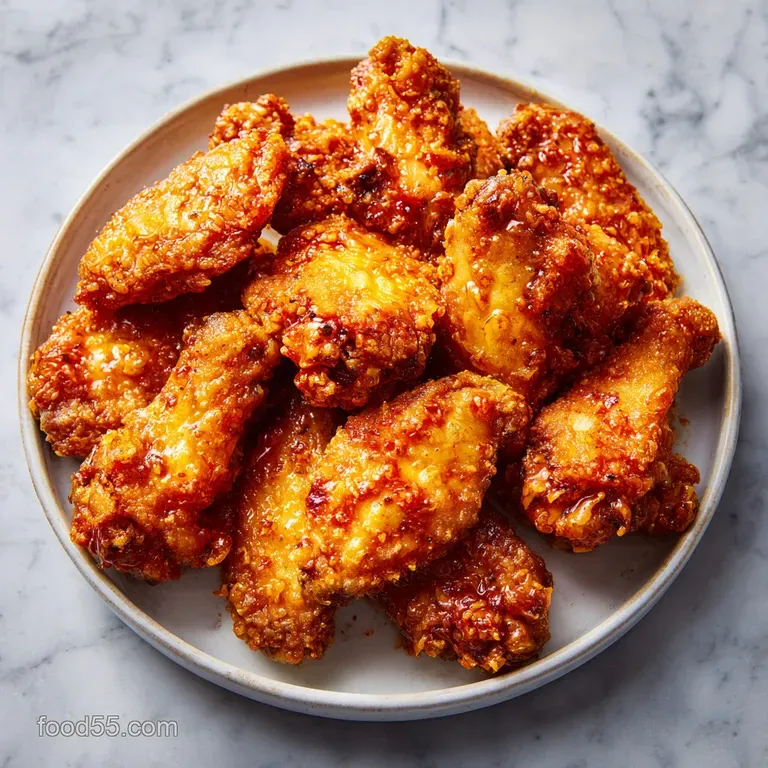
Troubleshooting Common Issues
| Issue | Solution |
|---|---|
| Why Your Breading Falls Off | This is the most frustrating part of frying at home. Usually, it happens because the chicken was too wet or the oil wasn't hot enough. When the oil is too cool, the breading soaks up fat instead of se |
| Why the Chicken is Dry | Chicken breast has very little fat, so it relies entirely on the buttermilk soak for moisture. If you skip the soak or cook it for even two minutes too long, the proteins tighten up and squeeze out al |
| Why the Coating is Soft | If your wings come out looking golden but feel soft, your oil temperature was likely too low. The oil needs to be a steady 350°F. If you don't have a thermometer, dip the end of a wooden spoon in; if |
Adjusting the Recipe for Any Crowd
When you need to feed a larger group, scaling up is relatively simple, but you have to be careful with the spices. If you double the recipe to 4 lbs of chicken, don't just double the cayenne and salt, or it might become overwhelming. Use about 1.5x the spices and then taste the flour mixture.
You can always add more, but you can't take it out.
For a smaller solo dinner, you can easily halve the recipe. Use a smaller pot for frying to save on oil. If you find yourself with half an egg or odd measurements, just beat the liquid components together and use what looks right frying is more of an art than baking.
| Servings | Chicken Amount | Oil Volume | Pot Size |
|---|---|---|---|
| 2 People | 1 lb | 3 cups | 2 quart saucepan |
| 4 People | 2 lbs | 6 cups | 5 quart Dutch oven |
| 8 People | 4 lbs | 10 cups | Large stockpot (fry in 4 batches) |
If you're making a big spread for a party, these wings are the star, but they need a supporting cast. For a different flavor profile that still hits those savory notes, consider serving these alongside my Grilled Chicken Gyros recipe.
Debunking Common Frying Misconceptions
One big myth is that you need a deep fryer to get "real" wings. That's just not true. A heavy cast iron skillet or Dutch oven actually provides better heat retention than many cheap home deep fryers.
The thick walls of the pot act as a thermal battery, keeping your oil at the right temperature even when you drop in the cold chicken.
Another misconception is that the sauce needs to be boiling when you toss the wings. Actually, if the sauce is too hot, it will break down the starch in the breading faster, leading to a soggy wing. You want the sauce to be warm and emulsified smooth and shiny but not bubbling.
This ensures it coats the wing like a blanket rather than soaking into it like a sponge.
Safe Storage and Reducing Kitchen Waste
Storage Guidelines: Keep any leftover wings in an airtight container in the fridge for up to 3 days. To reheat, avoid the microwave at all costs! It will turn the crust into rubber. Instead, pop them into a 375°F oven or an air fryer for 5 minutes.
This will reactivate the fat in the crust and bring back that sizzle and crunch.
Freezing: You can freeze the breaded (but uncooked) chicken chunks on a tray, then transfer them to a bag. They will keep for 2 months. Fry them directly from frozen, adding 2-3 minutes to the total cook time.
Zero Waste Tips: Don't toss out the leftover seasoned flour! If you have a little buttermilk and flour left, you can slice up an onion, dip the rings in the buttermilk then the flour, and make some quick crispy onion strings.
Also, the fat left over from frying, once cooled and strained through a coffee filter, can be reused one more time for frying or to add a savory punch to roasted potatoes.
Perfect Sides and Flavor Pairings
When serving these wings, you need something to cut through the richness of the fried coating and the heat of the Buffalo sauce. Crisp celery and carrot sticks are the classic choice for a reason they provide a watery, cool crunch that resets your palate.
For a full meal, I love serving these with a cold pasta salad or a big wedge salad with extra blue cheese dressing. The creaminess of the dressing is the perfect foil for the spicy glaze.
If you want a more substantial side, a tray of loaded fries or even a simple slaw with a vinegar based dressing works wonders to keep the meal feeling balanced and bright.
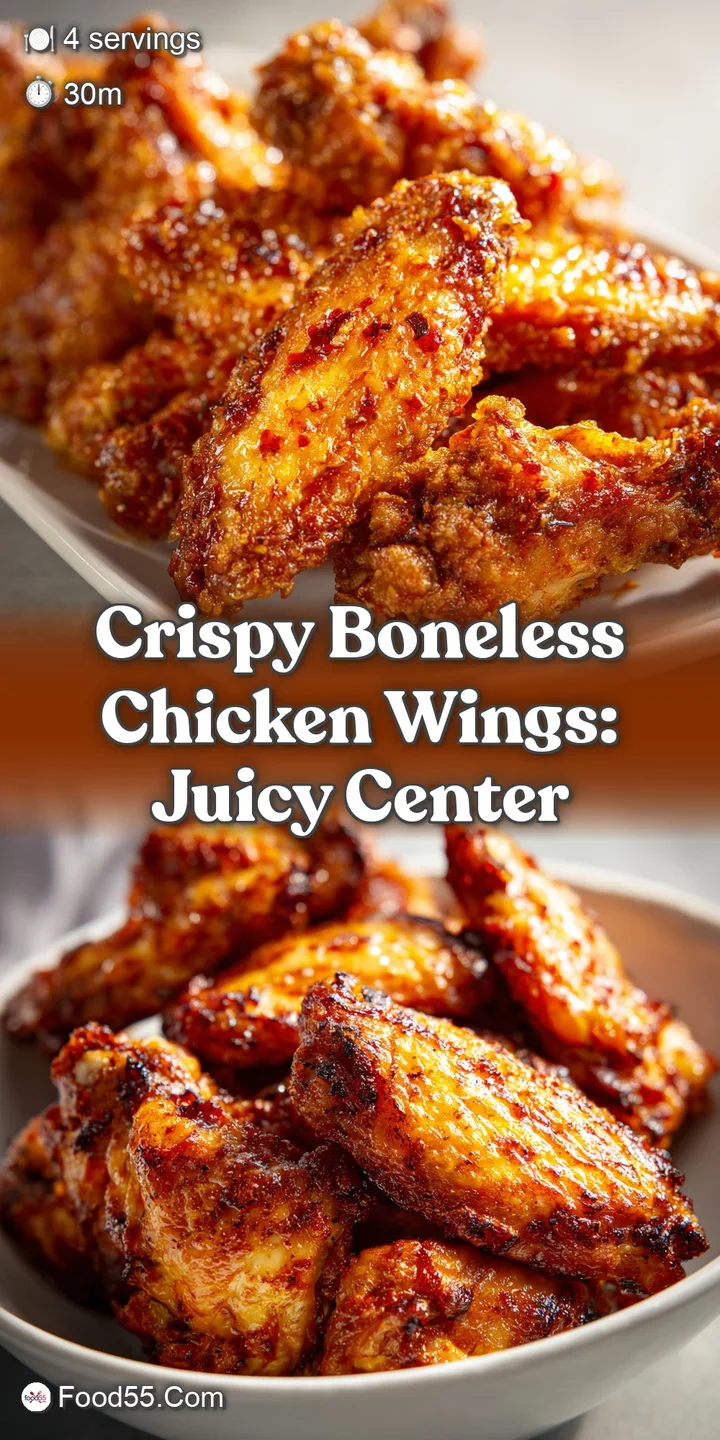
Critical High in Sodium
1645 mg mg of sodium per serving (72% of daily value)
The American Heart Association recommends limiting sodium intake to about 2,300mg per day.
Tips to Reduce Sodium in this Chicken Recipe
-
Reduce Added Salt-25%
This recipe contains salt in the chicken coating. By reducing the salt in the coating by half, you can significantly decrease the sodium content. Try using 1/2 tsp of salt instead of 1 tsp.
-
Control Hot Sauce-20%
Hot sauce can be a significant source of sodium. Use a low-sodium hot sauce option for both the chicken marinade and the sauce, or simply reduce the amount used. Start with half the amount (1/4 cup) and adjust to taste.
-
Unsalted Butter Only-10%
Continue using unsalted butter as the recipe directs. This helps avoid adding more sodium than is necessary. Ensure no salted butter is used.
-
Rinse Chicken-5%
Rinsing the chicken breasts before preparation can help remove any excess sodium that may be present from processing. Pat dry thoroughly after rinsing.
-
Spice It Up!
Experiment with sodium free herbs and spices to enhance flavor without adding sodium. Consider adding more garlic powder, onion powder, paprika, or cayenne pepper.
Recipe FAQs
What is the trick to getting crispy wings?
Using a starch hybrid coating. The trick is mixing all-purpose flour with cornstarch; the starch inhibits gluten development, resulting in a brittle, shatter like crust instead of a chewy one.
What's the secret to good boneless wings?
Resting the dredged chicken before frying. After coating, let the chicken sit for about 10 minutes; this allows the coating to hydrate and bond tightly to the meat, preventing it from falling off during the fry.
Is cornstarch or baking powder better for crispy wings?
Cornstarch is superior for crispness. Baking powder mainly works as a leavening agent, creating puffiness, but cornstarch yields a harder, glassier, and ultimately crispier exterior when fried.
What is the secret ingredient for crispy chicken wings?
Buttermilk is the essential flavor and texture secret. The mild lactic acid tenderizes the chicken breast significantly while the thickness helps the dry coating adhere perfectly.
How do I keep the wings crispy after saucing them?
Toss immediately before serving with warm, emulsified sauce. The sauce should be warm but not boiling hot, ensuring it lightly coats the crust rather than aggressively soaking into it. This technique is similar to the glaze application in the Mongolian Chicken recipe.
What oil temperature prevents soggy boneless wings?
Maintain a steady 350°F during frying. If the oil is too cool, the coating absorbs excessive fat before it sets, causing sogginess; use a heavy bottomed pot for consistent heat retention.
Can I use a substitute for the buttermilk soak?
Yes, you can create a functional substitute easily. Mix one cup of whole milk with one tablespoon of lemon juice and let it sit for five minutes; this mimics the acidity needed to tenderize the protein.
Crispy Boneless Wings
Ingredients:
Instructions:
Nutrition Facts:
| Calories | 748 kcal |
|---|---|
| Protein | 71.6 g |
| Fat | 31.4 g |
| Carbs | 44.2 g |
| Fiber | 2.1 g |
| Sugar | 6.3 g |
| Sodium | 1645 mg |
