Fried Frog Legs: Crispy Garlic-Buttered Southern Delight
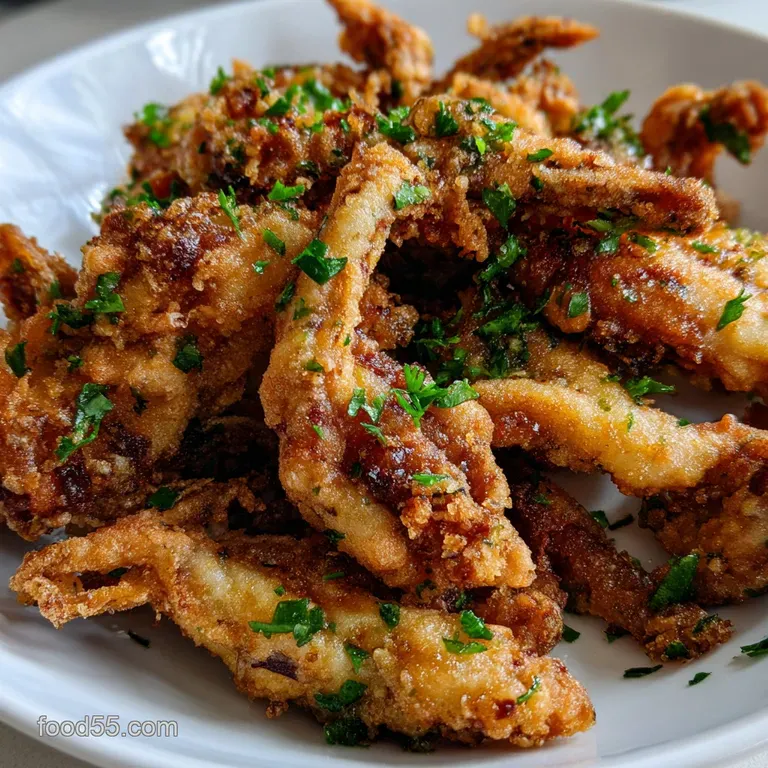
Diving into the Southern Classic: Crispy Frog Legs
You know that sound, right? That distinct, glorious shatter of perfectly cooked, aggressively seasoned crust as you bite into something juicy and hot? That’s what we are chasing today, friend, and trust me, it’s found in the most unexpected place: a batch of perfectly prepared Fried Frog Legs .
Forget everything you thought you knew about this ingredient; when done right, the aroma alone a mix of garlic, cayenne, and hot, nutty oil is enough to make you drool uncontrollably.
I know, I know. They sound fancy or intimidating, but honestly, making the best Southern Fried Frog Legs at home is cheaper and faster than ordering takeout. This dish is a lifesaver when you want maximum flavour impact with minimal effort, especially once you master the dredging process.
It takes humble ingredients and turns them into a surprisingly elegant, protein packed meal.
So pull up a chair and grab your tongs. We are ditching the deep fried mediocrity often found in roadside diners and unlocking the secret to truly tender, outrageously crispy frog meat. This Crispy Frog Legs Recipe is about to become your new favorite secret weapon for impressing everyone.
The Unmistakable Flavor Profile of Frog Legs
People always ask, "What do frog legs actually taste like?" The honest answer is delicious. The flavour profile is incredibly mild, leaning heavily towards that clean, delicate taste of white fish, but with the texture and firmness of a perfectly cooked poultry drumstick.
They are tender and juicy, readily absorbing the powerful flavors we introduce through the buttermilk soak and the robust seasoning mix.
A Brief History of Southern Frog Leg Cooking
Frog legs aren't just a French delicacy; they are deeply ingrained in Southern American and Cajun recipes, especially those near marshlands and bayous. Historically, they were a sustainable and readily available protein source.
Folks down South perfected the technique of deep frying them quickly in pork fat or oil, often serving them with a fiery dipping sauce or alongside grits. This Deep Fried Frog Legs Recipe honors that tradition by focusing on a thick, well seasoned crust.
What Makes This Garlic Buttered Recipe Stand Out?
The secret sauce here (literally) is the two-step flavour process. First, we use a buttermilk soak fortified with hot sauce, which tenderises the delicate meat beautifully and ensures the coating sticks.
Second, while most recipes stop once they are fried, we finish the Fried Frog Legs with a generous, hot drizzle of garlic infused butter and fresh parsley. This infusion adds a layer of richness and pungent aromatics that simply takes the whole dish to another level.
Sourcing Your Delicacy: Ingredients Checklist and Prep Notes
Getting the ingredients right is half the battle, especially when you are making Frog Legs Food for the first time. Don't worry, you don't need to head out to a swamp; they are available at most specialty grocers or online.
Selecting the Best Frog Legs (Fresh vs. Frozen)
Most people will buy frozen frog legs, and that is absolutely fine in fact, it's often preferred for quality consistency. If buying frozen, ensure they are fully thawed in the refrigerator overnight before starting the soak.
If you manage to find fresh ones, look for plump, pale pink meat that looks clean and firm.
| Ingredient | Substitute (If You Must) | Why It Works |
|---|---|---|
| Buttermilk | Whole Milk + Vinegar/Lemon Juice | Essential for creating a slightly acidic, sticky surface for the coating. |
| Cornstarch | Potato Starch or Rice Flour | Provides that signature "shatter" crispness when deep fried. |
| Peanut Oil | Canola, Vegetable, or Sunflower Oil | High smoke point and neutral flavour are key for frying. |
| Smoked Paprika | Regular Paprika + A tiny pinch of liquid smoke | Provides depth and a BBQ-like complexity to the breading. |
Why Buttermilk is Non-Negotiable for Tenderization
Buttermilk is your friend here. Its natural acidity subtly breaks down the tough proteins in the frog meat, leading to a more tender final product. More importantly, it creates a slightly thick, tacky surface.
When you pull those legs out, they are ready to grab onto the flour, ensuring you get a thick, satisfying crust on your Southern Fried Frog Legs.
Essential Seasonings for the Double Dredging Mix
Do not be shy with the spices. We are making a highly seasoned, Breaded Frog Legs Recipe , and bland flour equals boring food. We use a mix of smoked paprika, garlic powder, onion powder, and cayenne.
This combo creates that classic savory, slightly smoky, and gently spicy flavor profile that pairs so perfectly with the garlic butter later.
The Recipe Walkthrough: Frying Frog Legs to Perfection
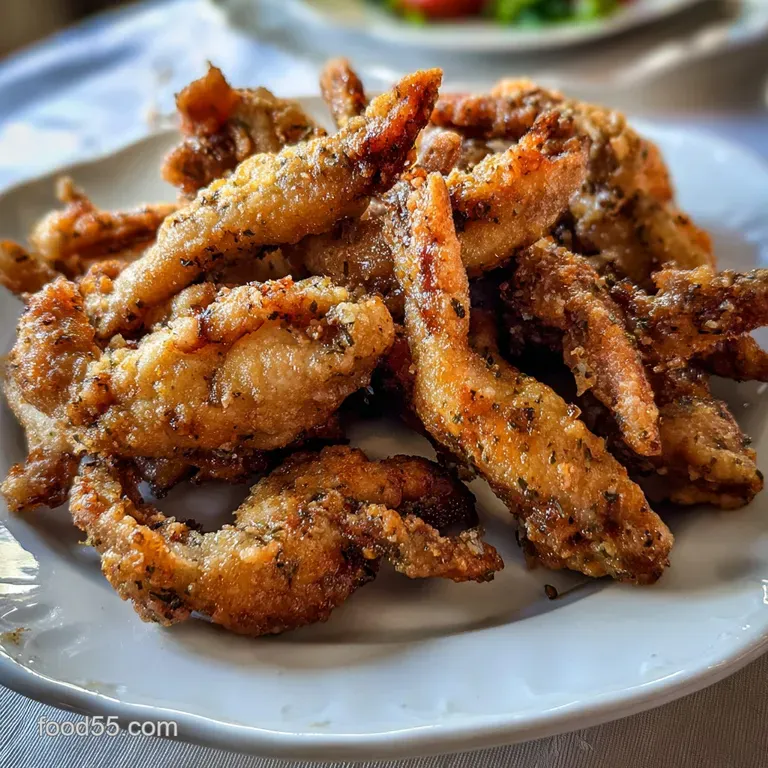
Getting that restaurant quality crunch relies heavily on timing and temperature. If you follow these steps closely, you’ll be serving up fantastic Fried Frog Legs in no time.
Prepping the Legs and Setting Up the Soaking Bath
First, ensure your frog legs are completely thawed and patted dry (this helps the buttermilk cling better). Whisk together your buttermilk, a splash of hot sauce, and salt in a bowl. Submerge those legs entirely, cover the bowl, and send them to the fridge.
I recommend soaking them for at least an hour, but if you can manage four, the flavour infusion will be incredible.
Mastering the Double Dredge Technique
After soaking, lift the legs out of the buttermilk don't rinse them! Put your combined flour and spice mix into a large bag or a wide, shallow dish. Drop the wet legs in and shake, toss, and press until every curve and cranny is coated.
This is critical: lay the coated legs out on a rack and let them rest for 15 minutes. This rest period is absolutely essential for locking the coating onto the meat, ensuring you get truly crispy results when making this Crispy Frog Legs Recipe.
Chef's Note: If you skip the rest, the coating is likely to bubble and flake off when it hits the oil, leaving you with patchy, uneven crusts. Patience is a virtue in frying!
Achieving the Ideal Frying Temperature and Cook Time
This is where your thermometer earns its keep. Heat your oil to a stable 350°F (175° C) . Too cold, and the legs will soak up oil and be greasy. Too hot, and the coating burns before the meat is cooked through. Fry in small batches (4 5 pieces max).
You should hear a vigorous, immediate sizzle when the legs hit the oil. Cook each batch for about 8– 10 minutes total, turning them gently halfway until they are deep golden brown and the coating is shatteringly crisp.
The Hot Garlic Butter Finishing Drizzle
While the final batch is draining, melt the butter slowly. Add your finely minced fresh garlic and let it soften and release its nutty, pungent aroma but whatever you do, do not let it burn! Stir in the fresh parsley and a squeeze of fresh lemon juice at the very end.
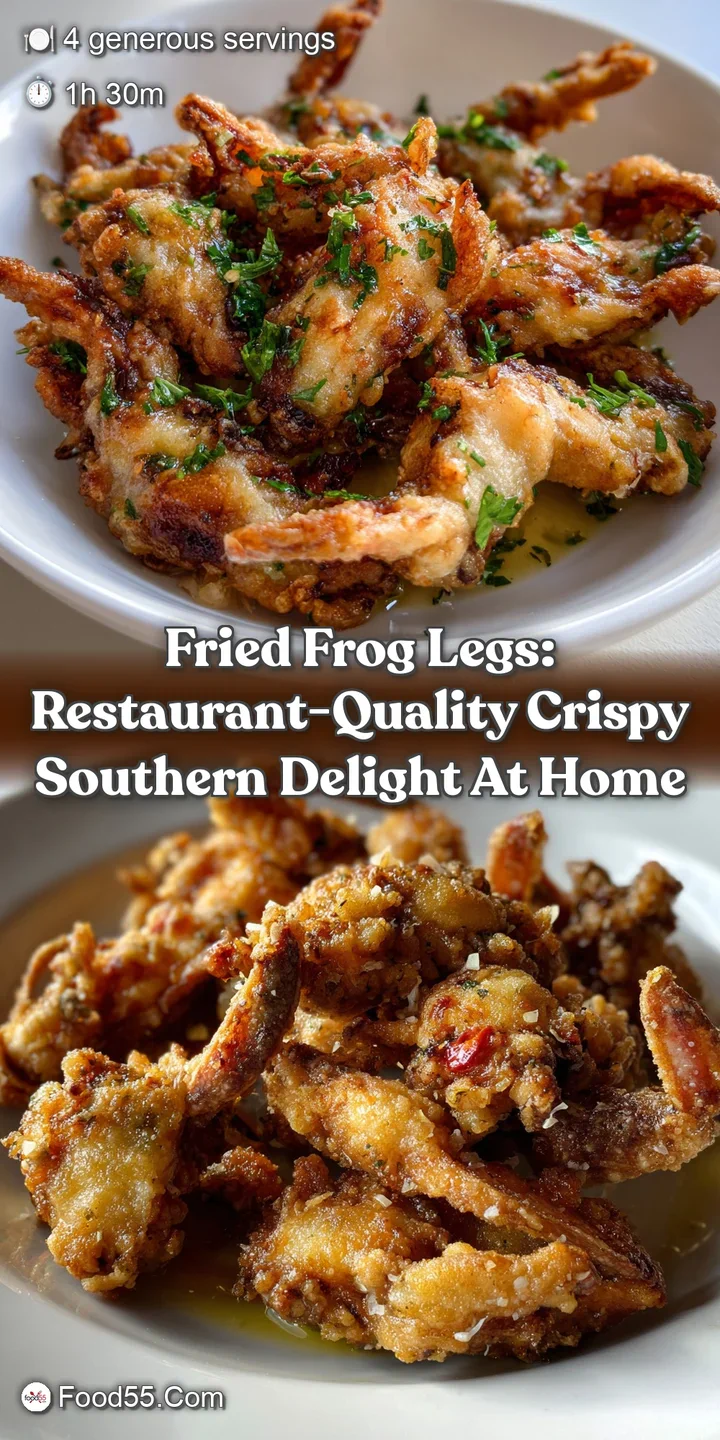
Arrange the piping hot, deeply golden Deep Fried Frog Legs Recipe pieces on a platter and spoon that hot garlic butter right over the top. The sizzle and fragrance are unbelievable.
Pro Chef's Secrets and Troubleshooting Your Fry
I've burned my fair share of coatings and ended up with greasy results trying to figure out How To Cook Frog Legs just right. Here are the hard won lessons.
Ensuring Maximum Crispness: Moisture Control Before Frying
A key step often overlooked is the draining of the oil once they are done. Never place freshly Fried Frog Legs onto paper towels ; they steam themselves and immediately go soggy. Always place them on a wire rack set over a tray.
This allows air circulation underneath, keeping that crust sharp and crispy.
Do Not Crowd the Pot: Maintaining Oil Temperature Consistency
Crowding the pot is the number one mistake in frying, and it ruins the potential of any Frog Leg Recipes. When too many cold items hit the oil, the temperature plummets dramatically, resulting in slow cooking and excess oil absorption. Stick to 4 5 pieces at a time.
It’s faster to do five quick, perfect batches than one slow, soggy disaster.
Quick Fixes for Soggy or Tough Results
If your result is tough, you likely overcooked the meat or fried at too high a temperature. The meat cooks quickly! If the coating is soggy, the oil was likely too cool, or you didn't let the breading rest and set. Remember that 350°F rule. If you need a side dish that perfectly complements the garlic flavor, try making my Restaurant Style Chicken Fried Rice Get the Wok Hei Flavor at Home .
Making the Most of Your Feast: Storage and Pairings
This Crispy Frog Legs Recipe is definitely best eaten immediately, but life happens. Here is how to handle the leftovers.
Storing Leftover Crispy Frog Legs (Best Methods)
Cooked Fried Frog Legs can be stored in an airtight container in the refrigerator for up to 3 days. If you plan to store them, skip the garlic butter drizzle until you are ready to reheat and serve. For longer storage, you can freeze them for up to 2 months.
Make sure they are cooled completely, then flash freeze them on a sheet tray before bagging them.
Reheating Frog Legs Without Losing the Crunch
You can't just microwave these, darling. To revive the crunch, preheat your oven to 400°F (200°C) or, even better, use an air fryer. Place the legs on a rack and heat for 6- 10 minutes, checking often until they are hot and the crust is firm again.
Then, you can apply your fresh, hot garlic butter. This ensures your Deep Fried Frog Legs Recipe stays spectacular.
Pairing Sides and Beverages with This Southern Dish
Since we’ve got that Cajun Recipes vibe going on with the heat and paprika, you need sides that offer some balance. A simple, creamy coleslaw or some fluffy biscuits is perfect. If you want another great crispy fried side, you absolutely must try my recipe for Fried Green Tomatoes with Remoulade Sauce: Ultra Crispy Southern Recipe . For drinks, a strong iced tea or a light, crisp lager is ideal for cutting through the richness of the oil and the final garlic butter. Enjoy these fantastic, flavorful Frog Leg Recipes!
Recipe FAQs
Why are my fried frog legs chewy or dry?
Chewiness usually results from overcooking, as frog legs are very lean and small, requiring only a short time in the oil. Ensure your oil temperature is steady at 350°F (175°C) and fry them for no more than 3-4 minutes until they are perfectly golden brown.
A proper buttermilk soak also helps maintain tenderness by breaking down some muscle fibers.
Can I skip the buttermilk soak, and what is its purpose?
While you technically can skip it, the buttermilk soak is highly recommended as it acts as a mild acidic brine that tenderizes the meat and helps the flour coating adhere perfectly.
If buttermilk is unavailable, use regular milk mixed with a tablespoon of vinegar or lemon juice, ensuring the legs soak for at least one hour.
What is the secret to maximum crispiness?
The key to superior crispiness is a combination of two steps: using cornstarch in your flour mixture and employing a double dredge technique. After the first coating, let the legs rest for five minutes to allow the moisture to hydrate the flour, then re-dredge immediately before frying.
What is the ideal oil temperature for deep frying frog legs?
The optimal temperature for achieving a crispy coating and a fully cooked interior is 350°F (175°C). If the oil is too cold, the coating will become greasy and heavy, while oil that is too hot will burn the crust before the meat inside is cooked through.
How should I store and reheat leftover fried frog legs?
Store cooled leftovers in an airtight container in the refrigerator for up to three days, keeping the garlic butter separate. To revive the crispy texture, reheat the frog legs in an oven or air fryer preheated to 375°F (190°C) for five to seven minutes. Avoid the microwave, which will make the coating soggy.
Where can I source high-quality frog legs, and should I use fresh or frozen?
Most quality frog legs are sold frozen and pre-cleaned, typically sourced from reputable specialty fishmongers or large international grocers. Always ensure they are fully thawed in the refrigerator overnight before beginning the soaking process. Look for meaty pairs of legs that are pale pink to white in color.
Can I bake or air-fry the frog legs instead of deep frying?
Yes, for a slightly healthier alternative, you can certainly bake or air-fry them, though the crispness will differ from traditional deep frying. Spray the breaded legs generously with cooking oil and bake at 425°F (220°C) for 15 minutes, or air-fry at 400°F (200°C) for 10 12 minutes, flipping halfway through.
Crispy Fried Frog Legs Recipe
Ingredients:
Instructions:
Nutrition Facts:
| Calories | 500 kcal |
|---|---|
| Fat | 33 g |
| Fiber | 2 g |
