Rice and Noodles: the Dragons Embrace Skillet Recipe
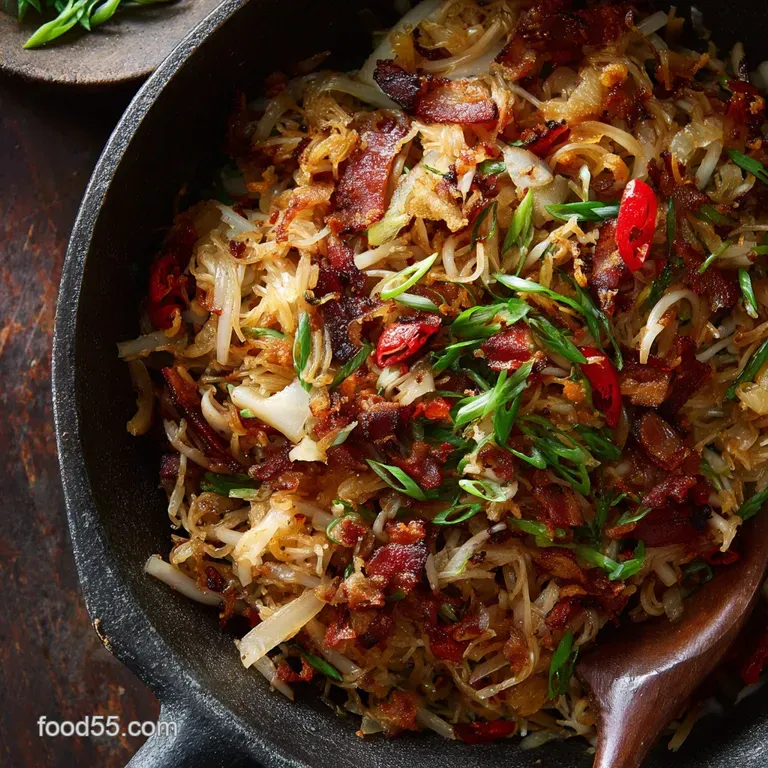
- Embracing Contrast: Introducing The Dragon's Embrace Skillet
- Culinary Science: Why These Textures Are Magical
- Preparing Your Pantry: Essential Ingredients and Swaps
- The Technique: Mastering the Rice and Noodles Skillet
- Expert Tips: Troubleshooting Your Skillet
- Preservation Guide: Storing Your Embrace Skillet
- Elevating the Meal: Serving and Pairing Suggestions
- Recipe FAQs
- 📝 Recipe Card
Embracing Contrast: Introducing The Dragon's Embrace Skillet
There is nothing quite like the smell of high heat hitting soy sauce, garlic, and cold rice, producing that deep, caramelised aroma we all crave. When I tell you that this single dish combines the chewy satisfaction of wide, slippery noodles with the crunchy, golden clusters of fried rice, you might think I’ve lost my mind, but trust me, this combination of rice and noodles is a textural revelation.
It is an absolute symphony.
Life is hectic, and let’s be real, sometimes dinner needs to be cheap, comforting, and ridiculously fast. This glorious skillet is my go-to for exactly those nights, turning day-old fridge scraps (hello, leftover rice!) into something truly spectacular.
We are ditching the compromise between fried rice and lo mein, embracing both at once, resulting in the most amazing rice and noodles combination you will ever attempt at home.
I spent years trying to figure out how to get that true "wok hei" flavour in my home kitchen, and this method combining high heat, precise timing, and the magical interplay of the two great carbs finally cracked the code. Ready to tackle The Dragon’s Embrace Skillet?
Let’s crack on and master this ultimate rice and noodles recipe.
When Sticky Rice Meets Slippery Noodles
The real genius of this dish is the balance we strike between the different types of starch. We are not aiming for uniformity; we are actively seeking contrast. You want the deep, dark colour and chewiness of wide rice noodles right next to the shattering crispness of the fried rice crust.
Decoding the Umami Base of the Skillet
The secret to why this rice and noodles recipe tastes so incredibly complex despite its simplicity lies in the Umami Troika: oyster sauce, dark soy, and toasted aromatics.
Oyster sauce provides that essential deep, almost molasses like richness, while dark soy sauce brings the signature deep brown colour without adding overwhelming saltiness. Every single ingredient here plays a role in creating layers of flavour, transforming simple carbs into a flavourful rice and noodle combination.
What Makes This Rice and Noodles Dish Unique?
Most stir fry dishes treat rice and noodles separately, but blending them gives you the best of both worlds the speed and slickness of a noodle dish with the deep, savoury crusting of the best fried rice.
Getting that magical rice and noodle texture depends entirely on respecting the difference between the two starches, cooking the rice first to set the crisp, and then introducing the pre-soaked noodles.
The resulting texture truly elevates this rice and noodles dish far beyond the standard takeaway experience.
Culinary Science: Why These Textures Are Magical
The beauty of this technique lies in controlled application of heat and moisture. When we press cold, day-old rice into the hot, oiled wok, we engage the Maillard reaction, caramelising the starches and driving out the remaining moisture, which is how we get the desirable crispy crust.
Simultaneously, the pre-soaked wide rice noodles are designed to absorb the sauce quickly without breaking, giving them a sleek, satisfying chew. The contrast between the crunchy, nutty rice and the soft, slippery noodles is what makes this particular approach to preparing rice and noodles so addictive.
Preparing Your Pantry: Essential Ingredients and Swaps
Preparation, or mise en place , is not a suggestion here; it's mandatory. Once the wok is hot, you move fast, which is essential for successful Asian rice and noodle stir fry. Everything needs to be sliced, soaked, and sauced before you turn on the burner.
Achieving the Crispy Crust (Maillard Reaction on Rice)
The foundation of the Dragon's Embrace is the day-old rice. If you use fresh rice, it will release too much steam, the pan temperature will drop, and you will end up with a sticky, gluey mess instead of beautiful crispy clusters.
If you don't have day-old rice, cook some and immediately spread it thinly on a sheet tray to cool completely in the fridge for at least an hour.
The Perfect Al Dente Noodle Bite
We use wide rice noodles here the kind you see in Pad See Ew. They are thick and robust, which helps them stand up to the vigorous tossing required to mix the rice and noodles . Soaking is the key; never boil them fully!
They should still feel a little firm when you drain them because they will finish softening in the hot sauce.
Balancing Fat, Salt, and Heat for Maximum Umami
The pork is thinly sliced and marinated briefly with cornstarch, which is my number one secret for tenderising cheap cuts of meat. The starch coating protects the protein from the high heat, ensuring it stays juicy and tender, which is exactly what you want when combining it with complex textures of the rice and noodles .
Selecting the Best Rice Variety for Frying
Jasmine rice is ideal for this one pan rice and noodles dish because it holds its shape well and dries out nicely overnight. Basmati or other long grain varieties also work, but avoid sticky rice or short grain sushi rice they simply contain too much amylopectin and will clump instead of crisping.
Noodle Types: Chow Fun vs. Vermicelli Options
I prefer the wide, thick rice noodles (Chow Fun or Pad See Ew style) for their satisfying chew. They truly complement the crispness of the rice. If you absolutely can't find them, flat vermicelli rice noodles are a fine substitute, but you may need to reduce their soaking time to prevent them from breaking apart when tossed with the heavy sauce and crispy rice.
The Umami Troika: Soy, Garlic, and Aromatics
The sauce is quick and easy, relying heavily on oyster sauce for depth. If you are cooking vegetarian or vegan, swap that for mushroom oyster sauce it provides the same depth and richness required for this deeply flavourful rice and noodle symphony . Remember, the dark soy is for colour!
Don't skip it, or the final dish will look anaemic.
| Ingredient | My Recommended Swap | Why? |
|---|---|---|
| Wide Rice Noodles | Fettuccine or Linguine | Needs to be wide and sturdy to handle the toss. |
| Oyster Sauce | Hoisin Sauce (Reduce sugar) | Adds similar complex sweetness and richness. |
| Pork Tenderloin | Firm Tofu or Prawns | Cooks fast, maintains texture, complements the sauce. |
| Chinese Broccoli (Gai Lan) | Regular Broccoli Florets or Savoy Cabbage | Needs a hearty green that won't wilt immediately. |
The Technique: Mastering the Rice and Noodles Skillet
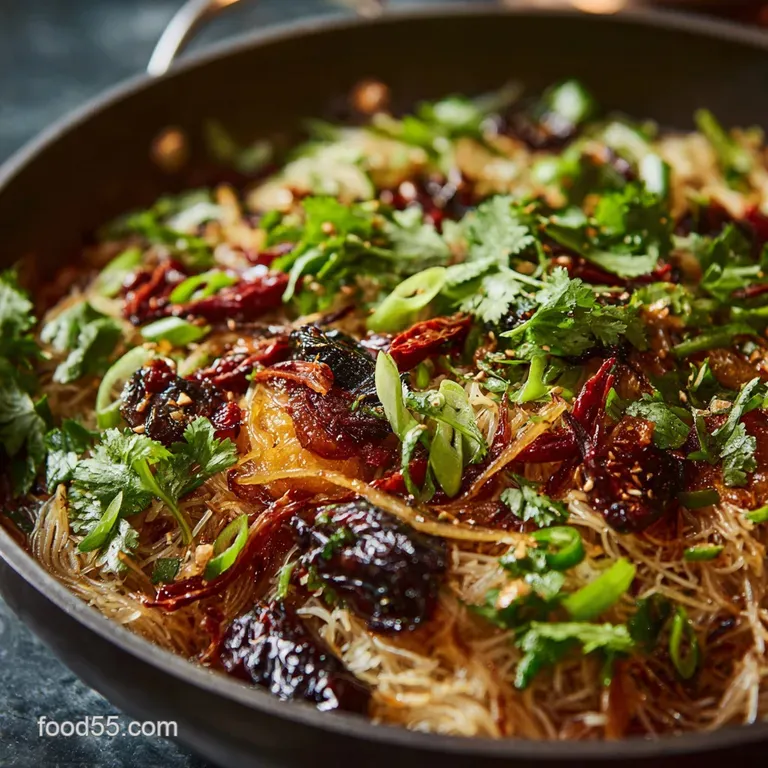
This easy rice and noodles recipe requires commitment and confidence. Don't be timid with the heat!
Phase 1: Building the Flavor Foundation and Aromatics
Start by marinating your pork don't skip the cornstarch; it's non-negotiable for a silky texture. While the pork rests, whisk up your sauce and get your noodles soaking in very hot tap water.
Hot tap water is crucial ; boiling water will destroy them before they hit the wok, and cold water won't activate them fast enough.
Achieving the 'Wok Hey' Effect in a Home Skillet
High heat is everything. If you don’t have a carbon steel wok, use the biggest, heaviest skillet you own and crank the heat to high. Add the oil until it’s shimmering, then sear the pork quickly and get it out. The skillet should be screaming hot when the cold rice goes in.
This instant temperature drop is what helps you create the crunchy, desirable texture for our rice and noodles .
Chef's Note: When you add the rice (Step 6), spread it out and immediately press down with your spatula. You should hear a continuous, aggressive sizzle. If you don't hear that sound, your heat is too low, and you're steaming the rice instead of frying it.
Integrating the Chewy and Crispy Elements
Once the bottom of the rice has formed a golden brown crust, you can scrape it up slightly, forming crispy clusters. Now you’ll make a well, add your final bit of oil, and quickly cook the eggs, garlic, and ginger until everything smells nutty and irresistible.
This quick addition ensures the Thai rice and noodles aromatics don't burn while the rice is crisping.
The Final Toss: When to Incorporate the Noodles
The moment your pre-soaked, dark soy-tossed noodles hit the pan, you need to work quickly. Add the veggies and the entire sauce mixture right over the top. Toss vigorously, using a scooping motion.
You are trying to coat everything while ensuring that the sauce evaporates quickly, caramelising slightly on the crisp rice and soaking into the wide noodles. This final stage only takes 2– 3 minutes.
Expert Tips: Troubleshooting Your Skillet
Preventing Sticky Noodles and Clumpy Rice
The number one mistake people make when cooking this particular rice and noodles dish is using fresh, warm rice. If your rice is clumpy, you didn't chill it long enough, or you used too large a quantity for your pan size.
If your noodles are sticking together, you either over soaked them or you failed to toss them with that initial tablespoon of dark soy sauce after draining them. That tiny layer of fat and pigment prevents stickiness.
Adjusting Heat for Optimal Crisping
Your stove heat will drop dramatically when you add the cold rice. If you have a powerful gas burner, you can leave it on medium high; if you are using an electric stove, you might need to leave it on high to maintain that intense sizzle.
If you start to see white smoke that smells slightly burned, pull the pan off the heat for 10 seconds before continuing.
Prepping Ahead: Time Saving Ingredient Hacks
You can easily slice and marinate the pork up to 12 hours ahead of time. The sauce mixture can also be whisked together and held in the fridge. This advanced preparation means that once you get home, this delightful rice and noodles dinner is truly a 20 minute endeavor.
Preservation Guide: Storing Your Embrace Skillet
Best Methods for Refrigerating Leftovers
Leftover rice and noodles are fantastic, provided you store them correctly. Transfer the cooled leftovers immediately to an airtight container. It will keep safely in the refrigerator for up to 3 days. Past that, the texture of the rice can start to degrade, losing its pleasant crispness.
Reheating Techniques to Maintain Crispness
Do NOT microwave this dish unless you enjoy mush. The best way to reheat is on the stovetop. Heat a tiny bit of neutral oil in your skillet over medium high heat, add the leftovers, and spread them thin.
Let them sit for 2– 3 minutes undisturbed until you hear that pleasant sizzling return, then toss once or twice quickly just to heat through. This method brings the magic back to the crispy rice clusters.
Note on Freezing Cooked Rice and Noodles
While rice freezes quite well, the texture of the wide rice noodles tends to become brittle and grainy once thawed. On top of that,, the sauce loses its vibrant caramelisation after a deep freeze. I strongly advise against freezing this recipe. If you need a freezer meal, try my Ham and Potato Soup: The Ultimate Creamy Leftover Ham Recipe instead that one freezes like a dream!
Elevating the Meal: Serving and Pairing Suggestions
This deeply savoury, richly coloured, textural feast is quite heavy and filling on its own. For serving, I love adding something bright and acidic to cut through the richness of the dark soy and oyster sauce base.
A side of quick pickled shredded carrots or a simple, chilled cucumber salad dressed with rice vinegar and a sprinkle of chilli flakes works wonders. It provides that essential palate cleanser needed after diving into a massive helping of this deeply satisfying rice and noodle dish .
Sometimes, after such a robust and deeply savoury meal, you need something delicate and bright for dessert. If you’re looking for a finale that contrasts perfectly with the complex umami of our skillet, you might enjoy my rich and tart Silky chocolate and raspberry tart: The ultimate creamy, dark chocolate dessert. . It’s the perfect endcap to this intense, yet easy, experience of cooking the very best rice and noodles right at home. Enjoy!
Recipe FAQs
Why isn't my rice getting crispy, or why is it sticking too much?
Crispy rice requires high heat and patience; ensure the skillet is screaming hot before adding the cooked rice and spread it thinly across the surface. Resist stirring for the first 3-5 minutes to allow a crust (or 'socarrat') to form before you start tossing the dish.
If it’s sticking excessively, you might need to slightly increase the fat content, as this helps facilitate the desired searing rather than simple gluing.
My noodles are clumped and gummy after adding them to the skillet. What went wrong?
Clumping usually happens if the noodles were overcooked initially or if they were not rinsed thoroughly after boiling. Rinsing stops residual cooking and washes off the excess starch that causes fusion.
If the dish is already assembled, try adding a small splash of cooking wine or stock while tossing quickly over high heat to help loosen them gently.
Can I substitute the smoky pork with chicken or tofu, and will it affect the flavor profile?
Absolutely; this dish works well with substitutes, although you must maintain the bold seasoning to match the original profile. For chicken, cut it into small pieces and marinate it just as you would the pork to retain that deep flavor.
If using extra firm tofu, press it rigorously, cube it, and lightly pan-fry it separately until golden brown before incorporating it into the main skillet mix.
What is the secret to achieving the maximum "umami" flavor in this recipe?
Maximum umami comes from layering rich, savory ingredients and ensuring proper high heat searing. The key contributors here are the initial pork marinade, the dark soy and oyster sauce (or vegan alternative) used to coat the noodles, and the fond built up on the skillet floor.
For an extra boost, consider using quality mushroom powder or a touch of MSG in your sauce base.
How should I store and reheat leftovers to maintain the contrasting textures?
Store leftovers in an airtight container in the refrigerator for up to three days, though the crispy rice texture will naturally soften over time. To reheat, the microwave is convenient, but for the best results, toss the dish briefly in a wok or skillet over medium high heat.
Adding a tablespoon of water or broth during reheating helps remoisten the rice and prevents it from drying out.
Do the noodles need to be fully cooked before adding them to The Dragon's Embrace Skillet?
Yes, the noodles should always be cooked according to package directions until they are just past al dente before they are ready for the skillet. Since this is a very fast stir fry dish, the cooking process in the skillet only reheats the ingredients and coats them in sauce, it is not long enough to soften raw noodles.
Pre-cooking ensures a perfect chewy texture.
Can I make "The Dragon’s Embrace Skillet" vegetarian or vegan, and what substitutions are critical?
This dish is highly adaptable for a vegan preparation; simply replace the pork with marinated shiitake mushrooms, king oyster mushrooms, or seasoned tofu. The most critical flavor swap is replacing the oyster sauce with a vegetarian stir fry sauce or a rich mushroom based umami broth concentrate.
Ensure your stock is vegetable based when cooking the rice base.
Crispy Rice And Noodles Skillet
Ingredients:
Instructions:
Nutrition Facts:
| Calories | 615 calories |
|---|---|
| Fat | 20 g |
| Fiber | 3.5 g |
