Mini Cinnamon Rolls: the Perfect Pint-Sized Swirls with Cream Cheese Glaze
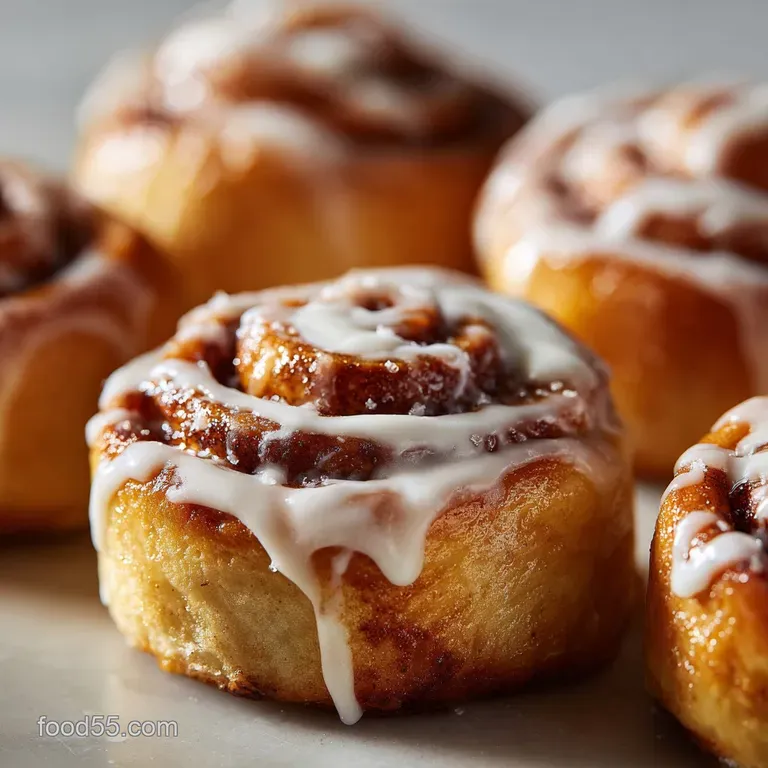
- Welcome to the World of Miniature Baking: Why Mini Cinnamon Rolls Rule
- Mastering the Swirl: The Science Behind the Perfect Mini Roll Texture
- Essential Ingredients for the Best Mini Cinnamon Rolls Dough and Glaze
- Step-by-Step Guide to Baking Miniature Cinnamon Swirls
- Professional Baker’s Secrets: Troubleshooting and Tips for Small-Batch Rolls
- Preparing Ahead: How to Store and Freeze Mini Cinnamon Rolls
- Presentation and Pairings: How to Serve Your Miniature Swirls
- Recipe FAQs
- 📝 Recipe Card
Welcome to the World of Miniature Baking: Why Mini Cinnamon Rolls Rule
You know that feeling when the smell of fresh cinnamon and buttery yeast hits you the second you walk through the door? That’s exactly what these tiny cinnamon rolls deliver. They are soft, plush, and ridiculously gooey in the center, a perfect little coil of pure comfort that melts right on your tongue.
Forget those dry, crumbly versions these Mini Cinnamon Rolls are cloud like perfection.
Honestly, I think I prefer these bite size cinnamon rolls over their massive, traditional counterparts. They bake in half the time, require far less commitment (less guilt!), and they are stunning when arranged on a brunch buffet platter.
These are the fast track ticket to feeling like a bakery hero without spending your entire Saturday morning kneading.
So, if you’re ready to ditch the dense bricks and embrace the pillowy goodness of a perfectly portioned treat, you’ve come to the right place. We're going step-by-step through the process, tackling the yeast fear, and ending up with the best pint sized cinnamon swirls you’ve ever tasted.
Let’s get baking!
Mastering the Swirl: The Science Behind the Perfect Mini Roll Texture
The Appeal of Pint Sized Portions for Buffets and Self Indulgence
The biggest win for baking tiny cinnamon rolls is the rapid bake time. Because the rolls are only about three quarters of an inch thick, they cook all the way through before the edges have a chance to dry out. This is how we guarantee a soft, fluffy texture from edge to glorious center.
Plus, they look so adorable who can resist a small serving of perfect sweetness?
Our Secret to Extra Soft Dough: Enriching the Yeasted Base
The secret weapon in this dough is adding melted butter and an egg, a technique known as "enriching." This fat content inhibits gluten development slightly, preventing a tough, chewy bread like texture.
If you want the ultra gooey, sticky, giant version, you might prefer my recipe for the [Cinnamon Rolls: The Ultimate Bakery Style Recipe with Cream Cheese Glaze], but for these miniature rolls, we need this specific balance of fat for ultimate tenderness.
What Sets These Swirls Apart from Bakery Giants?
It all comes down to the yeast-to-flour ratio and the shaping technique. We use just enough yeast to get a high, soft lift without developing a strong, yeasty flavor. Unlike many commercial rolls that rely on massive amounts of sugar to mask flaws, ours rely on pure, beautiful texture and spice.
Achieving the Perfect ‘Gooey’ Center Every Time
The key to that signature gooeyness is using soft, room temperature butter in the filling, not melted butter. If you use melted butter, the sugar will dissolve and run right out onto the pan, creating a hard, sugary crust instead of a sticky center.
We need that buttery paste to hold the brown sugar captive inside the swirl.
The Critical Role of Butter Temperature in Flavor Infusion
In the dough, we use melted butter, but it must be slightly cooled before mixing. If you add scorching hot butter to the dough, it can kill the delicate yeast and ruin your rise.
Conversely, the butter for the filling must be perfectly soft so it creams easily with the brown sugar, ensuring maximum spreadability without tearing the dough.
Why Using high-quality Cinnamon Matters for Intensity
Listen, standard baking cinnamon is fine, but for a roll where cinnamon is the star, splurge on something better. Look for Vietnamese (Saigon) or Ceylon cinnamon; they have a far more intense, warm flavor that stands up to the sweetness of the brown sugar and glaze.
Trust me, your tongue will know the difference.
Essential Ingredients for the Best Mini Cinnamon Rolls Dough and Glaze
Detailed Breakdown: Dough Essentials (Flour Type, Yeast, and Dairy)
I always recommend using standard all-purpose flour for these rolls; it provides enough structure for kneading but keeps the final product tender. For the yeast, active dry yeast is my standard, as it gives you that satisfying foamy bloom (a confirmation that it’s alive and ready to work).
Warm whole milk is essential because the fat content encourages a richer flavor and a softer crumb texture.
Elevating the Filling: Optimizing Brown Sugar and Spice Ratios
We use light brown sugar because the added molasses provides moisture and a deep, caramel flavor that pairs perfectly with the cinnamon. You need a generous amount of filling to ensure every single swirl is coated in spice.
Tangy Perfection: Notes on the Cream Cheese Glaze Components
The classic cream cheese glaze is non-negotiable for me. The slight tanginess from the cream cheese perfectly cuts through the richness and sweetness of the roll itself. Make sure your cream cheese and butter are very soft; this prevents lumps from forming when you mix in the confectioners' sugar.
Smart Swaps: dairy-free and Gluten Conscious Alternatives
If you are dealing with dietary restrictions, baking still works beautifully!
| Ingredient | Substitution/Alternative | Notes |
|---|---|---|
| Whole Milk | Oat Milk (Full Fat) or Soy Milk | Ensure it’s warmed correctly for yeast activation. |
| Butter | Vegan Butter Sticks (Brand dependent) | Stick brands usually yield better results than tub spreads. |
| Cream Cheese | Vegan Cream Cheese or Cashew Cream | Adjust liquid (milk/cream) content for desired thickness. |
| All-Purpose Flour | 1:1 gluten-free Baking Blend | Expect a slightly less elastic dough; be gentle when kneading. |
step-by-step Guide to Baking Miniature Cinnamon Swirls
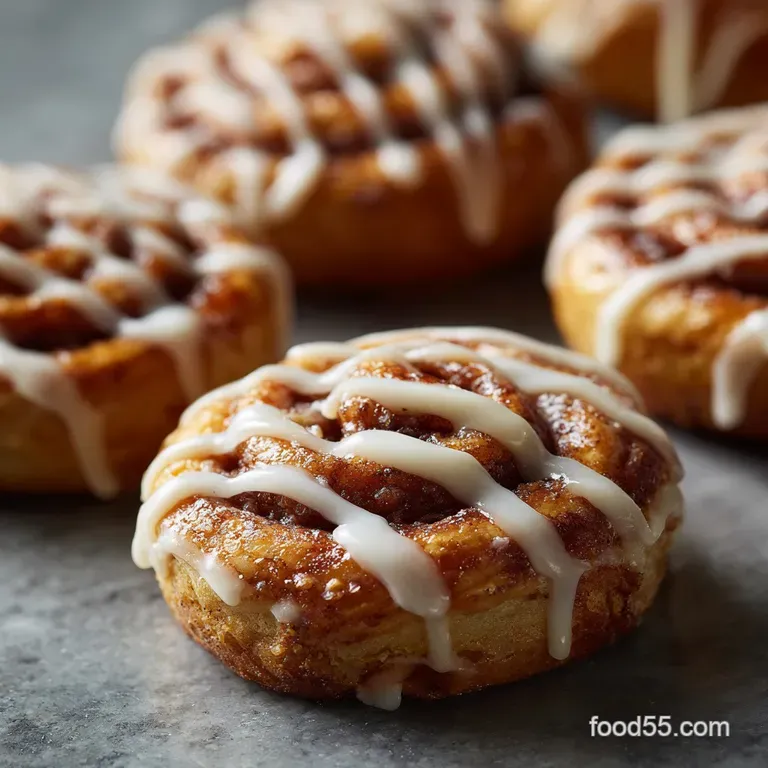
Proofing the Yeast and Developing the Rich Dough
First things first, check your yeast! Combine the warm milk (it should feel like a warm bath, 105 115°F is the sweet spot) with the sugar and yeast. If it doesn't foam and look frothy within ten minutes, your yeast is dead, and you need fresh yeast (sorry, darling, it happens!).
Once foamy, stir in the egg and the slightly cooled melted butter. Gradually incorporate the flour and salt until a shaggy mass forms, then knead for 6– 8 minutes until the dough is smooth and springs back when poked.
Good kneading is essential for soft rolls, much like when I make my favorite [Garlic Butter Bread Rolls: The Fluffiest, Bistro Quality Dinner Rolls].
Rolling Out and Spreading the Filling Evenly for Maximum Coverage
Once the dough has doubled in size (the first rise), gently punch it down it's surprisingly satisfying. Roll it out onto a lightly floured surface into a rectangle that is about 18 inches long and 12 inches wide. This thinness is crucial for getting those beautiful, tight, miniature coils.
Next, spread that glorious, creamy cinnamon filling evenly across the entire surface, leaving a one-inch border on the far long edge to seal the roll.
The String Trick: Cutting Uniform Mini Cinnamon Rolls Without Squashing
Now for the life changing hack. Start rolling the dough log tightly from the long edge opposite the border, and when you reach the end, pinch that seam firmly shut. To cut the log into uniform mini cinnamon roll bites without squashing them, ditch the knife and use plain, unflavored dental floss.
Slide a piece of floss under the log, cross the ends over the top where you want to cut, and pull quickly. This gives you beautiful, uncompressed rolls every single time. Cut them about three quarters of an inch thick.
The Second Proof, Resting Time, and Baking Timeline
Arrange your tiny rolls cut-side up in a buttered baking dish. They should be just touching or nearly touching, as they rely on each other for support during the rise. Cover them loosely and let them proof again for about 30 minutes until they look visibly puffier.
Bake at 375°F (190°C) for just 15 to 18 minutes. Watch them like a hawk, pulling them out immediately when the centers look set and the edges are lightly golden, not dark brown.
Chef's Note: If your kitchen is cold, turn your oven off, place a metal pan of boiling water on the bottom rack, and put the rolls on the middle rack. This steamy environment is a baker’s best friend for proofing yeast dough quickly!
Professional Baker’s Secrets: Troubleshooting and Tips for Small Batch Rolls
Why Your Dough Isn't Rising: The Yeast Activation Check
The most common mistake is milk temperature. If the milk is too cold, the yeast stays dormant. If it's too hot (above 125°F), you've cooked and killed the yeast. If your initial foamy bloom didn't happen, throw it out and start the liquid phase over.
Don't waste your flour on dead yeast; you'll end up with dense hockey pucks instead of fluffy Mini Cinnamon Rolls .
Preventing Rolls from Unraveling During Baking
Two things cause unraveling: either the log wasn't rolled tightly enough initially, or you didn't pinch the seam closed properly. Be aggressive when sealing the seam; really press it together. Also, ensuring the rolls are touching in the pan provides structural support during the heat expansion.
Achieving Golden Brown Without Drying Out the Edges
Since these are mini cinnamon rolls easy to overbake, use visual cues. If they start browning too quickly on top before the center is set, loosely tent the pan with aluminum foil for the last five minutes of baking. This prevents scorching while allowing the internal structure to finish cooking.
Can I Prepare the Rolls Overnight? (make-ahead Dough Instructions)
You bet! You have two great options. After the first knead (Stage 1, Step 6), place the dough in an oiled bowl and immediately transfer it to the refrigerator for a slow, cold rise (up to 12 hours). The cold slows down the yeast perfectly.
The next morning, pull the dough out, let it warm up for 30 minutes, and then proceed with rolling, filling, and the second proof.
Preparing Ahead: How to Store and Freeze Mini Cinnamon Rolls
Best Methods for Freezing Rolls (Baked vs. Unbaked Options)
I usually freeze these after baking for the easiest consumption, but both methods work!
- To Freeze Baked Rolls: Cool the baked rolls completely, but do not glaze them . Wrap them tightly in plastic wrap, then place them in a freezer safe bag or container. They last beautifully for up to 3 months.
- To Freeze Unbaked Rolls: After cutting the rolls (Stage 2, Step 12), arrange them on a parchment lined sheet pan and freeze until solid. Transfer the frozen rolls to a freezer bag. When ready to bake, place the frozen rolls in the baking dish and allow them to thaw and complete the second rise (about 4– 6 hours) before baking as usual.
Reheating Instructions for Maximum Softness and Freshness
To reheat previously frozen or refrigerated baked rolls, preheat your oven to 300°F (150°C). Place the rolls in a baking dish, cover them tightly with aluminum foil (this traps moisture!), and bake for about 10– 15 minutes until warmed through.
Alternatively, a 20 second burst in the microwave, covered with a damp paper towel, works wonders in a pinch. Once warm, apply the fresh glaze!
Presentation and Pairings: How to Serve Your Miniature Swirls
These little pint sized cinnamon swirls are perfect on their own, but they really shine when paired with complementary flavors.
We love serving them at dessert alongside other small, manageable treats like my [Apple Crisp Mini Cheesecakes: Easy, Individual Fall Dessert Recipe]. For brunch, pair the rich sweetness with a simple, slightly savory baked egg casserole.
Don't forget the coffee! A strong, dark roast is essential to balance the intense sweetness of the glaze and the brown sugar filling. A glass of chilled milk is also a nostalgic, perfect pairing.

Recipe FAQs
Can I adapt this recipe for a "no-yeast," "biscuit," or "no-knead" version?
While this recipe specifically uses yeast for that classic, fluffy texture, you can adapt the concept for quicker methods. For a fast roll, substitute the yeasted dough with a basic cream biscuit dough using baking powder/soda.
Be aware that a biscuit based roll will be significantly less soft and will lack the distinctive depth of flavor provided by fermentation.
How should I store the leftover mini cinnamon rolls, and can I freeze them?
Store fully baked and glazed rolls in an airtight container at room temperature for up to two days, or refrigerated for up to five days. You can easily freeze unbaked rolls by slicing them, placing them in the baking pan, wrapping tightly, and freezing for up to one month.
Thaw the frozen rolls overnight in the refrigerator before proofing and baking as directed.
What makes this homemade mini roll recipe different from commercial options like those found at IKEA or Pizza Hut?
Homemade rolls prioritize freshness and rich, high-quality ingredients, typically utilizing real butter and fresh yeast for a superior crumb. Commercial versions are formulated for long shelf life and standardized reheating, often resulting in a denser product.
This scratch recipe guarantees a delicate rise and a richer, more complex flavor profile than store-bought varieties.
My rolls came out dry and tough. What went wrong during the preparation process?
Dry, tough rolls are usually the result of over mixing the dough, which causes too much gluten development, or simply adding too much flour during the mixing stage. Ensure you measure flour accurately, preferably by weight, and stop mixing as soon as the dough is smooth but still slightly tacky to the touch.
Over baking can also drastically dry out the final product, so monitor oven time closely.
Approximately how many calories are in one Mini Cinnamon Roll?
Calorie counts vary widely based on the size and amount of butter and glaze used in the specific recipe, but a standard, rich mini roll (roughly 1.5 inches wide) typically contains between 150 and 200 calories.
If precise nutritional tracking is necessary, it is best to calculate the exact information based on the ingredients you used and the yield of your specific batch.
I don't have cream cheese. What is the best alternative for the signature glaze?
The fastest alternative is a simple powdered sugar glaze made with just powdered sugar and milk or water, though it won't be as rich. For a texture closer to the cream cheese glaze, you can substitute the cream cheese with softened mascarpone cheese, or use sour cream mixed with powdered sugar, vanilla, and a tiny pinch of salt.
Easy Mini Cinnamon Rolls With Glaze
Ingredients:
Instructions:
Nutrition Facts:
| Calories | 510 kcal |
|---|---|
| Protein | 11.0 g |
| Fat | 13.0 g |
| Carbs | 86.0 g |
