Easy Traditional New Year S Day Dinner Recipe
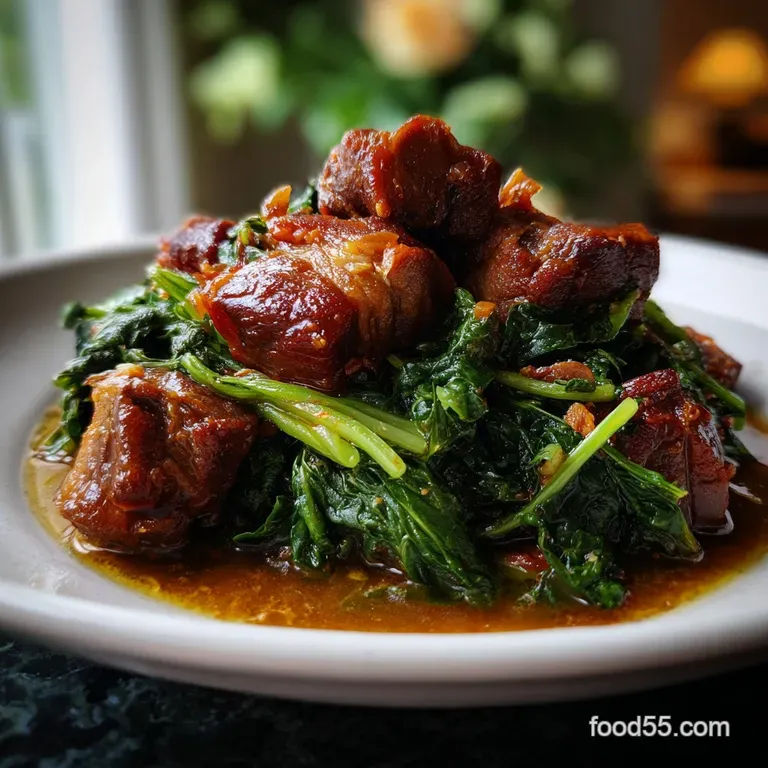
- Effort/Time: 25 minutes prep / 6 hours low and slow simmering
- Flavor Hook: Smoky-sweet apple cider base with a sharp vinegar finish
- Perfect for: Lucky New Year's Day traditions and low-stress shared meals
- Discover a Delicious and Simple Roasted Pork Recipe Perfect for Your New Year's Day Dinner
- The Molecular Magic: Why This New Year s Day Dinner Recipe Easy Traditional Meal Succeeds
- Critical Precision Checkpoints for Your New Year s Day Dinner Recipe Easy Traditional Meal
- The Alchemy of Umami: Analyzing the Ingredient Chemistry
- Precision Engineering: Necessary Tools for This Easy Traditional Meal
- The Aroma-Led Assembly Protocol for Your New Year s Day Dinner Recipe Easy Traditional Meal
- Why Your Pork Might Be Tough: Troubleshooting the Science
- ⚗️ The Scaling Lab: Physics of Doubling the Batch
- Shared Meals and Traditional Flavor Variations
- Storage, Reheating, and Zero Waste Philosophy
- Serving Suggestions for a Traditional Meal
- Recipe FAQs
- 📝 Recipe Card
Discover a Delicious and Simple Roasted Pork Recipe Perfect for Your New Year's Day Dinner
There is nothing more demoralizing than investing in a beautiful 4 lbs pork shoulder only to have it emerge from the oven as a gray, stringy, and dry hunk of disappointment. We’ve all been there expecting a "melt-in-your mouth" experience but ending up with meat that requires a steak knife and a gallon of water just to swallow.
This technical failure usually stems from a misunderstanding of thermal energy and the stubborn nature of connective tissue, turning what should be a celebratory meal into a chore.
I’ll admit, early in my cooking journey, I once tried to rush this exact New Year s Day Dinner Recipe Easy Traditional Meal by cranking the heat to 400°F.
I thought "more heat equals faster results." Instead, I effectively "mummified" the protein, tightening the muscle fibers so tightly that they squeezed out every drop of moisture before the fat could even think about rendering.
It was a tough lesson in the physics of collagen, served to a very polite but clearly struggling group of friends.
The secret to a successful New Year s Day Dinner Recipe Easy Traditional Meal lies in the alchemy of low-temperature hydrolysis. By maintaining a gentle simmer in a bath of 2 cups hard apple cider and 3 cups low-sodium chicken bone broth, we allow the collagen to slowly transform into gelatin without seizing the muscle fibers.
This creates a velvety mouthfeel and a mahogany colored crust that shatters under the slightest pressure from a fork, ensuring your first meal of the year fosters genuine connections rather than dental emergencies.
The Molecular Magic: Why This New Year s Day Dinner Recipe Easy Traditional Meal Succeeds
- Collagen Hydrolysis: The 6 hour cook time at a low temperature allows tough connective tissues to break down into gelatin, creating a rich, lip-smacking texture.
- Osmotic Equilibrium: Soaking the 1 lb dried black eyed peas overnight ensures even hydration, preventing the "explosive" burst skins that occur when dry legumes hit boiling liquid.
- Maillard Reaction Optimization: Searing the pork in 2 tbsp neutral oil creates hundreds of new flavor compounds that season the entire braising liquid.
- Acidic Brightening: Adding 2 tbsp apple cider vinegar at the finish cleaves through the heavy fats, lifting the earthy flavors of the 500g collard greens.
Critical Precision Checkpoints for Your New Year s Day Dinner Recipe Easy Traditional Meal
| Metric Type | Precision Target | Why It Matters |
|---|---|---|
| Internal Temperature | 195°F - 205°F | The "shred zone" where collagen has fully liquified into gelatin. |
| Liquid Ratio | 5 cups total | Balances evaporation rates with the absorption needs of the legumes. |
| Meat Weight | 4 lbs bone-in | Provides the necessary thermal mass to survive a long braise without drying. |
Decision Shortcut: Choosing Your Path
- If you want a thicker sauce, mash 1/2 cup of the cooked black eyed peas against the side of the pot at the end.
- If you want crispier pork, remove the lid for the final 45 minutes of cooking to let the top brown.
- If you want a spicier kick, double the 1 tbsp smoked paprika and add a pinch of cayenne pepper.
The Alchemy of Umami: Analyzing the Ingredient Chemistry
| Ingredient | Chemical/Physical Role (Science) | The Pro Secret (Why This Matters) |
|---|---|---|
| 4 lbs Pork Shoulder | High myoglobin and collagen content | Bone-in cuts provide calcium and marrow minerals, deepening the flavor profile. |
| 2 cups Hard Cider | Malic acid and ethanol solvent | Alcohol carries aromatic compounds further into the meat than water alone. |
| 1 lb Black Eyed Peas | Starch gelatinization and protein | Soaking reduces oligosaccharides, making the beans significantly easier to digest. |
| 500g Collard Greens | Cellulose structure and chlorophyll | Adding greens at the end prevents "sulfuric" overcooking smells and maintains color. |
Essential Components and Smart Substitutions
- 4 lbs Bone-in Pork Shoulder (Boston Butt): The high fat-to-lean ratio is non-negotiable for a 6 hour cook. Why this? Fat insulates protein fibers, preventing thermal shock and moisture loss.
- Substitute: Pork Picnic Shoulder (slightly leaner, might need 15 mins less cook time).
- 1 lb Dried Black Eyed Peas: The traditional "luck" component. Why this? Dried beans hold their shape better than canned during long braises.
- Substitute: Dried Navy Beans (creamier texture but less traditional "earthy" flavor).
- 2 cups Hard Apple Cider: Provides the sugar for caramelization and acid for tenderizing.
- Substitute: Unsweetened Apple Juice + 1 tbsp extra vinegar (lacks the fermented depth).
- 2 tbsp Smoked Paprika: Adds a "cheater's" smoke flavor without a smoker.
- Substitute: Chipotle Powder (adds significant heat; use only 1 tsp).
- Diamond Crystal Kosher Salt: For precise seasoning without over salting.
- Substitute: Morton Kosher Salt (use 1.5 tbsp instead of 2 tbsp due to crystal density).
Chef's Tip: To deepen the flavor, add a shot of espresso to the braising liquid; the bitterness mimics charred wood and rounds out the cider's sweetness.
Precision Engineering: Necessary Tools for This Easy Traditional Meal
To execute this New Year s Day Dinner Recipe Easy Traditional Meal, you need a Lodge 6 Quart Cast Iron Dutch Oven. The heavy lid and thick walls provide superior thermal retention, which is critical for maintaining a steady simmer.
Using a thin stainless steel pot often leads to "hot spots" that scorch the beans at the bottom.
You should also have a Thermapen Digital Meat Thermometer on hand. While we aim for 6 hours, every oven fluctuates. Pulling the pork when it hits 195°F ensures it doesn't cross the line into "mushy" territory.
For the greens, a Wüsthof Chef's Knife makes quick work of the tough stems of those 500g collard greens.
The Aroma Led Assembly Protocol for Your New Year s Day Dinner Recipe Easy Traditional Meal
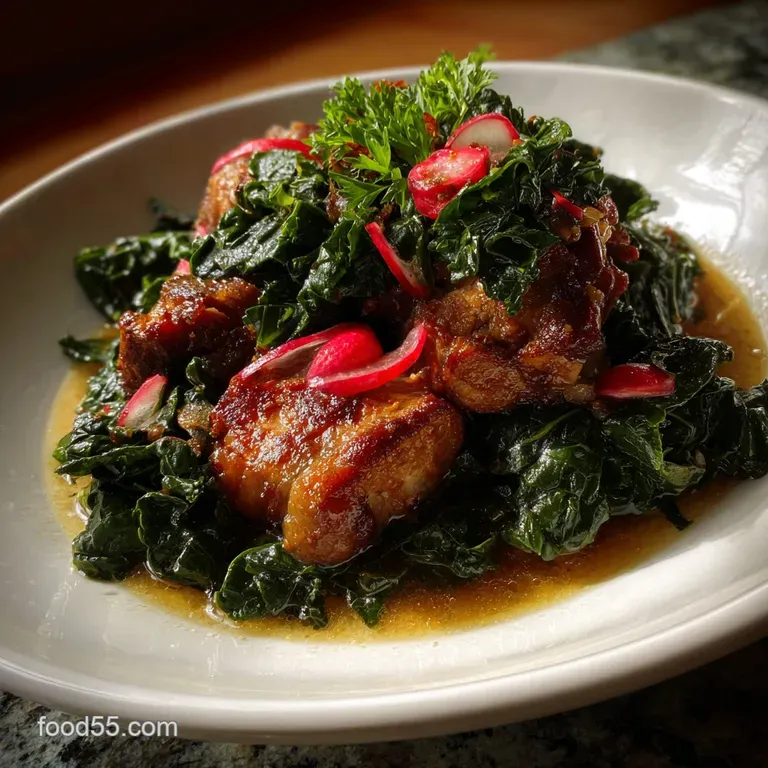
- Hydrate the 1 lb dried black eyed peas in a large bowl of water for 12 hours. Note: Softens the seed coat for even cooking.
- Pat dry the 4 lbs pork shoulder with paper towels. Note: Moisture on the surface prevents the Maillard reaction.
- Season the meat aggressively with 2 tbsp kosher salt, 1 tbsp black pepper, and 1 tbsp smoked paprika.
- Heat2 tbsp neutral oil in your Lodge Dutch Oven over medium high heat until it shimmers.
- Sear the pork for 5 minutes per side until a deep mahogany crust forms and the aroma of toasted spices fills the room.
- Remove the meat and sauté1 large yellow onion and 4 cloves smashed garlic for 4 minutes until the sharp sulfur smell turns sweet and translucent.
- Deglaze with 2 cups hard apple cider, scraping the bottom until the sizzle subsides and the brown bits (fond) dissolve.
- Incorporate3 cups chicken bone broth, 2 sprigs thyme, and the drained peas.
- Nestle the pork back into the liquid, cover, and simmer on low for 5 hours until the meat pulls away easily with a fork.
- Fold in500g collard greens and 2 tbsp apple cider vinegar for the final 30 minutes until greens are velvety and the scent of vinegar brightens the heavy fat.
Aroma Checkpoints
- The Sear: You should smell toasted nuts and campfire (from the paprika).
- The Deglaze: A sharp, fruity apple scent should rise, cutting through the heavy onion smell.
- The Finish: A balance of earthy greens and tangy vinegar indicates the dish is ready.
Why Your Pork Might Be Tough: Troubleshooting the Science
If your New Year s Day Dinner Recipe Easy Traditional Meal results in a "bouncy" or rubbery texture, it’s almost certainly a case of insufficient collagen conversion. Collagen doesn't melt at a specific temperature; it melts over time at temperature.
If you pulled the meat at 4 hours because it "looked done," the internal temperature might have reached 165°F (safe to eat), but it didn't stay at 190°F+ long enough to liquefy the connective tissue.
| Problem | Root Cause | The Fix | Pro Protocol |
|---|---|---|---|
| Pork is Tough | Incomplete collagen breakdown | Simmer for another 45 60 mins | Use a thermometer; target 195°F minimum. |
| Greens are Bitter | Lack of acid/salt balance | Add 1 tsp sugar and 1 tbsp vinegar | Massage greens with salt before adding to pot. |
| Liquid is Watery | High evaporation loss | Remove lid and reduce for 15 mins | Smash a few peas to release starch as a natural thickener. |
⚗️ The Scaling Lab: Physics of Doubling the Batch
When doubling this New Year s Day Dinner Recipe Easy Traditional Meal for a large block party, you must respect the Square Cube Law. Doubling the weight of the pork to 8 lbs doesn't just double the cook time; it changes the thermal mass significantly.
- Thermal Inertia: A larger mass takes longer to reach the "braising zone." Expect to add 90 minutes to the total time.
- The Evaporation Paradox: If you use a wider pot to accommodate two roasts, your surface area increases, leading to faster liquid loss. Reduce the total broth by 10% to ensure the flavor isn't diluted.
- Pan Crowding: Do NOT sear two 4 lb roasts at once. The temperature of the oil will plummet, and the meat will steam instead of sear. Sear in batches to maintain that 300°F+ surface temperature for the Maillard reaction.
Shared Meals and Traditional Flavor Variations
This recipe is all about foster genuine connections. Much like assembling a New Years Eve recipe, the goal is a communal experience.
- The "Hoppin' John" Style: Serve the pork and peas over a bed of long grain white rice to soak up the "pot liquor" (the nutrient rich braising liquid).
- Smoky Maple Twist: Replace 1/2 cup of cider with pure maple syrup for a New England inspired profile.
- Spicy Soul Variation: Add 1 tbsp of red pepper flakes and use a spicy hard cider to increase the capsaicin levels.
Storage, Reheating, and Zero Waste Philosophy
Storage: This New Year s Day Dinner Recipe Easy Traditional Meal actually tastes better on day two. As the dish cools, the gelatin in the liquid thickens, and the flavors meld. Store in an airtight container in the fridge for up to 4 days.
Freezing: You can freeze the pork and peas (without the greens) for up to 3 months. The greens tend to get mushy upon thawing, so it's best to add fresh ones during reheating.
Reheating: Avoid the microwave, which can make the pork "rubbery" via rapid protein tightening. Reheat on the stovetop over low heat with a splash of broth to restore the emulsion.
💡 ZERO WASTE: Don't discard the pork bone! Transform: Simmer the bone in water with veggie scraps for 4 hours. Science: The residual marrow and collagen create a high protein, "liquid gold" stock for future soups.
This approach to shared meals ensures nothing goes to waste while honoring the cultural exchange of the holiday.
Serving Suggestions for a Traditional Meal
To complete this New Year s Day Dinner Recipe Easy Traditional Meal, I suggest pairing it with a side that provides a textural contrast. A Classic Pea Salad Recipe offers a cold, creamy crunch that offsets the warm, soft braise.
Before you start cooking, make sure your spices are fresh. If you’re using an old jar of rub, consider making a fresh batch like this Homemade Turkey Rub recipe — the principles of salt-to-spice ratios apply perfectly to pork as well. This New Year s Day Dinner Recipe Easy Traditional Meal is more than just food; it's a way to bring people together over a steaming pot of tradition, science, and luck.

Recipe FAQs
What is the minimum internal temperature for shreddable pork shoulder?
195°F to 205°F. This range ensures collagen has fully hydrolyzed into viscous gelatin, providing that desired melt-in-your mouth texture. Sticking the temperature target is vital for success; if you need to practice sensory doneness cues, apply the same slow cook logic to our [Roast Chicken recipe].
Can I skip soaking the black eyed peas overnight?
No. Dry legumes require pre-hydration. Skipping soaking results in uneven cooking and increased flatulence causing oligosaccharides. The seeds must absorb ambient water for consistent starch gelatinization throughout the 6-hour braise.
Is bone-in or boneless pork shoulder better for this long braise?
Bone-in pork provides superior depth. The marrow leaches minerals and glutamates into the braising liquid, enriching the final sauce. Boneless cuts render fat faster but offer less thermal mass and mineral contribution during the long simmer.
Why is my resulting sauce thin instead of velvety?
Insufficient starch mobilization caused low viscosity. The starch locked within the black eyed peas needs mechanical action to thicken the liquid into a glaze.
- Gently smash 1/2 cup of peas against the pot wall
- Increase heat slightly to encourage surface evaporation
- Ensure you used the recommended 5 cups of total liquid
Is apple cider vinegar essential, or can I just use white vinegar?
Apple cider vinegar contributes essential fruit esters. While both are acids, white vinegar only provides necessary pH adjustment, whereas cider vinegar adds complex apple notes that balance the richness of the pork fat.
Myth: Browning the pork isn't necessary if it cooks for six hours.
Myth: Browning is just for color. Reality: Searing initiates the Maillard reaction, creating hundreds of complex, savory flavor molecules in the crust that cannot be achieved via wet heat alone.
Should I add the collard greens at the beginning or end?
Add greens during the final 30 minutes. Long exposure to high heat breaks down chlorophyll, leading to an unpleasant sulfurous taste and dull, olive drab color. If you master the timing here, you'll see the same positive effect on color retention when making [Mint Sauce for Lamb: The Essential Pungent British Recipe].
Easy Traditional Nyd Meal
Ingredients:
Instructions:
Nutrition Facts:
| Calories | 712 kcal |
|---|---|
| Protein | 46 g |
| Fat | 32 g |
| Carbs | 42 g |
| Fiber | 8 g |
| Sugar | 6 g |
| Sodium | 1840 mg |
