Coastal Comfort Flaky Cheddar Bay Biscuits Copycat Recipe
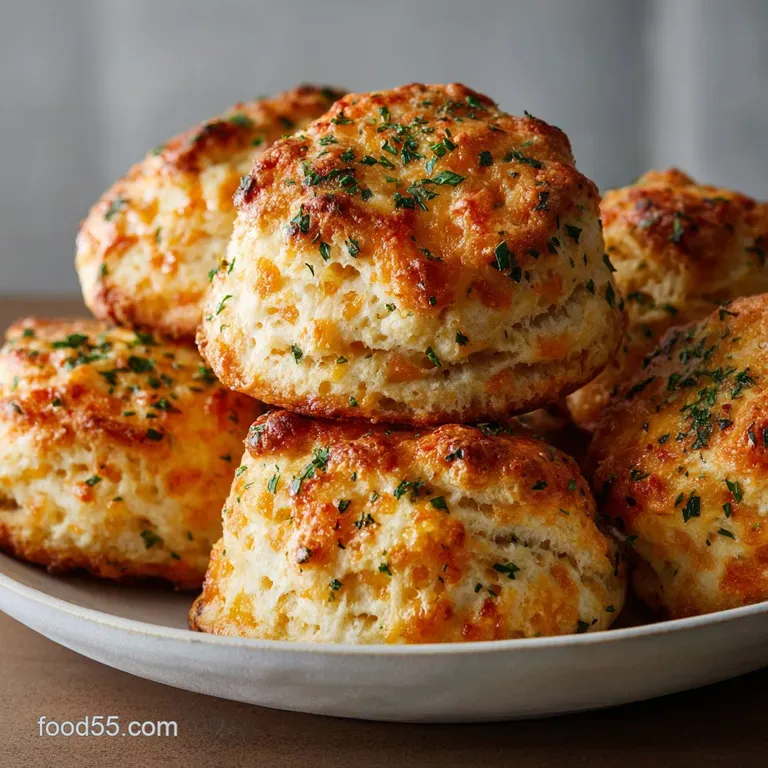
- Decoding the Cheddar Bay Magic: Why Flakiness Matters
- Essential Provisions for Perfect Cheddar Bay Biscuits
- Required Tools for a Seamless Baking Process
- Phase One: Constructing the Biscuit Dough Foundation
- Phase Two: High-Heat Baking and the Flavor Infusion
- Frequently Asked Questions About These Cheddar Bay Biscuits
- Customizing Your Drop Biscuits: Flavor Variations and Dietary Swaps
- Recipe FAQs
- 📝 Recipe Card
Decoding the Cheddar Bay Magic: Why Flakiness Matters
Every exceptional biscuit, whether sweet or savory, hinges on a simple promise: delicate flakiness. The truly phenomenal Cheddar Bay Biscuits are not merely cheesy bread; they are a light, tender vehicle for garlic butter, and achieving this ethereal texture is the core mission of this recipe.
Unlike traditional dense dinner rolls, these drop biscuits rely on creating pockets of steam during rapid, high heat baking. This lift ensures a buttery, complex crumb structure that simply melts in your mouth, which is why temperature management is non-negotiable.
From Side Dish to Superstar: The Legend of the Savoury Biscuit
What began as a complementary bread basket item at a famous seafood chain has transcended its origins to become a true culinary icon. The original cheddar bay biscuits red lobster offering proved so popular that it rapidly developed a life and an intense craving of its own.
Our cheddar bay biscuits recipe aims not just to mimic that irresistible blend of sharp cheddar and potent garlic, but to elevate it. By controlling the quality of the ingredients and ensuring every step, from the first flour whisk to the final butter brush, is executed gently, we achieve a texture far superior to any pre-made cheddar bay biscuits mix you might find on the shelf.
These flaky beauties deserve their spotlight as the main event.
The Cold Butter Secret for Light and Airy Structure
The structural integrity of a truly flaky biscuit depends entirely on the state of the fat when it enters the oven. When we talk about cold butter, we mean icy cold. As the cubes or shreds of chilled butter hit the intense heat of the oven, the moisture content within the fat rapidly converts to steam.
These miniature explosions of steam physically push apart the layers of flour and leavening, creating dozens of internal air pockets. If your butter is too warm, it melts immediately and absorbs into the flour, resulting in a dense, cake like texture rather than the desired light, shatteringly crisp crust.
Unlocking the Ultimate Garlic Butter Glaze
While the biscuit base itself is a marvel, the iconic flavor profile of the savory biscuit is finalized during the finishing stage. This final infusion is where we turn a simple cheese biscuit into legendary fare.
The hot surface of the biscuit immediately begins to soak up the freshly melted four tablespoons of butter, along with the bright, herbaceous blend of fresh parsley, onion powder, and extra garlic powder.
This technique transforms the surface texture and drives the sharp, aromatic flavors deep into the tender crumb, delivering truly exceptional Garlic Butter Biscuits Easy Recipes can rely upon.
Essential Provisions for Perfect Cheddar Bay Biscuits
To embark on this baking journey, precision in ingredient selection is key. While the instructions are simple, the quality of your provisions directly dictates the final outcome. We require strictly cold, high-quality dairy, fresh flour, and potent, fragrant seasonings.
We're dealing with a very quick cook time (only 12 to 15 minutes), so every component needs to be ready to perform its specific structural or flavor enhancing role immediately.
Stocking these ingredients ensures you are ready to produce 10 to 12 medium sized, gloriously cheesy biscuits in under thirty minutes total.
Required Tools for a Seamless Baking Process
Baking is often easier when the right tools are staged and ready. Because speed and minimal handling are critical to preventing the butter from warming up, having your equipment prepared ensures a smooth transition from mixing bowl to oven.
We are aiming for a drop biscuit consistency, which means we avoid rolling pins and cutters, simplifying the process considerably.
Mastering the Dairy Ratio: Sharp Cheddar and Buttermilk Choices
The dairy components provide both the richness and the necessary acidity for rise. We use one and a half cups of sharp cheddar, grated freshly off the block; pre-shredded cheese often contains anti caking agents that hinder melt and interfere with the biscuit's structure.
Crucially, the three quarters cup of full fat buttermilk must be straight from the refrigerator. Buttermilk’s acidity reacts with the baking soda, guaranteeing maximum lift and tenderness while imparting a subtle tanginess that complements the savory cheese perfectly.
Sifting Strategy: Achieving Feather Light Texture with Flour and Leavening
The dry mix acts as the framework. Our structure is built upon two cups of all-purpose flour, carefully measured using the spoon and-level technique, coupled with a tablespoon of baking powder and half a teaspoon of baking soda.
This double leavening approach provides a powerful rise, counteracting the heaviness of the cheese and butter. Whisking these dry components together thoroughly ensures even distribution, meaning every biscuit receives an equal boost of lift, resulting in that highly sought after feather light texture.
The Triple Threat: Garlic Powder, Dried Parsley, and Salt Ratios
The signature flavor relies on a judicious use of aromatics, both in the dough and in the glaze. We incorporate a full teaspoon of garlic powder directly into the dry mix for foundational flavor.
For the topping, another half teaspoon of garlic powder is melted into the butter, alongside a pinch of sea salt, two tablespoons of finely chopped fresh parsley, and the optional, yet highly recommended, quarter teaspoon of onion powder for enhanced depth.
Getting these ratios right is vital to capturing the authentic taste profile.
Non-Negotiable Gear for Cold Butter Preparation
Working with cold butter requires efficiency. While a traditional pastry blender works well to cut the six tablespoons of butter into the flour, the easiest method for quick, fine incorporation is using a box grater.
By grating the frozen or near frozen butter directly into the flour mixture, you achieve small, uniform shreds that integrate quickly and maintain their cold temperature, drastically improving your success rate in creating flaky layers.
Optimal Baking Sheets and Temperature Calibration
For the ideal internal temperature and external golden brown crust, the oven must be calibrated correctly to a high heat: 425° F ( 220° C). Utilizing a standard baking sheet lined with parchment paper prevents sticking and encourages even heat transfer.
Placing the sheet on the middle rack ensures that the biscuits benefit from circulating heat, promoting both a swift rise and a beautiful, caramelized top crust during their swift bake.
Related Recipes Worth Trying
- The Ultimate Cheesy Tomato Biscuit Casserole with Cheddar Tops — This hearty Cheesy Tomato Biscuit Casserole delivers deep umami flavours with light flaky cheddar biscuits soaking up the rich sauce Perfect for a warming...
- The Best Creamy Broccoli Cheddar Soup Recipe Homemade Goodness — Ditch the canned stuff This foolproof Homemade Broccoli Cheddar Soup is rich velvety and ready in under an hour The secret is grating your own cheese
- Best Flaky Garlic Cheddar Biscuits Recipe from Scratch — Skip the box mix Learn how to make easy Garlic Cheddar Biscuits from scratch that are incredibly tender and savoury Perfect for any hearty meal
Phase One: Constructing the Biscuit Dough Foundation

The goal during the foundational phase is to combine the ingredients rapidly while preventing any premature gluten development. This dough should be handled as little as possible, which contrasts sharply with bread making traditions that rely on kneading. Here, we aim for a barely combined, shaggy mass.
Phase Two: High Heat Baking and the Flavor Infusion
This final phase brings together the careful preparation and the dramatic transformation that only intense oven heat can deliver. The quick cook time is crucial for setting the external crust before the interior loses all its moisture, resulting in a perfectly baked biscuit ready for its signature glaze.
Prepping the Dry Mix and Integrating the Butter Gently
Begin by whisking the flour, salt, leavening agents, and the foundational garlic powder in a large bowl. Next, swiftly integrate the cubed or grated cold butter. Whether using a grater or a pastry blender, stop mixing once the fat resembles coarse meal, with distinct, visible pea-sized chunks of butter remaining.
This technique is far superior to using shortcut products, allowing you to control the texture and flavor that an industrialized Bisquick Cheese Garlic Biscuits mix simply cannot replicate.
Combining the Liquids Without Overworking the Gluten
This is the most critical juncture in the entire cheddar bay biscuits directions . Pour the cold buttermilk into the dry mixture all at once. Using a rubber spatula, fold the ingredients just until the dry streaks of flour disappear. The dough will be exceptionally sticky, shaggy, and quite wet.
A good rule of thumb is 10 to 12 gentle folds; stop immediately when the flour is incorporated. Overmixing develops gluten, leading directly to those tough, regrettable biscuits we are determined to avoid.
Scooping and Spacing: Creating Uniform Drop Biscuits
Uniformity in size ensures uniform cooking time. Use a 2-ounce standard ice cream scoop or two large spoons to portion the sticky dough onto the prepared baking sheet. It is important to leave approximately two inches between each biscuit to allow for proper expansion and circulation of heat.
This generous spacing guarantees that the edges of the biscuits become golden and crusty, not steamed and soggy.
The Ideal Oven Position for Golden Brown Tops
The ideal position is the center rack. At 425° F, this location provides the most consistent, intense heat, which is essential for maximizing the reaction of the cold butter and the buttermilk with the leavening agents.
Baking for the estimated 12 to 15 minutes should result in biscuits that are profoundly puffed, light, and boast a rich golden brown hue across their tops and edges.
Crafting the Signature Butter Herb Drench
While the biscuits are in their final minutes of baking, prepare the aromatic glaze. In a small saucepan or microwave safe bowl, melt the four tablespoons of butter. Stir in the finely chopped fresh parsley, the remaining half teaspoon of garlic powder, and the optional seasonings.
Keep this glaze warm and ready it needs to be applied the moment the biscuits leave the oven.
Brushing the Hot Cheddar Bay Biscuits for Maximum Absorption
As soon as the golden cheddar bay biscuits red lobster copycats exit the oven, waste no time. Place them onto a cooling rack or leave them on the hot sheet and use a pastry brush to coat the surface of every single biscuit generously with the fragrant garlic herb butter.
The residual heat of the biscuit acts like a sponge, drawing the concentrated flavors deep into the crumb for an intense, unforgettable finish. Serve immediately while still piping hot.
Frequently Asked Questions About These Cheddar Bay Biscuits
We understand that even simple recipes can spark questions, particularly when chasing perfection. This section addresses common concerns to ensure every batch of your Cheddar Bay Biscuits is a resounding success.
Customizing Your Drop Biscuits: Flavor Variations and Dietary Swaps
The beauty of this cheddar bay biscuits recipe is its versatility. While the classic pairing of cheddar and garlic is divine, the sturdy drop biscuit foundation readily accepts various additions and alterations, allowing you to tailor the recipe to specific dietary needs or simply experiment with new flavor profiles.
Extending Freshness: Storing, Reheating, and Shelf Life
These biscuits are undeniably best served immediately, straight from the oven and drenched in butter. However, leftovers can be stored in an airtight container at room temperature for up to two days. To revive their texture and warmth, reheating is essential.
For maximum crispness, heat them briefly in a toaster oven or, better yet, use the cheddar bay biscuits in air fryer method at 350° F ( 175° C) for 3 to 4 minutes.
This method rapidly restores the crust and warmth without drying out the interior.
Why Are My Biscuits Dense? Common Baking Pitfalls Solved
The two main culprits behind dense biscuits are temperature and technique. If your butter or buttermilk was not sufficiently cold, the steam lift mechanism fails, leading to a flat, heavy product. Second, and equally important, is overworking the dough.
Once the liquid is introduced, excessive mixing activates the gluten strands, resulting in a tough texture. Remember the rule: mix minimally until just combined, even if the dough looks messy and shaggy.
Freezer Readiness: Preparing Unbaked Dough for Later Use
If you desire fresh biscuits on demand, you can easily prepare the unbaked dough for the freezer. Follow the recipe up to the scooping stage. Drop the portions onto a parchment lined tray, then flash freeze them until solid (about 1 hour). Once frozen, transfer the solid dough balls to a freezer safe bag or container.
When ready to bake, place the frozen biscuits onto a baking sheet and add approximately five minutes to the specified cook time, baking them straight from frozen.
Beyond Cheddar: Exploring Parmesan and Smoked Gouda Alternatives
While sharp cheddar is traditional, the recipe adapts beautifully to other cheeses. For an Italian twist, substitute the sharp cheddar with half Parmesan and half mozzarella, adding a little dried oregano to the dough.
Alternatively, substituting with Monterey Jack and adding fresh chives yields a milder, highly savory biscuit. For deep complexity, try smoked gouda its distinct, nutty flavor adds unexpected sophistication.
Successfully Adapting the Recipe for Gluten Sensitivity
The basic structure of this dough allows for successful gluten-free adaptation. Swap the standard all-purpose flour for a high-quality 1:1 gluten-free baking blend that contains xanthan gum. Ensure all other cold ingredient rules are strictly followed.
Since gluten-free doughs tend to be more sensitive to handling, use a slightly wetter consistency than usual and rely entirely on the scoop and-drop method, avoiding any manual shaping.
Perfect Companions: What to Serve Alongside These Savoury Rolls
These drop biscuits are far too flavorful to be relegated strictly to seafood. While they remain an outstanding accompaniment to Shrimp Scampi or a classic New England Clam Chowder, they shine equally well in other contexts.
Serve them warm alongside a robust weekend brunch of scrambled eggs and smoky bacon, or use them as the ultimate savory substitute for dinner rolls next to a perfectly grilled steak and creamy mashed potatoes.

Recipe FAQs
Crikey, my biscuits came out like hockey pucks! Why are my Cheddar Bay Biscuits dense or tough?
Toughness is nearly always the result of overmixing the dough, which allows the gluten to develop too much. The trick here is keeping everything Arctic cold (especially the butter and buttermilk) and mixing only until the dry streaks disappear no more than 10 or 12 gentle folds.
If you overwork the dough, you're essentially inviting trouble to tea! Keep it shaggy and sticky for that beautiful, light crumb.
Can I prep these the night before the big bash, or freeze the dough for later?
Absolutely, that’s a brilliant hack for making life easier! You can scoop the raw dough onto the parchment lined tray and flash freeze the biscuits individually until they are rock solid. Once frozen, transfer them to a freezer bag or airtight container.
When you're ready to bake, pop them straight from the freezer into the hot oven no need to thaw! Just add about 3-5 minutes to the total bake time, and Bob’s your uncle.
I’m out of sharp cheddar, are there any other cheese varieties that would be a good shout?
While Sharp Cheddar is the gold standard for that iconic zing, Monterey Jack or Gruyère work beautifully for a milder, meltier biscuit. If you fancy a bit of a kick, try adding Pepper Jack, which is an absolute corker.
Remember that the key is fresh grating pre-shredded cheese is often coated in anti caking agents that hinder the melt and can dry out your final biscuit.
What’s the best way to store leftovers, and how do I reheat them without them turning into rocks?
These biscuits are best enjoyed straight out of the oven, but leftovers can be kept in an airtight container at room temperature for up to three days. For the fluffiest reheat, avoid the microwave, which often makes bread rubbery.
Instead, wrap them loosely in tin foil and warm them in a 300°F (150°C) oven for about 5 to 7 minutes. This gentle warmth reactivates the fats and keeps the crumb wonderfully tender.
Help! My garlic butter is sitting on top, not soaking in is there a trick to getting that perfect flavour bomb?
Ah, the magic moment! The secret is temperature. You must brush the garlic butter onto the biscuits immediately and we mean immediately as they come out of the oven. Don't wait even thirty seconds!
The intense residual heat allows the fat to soak deeply inside the tender crumb, creating that rich, pervasive flavour rather than just a greasy layer sitting on the surface. Get cracking with that pastry brush!
Flaky Cheddar Bay Biscuits Recipe

Ingredients:
Instructions:
Nutrition Facts:
| Calories | 419 kcal |
|---|---|
| Protein | 7.8 g |
| Fat | 26.5 g |
| Carbs | 40.1 g |
| Fiber | 3.4 g |
| Sodium | 6873 mg |
