Nonnas Hearty Hug the Ultimate Onepot Pasta Fagioli
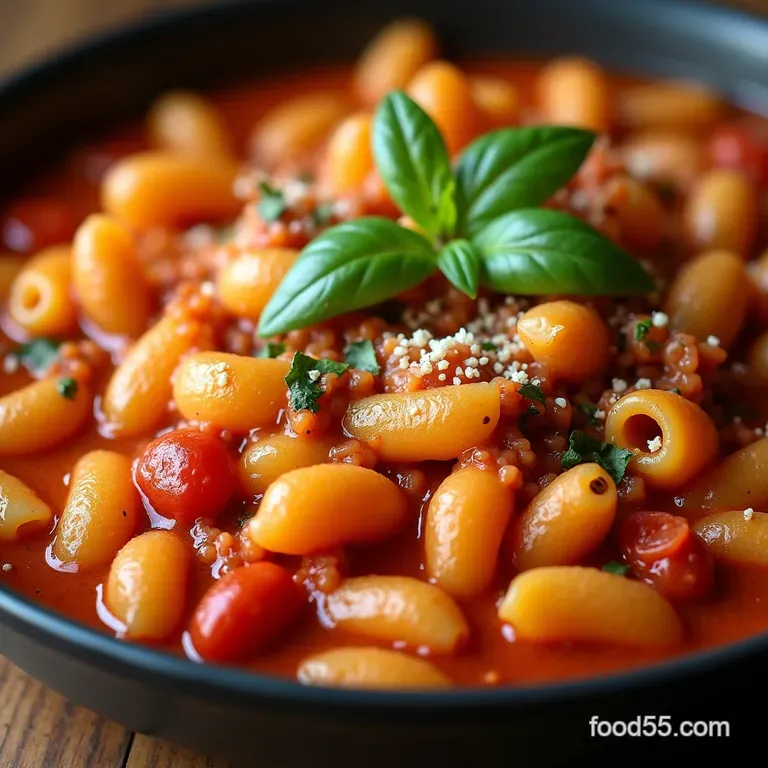
- The Soulful Story Behind This Rustic Pasta Fagioli
- Why Our Weeknight Version Tastes Like Sunday Simmering
- Curating the Essential Pantry Staples for Authentic Flavour
- The Bean & Pasta Pairing Strategy
- Mastering the One-Pot Technique for Maximum Flavour Infusion
- Achieving the Perfect Velvety Consistency
- Customizing Your Homemade Pasta Fagioli: Variations on a Classic
- Storage Wisdom and Reheating for Next-Day Perfection
- Recipe FAQs
- 📝 Recipe Card
The Soulful Story Behind This Rustic Pasta Fagioli
Pasta Fagioli a proper hug in a bowl, isn't it? It’s the quintessential Italian peasant dish, elevated by simple, honest ingredients. This concept, which literally translates to ‘pasta and beans,’ speaks volumes about its origins.
It wasn't born in high end trattorias; it emerged from necessity and ingenuity in humble kitchens across Italy. The beauty of this Pasta Fagioli Recipe lies in its flexibility using whatever small pasta shape was available and whatever dried or canned beans could be secured.
Our goal today is to honour that tradition while creating a version that delivers incredible depth of flavour, making this the Easy Pasta Fagioli you’ll turn to again and again. Forget those watery supermarket versions; this is the real deal.
Why Our Weeknight Version Tastes Like Sunday Simmering
While many assume that profound flavour requires hours of slow cooking, our approach to this Pasta Fagioli Soup Recipe utilizes smart layering techniques to achieve that deep, comforting profile quickly.
We aim for a rich, hearty dish that balances creamy cannellini beans, savoury Italian sausage (optional, but highly recommended!), robust tomatoes, and a splash of good olive oil, resulting in a deeply flavourful broth thickened naturally by the starches.
It’s comfort food, pure and simple like finding a tenner in an old winter coat. The total time commitment is around 50– 55 minutes, perfect for a substantial weeknight supper.
Defining the 'Hug in a Bowl' Experience
What truly defines a fantastic Pasta E Fagioli is its texture. It shouldn't be thin and watery; rather, it should cling slightly to the spoon. This comforting characteristic comes from the symbiotic relationship between the starch released by the small pasta shapes (like ditalini or tubetti) and the beans themselves.
When prepared correctly, this Simple Soup Recipe transforms into something wonderfully substantive, earning its reputation as the ultimate bowl of comfort.
Elevating Peasant Food: The Secret to Richness Without Fuss
To ensure our Hearty Pasta Fagioli tastes like it’s been simmering all day, we focus on browning and blooming. Browning the optional Italian sausage provides a savoury, fatty base that is crucial, even if you opt for a vegetarian preparation (in which case, smoked paprika steps up to carry the weight).
Following this, gently sweating the soffritto —the holy trinity of onion, carrot, and celery draws out their sweetness without browning them too quickly. Then, we bloom the dried herbs in the fat, releasing their essential oils right before liquid is added, maximizing their impact.
Is This Soup or Stew? Setting Expectations for Texture
Depending on how much liquid you use and how long you allow the pasta to cook, Pasta Fagioli can lean towards soup or stew. For this recipe, yielding 6 generous servings, we aim for a thick, rich soup consistency definitely heavier than broth, thanks to our secret thickening method discussed later.
It’s hearty enough to stand alone as a meal, often blurring the line toward a rustic stew, but still possesses enough luxurious liquid to warrant a dedicated spoon.
Curating the Essential Pantry Staples for Authentic Flavour
The success of this classic Italian Peasant Soup hinges on the quality of a few key pantry items. Since the ingredient list is short, there is nowhere for mediocre components to hide.
A fantastic base starts with great olive oil we need 3 tablespoons of good extra virgin olive oil for the initial sauté. For vegetables, we need one medium yellow onion, two medium carrots, and two celery stalks, all diced finely (a brunoise ) to ensure they melt seamlessly into the broth during cooking.
Four cloves of fresh, minced garlic are non-negotiable for that bright, sharp aromatic punch.
The Bean & Pasta Pairing Strategy
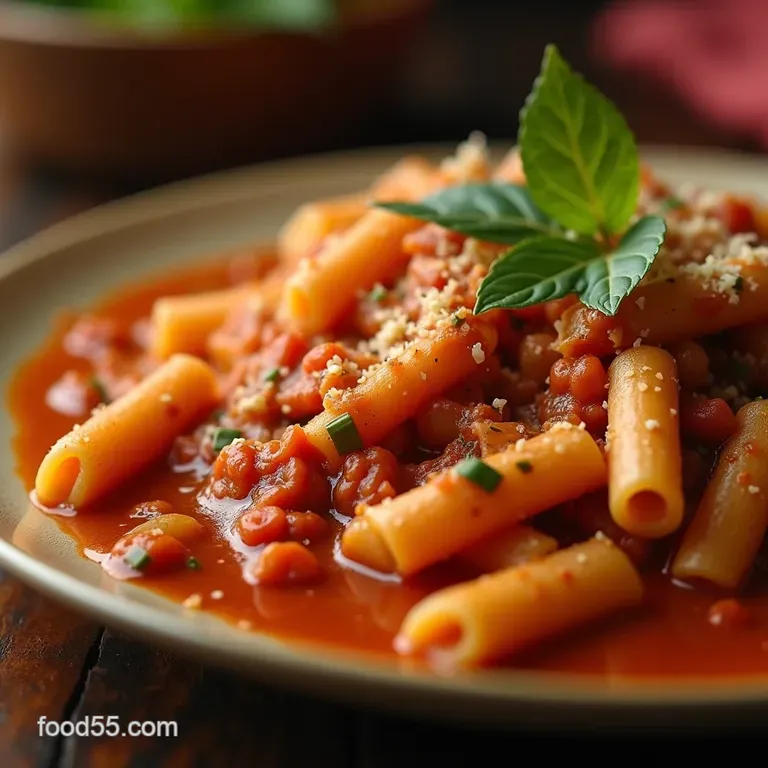
When selecting the main components, we rely on canned goods for speed without sacrificing quality. We require two 15-ounce cans of cannellini beans, which must be thoroughly rinsed and drained to remove excess sodium and starches that can cloud the final broth.
The dried pasta should be a small shape, ideally Ditalini or Tubetti, to ensure it cooks evenly and contributes its starch properly. You will need about 1 cup (150g) of dry pasta for 6 servings.
Selecting Your Aromatic Base: Soffritto Secrets Revealed
The soffritto forms the backbone of flavour development. This mixture of finely diced onion, carrot, and celery must be sautéed slowly, over medium low heat, for a good 8 to 10 minutes. The goal here isn't colour; it's translucency and softening.
This patience ensures the vegetables release their sugars, providing a foundational sweetness that balances the acidity of the tomatoes later on. If you choose to include 8 ounces of mild or hot Italian sausage, it goes in right after the soffritto softens, ensuring it renders its fat and browns beautifully before the aromatics join the party.
Stock Choices That Deepen the Broth, Not Just Thin It
For the liquid component, 6 cups of broth are required. While water technically works, using a quality low-sodium chicken or vegetable broth elevates the experience significantly. The stock provides body and subtle underlying savoury notes that water cannot replicate.
We use low-sodium to maintain control over the final seasoning, especially once salty components like Parmesan cheese are added later in the process.
Must Have Seasonings for Maximum Italian Impact
To achieve that characteristic warm, earthy Italian flavour, we incorporate dried herbs: 1 teaspoon each of dried rosemary and dried oregano. A small pinch about ¼ teaspoon of crushed red pepper flakes adds necessary warmth without overwhelming heat.
These seasonings are added briefly with the garlic to 'bloom' in the hot oil, which intensifies their flavour profile before the tomatoes and stock are introduced.
Related Recipes Worth Trying
- Easy Pasta with Italian Chicken Sausage and Escarole Rustic Weeknight Dish — Whip up this flavorful Pasta with Italian Chicken Sausage and Escarole in under 40 minutes Its an easy Italian sausage pasta that tastes rustic and complex
- The Ultimate Creamy Cajun Chicken Pasta Recipe for Home Cooks — Forget the takeaway This rich velvety Cajun Chicken Pasta recipe layers smoky spice with tender chicken and peppers Easy to master utterly delicious
- The Best Summer Pasta Salad with Baby Greens Feta — Ditch the gloopy mayo This light summer pasta salad recipe uses a zingy lemonherb vinaigrette and shaved asparagus for incredible texture Perfect picnic fare
Mastering the One-Pot Technique for Maximum Flavour Infusion
This entire Pasta Fagioli Recipe is designed to be completed in a single large Dutch oven or heavy bottomed stockpot. This concentration of ingredients in one vessel ensures that every element from the sausage fat to the bean starches and the tomato juices intermingles thoroughly as it simmers, creating the integrated flavour profile we crave.
Achieving the Perfect Velvety Consistency
The magic of achieving that famous creamy texture without resorting to heavy cream lies in a clever bean manipulation step that occurs mid-cook. It’s this technique that distinguishes a mediocre pot of soup from a truly authentic Olive Garden Pasta Fagioli Recipe copycat, but simpler.
Step 1: Building the Flavour Foundation (The Sauté)
Begin by heating the olive oil over medium heat in your pot. Add the finely diced onion, carrots, and celery. Sauté gently for 8 to 10 minutes until fully softened.
If using sausage, push the vegetables aside, add the meat, and break it up, cooking until browned (about 5 minutes). Drain any significant excess fat. Next, stir in the minced garlic, rosemary, oregano, and red pepper flakes, cooking for just one minute until fragrant be vigilant to prevent the garlic from burning.
Step 2: Simmering the Components for Harmony
Pour in the entire 14.5-ounce can of diced tomatoes (undrained) and use your spoon to scrape up any flavourful browned bits stuck to the bottom of the pot. Let this mixture bubble for 2 minutes to slightly concentrate the tomato flavour. Pour in the 6 cups of broth.
Bring this liquid up to a low boil, then immediately reduce the heat so it settles into a gentle simmer. Now comes the secret step for body: take one of your two cans of rinsed cannellini beans and mash them into a rough paste using a potato masher or immersion blender.
Stir this mashed bean mixture, along with the second can of whole, rinsed beans, into the simmering broth.
Step 3: Introducing the Pasta and Achieving the Al Dente Finish
Once the broth is gently simmering, add the 1 cup of dried pasta. Cook according to the package directions, typically 10 to 12 minutes. It is essential to stir frequently, especially during the last few minutes, to ensure the small pasta pieces do not stick to the bottom of the pot and burn.
We want them perfectly al dente —tender but with a slight bite remaining.
The Crucial Finishing Step: Integrating Fresh Herbs and Oil
Once the pasta is cooked, immediately remove the pot from the heat source. Stir in ½ cup of freshly grated Parmesan cheese until it melts smoothly into the broth, enriching it further.
Taste the soup aggressively at this point and adjust seasoning with salt and black pepper; you will likely need more salt than you anticipate. Allow the Pasta Fagioli to rest, uncovered, for five minutes before serving.
Garnish each bowl generously with freshly chopped parsley and a final, luxurious drizzle of high-quality extra virgin olive oil.
Customizing Your Homemade Pasta Fagioli: Variations on a Classic
While the core structure remains true to tradition, this dish invites personalization. If you want to amp up the green element, stirring in two cups of chopped kale or spinach during the final minute of cooking (Step 8) wilts them beautifully into the soup.
For a smokier profile in a vegetarian application, skip the sausage entirely and instead add 1 teaspoon of smoked paprika when blooming the herbs. If you find yourself without cannellini beans, borlotti (cranberry beans) are a superb, traditional substitute, or even standard kidney beans can work in a pinch.
Remember to use small pasta shapes; if you lack ditalini, use small elbow macaroni or even deliberately break spaghetti into short pieces.
Storage Wisdom and Reheating for Next Day Perfection
This Hearty Pasta Fagioli actually tastes even better the next day as the flavours fully marry, but proper storage is key due to the inclusion of pasta.
Boosting the Body: Tips for Making the Soup Creamier Without Dairy
The primary way we achieve body is through the mashed cannellini beans; this technique provides the starch release necessary for a velvety mouthfeel without adding any dairy products, keeping the flavour profile purely Italian.
If you desire an extra creamy texture beyond this natural thickening, you can incorporate a slurry (1 tablespoon of flour or cornstarch mixed with cold water) added just before the pasta in Step 3, though this deviates slightly from the rustic ideal.
Ingredient Swaps: Adapting for Dietary Needs
For a fully vegetarian adaptation, simply omit the Italian sausage; use a high-quality vegetable broth and ensure you use smoked paprika during the aromatic blooming phase to mimic the depth that the meat fat provided.
For gluten-free needs, substitute the wheat pasta with a high-quality lentil or chickpea based short pasta, keeping in mind that gluten-free pastas can sometimes soften faster, so monitor their cooking time closely.
Pairing Suggestions: What Bread Goes Best With This Meal?
No bowl of Pasta Fagioli is complete without something excellent for dipping. The essential pairing here is slices of crusty sourdough bread or a rustic Italian loaf. This robust bread is perfect for mopping up every last bit of the flavourful broth left at the bottom of the bowl.
For a side contrast, a simple arugula salad dressed lightly with lemon and olive oil cuts beautifully through the richness of the soup.
Freezing and Reviving Your Leftover Italian Comfort
Because pasta absorbs liquid rapidly, this soup is best stored in the refrigerator for up to 4 days. When reheating refrigerated leftovers, you will almost certainly need to add a splash of water or broth about ¼ cup per serving to loosen the consistency back up.
Freezing is possible, but best done before the pasta is added; freeze the rich broth base, and cook the pasta fresh when reheating to avoid overly mushy texture upon thawing.
Recipe FAQs
Why does my Pasta Fagioli soup always turn out watery instead of creamy?
That's usually down to skipping the secret weapon! For that authentic, velvety texture in your Pasta Fagioli, you must mash about one can of the cannellini beans into a rough paste before stirring them in.
This starch release thickens the broth naturally, giving it that hearty, hug-in-a-bowl quality without needing loads of cream.
Can I make this recipe ahead of time, or is it better fresh?
It’s quite robust, so leftovers are brilliant it’s a fantastic option for batch cooking! However, the pasta will soak up a tremendous amount of liquid overnight, making it very thick, almost like a stew.
If you are prepping ahead, cook the pasta separately, store it chilled, and add it back into the soup base just before reheating on the stovetop.
I can’t find Ditalini pasta; what other shapes work well in Pasta Fagioli?
No worries if the cupboard is bare of Ditalini! Any small, sturdy pasta shape will do the trick; think Tubetti, small shells (conchigliette), or even broken-up spaghetti or fettuccine if you’re feeling particularly rustic.
Just ensure the pasta is added towards the end so it doesn't turn to complete mush during the simmer.
How long can I store leftover Pasta Fagioli, and can I freeze it?
Stored correctly in an airtight container in the fridge, it will keep nicely for 3 to 4 days though remember it will continue to thicken! Freezing is possible, but generally not recommended for soups containing pasta, as the texture often degrades upon thawing.
If you must freeze it, freeze the broth and bean mixture without the pasta, and cook fresh pasta to add when reheating.
My recipe calls for Italian sausage, but I want a vegetarian option what’s the best substitute?
That's a doddle to swap out! If you want to keep that savoury depth, omit the sausage and sauté your vegetables in a little extra olive oil. Then, introduce 1 teaspoon of smoked paprika and perhaps 1/2 teaspoon of fennel seeds along with your dried herbs to mimic that Italian flavour profile.
Hearty Pantry Pasta Fagioli
Ingredients:
Instructions:
Nutrition Facts:
| Calories | 1034 kcal |
|---|---|
| Protein | 13.6 g |
| Fat | 11.4 g |
| Carbs | 66.5 g |
| Fiber | 29.2 g |
| Sodium | 486 mg |
