The Golden Bird Ultracrispy Herbcrusted Roasted Chicken with Autumn Root Vegetables
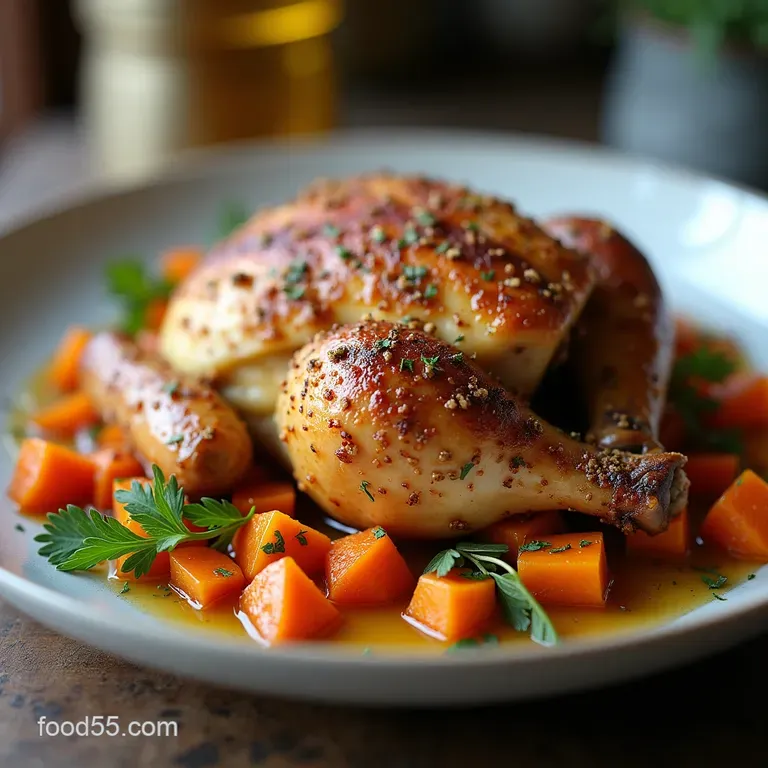
- Unveiling the Ultimate Sunday Centerpiece: Our Signature Roasted Dish
- Why This Herb-Crusted Masterpiece Redefines Comfort Roasting
- Assembling Your Components for a Flawless Herb Roast
- The Produce Palette: Selecting Premium Root Vegetables
- Phase One: Prepping the Foundation for Success
- The Main Event: Achieving Perfect Internal Temperatures
- Troubleshooting Common Pitfalls in Your Roasted Dish Experience
- Flavor Expansion: Next-Level Variations and Pairings
- Recipe FAQs
- 📝 Recipe Card
Unveiling the Ultimate Sunday Centerpiece: Our Signature Roasted Dish
There is an almost magical quality to a perfectly executed Roasted Dish . It possesses the comforting aroma of home, the satisfying weight of a meal well earned, and the visual appeal that makes any gathering instantly feel special.
Forget fussy techniques; the true elegance of roasting lies in its simplicity allowing quality ingredients to be transformed by focused, even heat. Today, we are diving deep into what I consider the zenith of comfort food perfection: The Golden Bird an Ultra Crispy Herb Crusted Roasted Chicken nestled amongst tender autumn roots.
This preparation transcends the standard weeknight fare, establishing itself as a centerpiece worthy of any celebration, proving that the best Roasted Dishes Veg often accompany a stunning protein.
Why This Herb Crusted Masterpiece Redefines Comfort Roasting
This recipe elevates the humble act of roasting by focusing intensely on texture contrast. We are aiming for a symphony of sensations: shatteringly crisp exterior giving way to meltingly moist interior meat, complemented by vegetables caramelized by the inherent richness dripping from above.
This isn't merely cooking; it’s an exercise in patience rewarded. Our approach to preparing the poultry and utilizing the cooking vessel ensures every bite delivers maximum flavor impact.
The Secret to That Hourglass Skin Crisp
Crispy skin is the holy grail of any great roast, and achieving that beautiful, browned exterior requires a three pronged attack: dryness, temperature management, and strategic fat application. Simply put, moisture is the enemy of crunch. Before anything touches the surface, the chicken must be aggressively patted dry.
Following this, we apply a compound butter that penetrates just beneath the skin layer, providing fat and flavor from the inside out, while the exterior layer is generously salted to draw out any remaining surface moisture during the initial high heat blast.
Elevating the Humble Chicken to Culinary Stardom
While many cooks use herbs simply as a garnish, here they become an integral textural and aromatic component. We are creating a fragrant paste of softened butter, minced garlic, robust fresh rosemary, and thyme.
By gently separating the skin from the breast and thigh meat, we push a substantial portion of this mixture directly onto the flesh. As the chicken cooks, this infused butter melts, seasoning the meat deeply and ensuring that the exterior skin, which is coated with the remaining paste, bakes into a golden, savory armor.
A Warm Welcome: What to Expect from This Recipe
If you approach this with a spirit of attentive cooking, the result will be phenomenal. Expect to spend about 35 focused minutes on preparation, including chopping your seasonal roots and creating that potent herb butter.
The total cooking time leans toward two hours, followed by a crucial 30-minute resting period a step you absolutely cannot skip if you want the juices to redistribute correctly. This process yields enough culinary glory to comfortably serve four to six enthusiastic diners.
Assembling Your Components for a Flawless Herb Roast
Success in roasting hinges on preparation. Before the oven is even warm, you need to have all your elements ready to harmonize. We require a high-quality bird, seasonal root vegetables that can withstand long cooking times, and the foundational herb crust ingredients that will define the dish’s ultimate flavor profile.
A good cook always understands their tools, too, ensuring that the chosen Roasting Dish with Lid —or rather, without one, for this specific recipe is appropriate for the task.
The Produce Palette: Selecting Premium Root Vegetables
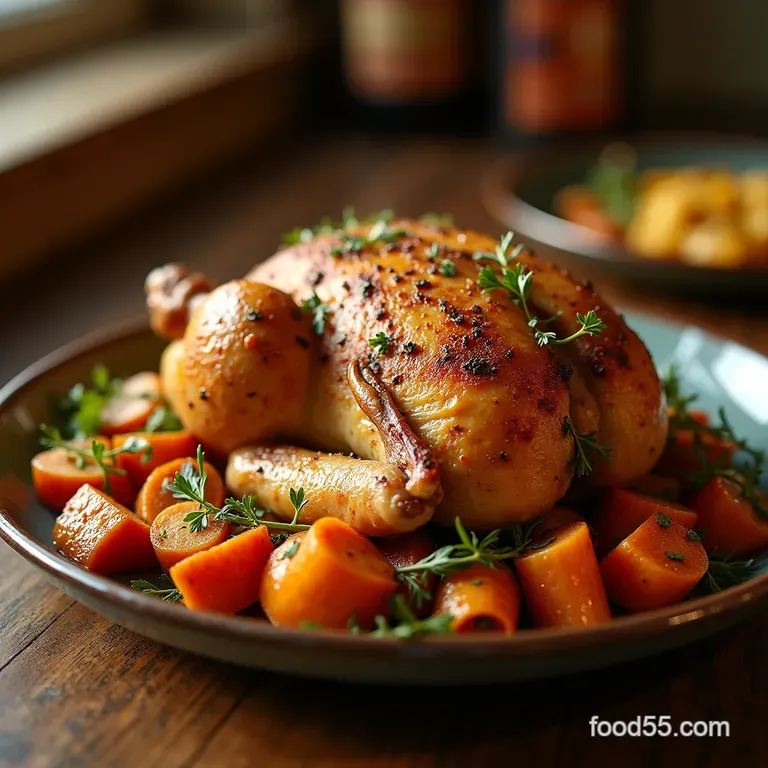
The vegetables here aren't just side characters; they are crucial flavor absorbers, soaking up the flavorful drippings from the cooking chicken. For optimal texture, choose hardy roots that roast evenly. I recommend two large carrots and two substantial parsnips, both peeled and cut uniformly into one-inch chunks.
Pairing these with a large yellow onion, cut into thick wedges, and about a pound of small Yukon Gold potatoes, halved, provides a perfect balance of earthy sweetness and starchiness.
The Aromatic Bouquet: Herb Crust Necessities
The flavor of this Roasted Dish is carried by the butter mixture. You will need a full eight tablespoons of unsalted butter, softened beautifully to room temperature this ensures it can be thoroughly incorporated with the aromatics.
Into this base go four finely minced cloves of garlic, a generous tablespoon each of finely chopped fresh rosemary and thyme leaves, the bright zest of one lemon, coarse sea salt, and freshly cracked black pepper. The freshness of the herbs is paramount here.
Poultry Prep: Choosing and Preparing Your Chicken
Select a whole chicken weighing around four pounds. Crucially, remove any giblets from the cavity. Allow the chicken to sit out of the refrigerator for a full hour before cooking; this allows the meat temperature to rise slightly, promoting more even cooking.
The absolute most vital step, as mentioned, is using paper towels to pat the entire surface, including inside the cavity, until it feels genuinely dry to the touch.
Essential Kitchen Gear for Optimal Heat Distribution
For this recipe, utilizing a sturdy roasting pan that includes a wire rack is highly recommended. The rack is essential because it elevates the chicken above the vegetables, allowing air to circulate entirely around the bird. This airflow is what guarantees that the underside of the skin doesn't steam and turn flabby.
If you are looking to invest, consider a quality Roasting Dish Set that includes racks for versatility across different Roasted Dishes .
Precision Measurement: Ensuring Ingredient Harmony
While seasoning requires a confident hand, the herb butter mixture demands accuracy. The ratio of butter to herbs ensures the crust adheres properly without becoming greasy or falling off during carving.
Remember to save the cavity stuffing quartered onion and lemon wedges which steam gently, keeping the interior meat moist while infusing subtle citrus and onion notes from within.
Related Recipes Worth Trying
- Crispy Five Spice Roasted Chicken Legs Recipe Easy Weeknight Dinner — Whip up unbelievably tender Five Spice Roasted Chicken Legs with crispy skin This easy oven recipe uses a simple Chinese 5 Spice rub for big Asian flavors
- Crispy Cacio e Pepe Brussels Sprouts Recipe Roasted Sides — Transform boring sprouts This Cacio e Pepe Brussels Sprouts Recipe delivers crispy texture coated in creamy peppery Pecorino A musttry side
- OnePan Balsamic Chicken with Roasted Tomato and Red Onion — Need a simple flavourful chicken dinner This onepan Chicken with Roasted Tomato and Red Onion is packed with Mediterranean flavour and ready fast
Phase One: Prepping the Foundation for Success
Once your components are ready, the initial phase focuses on assembling the infrastructure for the roast. Preheat your oven aggressively to 425° F ( 220° C).
While it heats, prepare the vegetables: toss them directly in your roasting pan with two tablespoons of olive oil, dried oregano, salt, and pepper. Next, address the chicken. Take half of your prepared herb butter and gently work it under the skin over the breasts and thighs.
Rub the remaining butter externally over the skin. Season the exterior aggressively with extra salt and pepper this extra seasoning is key to that shatteringly crisp finish. Stuff the cavity with the prepared onion and lemon, and place the bird directly on top of the vegetable bed.
The Main Event: Achieving Perfect Internal Temperatures
The cooking process begins with that initial high temperature blast at 425° F ( 220° C) for 20 minutes. This short burst sets the skin beautifully and begins the rendering process.
After this initial shock, you must immediately reduce the oven temperature down to 375° F ( 190° C). This lower, sustained heat allows the dense root vegetables to tenderize and the chicken to cook through gently without scorching the exterior crust.
Transforming Raw Veggies into Caramelized Jewels
The roots benefit immensely from the fat dripping down from the chicken. As the roast progresses, make sure to check the vegetables at least halfway through the lower temperature cooking phase. Give them a gentle toss to ensure they are not sticking and are evenly coated in the accumulated juices.
This tossing helps them achieve that coveted caramelized exterior while they soften internally.
Mastering the Herb Rub Application Technique
The technique of getting the butter under the skin cannot be overstated. Use gentle but firm fingers to create a pocket between the skin and the muscle tissue, being careful not to tear the skin away from the meat entirely, which would cause it to dry out.
By inserting the butter directly onto the flesh, you are effectively creating an internal basting agent that keeps the breast meat succulent while the exterior butter crisps.
The Art of Pan Arrangement for Even Cooking
Ensure the chicken is relatively centered, and the vegetables surround it, not completely burying it. The goal is maximum skin exposure to the hot oven air. If you happen to be roasting smaller items like Sausage Stuffed Mushrooms alongside the main event, ensure they are placed on the periphery where heat exposure might be slightly lower, preventing them from burning before the main course is complete.
Basting Schedule: When and How to Maintain Moisture
Interestingly, for this specific recipe, traditional basting is discouraged, especially after the initial 30 minutes. Why? Dipping the already crisp, salty skin into the rendered fat repeatedly reintroduces moisture, leading to that undesirable soft texture.
The internal herb butter handles the moisture content beautifully. Trust the process; the herb butter is your internal source of succulence.
Resting Protocol: The Non-Negotiable Final Step
Once your meat thermometer reads 165° F ( 74° C) in the thickest thigh area, immediately remove the entire Roasted Dish from the oven. Transfer the chicken to a clean cutting board and tent it loosely with foil.
This resting period, ideally 20 to 30 minutes, is absolutely mandatory. During this time, the contracted muscle fibers relax, reabsorbing the juices that were driven to the center during cooking. Carving too early results in a dry bird and a puddle of flavorless liquid on your board.
Troubleshooting Common Pitfalls in Your Roasted Dish Experience
The most common issue encountered when making Roasted Dishes is uneven cooking either dry meat or soggy skin. If your skin is browning too rapidly during the low-temperature phase, lightly tent the bird with foil without pressing down on the skin.
If your vegetables are clearly done before your meat reaches temperature, consider pulling them out and keeping them warm while you let the chicken finish its final 15 minutes of cooking.
Flavor Expansion: Next Level Variations and Pairings
While our primary focus is chicken, the methodology here is adaptable. Consider swapping the chicken for a whole duck or even substantial pork shoulder for different Roasted Dishes .
For a vegetarian twist that still honors the concept of a hearty, slow cooked centerpiece, you could prepare a spectacular medley of Roasted Dishes Veg such as large cauliflower florets and thick cut fennel, seasoned heavily with smoked paprika and lemon juice.
My Top Three Secrets for Avoiding Dry Meat
First off,, always start the chicken cold-to-room temperature never cook a straight from-the-fridge bird. Next,, ensure adequate seasoning under the skin. Thirdly, monitor that internal temperature religiously; pulling the chicken a few degrees shy of the final temperature and allowing carry over cooking to complete the job is the ultimate insurance policy against dryness.
Maximizing Flavor: Alternative Root Vegetable Combos
While carrots and parsnips are classic, don't hesitate to experiment. Consider combining cubed sweet potatoes, Brussels sprouts (halved), and small red onions for a sweeter, more robust flavor profile.
If you enjoy savory depth, you might even try incorporating some Parmesan Crusted cauliflower amongst the roots for the last 30 minutes of roasting, adding a sharp, salty counterpoint.
Storage Duration and Reheating Techniques for Textural Integrity
Leftovers from this magnificent Roasted Dish should be stored in airtight containers. For the best results when reheating chicken, slice it first and gently warm it in a saucepan with a splash of chicken stock or broth, covered, over low heat until just warmed through.
This prevents the meat from drying out further. Vegetables can typically be crisped up briefly under a broiler.
Wine Pairings That Complement This Savory Roast
The robust herbs and rich chicken fat call for a wine with good structure but balanced acidity. A medium bodied, earthy Pinot Noir is a traditional match that complements the herbaceous notes beautifully.
Alternatively, for white wine enthusiasts, a slightly oaked, full bodied Chardonnay, perhaps from Burgundy, can stand up to the richness of the roast without overwhelming the subtle flavors of the root vegetables.
Recipe FAQs
Why is my Roasted Dish skin coming out soggy instead of crispy?
Ah, the bane of every home cook! The primary culprits are moisture and lack of airflow. Make sure you pat the chicken absolutely bone dry before seasoning, as surface moisture turns to steam.
Also, ensure you are roasting on a rack so the bottom skin isn't sitting in the drippings; that’s a guaranteed way to lose that lovely crackle.
How do I know when this Roasted Dish is perfectly cooked without drying out the breast meat?
You absolutely must use a meat thermometer it's the difference between a dry bird and a masterpiece. Insert it into the thickest part of the thigh, avoiding the bone. Pull the chicken when it registers 160°F (71°C); the carry over heat during the mandatory rest will bring it up to the safe 165°F (74°C) mark while keeping the breast tender.
Can I roast different vegetables with the chicken, or should I stick to roots?
Feel free to mix and match, but do be mindful of cooking times! Heartier vegetables like carrots and potatoes are perfect as they can handle the long roast. If you introduce quicker cooking items like asparagus or mushrooms, add them halfway through the cooking time so they don't turn to mush beside your magnificent Roasted Dish.
I don’t have fresh herbs; what’s the best substitute for the herb butter?
Don't fret if your garden's a bit sparse! Dried herbs work in a pinch, but remember they are more concentrated than fresh ones. Use about one-third the amount of dried herbs compared to the recipe's fresh measurements so roughly 1 teaspoon of dried rosemary and thyme combined.
They should be mixed thoroughly into the softened butter before application.
How should I store leftover Roasted Chicken, and is it good for lunch the next day?
Leftovers are a British institution! Once completely cooled, store the chicken and vegetables in airtight containers in the fridge for up to three days. It’s brilliant cold in a sandwich the next day, perhaps with a smear of Branston pickle, or you can gently reheat it the day after in a moderate oven to revive some of that lovely texture.
Herb Roasted Chicken Dish
Ingredients:
Instructions:
Nutrition Facts:
| Calories | 1426 kcal |
|---|---|
| Protein | 17.4 g |
| Fat | 55.1 g |
| Carbs | 95.9 g |
| Fiber | 41.1 g |
| Sodium | 10297 mg |
