Pumpkin Snickerdoodles the Ultimate Recipe for Soft Chewy Autumn Comfort
- Why These Pumpkin Snickerdoodles Will Become Your Ultimate Autumn Tradition
- Sourcing the Core Components for Supreme Pumpkin Snickerdoodles
- Essential Tools for Uniform Cookie Baking
- A Step and by-Step Guide to Crafting the Perfect Dough
- Baking and Finishing Your Spiced Pumpkin Snickerdoodles
- Optimizing Your Batch and Common Troubleshooting
- Frequently Asked Questions About Pumpkin Snickerdoodle Success
- Recipe FAQs
- 📝 Recipe Card
Why These Pumpkin Snickerdoodles Will Become Your Ultimate Autumn Tradition
Let’s be honest, trying to make a successful pumpkin cookie is a high and stakes baking game. Most recipes give you something that tastes fine, but the texture is all wrong. It ends up being a puffy, cakey, slightly sad muffin top masquerading as a cookie. Hard pass.
I spent three seasons perfecting this recipe because I desperately wanted the best of both worlds: that classic, tangy, chewy Snickerdoodle vibe plus the earthy, spiced warmth of pumpkin.
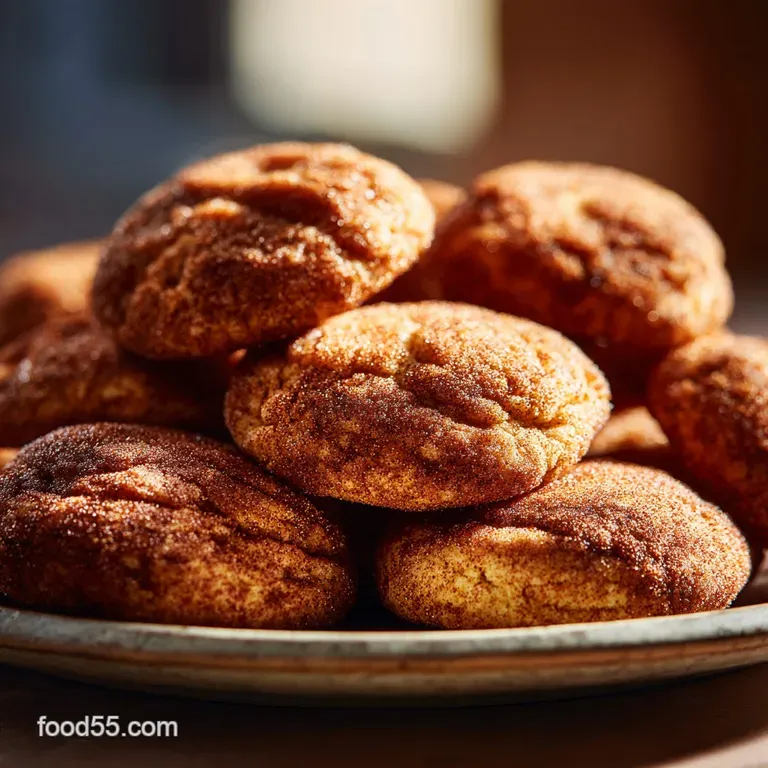
This isn’t just a basic pumpkin snickerdoodles recipe; this is the one that gives you that incredible crinkle on top, stays soft for days, and tastes exactly like cozy autumn memories. Seriously, forget the pumpkin bread this year. This is the new champion.
Defining the Perfect 'Snickerdoodle Crinkle'
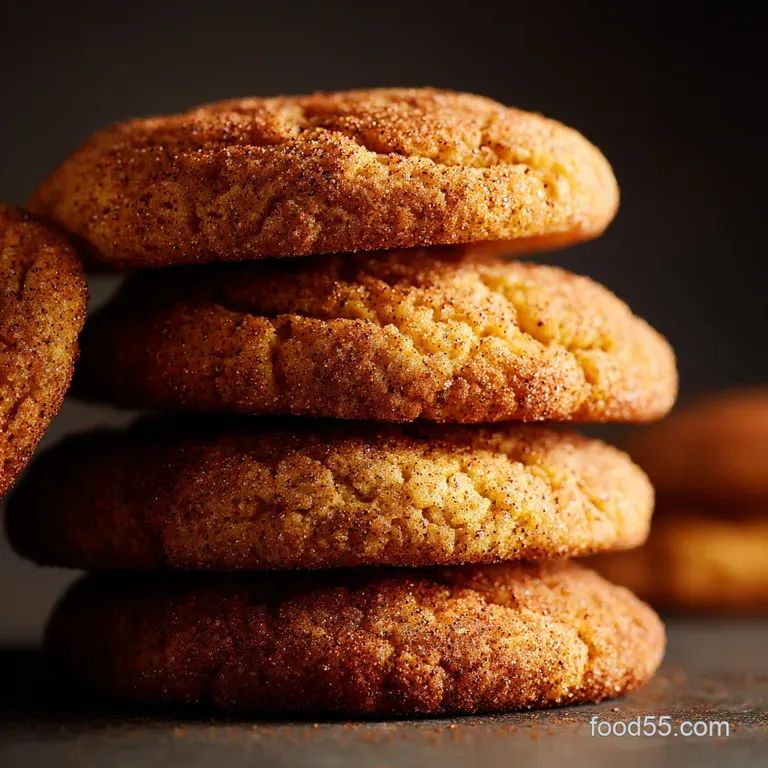
What even is the "crinkle"? It's the hallmark of a proper Snickerdoodle. It’s that beautiful pattern of tiny fissures on the surface, often dusted white with sugar. It happens because we use a specific combination of chemical leaveners baking soda and cream of tartar which rapidly expand in the high oven heat, pulling the surface apart before the structure sets.
We push that effect even further here by rolling the cold dough generously in that cinnamon and sugar coating. The melting sugar hardens into that shiny, crackly shell.
The Essential Flavor Secret: Why Cream of Tartar Matters
Okay, I know you’re tempted. "Can I just use baking powder and skip the cream of tartar?" Please don't. While it might still result in an acceptable cookie, you lose the defining factor of a Snickerdoodle: the tang.
Cream of tartar is potassium bitartrate (a fancy name for a powdered acid). When combined with the baking soda in the recipe, it produces the necessary carbon dioxide for lift, but it also imparts a slight, brilliant lemony tang that balances the overwhelming sweetness of the sugar and cuts through the richness of the butter and pumpkin.
It’s non and negotiable if you want the real thing.
I’m telling you now: If you are looking for pumpkin snickerdoodles without cream of tartar, you are signing up for a slightly flatter, sweeter, less complex cookie. It’s simply not the optimal path.
Achieving That Ideal Chewy and Soft Texture in Pumpkin Cookies
This is where most easy pumpkin snickerdoodles fail. Pumpkin purée is almost all water, which means it develops gluten like crazy and turns your dough sticky and wet. To combat this, we do two key things:
- Use the Right Sugar Blend: Granulated sugar promotes spread and crispness; brown sugar adds depth and moisture retention thanks to the molasses. We use both, but the brown sugar is the MVP for chewiness.
- Use Just Enough Flour (and no more!): Because the amount of moisture in canned pumpkin can vary slightly, you need to rely on the feel of the dough. It should be workable and rollable after chilling, but still quite soft. Don't add extra flour just because the dough seems sticky before chilling. Trust the chill.
Sourcing the Core Components for Supreme Pumpkin Snickerdoodles
This recipe is simple, but simple recipes demand high and quality ingredients. Seriously, go for the good stuff here. Use a butter that tastes amazing. Use proper vanilla. And if you’re using that dusty tin of cinnamon from 2018, please toss it.
The coating is half the flavor profile, and you need that cinnamon to be punchy .
Essential Tools for Uniform Cookie Baking
You can certainly use a tablespoon to portion these, but if you want the best pumpkin snickerdoodle recipe results, get yourself a cookie scoop. It makes the rolling process faster and ensures that every cookie bakes at the exact same rate.
Consistency is key to avoiding those sad, burnt edges on the smaller cookies in the batch.
- Cookie Scoop (1.5 2 oz): This is my number one tool for uniform baking.
- Parchment Paper: Prevents sticking and makes cleanup a breeze.
- Digital Scale: (Optional, but brilliant) If you struggle with flour measurements, a scale removes all the guesswork.
Fresh Purée vs. Canned: Making the Right Pumpkin Choice
I know, it feels virtuous to use fresh pumpkin purée, right? Wrong.
For baking where structure is paramount, canned is almost always better. Why? Because the moisture content in canned purée is extremely consistent (and usually denser) compared to what you can achieve boiling and draining a fresh pumpkin at home.
If you insist on using fresh, you must cook it down heavily and drain off any excess water you need it thick, almost like dense mashed potatoes.
However, the simple path to success here is just picking up a can of 100% pure pumpkin. Crucially, make sure it says '100% Pure Pumpkin' and NOT 'Pumpkin Pie Filling.' The pie filling is full of sweeteners and added thickeners that will absolutely destroy the texture of the dough.
Mastering the Autumnal Spice Blend Ratio
I’m adding 1 1/2 teaspoons of pumpkin pie spice directly into the dough. That’s probably more than you’d put in a typical drop cookie. Why so much? Because the Snickerdoodle flavor relies heavily on the coating, we need the underlying pumpkin flavor to really shine through and hold its own.
My spice blend opinion (and it's a strong one): don't skimp on the cinnamon in the rolling mixture. Two generous tablespoons is the sweet spot. When you combine that fragrant dough spice with the intense cinnamon coat, it’s magic.
Ensuring Proper Butter Temperature Before Creaming
This is the mistake I made for years. I’d try to rush it, stick the butter in the microwave, and get gloppy, semi and melted butter. That’s a no and go.
When creaming, you are literally forcing air into the fat and sugar mixture. This process gives your cookies their initial lift and structure. If your butter is too cold, the air pockets won't form. If your butter is too soft (oily or melted), the fat can’t hold the air.
The test: You should be able to press your finger gently into the butter and leave a clean indentation, but your finger shouldn't sink through immediately. This is proper room temperature butter. It should take about an hour sitting on the counter. Patience, grasshopper.
Related Recipes Worth Trying
- The Foolproof NoBake Pumpkin Fluff Recipe Ready in 15 Mins — This easy Pumpkin Fluff Dessert is the nobake hero of autumn Its light creamy and spiced perfectly Forget the faff this velvety pumpkin cream is ready in 15...
- The Best Mini Pumpkin Pies Recipe Buttery Crust Creamy Filling — Master these perfect pintsized Mini Pumpkin Pies Our foolproof recipe uses a flaky allbutter crust and sweet condensed milk for creamy texture Get baking
- Skinny Pumpkin Pie Recipe Full Flavour Less Guilt — Bake an easy low calorie pumpkin pie that doesnt skimp on the spice This healthy dessert uses smart swaps for a perfect velvety slice Get the recipe
A Step and by-Step Guide to Crafting the Perfect Dough
Let’s crack on. Mixing Snickerdoodle dough is a rhythmic process, but you need to pay attention to when you stop mixing especially with the added pumpkin moisture.
- Dry Ingredients First: Whisk your flour, salt, leaveners, and spices together really well. This ensures those essential chemical leaveners are evenly distributed.
- Creaming: Beat the butter, granulated sugar, and brown sugar until they look visibly paler and fluffy. Don't underestimate this step; it takes a full 3– 4 minutes with a stand mixer.
- Wet Mix and ins: Add the egg and vanilla. Mix until just combined.
- The Pumpkin Moment: Add the half cup of pumpkin purée. It’s going to look weird and maybe slightly broken or curdled at this point. That’s okay. The fat and the water aren't friends yet. Mix it low and slow until it looks mostly homogenous.
- Fold in the Flour: Add the dry ingredients in two stages.
Baking and Finishing Your Spiced Pumpkin Snickerdoodles
This final stage separates the pros from the casual bakers. Temperature control, timing, and chilling are everything now.
Combining Wet and Dry: Preventing Overmixing for Tender Results
As soon as flour meets liquid, gluten starts developing. The more you mix, the tougher and drier your final cookies will be. When you add that final batch of flour, mix it on the lowest setting and stop the mixer the absolute second you can no longer see streaks of dry flour.
I often finish the last few folds by hand with a rubber spatula just to be extra careful. This keeps the cookie incredibly tender.
The Non and Negotiable Step: Chilling the Dough Properly
I know, you're hungry, and 30 minutes seems like an eternity. But if you skip the chill, those pumpkin snickerdoodle cookies are going to spread faster than gossip at a family reunion.
The fat needs to firm up. The starches in the flour need time to absorb the high moisture content introduced by the pumpkin. A 30 to 60 minute chill is the minimum. If your kitchen is warm, aim for the full hour. This makes the dough easier to handle and guarantees you thick, chewy centres.
Shaping and Rolling: Getting That Signature Cinnamon and Sugar Coating
The dough will still be tacky, but manageable after chilling. Use a cookie scoop to portion out equally sized balls (1.5 Tbsp is perfect). Now, roll them gently between your palms to smooth them out.
Immediately drop the smooth dough ball into your cinnamon and sugar mixture. Roll it aggressively you want a thick, heavy coat, not just a light dusting. That high sugar concentration on the outside is what helps form the crinkles and keeps the pumpkin from dominating the surface texture.
Oven Temperature Control for Even Crinkles
We bake these pumpkin snickerdoodles cookies at a relatively high temperature (375°F or 190°C). Why? The sudden blast of heat causes the cookie edges to set quickly while the centre is still rapidly rising. This rapid expansion creates those deep cracks and crinkles we love.
Make sure you rotate the pan halfway through the bake (around the 5 minute mark) to ensure even heat distribution and uniform colouring.
Recognizing the Exact Moment Cookies Are Fully Baked
Please, do not wait until these look golden brown. That’s the classic mistake.
A perfectly baked Snickerdoodle is removed from the oven when the edges are set and just starting to look a tiny bit golden, but the centres still look slightly puffy and soft, perhaps even a bit pale. They will be fragile.
Leave them on the hot sheet for 5 minutes after they come out. That residual heat finishes the cooking process without turning them into dry discs. After 5 minutes, transfer them to a wire rack to cool completely.
Optimizing Your Batch and Common Troubleshooting
The key to the best pumpkin snickerdoodle recipe is practice. Once you get the feel of the dough, you're golden.
| Problem | Likely Cause | Solution |
|---|---|---|
| Cookies Spreading Too Thin | Butter too warm or dough not chilled long enough. | Chill the dough for another 30 minutes; ensure butter was properly softened, not melted. |
| Too Cakey/Dry | Overmixed dough or too much flour added. | Measure flour by weight next time (270g) and mix only until combined. |
| Lost the Signature Tang | Substituted cream of tartar with baking powder. | Stick to the original recipe! |
Frequently Asked Questions About Pumpkin Snickerdoodle Success
Handling Dough That Seems Too Sticky or Wet
Listen, this dough is sticky. It’s unavoidable because of the water in the purée. If you’ve chilled it for an hour and it’s still unworkable, add a tablespoon of flour at a time until it's manageable, mixing only minimally.
You can also lightly dust your hands with flour when rolling. If you’re trying to make pumpkin snickerdoodles gluten-free, you absolutely must use a dedicated GF blend that contains xanthan gum, and even then, you might need to increase the chilling time substantially (up to 2 hours).
Flavor Variations: Adding a Twist to the Classic Recipe
I love a classic, but sometimes you need a little something extra.
- White Chocolate Pumpkin Snickerdoodles: Fold 1/2 cup of white chocolate chips into the dough after mixing the flour. White chocolate works beautifully with the spices.
- Ginger Zing: Add 1/2 teaspoon of ground ginger and 1/4 teaspoon of black pepper to the spice mix in the dough for extra heat.
- Nutty Crunch: Roll the dough balls in the cinnamon sugar and then lightly in finely chopped pecans or walnuts before baking.
Safe Storage and Freezing Methods for Cookie Dough and Baked Treats
This is a great recipe for prepping ahead.
- Dough: Roll the dough into balls, coat them in cinnamon sugar, and place them on a tray in the freezer until solid. Transfer the frozen, coated balls into a zip and top bag. They keep for up to 2 months. Bake straight from frozen, adding 2– 3 minutes to the baking time.
- Baked Cookies: Store cooled cookies in an airtight container at room temperature for up to 5 days. They tend to stay soft thanks to the pumpkin and brown sugar.
Can I Substitute Cream of Tartar?
As mentioned, you lose the signature tang. However, if you absolutely cannot get your hands on it, you can substitute the 2 tsp cream of tartar and 1 tsp baking soda with 2 1/2 teaspoons of baking powder .
The cookies will still rise, but the flavour profile will lean more towards a very soft, heavily spiced sugar cookie.
Calculating Nutritional Values Per Cookie
I am a home cook, not a registered nutritionist (I bake too much for that title). The estimated nutritional chart above gives you a rough idea, but remember that the exact values will vary based on how accurate your scoop size is. The smaller your scoop, the lower the calories, naturally.
Don't stress too much these are worth every single carb!

Recipe FAQs
Why did my Pumpkin Snickerdoodles turn out thin and flat, rather than soft and puffy?
Flat cookies are almost always a result of warm dough or overly soft butter, as the pumpkin adds extra moisture; ensure you chill the dough for the full 30 60 minutes, and use level scoops of flour for the best structure.
I haven't got any cream of tartar is there a sneaky substitution I can use?
If you're caught short, you can substitute the 2 teaspoons of cream of tartar and 1 teaspoon of baking soda with 2 1/2 teaspoons of standard baking powder, though you will lose some of that signature Snickerdoodle tang.
What's the fuss about using pumpkin purée vs. pumpkin pie filling?
Using pie filling is a major baking faux pas! Pie filling contains excess sugar, spices, and thickeners that will add too much liquid and sweetness, completely ruining the cookie's delicate texture and causing excessive spreading.
How long will these delightful cookies keep fresh in the biscuit tin, and can I freeze them?
Kept in a proper, airtight biscuit tin at room temperature, the baked cookies will stay lovely and soft for 4 5 days; alternatively, the unbaked dough balls freeze brilliantly for up to three months.
These are rather indulgent; is there a lighter way to serve or adapt them?
To lighten them up, pair them with a simple mug of black tea or serve them without any heavy accompaniments, and remember that each cookie is estimated to be approximately 140-150 kcal for mindful enjoyment.
Highly Spiced Pumpkin Snickerdoodles Recipe
Ingredients:
Instructions:
Nutrition Facts:
| Calories | 150 calories |
|---|---|
| Fat | 6 g |
| Fiber | 0.5 g |
