Duck Confit: Failure-Proof and Crispy
- Time: Active 40 min, Passive 27 hours 10 mins, Total 27 hours 50 mins
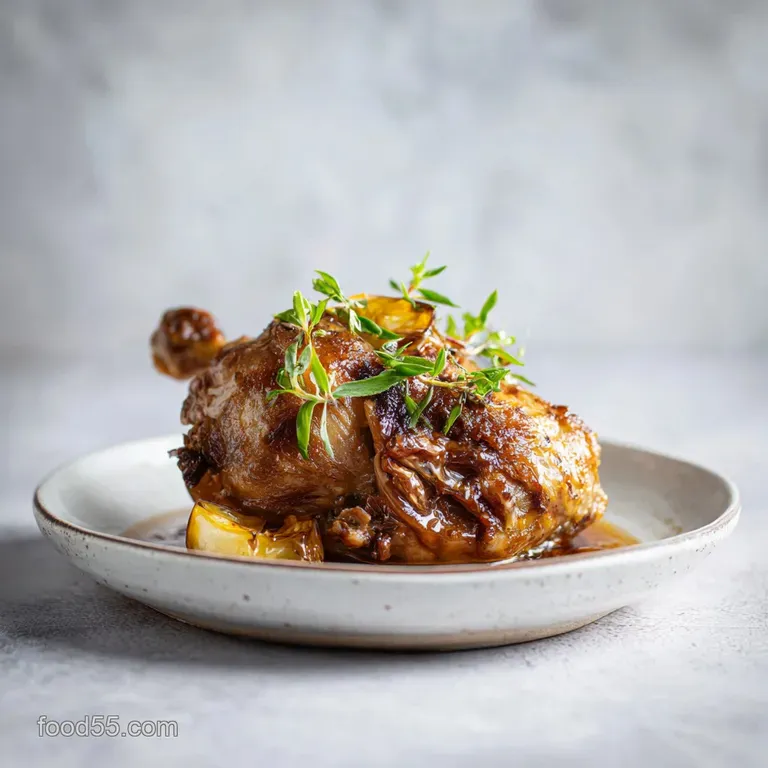
- Flavor/Texture Hook: Shattering mahogany skin with succulent, pull apart meat
- Perfect for: Winter dinner parties or a slow paced Sunday project
- Savoring a Slow Cooked Duck Confit
- The Secret to Tender Meat
- The Role of Each Ingredient
- The Essential Duck Tool Kit
- Step-by-Step Cooking Guide
- Fixing Common Duck Mistakes
- Creative Flavor Swaps
- Saving and Reusing Duck
- The Best Side Pairings
- Plating Your Duck Leg
- Common Kitchen Myths
- Recipe FAQs
- 📝 Recipe Card
Savoring a Slow Cooked Duck Confit
The scent of warming duck fat and rosemary always takes me back to a rainy November evening at my parents' place. We had this huge, rustic table and a pot that had been simmering for hours, filling the whole house with a rich, savory aroma that promised something special.
It's the kind of meal that demands you slow down, put on some jazz, and pour a heavy glass of red wine while the oven does the hard work.
I remember the first time I tried this, I was terrified of over salting the meat. But that's the beauty of it, the salt isn't just for flavor, it's the tool that prepares the meat for its long bath in fat. When that skin finally hits the cast iron and starts to sizzle, there's a specific kind of magic in the kitchen.
It's a celebratory dish, really, meant for those moments when you want to show someone you've put in the time and effort.
Whether you're hosting a festive get together or just want to treat yourself to a bit of French luxury, this recipe delivers that iconic contrast of a crispy exterior and a melt in-your mouth interior.
Trust me on this, the wait is the hardest part, but the first bite of that shattering crust makes every single minute worth it. We're talking about a dish that feels like a warm hug on a cold night.
The Secret to Tender Meat
Instead of high heat, we use a gentle, steady simmer to break down the connective tissues without drying out the protein.
- Salt Draw: The cure pulls moisture out of the meat, allowing the fat to penetrate deeper and seasoning the duck from the inside out.
- Fat Insulation: Submerging the legs prevents evaporation, which keeps the meat velvety and prevents it from becoming stringy.
- Low Temp Breakdown: Keeping the temperature around 225°F allows collagen to turn into gelatin slowly, which creates that signature succulent feel.
- The Final Sear: Intense heat at the end renders the remaining subcutaneous fat, turning the skin into a thin, crisp shell.
| Thickness | Internal Temp | Rest Time | Visual Cue |
|---|---|---|---|
| Standard Leg | 175°F - 185°F | 5 mins | Meat pulls away from bone |
The Role of Each Ingredient
Understanding what each element brings to the pot helps you control the final flavor. Most of these are local staples that provide a vibrant balance to the rich fat.
| Ingredient | Science Role | Pro Secret |
|---|---|---|
| Kosher Salt | Dehydrates & Cures | Use coarse grains for more even distribution |
| Duck Fat | Heat Transfer | Filter it through cheesecloth for a cleaner taste |
| Honey | Glazing Agent | Local wildflower honey adds a floral note |
| Balsamic Vinegar | Acidity Balance | Cuts through the richness of the fat |
The Essential Duck Tool Kit
You don't need a professional kitchen, but a few specific items make a world of difference. Honestly, don't even bother with thin pots; you need something that holds heat steadily.
A heavy bottomed Dutch oven is non negotiable here. It distributes the heat evenly so you don't get hot spots that could overcook the meat. If you use a thin pan, the fat can spike in temperature, and you'll lose that velvety texture.
I prefer a cast iron skillet for the final sear because it provides a consistent, over high heat surface that guarantees the skin will shatter.
For the cure, a simple glass container with a tight lid or a high-quality plastic wrap works. The goal is to keep the salt in direct contact with the skin and meat without letting the fridge air dry it out too quickly.
If you have a digital meat thermometer, keep it handy to monitor the fat temperature, as a few degrees can be the difference between a simmer and a boil.
step-by-step Cooking Guide
Right then, let's get into the process. This is a multi day project, so plan your timing around your event.
- Coat the duck legs evenly with the kosher salt, minced garlic, thyme, cracked peppercorns, and crumbled bay leaves. Note: Rub the salt deep into the crevices around the bone.
- Place the seasoned duck legs in a sealed container or wrap in plastic and refrigerate for 24 hours to cure.
- Thoroughly rinse the salt off the duck legs under cold water and pat completely bone dry with paper towels. Note: Any remaining water will cause the fat to splatter.
- Gently heat 1 liter of duck fat in a heavy bottomed Dutch oven until it reaches 225°F (107°C).
- Carefully submerge the duck legs and whole garlic cloves and rosemary sprigs in the fat.
- Maintain a steady simmer between 200°F and 225°F for 3 to 3.5 hours until the meat is tender and begins to pull away from the bone.
- Remove the legs from the fat and let them chill briefly.
- Heat a cast iron skillet with reserved duck fat and sear the legs until the skin achieves a deep mahogany, shattering crust.
- Prepare the sauce by combining honey, balsamic vinegar, reserved duck fat, and parsley, and drizzle over the finished legs.
Fixing Common Duck Mistakes
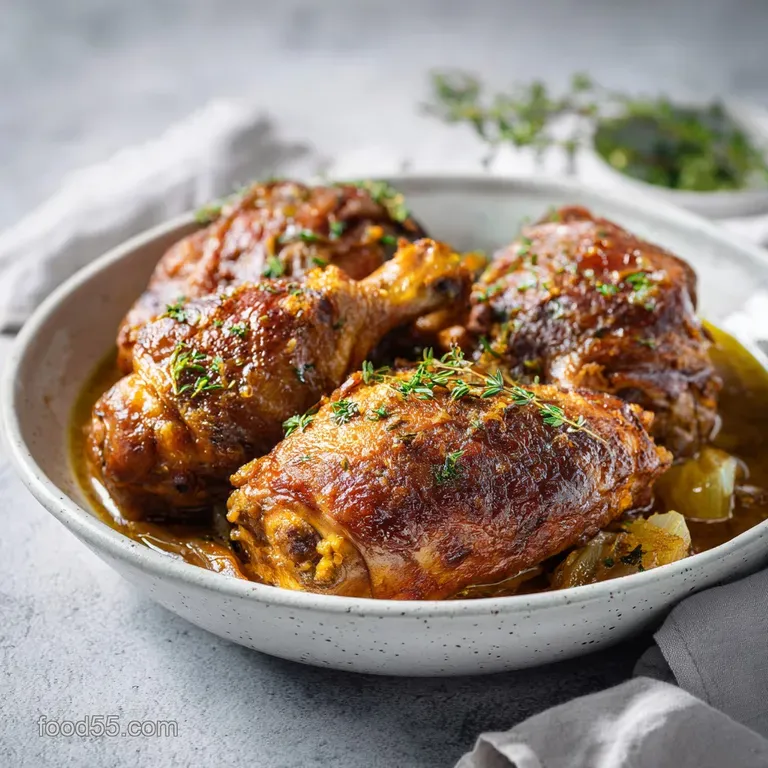
The most common issue is the skin. If it's not shattering, it's usually because there was moisture left on the skin before it hit the pan. Another quirk is the salt; if you don't rinse it properly, the dish can become overwhelming.
Why Your Skin is Rubbery
This usually happens if the pan wasn't hot enough or if the duck legs were too cold when they hit the skillet. You want a violent sizzle immediately. If the fat isn't shimmering, wait another minute.
Why the Meat is Too Salty
Over curing or insufficient rinsing is the culprit here. If you find the meat is too salty after the poach, soak the legs in lukewarm water for 20 minutes before searing.
| Problem | Root Cause | Solution |
|---|---|---|
| Rubbery Skin | Pan too cold | Increase heat until fat shimmers |
| Over salted | Poor rinsing | Soak legs in warm water 20 mins |
| Meat is Dry | Fat temp too high | Keep simmer between 200°F-225°F |
Mistakes to Avoid Checklist - ✓ Pat chicken or duck completely dry before searing (prevents steaming) - ✓ Use a thermometer to ensure fat doesn't boil (prevents toughness) - ✓ Don't overcrowd the skillet during the final sear - ✓ Ensure legs are fully submerged in fat to
avoid uneven cooking
Creative Flavor Swaps
If you want to change the profile of your duck duck confit, you can play with the aromatics in the cure. While the classic thyme and garlic are unbeatable, a few tweaks can shift the mood.
For a more Mediterranean feel, try swapping the thyme for fresh oregano and adding a strip of lemon zest to the cure. If you're looking for something with a bit more depth, you can replace the balsamic vinegar in the sauce with a splash of aged soy sauce for a salty, umami punch.
If you don't have duck fat on hand, you can use high-quality goose fat or even a neutral oil like grapeseed, though the flavor won't be as rich. For those who love other slow cooked meats, the technique here is very similar to a Pork Belly Confit, which uses a similar fat poaching method to achieve that same velvety texture.
| Original Ingredient | Substitute | Why It Works |
|---|---|---|
| Duck Fat (1 liter) | Goose Fat (1 liter) | Similar saturated fat profile. Note: Slightly milder flavor |
| Honey (2 tbsp) | Maple Syrup (2 tbsp) | Similar viscosity and sweetness. Note: Adds woody notes |
| Balsamic Vinegar | Sherry Vinegar | Similar acidity. Note: Lighter, more nutty finish |
Saving and Reusing Duck
One of my favorite parts of this recipe is the "liquid gold" left in the pot. Never, ever throw away that rendered duck fat. It's a powerhouse of flavor that can be used for months.
Storage Guidelines Keep the cooked duck legs submerged in their own fat in a sterilized jar in the fridge for up to 4 days. For longer storage, you can freeze them in the fat for up to 3 months. When you're ready to eat, just gently thaw and proceed to the searing step.
Zero Waste Tips Strain the leftover fat through a fine mesh sieve and store it in a glass jar. Use it to roast seasonal root vegetables or fry up some potatoes for a truly decadent side.
The garlic cloves and rosemary sprigs from the poach can be blended into a compound butter for serving with crusty bread.
The Best Side Pairings
Since this is such a rich, velvety dish, you need sides that bring acidity and freshness to cut through the fat. I love pairing this with a bright, citrusy salad or a tart apple puree.
If you're planning a full feast, consider something earthy. A side of roasted root vegetables or a wild mushroom risotto works brilliantly. If you're in the mood for another rustic poultry dish to serve alongside it, my Hen in Woods recipe offers a similar comfort food vibe that complements the richness of the confit.
For the most balanced plate, I recommend a side of braised red cabbage with apple. The sharpness of the vinegar and the sweetness of the fruit act as a palate cleanser between bites of the rich duck.
Plating Your Duck Leg
Depending on who you're serving, you can change how this looks on the plate. It's a versatile dish that can go from "country kitchen" to "fine dining" in seconds.
- - Simple
- Place the leg atop a mound of mashed potatoes, drizzle the honey balsamic sauce over the top, and garnish with a pinch of fresh parsley.
- - Polished
- Swipe a spoonful of parsnip puree across the plate. Place the leg slightly off center and add a few roasted baby carrots and a drizzle of the reduced sauce.
- - Restaurant
- Use a wide white plate. Place a small circle of puree, set the leg precisely on top, and adorn with micro greens and a few drops of the balsamic reduction.
| Level | Base Element | Garnish | Sauce Style |
|---|---|---|---|
| Simple | Mashed Potatoes | Parsley | Generous Drizzle |
| Polished | Parsnip Puree | Baby Carrots | Precise Line |
| Restaurant | Pomme Purée | Micro greens | Droplet Reduction |
Common Kitchen Myths
There's a common belief that searing the meat "seals in the juices." This is actually a myth. Moisture loss happens regardless of whether you sear or not. The reason we sear the duck is for the texture and the flavor that mahogany crust is all about the Maillard reaction, not about locking in liquid.
Another misconception is that you must use a professional vacuum sealer for the cure. While it helps, a simple sealed container or tight plastic wrap does the job just fine. The salt does the work of penetrating the meat through osmosis, regardless of the vacuum level.

Recipe FAQs
What is duck confit exactly?
It is a French preservation method. The meat is cured in salt and aromatics, then slow poached in its own fat for several hours to keep it moist and tender.
Why is duck confit so good?
The slow poaching process transforms the texture. Cooking at a low, steady temperature breaks down tough connective tissues while the final sear creates a high contrast, crispy skin.
What does duck confit taste like to eat?
It tastes rich, savory, and deeply concentrated. The flavor is more intense than roast duck, featuring salty, herbal notes balanced by a sweet honey and balsamic glaze.
Is duck confit healthy to eat?
No, it is a very rich, high calorie dish. At 1010 kcal per serving, it is best enjoyed as an occasional indulgence rather than a health food.
How to prepare the duck legs for curing?
Coat the legs evenly with kosher salt, minced garlic, thyme, peppercorns, and crumbled bay leaves. Seal them in a container and refrigerate for 24 hours before rinsing.
How to maintain the correct poaching temperature?
Keep the fat steady between 200°F and 225°F. Simmer the legs for 3 to 3.5 hours until the meat begins to pull away from the bone. If you've mastered this low-temp poaching, try the same slow cooking logic with a garlic confit.
How to achieve the shatteringly crisp skin?
Sear the chilled legs in a cast iron skillet using reserved duck fat. Fry them until the skin reaches a deep mahogany color and a crispy texture.
Homemade Duck Confit

Ingredients:
Instructions:
Nutrition Facts:
| Calories | 1010 kcal |
|---|
