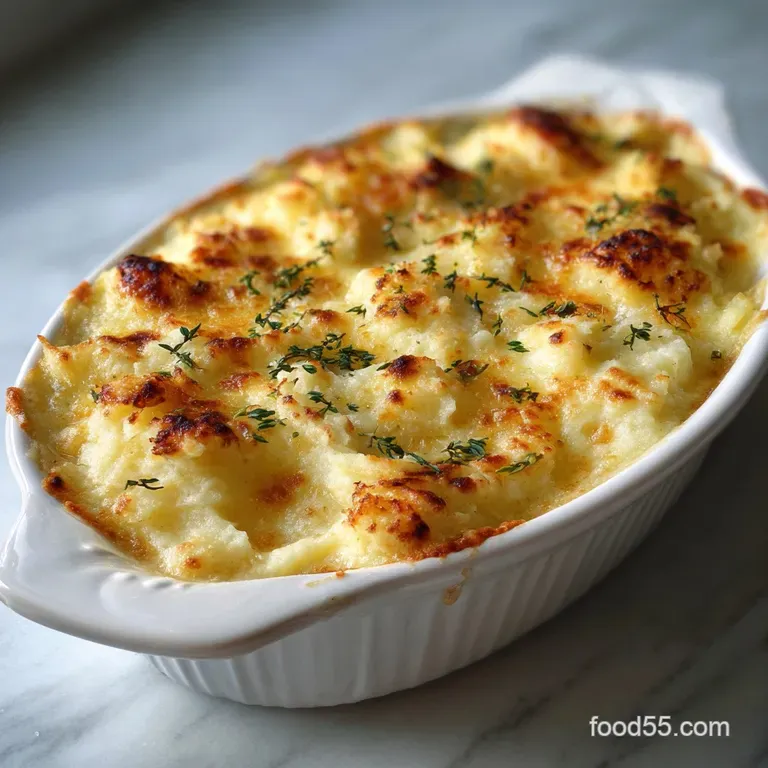
Mashed Potato Casserole: Velvety Rich
- Time: Active 20 minutes, Passive 45 minutes, Total 1 hour 5 minutes
- Flavor/Texture Hook: Velvety center with a salty, smoky bacon shatter
- Perfect for: Holiday gatherings, Sunday roasts, or beginner friendly meal prep
- Why This Mashed Potato Casserole Works
- Essential Comparisons for Your Side
- Selecting the Best Pantry Staples
- Essential Tools for Smooth Spuds
- Mastering the Golden Baking Process
- Solving Common Texture Issues
- Customizing Your Loaded Toppings
- Storing and Reheating Your Leftovers
- Perfect Pairings for Any Feast
- Recipe FAQs
- 📝 Recipe Card
Why This Mashed Potato Casserole Works
Listen, we have all been there. You spend forty minutes peeling and mashing, only for the potatoes to turn into a lukewarm, stiff brick the moment they hit the table. It is frustrating.
This Mashed Potato Casserole solves that by using a high fat emulsion that acts as a thermal blanket, keeping the interior silky while the oven develops a golden, bubbly crust. It is about that beautiful contrast between the pillowy middle and the sharp, crispy edges.
When we talk about shared meals, it is really about the comfort of knowing the food will be good from the first bite to the last. This dish is designed for cultural exchange at the dinner table, where the "loaded" toppings of a classic baked potato meet the refined texture of a French puree.
It brings people together because it is reliable, indulgent, and honestly, hard to mess up if you follow a few simple rules about starch.
- Starch Gelatinization: Simmering the potatoes with smashed garlic allows the starch granules to swell and absorb aromatic oils before the dairy is even added.
- Fat to Protein Ratio: The combination of cream cheese and sour cream provides a lactic tang that cuts through the heavy cream, preventing the dish from feeling oily.
- Maillard Reaction: The sugars in the heavy cream and the proteins in the cheddar brown at 350°F, creating that deep, savory crust we all crave.
- Moisture Retention: Casserole baking traps steam inside the potato matrix, ensuring the texture remains moist rather than drying out like traditional mash.
| Thickness | Internal Temp | Rest Time | Visual Cue |
|---|---|---|---|
| 2 inches | 165°F | 5 minutes | Bubbling edges and golden cheese |
| 3 inches | 165°F | 10 minutes | Center set but still jiggles slightly |
| 1.5 inches | 160°F | 3 minutes | Deep brown peaks on the cheese |
The secret to why this works so well is the potato choice itself. Yukon Golds have a naturally buttery flavor and a medium starch content. They aren't as grainy as Russets, but they aren't as waxy as Red Bliss.
This middle ground is essential because it allows the potatoes to break down into a smooth consistency while still holding onto the heavy cream and butter without separating.
Essential Comparisons for Your Side
When you are deciding between a quick mash and a classic baked version, you have to look at the texture and the "hold time." A quick stovetop mash is great for a random Monday, but it loses heat in minutes. The casserole method is the marathon runner of side dishes.
It stays hot for nearly half an hour after leaving the oven, making it the best mashed potato casserole for big family dinners where timing the meat can be a nightmare.
If you are looking for other ways to use up a big bag of spuds, you might also enjoy my Potato and Cheese recipe. It uses a similar potato base but wraps it in a tender dough for a totally different vibe. But for sheer comfort and ease, nothing beats the creamy mashed potato casserole we're making today. It is the ultimate "fix it and forget it" side dish.
| Feature | Fast Stovetop Method | Classic Casserole Method |
|---|---|---|
| Texture | Light and fluffy | Dense, velvety, and rich |
| Heat Retention | Poor (5-10 minutes) | Excellent (25-30 minutes) |
| Prep Style | Last minute stress | make-ahead friendly |
While the quick method saves you forty minutes of oven time, you lose that signature "shatter" from the bacon and chive topping. I always tell my friends that if you have the oven space, the extra time is worth it for the way the cream cheese melts into the potato starch.
It creates a texture that is almost like a savory mousse.
Selecting the Best Pantry Staples
The alchemy of this dish happens in the shopping cart. You want ingredients that play well together. Using high-quality dairy is not just a suggestion; it's the foundation of the flavor. For the potatoes, stick to the 5 lbs Yukon Gold.
Their skins are thin enough that if you miss a tiny spot while peeling, it won't ruin the velvet texture.
For the Potato Base
Start with the basics. You need 5 lbs Yukon Gold Potatoes, peeled and cubed into even 1 inch chunks. Consistency matters here because we want them all to reach the finish line at the same time. Add 4 cloves garlic, peeled and smashed, right into the boiling water. This infuses the potatoes from the inside out.
Don't forget the 1 tbsp sea salt for the water potatoes are salt sponges, and if you don't season the water, they will taste flat no matter how much salt you add later.
For the Creamy Emulsion
This is where the magic happens. We're using 1/2 cup unsalted butter, 8 oz full fat cream cheese, and 1 cup sour cream. Using room temperature dairy is a pro tip I learned the hard way cold cream cheese will never fully incorporate, leaving you with tiny white lumps.
The 1/2 cup heavy cream provides the liquid needed to get that silky move, while 1 tsp freshly cracked black pepper and 1/2 tsp smoked paprika add warmth and depth.
| Ingredient | Science Role | Pro Secret |
|---|---|---|
| Cream Cheese | Emulsifier | Use full fat for better stability under heat |
| Yukon Gold | Starch Base | Provides natural buttery yellow color |
| Sour Cream | Acid Balance | Cuts through fat to brighten the flavor |
For the Loaded Toppings
To finish it off, we need 2 cups sharp cheddar cheese and 1/2 cup grated Parmesan cheese. The Parmesan adds a salty, nutty kick that the cheddar lacks. Then comes the crunch: 6 slices thick cut bacon, cooked and crumbled, and 1/4 cup fresh chives.
These toppings turn a simple potato dish into a loaded mashed potato casserole that people will actually fight over.
Essential Tools for Smooth Spuds
You don't need a professional kitchen, but a few specific tools make a massive difference. First, a large stockpot (at least 8 quarts) to give the 5 lbs of potatoes plenty of room to dance in the boiling water. Overcrowding the pot leads to uneven cooking and "soupy" starch.
Chef's Tip: Use a potato ricer instead of a traditional masher for a truly velvety texture. It aerates the potatoes as it crushes them, preventing the over working that leads to a gummy, gluey consistency.
You will also need a 9x13 inch baking dish. Glass or ceramic works best here because they hold heat longer than metal pans. A sturdy whisk or a stand mixer such as a KitchenAid is great for whipping in the cream cheese and sour cream until the mixture is completely homogenous.
If you're doing this by hand, just make sure your arm is ready for a workout!
Mastering the Golden Baking Process
- Boil the potatoes. Place the 5 lbs cubed Yukon Golds and 4 smashed garlic cloves in a large pot. Cover with cold water by at least an inch and add 1 tbsp sea salt.
- Cook until tender. Bring to a boil, then reduce heat and simmer for 15 minutes to 20 minutes until the potatoes shatter when pierced with a fork. Note: Starting with cold water ensures the outside doesn't turn to mush before the inside is cooked.
- Drain and dry. Drain the potatoes and garlic thoroughly. Return them to the hot pot for 1 minute over low heat to steam off any excess moisture.
- Start the mash. Use a ricer or masher to crush the potatoes and garlic. Add the 1/2 cup softened butter immediately so it melts into the warm starch.
- Build the emulsion. Fold in the 8 oz softened cream cheese and 1 cup sour cream. Note: If the mixture looks too thick, add the 1/2 cup heavy cream in stages.
- Season the base. Stir in the black pepper and smoked paprika. Taste now it should be rich and well seasoned.
- Assemble the layers. Spread the potato mixture into a greased 9x13 dish. Sprinkle the 2 cups sharp cheddar and 1/2 cup Parmesan evenly over the top.
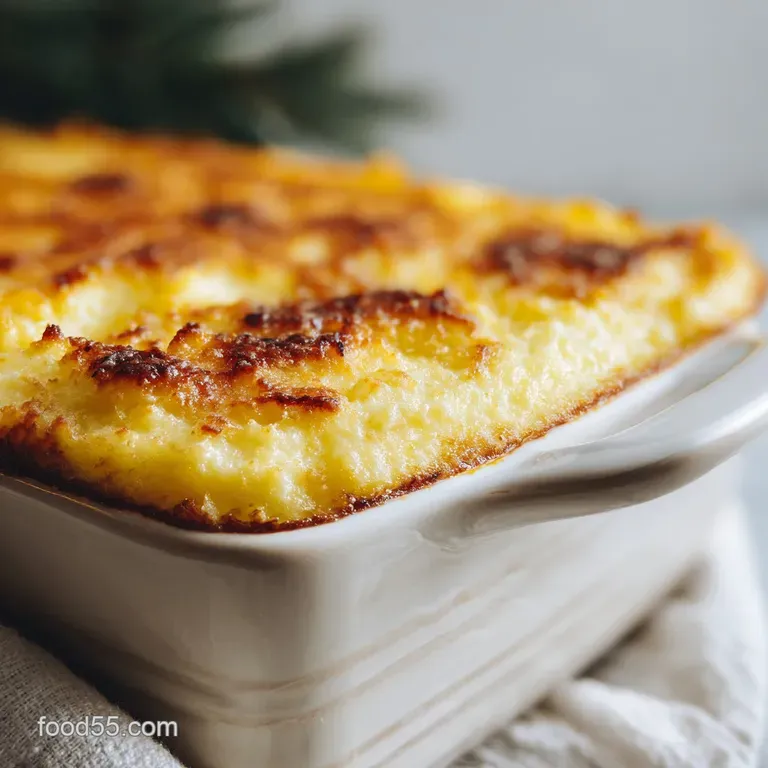
- Bake for color. Bake at 350°F for 30 minutes until the cheese is bubbling and the edges are slightly golden.
- Add the crunch. Remove from the oven and top with the 6 slices of crumbled bacon. Bake for another 5 minutes to 10 minutes to crisp everything up.
- Final garnish. Let the casserole rest for 5 minutes, then shower with 1/4 cup fresh chives before serving.
Solving Common Texture Issues
Even with the best intentions, potatoes can be finicky. The most common heartbreak is a "gummy" texture. This usually happens when the potatoes are overworked or mashed while they are still too wet. If you find your potatoes looking more like library paste than velvet, don't panic.
You can sometimes save them by folding in a bit more warm heavy cream to loosen the structure, though it won't be quite as fluffy.
To Fix Gummy or Sticky Potatoes
Gummy potatoes are the result of starch cells rupturing and releasing too much amylose. This creates a sticky, glue like bond. If this happens, try adding a bit more fat (butter or cream) to coat the remaining starch, or lean into it by adding more cheese and calling it "Aligot style."
| Problem | Root Cause | Solution |
|---|---|---|
| Gummy Texture | Over mashing or using a food processor | Use a ricer and fold ingredients gently by hand |
| Watery Bottom | Potatoes weren't drained or steamed dry | Return boiled potatoes to hot pot for 1 min to steam |
| Lumpy Cheese | Using pre shredded cheese with cellulose | Grate your own sharp cheddar from a block |
To Prevent Watery Separation
Sometimes a casserole can "weep" in the oven, leaving a pool of liquid at the bottom. This is usually because the sour cream or heavy cream broke down due to high heat or because the potatoes weren't properly dried. To prevent this, always ensure your potatoes are bone dry before adding the dairy.
✓ Pat the potatoes with a clean kitchen towel after draining if they still look glossy. ✓ Preheat your oven fully to 350°F to ensure the top sets before the dairy separates. ✓ Use full fat cream cheese; low-fat versions have more water and are prone to weeping.
✓ Let the casserole rest for at least 10 minutes after baking to allow the starches to re set. ✓ Avoid over boiling; stop the moment they are fork tender.
Customizing Your Loaded Toppings
The beauty of this Potato Casserole is how easy it is to tweak. If you want a "Cowboy Mashed Potato Casserole," you can swap the chives for pickled jalapeños and add a layer of browned ground beef or chorizo to the middle. It turns a side dish into a full blown meal.
For a healthier swap, you can use Greek yogurt instead of sour cream, though keep in mind it will be significantly tangier. If you're going for the "Pioneer Woman Mashed Potato Casserole" style, you might increase the butter and use a mix of Monterey Jack and Cheddar for a superior cheese pull.
| Original Ingredient | Substitute | Why It Works |
|---|---|---|
| Heavy Cream | Whole Milk | Lower fat, but the texture will be less velvety |
| Bacon | Smoked Almonds | Provides a similar smoky crunch for vegetarians |
| Sour Cream | Plain Greek Yogurt | Adds more protein and a sharper tang. Note: May curdle slightly at high heat |
If you are looking for a more formal vibe, try an "Elegant Holiday" variation. Swap the cheddar for Gruyère and add a drizzle of truffle oil just before serving. This pairs beautifully with something like Elegant Pheasant Recipes for a truly high end dinner party feel.
- If you want a crunchier top, mix 1/2 cup panko breadcrumbs with melted butter and sprinkle over the cheese.
- If you want it spicier, add 1/4 tsp of cayenne pepper to the mash.
- If you want it lighter, substitute half the potatoes with steamed cauliflower florets.
Storing and Reheating Your Leftovers
Leftover mashed potato casserole is honestly a gift. Because of the high fat content from the cream cheese and sour cream, it reheats much better than standard mashed potatoes. Store any leftovers in an airtight container in the fridge for up to 4 days.
For zero waste, use any leftovers to make potato pancakes. Just scoop a cold mound of the casserole, flatten it into a patty, dredge it in a little flour, and sear it in a hot pan with butter until both sides are crispy. It is the best breakfast you'll have all week.
You can also freeze this casserole for up to 2 months. To reheat from frozen, let it thaw in the fridge overnight and then bake at 350°F, covered with foil, until heated through.
Perfect Pairings for Any Feast
This dish is the ultimate team player. It is hearty enough to stand up to a thick steak but creamy enough to complement a roasted bird. For a classic holiday spread, I always serve this alongside a Green Bean Casserole recipe. The crunch of the beans and the creaminess of the potatoes are a match made in heaven.
If you're doing a more casual weeknight meal, try pairing it with an & Cheesy Hashbrown recipe variation or just some simple grilled chicken. The smoked paprika in the potatoes gives it enough personality to shine even with basic proteins. It's about creating those connections over the dinner table, sharing a dish that everyone recognizes and loves.
There is a common myth that you have to peel potatoes while they are hot. Honestly, don't bother. Peel them cold, cube them, and then boil. The starch behaves much better this way. Another myth is that you can't over mash potatoes. You absolutely can!
Treat them gently, and they will reward you with that signature velvety texture. Enjoy the process, and remember that the best meals are the ones shared with the people you love.

Recipe FAQs
What is the best type of potato for mashed potato casserole?
Yukon Golds are ideal. They have a buttery flavor and medium starch content, creating a smooth, velvety texture without becoming gummy.
Can I make mashed potato casserole ahead of time?
Yes, absolutely. Assemble the casserole completely, cover tightly, and refrigerate for up to 48 hours before baking. This makes it perfect for meal prep and holiday gatherings.
How do I prevent my mashed potato casserole from being watery or gummy?
Ensure potatoes are dry and avoid over mashing. Drain and steam potatoes thoroughly after boiling, and use a ricer or gentle mashing technique to prevent starch cells from rupturing, which causes gumminess.
What are some good topping variations for mashed potato casserole?
Get creative with loaded toppings! Beyond bacon and chives, consider adding pickled jalapeños for a "Cowboy" twist, or swap cheddar for Gruyère and add truffle oil for an "Elegant Holiday" feel, similar to the sophisticated flavors found in our Elegant Pheasant Recipes.
How do I reheat leftover mashed potato casserole?
Gently reheat in the oven. Cover with foil and bake at 350°F until heated through, or try transforming leftovers into crispy potato pancakes by searing flattened patties in a hot pan.
What dairy products should I use for the creamiest texture?
A combination of full fat dairy is best. Using cream cheese and sour cream creates a stable, rich emulsion that stays velvety, much like the careful emulsification needed for dishes like Homemade Pierogi Grandmas Secret Potato Cheese Recipe.
Can I use Russet potatoes instead of Yukon Golds?
It's not recommended for the best texture. Russets have a higher starch content and tend to produce a fluffier, drier mash, which isn't ideal for a creamy casserole that needs to hold together.
Mashed Potato Casserole
Ingredients:
Instructions:
Nutrition Facts:
| Calories | 459 kcal |
|---|---|
| Protein | 12.8 g |
| Fat | 30.4 g |
| Carbs | 35.3 g |
| Fiber | 4.2 g |
| Sugar | 3.1 g |
| Sodium | 285 mg |
