Banana Cake: Moist and Creamy
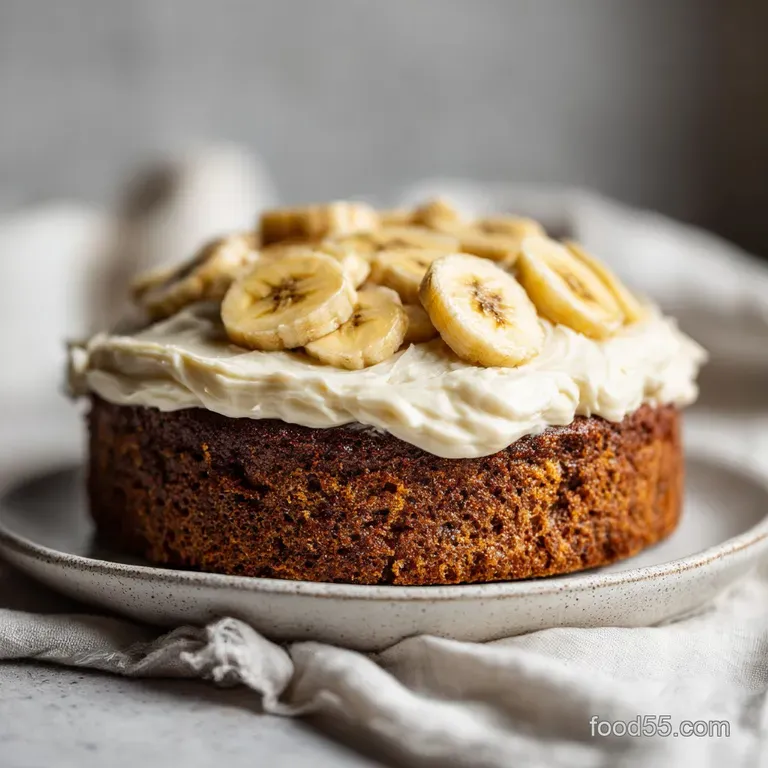
- Time: Active 20 minutes, Passive 35 minutes, Total 55 minutes
- Flavor/Texture Hook: Velvety, spice kissed crumb with a cloud like tangy finish
- Perfect for: Weekend family brunches, office potlucks, or using up those forgotten counter bananas
- The Best Banana Cake I've Ever Made with Cream Cheese Frosting
- Why This Cake Stays Moist
- Analyzing Key Cake Components
- Tools You Will Need
- Steps to Baking Success
- Troubleshooting Your Bake
- Flavor Swaps and Ideas
- Myths About Banana Baking
- Storage and Keeping Fresh
- What Pairs Perfectly
- Recipe FAQs
- 📝 Recipe Card
The Best Banana Cake I've Ever Made with Cream Cheese Frosting
The kitchen smells like a warm hug right now, and honestly, I wish I could bottle this scent. You know that specific aroma of cinnamon hitting warm sugar while bananas turn into something magical in the oven? That is exactly what is happening in my house.
I just pulled a pan out, and even though I should probably let it cool before diving in, the golden edges are calling my name. This isn't just a snack cake; it's the kind of bake that makes people stop talking and just nod in approval while they reach for a second slice.
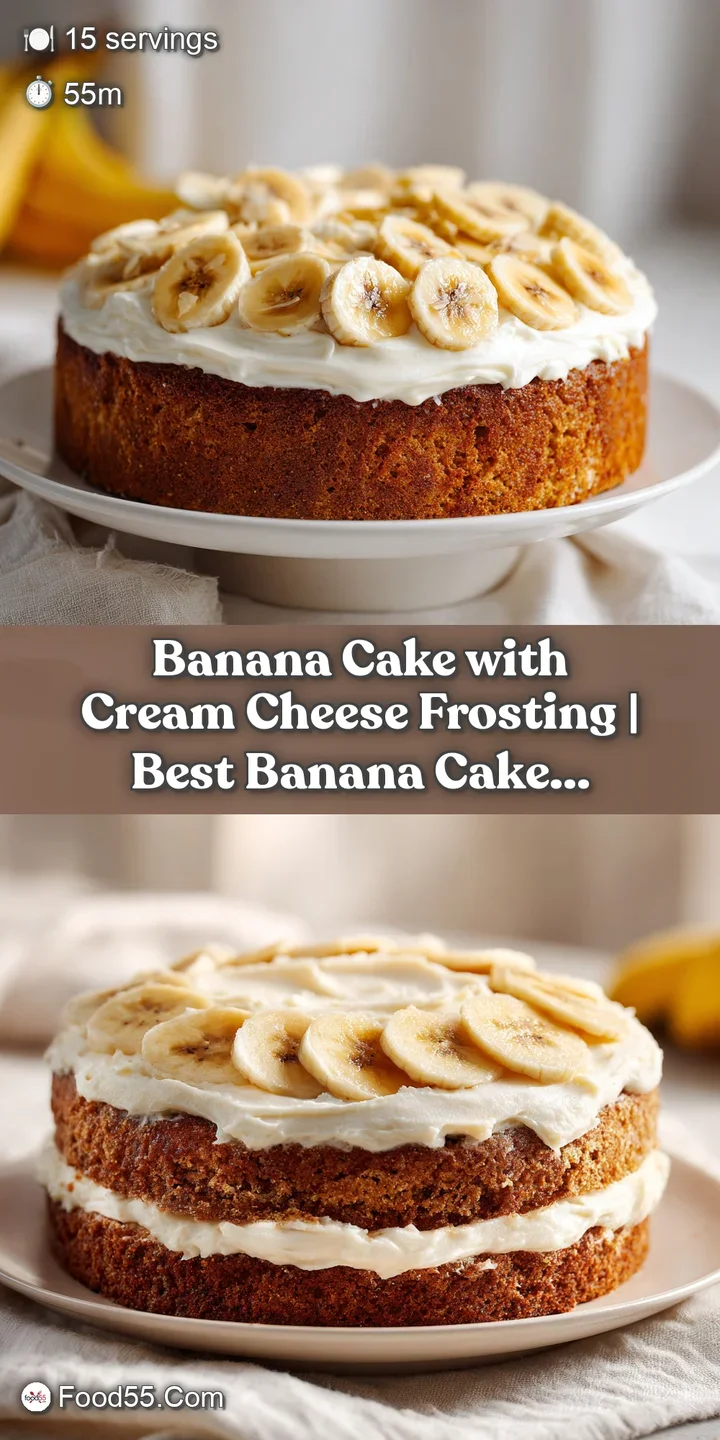
Discover how to bake The Best Banana Cake I've Ever Made with Cream Cheese Frosting. We are going for a texture that is impossibly soft but still has enough structure to hold up a thick, luxurious layer of frosting.
I used to think all banana cakes were basically just banana bread in a different pan, but I was so wrong. This version uses a few specific tricks to keep it light and airy, moving it firmly into "dessert" territory rather than "breakfast loaf" territory.
We are talking about a cake that stays moist for days, thanks to a combination of butter and oil. If you have ever felt like your cakes turn out a bit dry or crumbly the next morning, this is the fix you have been looking for.
We are going to walk through the sensory cues together from the way the batter should look when it's perfectly mixed to that specific "jiggle" the pan has right before it's done. Let's get into the details so you can have a slice in your hand by this evening.
Why This Cake Stays Moist
- Fat Sourcing: Using both melted butter and vegetable oil provides a double win where the butter brings the flavor and the oil keeps the crumb soft even when cold.
- Sugar Maceration: Letting the mashed bananas sit with the sugars for five minutes draws out the moisture from the fruit, creating a natural syrup that integrates better into the flour.
- Acid Interaction: The buttermilk reacts with the baking soda to create tiny carbon dioxide bubbles, which gives the cake a significant lift and prevents it from being dense like a brick.
- Moisture Seal: Wrapping the warm pan in plastic wrap before it fully cools traps the escaping steam, forcing that hydration back into the crumb for a velvety mouthfeel.
| Method | Cook Time | Texture | Best For |
|---|---|---|---|
| Classic 9x13 Pan | 35 minutes | Uniformly soft and tender | Potlucks and easy slicing |
| Standard Cupcakes | 18 minutes | High frosting to cake ratio | Birthday parties and portion control |
| Layered Round Cakes | 28 minutes | Elegant and celebratory | Special occasions and tall stacking |
Choosing the right method depends on your mood, but for the ultimate "home cook" vibe, the 9x13 pan is unbeatable. It allows the heat to distribute evenly across a larger surface area, which helps avoid that dreaded sunken middle that can happen in deeper pans.
Plus, spreading a thick layer of frosting over a flat surface is much more satisfying than fiddling with individual cupcakes when you are in a hurry.
Analyzing Key Cake Components
Understanding what each part of this recipe does will help you become a much more intuitive baker. When we look at the interaction between the fruit and the leavening agents, it’s not just about mixing things in a bowl; it is about creating a stable environment for the heat to do its work. If you're into that dense, velvety texture, you might also like my Cream Cheese Pound Cake which uses similar principles of fat stabilization.
| Ingredient | Science Role | Pro Secret |
|---|---|---|
| Overripe Bananas | Primary hydration and natural sugar | Use bananas that are almost completely black for the most intense flavor. |
| Buttermilk | Acidic tenderizer | If you have none, add a splash of lemon juice to regular milk and let it sit for five minutes. |
| Baking Soda | Chemical leavener | Sift it with the flour to ensure there are no bitter "clumps" in the final bite. |
| Vegetable Oil | Texture stabilizer | Unlike butter, oil remains liquid at room temperature, keeping the cake soft for days. |
The combination of the brown sugar and the cinnamon creates a deep, molasses like undertone that elevates the banana flavor from "sweet" to "complex." When you mash the bananas, do not go for a perfectly smooth puree.
Leaving a few small lumps provides little pockets of concentrated fruit flavor that burst when you bite into them. It's those tiny imperfections that make a homemade cake feel authentic and special.
Tools You Will Need
You don't need a professional kitchen to pull this off, but a few specific items make the process much smoother. First, a heavy bottomed 9x13 inch baking pan is essential. If your pan is too thin, the edges will brown and toughen before the center has a chance to set.
I prefer a light colored metal pan over glass because it conducts heat more predictably and gives you those beautiful, pale golden edges.
A sturdy whisk and a flexible silicone spatula are your best friends here. You want to whisk the wet ingredients until they look like a pale, shimmering liquid, but when the flour goes in, you need to switch to that spatula.
Folding is a gentle motion you are basically just tucking the flour into the wet mixture. If you use a hand mixer for the batter, you risk overworking the gluten, which turns a fluffy cake into something more like a piece of bread.
Finally,, make sure you have a wire rack for cooling. If the cake sits directly on the counter in the pan, the bottom can get soggy from the trapped heat. Elevating it allows air to circulate underneath, ensuring the texture remains consistent from top to bottom.
For the frosting, a stand mixer or a reliable hand mixer is non negotiable if you want that airy, cloud like consistency that spreads like a dream.
Steps to Baking Success
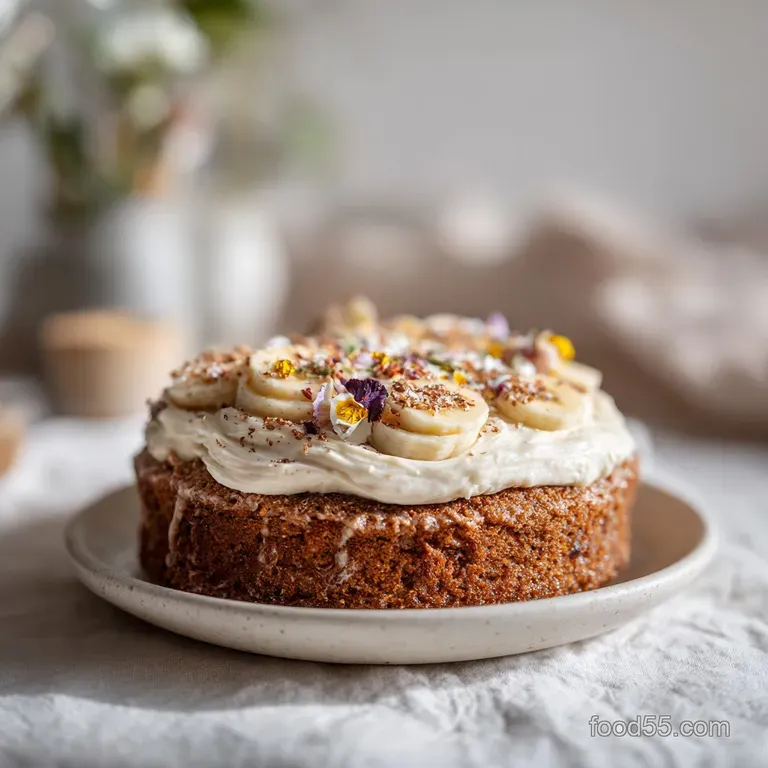
- Preheat your oven to 350°F (175°C). Grease a 9x13 inch baking pan thoroughly with butter or non stick spray, making sure to hit the corners where the cake likes to stick.
- In a large mixing bowl, mash the 3 large overripe bananas until mostly smooth. Stir in the 200g granulated sugar and 100g brown sugar, then let the mixture sit for 5 minutes. Note: This maceration step allows the sugar to draw out moisture, making the flavor more intense.
- Whisk the 115g melted and cooled butter, 60ml vegetable oil, 2 large room temperature eggs, 1 tablespoon vanilla, and 120ml buttermilk into the banana mixture. Whisk until the oil and water based ingredients are fully blended and shimmering.
- Sift the 250g all purpose flour, 1 teaspoon baking soda, 1 teaspoon cinnamon, and 0.5 teaspoon salt directly over the wet ingredients.
- Fold the dry ingredients gently with a spatula just until no streaks of flour remain. Stop immediately once the batter is uniform to keep it light.
- Pour the batter into the prepared pan and bake for 30–35 minutes until the center is set and a toothpick comes out clean. The kitchen will smell strongly of toasted cinnamon at this point.
- Transfer the pan to a wire rack. To lock in moisture, optionally wrap the warm pan in plastic wrap and place in the refrigerator for 30 minutes to cool rapidly. Note: This rapid cooling method creates an incredibly moist crumb.
- While the cake cools, beat the 225g softened cream cheese and 115g softened butter together until smooth. Gradually add 375g sifted powdered sugar, 1 teaspoon vanilla, and 1 tablespoon heavy cream, whisking until the frosting looks fluffy and holds soft peaks.
- Spread the icing evenly over the completely cooled cake. You want a thick, generous layer that covers every inch of the surface.
- Slice into squares and serve. The frosting should feel silky against the tender, spice filled cake.
Troubleshooting Your Bake
Sometimes things don't go exactly as planned, and that is okay. Baking is as much about reacting to your environment as it is about following a recipe. If your kitchen is particularly humid, your flour might hold more moisture, or if your oven runs hot, the cake might rise too fast and then collapse.
Most of these issues are easily fixed once you know what to look for.
Why Your Cake Sinks
If you pull your cake out and notice the middle looks like a crater, it usually means one of two things. Either the oven door was opened too early, causing a sudden temperature drop that collapsed the air bubbles, or the cake was underbaked. Even if the edges look done, that center needs to be fully set.
Always use the toothpick test if it comes out with wet batter, give it another five minutes.
| Problem | Root Cause | Solution |
|---|---|---|
| Dry or Crumbly Texture | Overbaking or too much flour | Check doneness 5 mins early; spoon and level your flour instead of scooping. |
| Lumpy Frosting | Cold cream cheese or butter | Ensure both are completely at room temperature before beating together. |
| Greasy Bottom | Butter/Oil not fully mixed | Whisk the wet ingredients for a full minute until they look like a thick syrup. |
Common Mistakes Checklist
- ✓ Ensure your eggs are at room temperature so they blend easily without curdling the fat.
- ✓ Don't skip sifting the powdered sugar; even small lumps will be visible in the smooth frosting.
- ✓ Wait until the cake is 100% cold before frosting, or the butter in the icing will melt and slide off.
- ✓ Use the "scoop and level" method for flour to avoid packing too much into your measuring cup.
- ✓ Check your baking soda's expiration date; old soda won't give the cake the lift it needs.
Flavor Swaps and Ideas
If you want to take this cake in a different direction, it's actually very versatile. While the classic version is hard to beat, adding a bit of texture or a different spice profile can make it feel like a whole new dessert. For those who love a baked custard vibe, this Coconut Pie is another winner that plays with tropical notes.
Adding a Nutty Crunch
Folding in half a cup of toasted walnuts or pecans right at the end of the batter mixing stage adds a fantastic contrast to the soft cake. I like to toast them in a dry pan for three minutes first to bring out their oils.
You can also sprinkle some extra chopped nuts on top of the frosting for a bit of visual flair and a crunchy finish.
Swapping for a Salted Caramel Twist
If you want something even more indulgent, try drizzling a little salted caramel over the cream cheese frosting. The salt cuts through the sweetness of the bananas and the tang of the cheese perfectly.
You can even swap the vanilla extract in the cake for a teaspoon of rum extract if you want a more "Bananas Foster" inspired flavor profile.
Scaling for Any Crowd
- For a Half Batch: Use a 9x5 inch loaf pan. You’ll need to use one large egg and bake it for about 45-50 minutes since it will be deeper than the sheet cake.
- For a Double Batch: Use two separate 9x13 pans. Do not try to bake one giant thick cake, as the edges will burn before the middle cooks. Rotate the pans halfway through the 35 minute bake time.
- Baking as Cupcakes: Fill liners about 2/3 full. Reduce the bake time to 18-20 minutes and start checking them early with a toothpick.
Myths About Banana Baking
There is a common belief that you can use yellow bananas if you just add more sugar. This is a total myth! Yellow bananas have a high starch content and haven't developed the aromatic esters that give the cake its signature "banana y" punch.
If your bananas aren't spotted with black, you won't get that melt in-your mouth texture because the starch won't break down into liquid sugar during the bake.
Another big one is that sifting doesn't matter. While you can get away with not sifting for some recipes, for a cake this moist, sifting the baking soda and cinnamon is vital. Because the batter is quite thick, if you have a clump of baking soda, it won't distribute evenly.
This leads to little green or brown spots in your cake that taste like soap. Taking thirty seconds to run your dry ingredients through a mesh sieve is the difference between a "good" cake and a "professional" one.
Finally,, some people think that using low-fat cream cheese in the frosting is a fine swap. Trust me, it isn't. low-fat or "tub" cream cheese has a higher water content and different stabilizers. If you use it, your frosting will likely turn into a runny mess that won't hold its shape.
Stick to the full fat brick style cheese for that thick, velvety spread that everyone loves.
Storage and Keeping Fresh
This cake actually tastes better on the second day. Because the frosting is dairy based, you should store the cake in the refrigerator. Just make sure it’s in an airtight container or tightly wrapped so it doesn't pick up any "fridge smells." It will stay perfectly moist for up to five days.
If you prefer to eat it at room temperature, just take a slice out about 30 minutes before you want to enjoy it.
For the zero waste enthusiasts, don't throw away those banana peels! You can soak them in water for 24 hours to create a nutrient rich "tea" for your houseplants. As for the cake itself, if you have leftover scraps that are starting to get a little dry after a week, you can crumble them up and use them as a base for a trifle or even blend them into a milkshake for a "banana cake" flavored treat.
If you want to freeze the cake, it’s best to do it before frosting. Wrap the cooled cake in a double layer of plastic wrap and then a layer of foil. It will stay fresh for up to three months. When you are ready to serve, thaw it overnight in the fridge, then make the frosting fresh and spread it on top.
This keeps the icing from getting that slightly grainy texture that sometimes happens when cream cheese is frozen and thawed.
What Pairs Perfectly
A slice of this cake is quite rich, so I usually like to serve it with something that offers a bit of contrast. A strong, dark roast coffee or a spicy chai tea works beautifully to cut through the sweetness.
If you are serving this as part of a larger dessert spread, a bowl of fresh berries like raspberries or blackberries adds a nice tartness that brightens up the heavy cream cheese.
For a real "showstopper" moment at a dinner party, you can serve a square of the cake with a small dollop of lightly sweetened whipped cream on the side, or even a tiny scoop of vanilla bean ice cream. The temperature difference between the cool frosting and a slightly warmed cake is incredible.
Just remember that the cake is the star of the show, so keep your pairings simple and let those banana and cinnamon flavors shine.
Recipe FAQs
How to ensure the banana cake stays moist after baking?
Wrap the warm pan in plastic wrap and chill for 30 minutes. This traps the steam, locking in moisture before you apply the cream cheese frosting.
Is it necessary to use buttermilk instead of regular milk?
Yes, buttermilk is essential for the structure. The acidity in the buttermilk reacts with the baking soda to help the cake rise, ensuring a tender crumb rather than a dense one.
Is it true I must wait for the cake to be completely cool before frosting?
Yes, this is critical. If the cake is even slightly warm, the butter and cream cheese in your icing will melt and create a messy, sliding layer instead of a smooth finish.
How to troubleshoot a cake that is too dense?
Check your mixing technique by folding gently. If you enjoyed mastering the fundamentals of scratch baking here, apply the same light handed folding motion to prevent overworking the gluten, which leads to toughness.
How to store leftovers properly?
Keep the cake in an airtight container in the refrigerator. Since the frosting contains dairy, it is unsafe to leave it on the counter for more than two hours.
How to achieve the best flavor from the bananas?
Mash the bananas and let them macerate with the sugars for 5 minutes. This simple step allows the sugar to draw out the fruit's natural moisture and intensifies the banana flavor throughout the batter.
Is it better to use room temperature eggs?
Yes, room temperature eggs emulsify better with the butter and oil. This creates a smoother batter, which results in a more uniform texture during the 35-minute bake time.
Moist Banana Cake With Cream Cheese Frosting
Ingredients:
Instructions:
Nutrition Facts:
| Calories | 466 kcal |
|---|---|
| Protein | 4.0 g |
| Fat | 22.5 g |
| Carbs | 64.8 g |
| Fiber | 1.4 g |
| Sugar | 48.2 g |
| Sodium | 195 mg |
