Onepot Pork Roast Dinner Ciderglazed Root Vegetables Meltingly Tender Pork
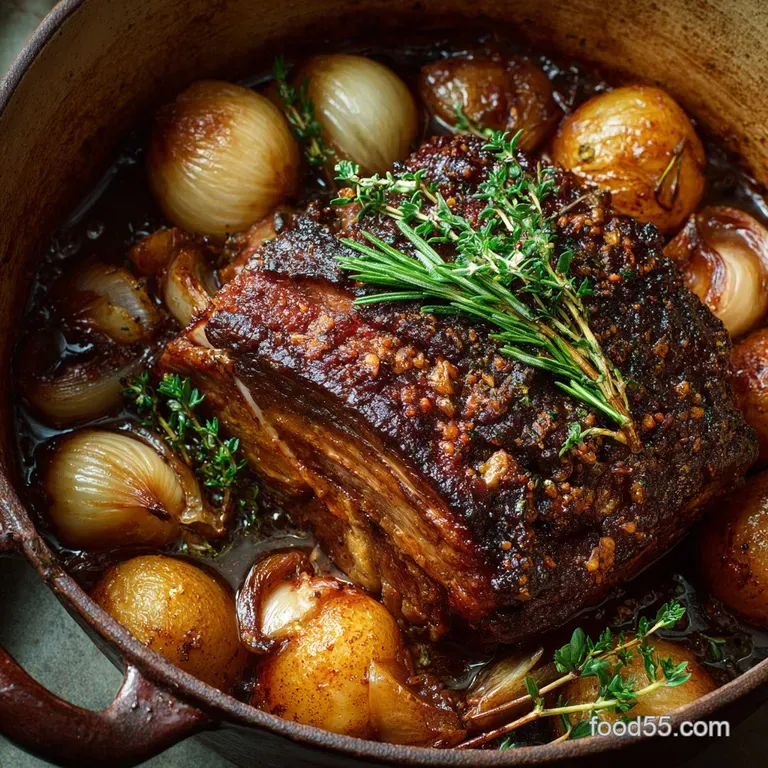
- The Ultimate Stress and Free Sunday Supper Solution
- Welcome to the Revolutionary One and Pot Pork Roast Method
- Sourcing the Perfect Cut and Essential Braising Liquids
- Prepping the Root Vegetables for Maximum Sweetness
- Mastering the Initial Sear and Flavor Layering
- Slow Braising and Glazing the OnePot Pork Roast
- Troubleshooting Your Roast and Common FAQs
- Beyond the Main Dish: Serving Suggestions and Pairings
- Recipe FAQs
- 📝 Recipe Card
The Ultimate Stress and Free Sunday Supper Solution
Who has time to mess with six different pans on a Sunday? I certainly don't anymore. We want that deep, slow and cooked flavour, right? We crave that meltingly tender meat. But we absolutely hate the cleanup. This OnePot Pork Roast is the answer to all those prayers.
I spent years juggling roasting trays, trying to time the potatoes perfectly with the gravy and the meat. It was always a hot, steamy, stressful mess. Then I discovered the brilliance of low and slow Dutch oven cooking for tough cuts.
It takes the heavy lifting of a traditional roast and slims it down into one single, glorious, oven and proof pot. It’s brilliant. Trust me, the only hard part about this recipe is waiting for it to finish cooking while your house smells phenomenal.
Welcome to the Revolutionary One and Pot Pork Roast Method
Okay, let's talk technique. Most people think of roasting pork as high and dry heat, which works fine for tenderloins. But for the tougher, cheaper cuts (which are actually the tastiest and most robust), you need moisture.
This method is essentially braising, but we disguise it as roasting since the liquid only comes halfway up the vegetables. The key is setting up the pot correctly we sear the pork until it’s dark brown, nestle it on top of a bed of root veggies, and then pour in the braising liquid.
This keeps everything meltingly juicy.
The Magic Behind the Meltingly Tender Pork Shoulder
Pork shoulder, or Boston Butt, is tough initially. It's packed full of connective tissue (collagen). If you cook it too quickly, you get chewiness. But when you hold it at 195 200°F (90 93°C) for several hours, that collagen dissolves completely into gelatin. That's the magic .
That’s what makes the roast tender and keeps all the juice locked in. If you pull it out too early, say at 160°F, it's dry and chewy. We aren't aiming for medium rare; we're aiming for fall and apart perfection that slides right off the bone (if you happen to buy a bone and in one).
Why the Cider and Glaze Technique Elevates This Classic
Why cider? Because pork loves apples. Simple as that. The dry hard cider isn't sweet like apple juice; it has a tart, tannic edge, plus a little boozy complexity. That acid cuts through the richness of the pork fat perfectly, giving the whole dish balance.
As the liquid slowly steams in the pot, the cider flavour permeates the meat and vegetables. Then, when the pork is resting, the liquid reduces down quickly on the stovetop to a gorgeous, slightly sweet, glossy glaze for the carrots and potatoes.
You get all that sophisticated flavour without needing to mess with a separate gravy bowl.
Debunking the Myth of Complex Weekday Roasts
I hear you. "Roast" means Saturday or Sunday only. Nope. This takes 20 minutes of active time that’s just the searing, chopping, and deglazing. Then you stick it in the oven and forget it. Go vacuum, do laundry, or, honestly, just sit down with a cup of coffee and relax.
It cooks low and slow, so if it needs 3 hours and you leave it for 3 hours 15 minutes, the world won't end. That level of forgivingness is what makes this one pot pork roast dinner an ideal candidate for a relaxed weeknight if you work from home, or a seriously lazy weekend.
Sourcing the Perfect Cut and Essential Braising Liquids
Let’s talk ingredients. We aren't talking fancy gourmet specialty items here. We need simple, robust root veggies and a good chunk of meat. Getting the right cut is key to success, but honestly, the quality of your stock and the choice of your cider are just as important for that final sauce.
If your stock tastes watery, your sauce will taste watery. This isn't rocket science, but it requires awareness.
Prepping the Root Vegetables for Maximum Sweetness
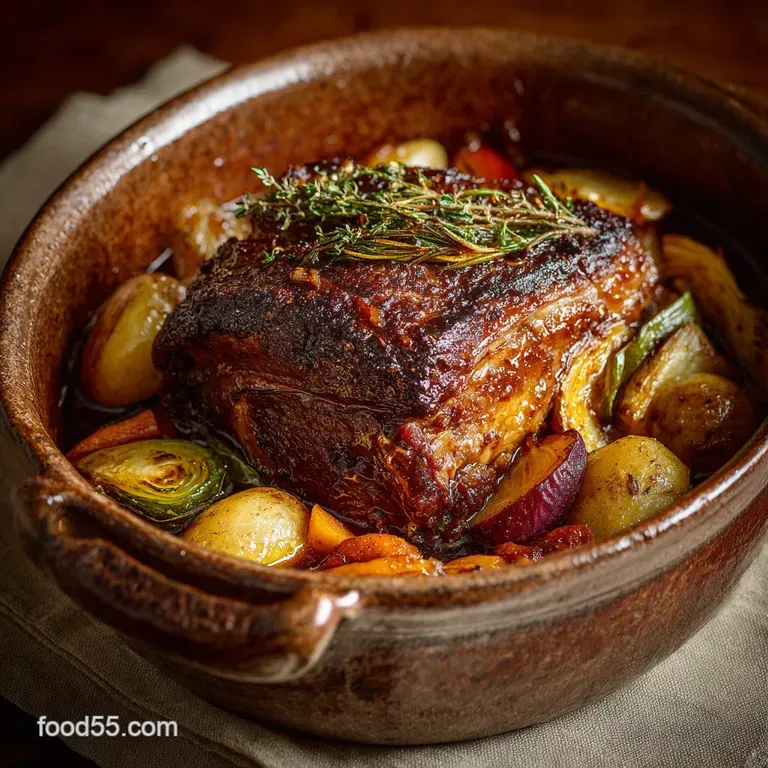
We need hearty vegetables that can survive 3. 5 hours submerged or sitting right next to intensely hot meat. Big chunks are required. I'm talking one and inch pieces for the onions and substantial halves or quarters for the waxy potatoes and carrots.
I love roasting carrots because they get incredibly sweet when cooked for a long time almost caramelized. The secret here is giving the veggies a quick sauté before adding the liquid.
This slightly caramelizes their edges, locking in that sweetness, and, importantly, it helps scrape up all those browned bits from the searing step.
Selecting the Ideal Pork Joint: Shoulder vs. Butt
You might see "Pork Butt" or "Pork Shoulder" (sometimes called Picnic Shoulder). They both work perfectly well for this one pot pork roast in oven method. They come from the shoulder area of the pig, but the butt is higher up the foreleg.
I generally prefer the Boston Butt because it is usually a uniform shape, fattier, and is often sold boneless, making it much easier to slice or shred later. The picnic shoulder often has the skin and a tougher fat cap still attached, which means more trimming for you.
| Cut | Best Used For... | Key Difference |
|---|---|---|
| Boston Butt (Shoulder) | Shredding, Slicing, Pulled Pork | Higher fat content, consistent shape. |
| Picnic Shoulder | Shredding, Budget Roasts | Often cheaper, can have tough skin attached. |
The Aromatic Foundation: Herbs, Garlic, and Quality Stock
The aromatics are the choir backing up the pork star. Rosemary and thyme are non and negotiable for me in a traditional roast (they just smell like Sunday dinner). And don't bother mincing the garlic; it'll burn. Just smash the whole cloves lightly with the flat of your knife.
They’ll infuse the liquid slowly and turn into sweet, buttery little pockets you can mash into your potatoes later. Seriously delicious. And speaking of liquid, use good stock. Homemade is always best, but if you buy, make sure it’s low sodium so you control the salt level for the whole dish.
Tools of the Trade: Choosing Your Heavy and Bottomed Vessel
This is officially a OnePot Pork Roast recipe, so the pot matters hugely. You need something heavy. A 6- to 8 quart Dutch oven (enameled cast iron) is the absolute gold standard because it holds heat perfectly and distributes it evenly, meaning no burnt bits on the bottom.
It also needs a tight and fitting lid to trap all that cider steam for the braising process. If you don't have a dedicated Dutch oven, any heavy, oven and safe stockpot with a tight lid will work fine. Just make sure the roast fits snugly inside, not too much extra space.
Preparing the Pork Before the Sear (Scoring and Seasoning)
Pat. It. Dry. I cannot stress this enough. If the outside of your pork shoulder is wet, it steams instead of searing, meaning you miss out on that beautiful, deeply savoury brown crust. Once dry, score the fat cap lightly just enough to cut into the fat, not into the meat below.
This lets the seasoning penetrate deeper and helps the fat render out properly. Go heavy with the salt and pepper. We are using a 4 pound beast, remember? It needs a good, aggressive rub.
Related Recipes Worth Trying
- Roasted Chicken Leg Quarters Easy Recipe for UltraCrispy Skin — Roasted Chicken Leg Quarters are your dependable comfort meal This easy recipe guarantees juicy dark meat and cracklingcrisp skin every time in the oven...
- Pork and black pudding sausage rolls Ultimate Flaky Picnic Staple Recipe — Master the perfect Pork and black pudding sausage rolls with our expert recipe Combining rich ground pork and spiced black pudding in buttery puff pastry...
- Perfect Garlic Butter Herb Roast Beef Your ShowStopping Sunday Lunch — This Garlic Butter Herb Roast Beef is foolproof Get a juicy mediumrare centre and a crispy flavourpacked herb butter crust Perfect for a proper Sunday Lunch
Mastering the Initial Sear and Flavor Layering
This step takes maybe 10 minutes and determines 80% of your final flavour. Don't crowd the pot. You need high heat. And you need courage. Let the oil shimmer until it's nearly smoking, then carefully lay the pork down and leave it alone .
Do not touch it for 4– 5 minutes until it releases easily and has a deep, dark, almost black, crust. That Maillard reaction goodness is exactly what we are after, and it forms the entire foundation of your sauce.
Slow Braising and Glazing the OnePot Pork Roast
Okay, the hard part (the searing) is over. Now we settle in for a long, lovely wait. The low temperature and the moist environment are going to transform that tough shoulder into a silk blanket of meat.
Achieving the Deep Golden Crust (The Searing Step)
This is the most critical flavor building step. If your crust isn't dark brown and I mean dark brown don't move on. You are locking in the umami that will make the final sauce shine. Low and slow cooking is great, but it can't create that crust.
Only high heat can do that work upfront.
Deglazing the Pot and Building the Liquid Base
Once the pork is out and resting on a plate, the vegetables go in, absorbing some of the fat. Then comes the cider. Turn the heat up slightly and use a wooden spoon to aggressively scrub the pot bottom while the cider simmers. This is how you dissolve all the concentrated flavour (the fond) back into the sauce base.
It’s non and negotiable. This step ensures your final gravy isn't bland.
Setting the Perfect Oven Temperature and Cooking Time
We use 325°F (160°C). Why so low? Because we are braising gently. If the temperature is too high, the liquid boils too aggressively, drying out the meat prematurely and turning the vegetables to mush (I made this mistake once, resulting in very sad, disintegrating carrots).
A low, gentle heat ensures everything cooks uniformly and stays moist. Aim for three hours minimum for a 4 pound cut.
Testing for Doneness and the Critical Resting Period
Remember, for a standard lean roast, you hit 145°F and rest. For this slow and cooked cut, you need 195 200°F (90 93°C). The meat should literally shred easily with a fork. Once it hits temperature, take the pot out, but do not touch the meat yet .
The 20 minute rest is non and negotiable. All the juices that were boiling around inside need time to settle and redistribute back into the muscle fibers. If you carve it hot, those precious juices will pour right out onto your board, leaving you with dry pork.
Finishing Touches: Reducing the Cider Sauce
You'll be left with a beautiful pot of soft vegetables and a lot of rich, thin liquid. Taste it. Is it punchy? If it’s a bit thin, carefully scoop the vegetables into a serving dish, put the pot back on the stove, and crank the heat to high.
Simmer rapidly for 5– 10 minutes until the sauce coats the back of a spoon slightly. That quick reduction concentrates the cider and stock into the perfect pan jus no flour or cornstarch needed.
Troubleshooting Your Roast and Common FAQs
We all mess up sometimes. I once bought sweet cider instead of dry (way too sweet). Let’s head off some common problems before they start.
Addressing Why Your Pork Might Be Dry (Solutions)
If you followed the 195°F rule and it’s still dry, two common things happened:
- You didn't seal the pot properly, and too much moisture escaped during the 3 hours of cooking.
- You carved it immediately after taking it out. Seriously, the rest matters.
The Fix: If you realize it’s dry after carving, shred the meat rather than slicing it. Toss the shredded pork back into the warm pot juices for 10 minutes before serving. It will re and absorb some of that rich moisture.
Make and Ahead Strategies and Safe Storage
This is one of those dishes that tastes even better the next day. You can cook the entire OnePot Pork Roast the day before, let it cool completely, and store the meat and vegetables separately. To reheat, slice the cold meat and lay it on top of the cold vegetables and sauce in the Dutch oven.
Cover and warm gently in a 300°F oven for 30– 40 minutes, until piping hot throughout. Leftovers are good for 3 4 days in the fridge.
Dietary Swaps: Making This Recipe Paleo or Gluten and Free
Good news: this recipe is already mostly gluten and free! Just make sure your chicken stock and cider are certified GF (most dry ciders are, but always check the labels). For Paleo, skip the waxy potatoes entirely and double down on the carrots. I recommend adding sweet potatoes or parsnips instead.
Ensure your cider is truly unsweetened and contains no added sugar.
Recommended Wine and Beer Pairings for Pork and Cider
Because we use that rich, dry cider, you need something robust enough to stand up to the fat, but bright enough to match the gentle apple notes.
- Beer: A traditional English Bitter or a dry, crisp Saison complements the herbs beautifully.
- Wine: A dry Riesling (it has the necessary acidity) or a light and to-medium and bodied Pinot Noir (if you need a red) works wonders.
Quick Nutritional Breakdown (Per Serving Estimate)
Remember, these are rough guidelines, estimating a generous portion based on a 4 lb roast yielding eight servings.
| Component | Estimate Per Serving |
|---|---|
| Calories | 580 650 kcal |
| Protein | 45 50 g (A serious protein hit!) |
| Total Fat | 30 35 g |
| Carbohydrates | 25 30 g (Mostly from the roots/cider) |
| Fiber | 4 6 g |
Beyond the Main Dish: Serving Suggestions and Pairings
This dish is a complete meal in a pot, but a little freshness never hurt anyone.
- Green Side: A simple side of lightly blanched and buttered seasonal greens, such as French beans or spring cabbage, provides a vital textural contrast against the softness of the meat and roots.
- Bread & Butter: A rustic loaf of crusty sourdough bread is practically mandatory for soaking up the remaining cider and infused pan juices. Don’t waste that sauce!
- Condiments: Serve slices of the pork with a sharp English mustard (Colman’s works wonders) or a tangy apple chutney to cut through the richness of the meat.

Recipe FAQs
Do I really need to spend time searing the pork joint, or can I just skip straight to the oven?
Absolutely not, old chap! That initial deep, dark crust (the 'fond') is concentrated flavour that caramelizes the meat proteins and forms the crucial foundation of your rich pan sauce, so skipping it means sacrificing a tonne of savoury depth.
I’m short on dry cider today. Will apple juice work just as well in this OnePot Pork Roast recipe?
You can substitute it, but be careful! Dry cider provides crucial acidity and depth; pure apple juice is too sweet and might result in a slightly cloying sauce. If you must use juice, balance it by adding a splash of white wine vinegar to mimic the required dryness.
Help! My pork has been cooking for ages, but it still seems chewy what temperature should it be?
Don't panic; slow roasting pork shoulder is a marathon, not a sprint. You aren't aiming for the minimum safe temperature, but for 195°F 200°F (90 93°C), which is necessary to melt the tough connective tissues into succulent gelatine.
I fancy changing the veg what root vegetables stand up best to such a long cook time?
Great shout! Stick to hardy, dense vegetables like carrots, parsnips, and waxy potatoes (like Yukon Golds) as they won't turn to mush over the three hour braise. Avoid delicate items like green beans or broccoli, which should only be added for the last 30 minutes, if at all.
How long do the leftovers keep, and can I batch cook and freeze this dish?
Leftovers are divine and will keep happily in an airtight container in the fridge for 3 4 days. For freezing, shred the pork and vegetables, store them along with plenty of the gravy, and they’ll be good in the freezer for up to three months.
Onepot Pork Roast With Cider Vegetables
Ingredients:
Instructions:
Nutrition Facts:
| Calories | 650 calories |
|---|---|
| Fat | 35 g |
| Fiber | 6 g |
