Oven Baked Parmesan Herb Crusted Salmon
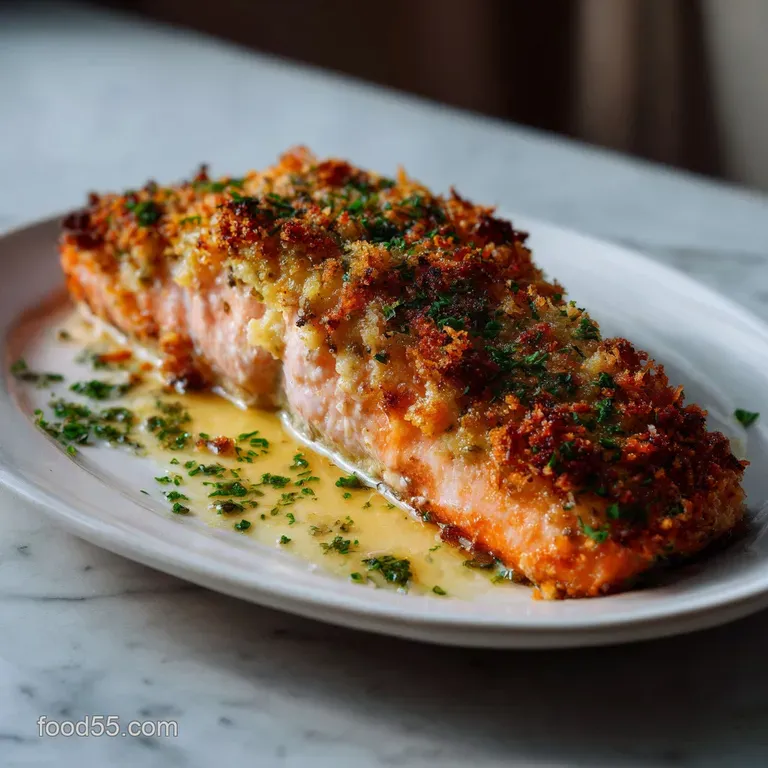
- Time: Active 10 minutes, Passive 12 minutes, Total 22 minutes
- Flavor/Texture Hook: Shatteringly crisp Parmesan crust meets velvety, flake apart salmon.
- Perfect for: A busy Tuesday night or a cozy Saturday dinner party with friends.
- Making Oven Baked Parmesan Herb Crusted Salmon
- Essential Recipe Specifications
- Selecting the Right Ingredients
- Required Kitchen Equipment
- Mastering the Cooking Process
- Expert Tips and Fixes
- Flavor Variations and Swaps
- Storing and Reheating Guide
- Ideal Side Dish Pairings
- Common Cooking Myths
- Recipe FAQs
- 📝 Recipe Card
Imagine the sound of a fork piercing through a golden brown layer of toasted cheese and breadcrumbs. It's a sharp, satisfying crack followed by the ease of sliding through a succulent piece of fish.
That first bite hits you with a punch of salty Parmesan and earthy herbs before the buttery richness of the salmon takes over. It’s the kind of meal that makes everyone at the table go quiet for a second, just to appreciate that perfect crunch.
I’ve made this recipe for countless family gatherings because it feels like a celebration without requiring hours in the kitchen. Whether we are catching up over a glass of wine or just trying to get a nutritious meal on the table after soccer practice, this dish bridges the gap.
It's sophisticated enough for guests but simple enough that my kids actually ask for seconds.
The beauty here is in the balance. We aren't just baking fish; we are creating a communal experience. There's something about sharing a platter of beautifully crusted fillets that brings people together.
You don't need fancy culinary degrees to master this, just a few fresh ingredients and the willingness to let the oven do the heavy lifting. Trust me, once you see how the herbs toast up, you'll never want plain salmon again.
Making Oven Baked Parmesan Herb Crusted Salmon
The Science of Why it Works: The protein denaturation of the salmon happens gently under the insulating "blanket" of crumbs, while the Maillard reaction transforms the Parmesan and butter into a complex, savory crust.
This two stage thermal process ensures the interior stays silky while the exterior becomes intensely flavorful.
Engineering the Perfect Crunch
To get that specific "shatter" texture, we rely on large flake breadcrumbs. Using a finer crumb would result in a pasty mess. The fat in the butter acts as a heat conductor, essentially frying the crumbs while they sit on top of the fish.
Locking in Moisture
Salt is our best friend here. By seasoning the fish before adding the crust, we help the proteins retain their natural juices. This prevents the salmon from drying out, even at the higher temperatures required to brown the cheese.
Balancing the Fats
Salmon is naturally oily, so adding a Parmesan crust might seem like overkill. However, the acidity in the dried oregano and the punch of fresh parsley cut through that richness, creating a harmonious bite that doesn't feel heavy.
Maximizing Surface Area
The center cut fillets are crucial because they offer a consistent thickness. This allows the heat to penetrate evenly, so the edges don't overcook before the middle is opaque and tender.
| Component | Science Role | Pro Secret |
|---|---|---|
| 170g Salmon Fillets | Protein Structure | Pat dry with paper towels to ensure the oil and seasonings stick rather than sliding off. |
| Parmesan Cheese | Umami & Binding | Use a Microplane for fine shreds that melt and then crisp into a lattice structure. |
| Panko Crumbs | Structural Texture | These are jagged and airy, providing more surface area for the butter to "fry" the topping. |
| Unsalted Butter | Heat Conductor | Melting the butter before mixing ensures every single crumb is hydrated and ready to brown. |
Essential Recipe Specifications
When we talk about shared meals, timing is everything. You want the fish hitting the table the moment the salad is tossed and the wine is poured. This recipe is built for efficiency without sacrificing the artisanal quality we crave in our home cooking.
- Active Prep: 10 minutes
- Oven Temp: 200°C (400°F)
- Cooking Duration: 12 minutes
- Yield: 4 Servings
For those who love a healthy alternative to traditional frying, this method provides that same satisfying crunch. If you've previously enjoyed our Golden Baked Chicken recipe, you’ll recognize the technique of using high heat to achieve a "fried" texture in the oven. It’s a game changer for weeknight sanity.
Selecting the Right Ingredients
To bring people together, you need ingredients that speak for themselves. I always say that a recipe is only as good as the least loved item in the bowl.
- 4 (170g) center cut salmon fillets: Why this? Consistent thickness ensures all four fillets finish cooking at the exact same moment.
- Substitute: Steelhead trout. It’s leaner but has a similar flavor profile and texture.
- 15ml extra virgin olive oil: Why this? Acts as the "glue" for the initial seasoning and adds a fruity undertone.
- Substitute: Avocado oil. It has a higher smoke point and a more neutral taste.
- 2.5g kosher salt: Why this? Larger grains make it harder to over salt and provide better coverage.
- Substitute: Sea salt. Use slightly less as the grains are usually denser.
- 1g cracked black pepper: Why this? Freshly cracked pepper provides a floral heat that pre ground versions lack.
- Substitute: White pepper. It offers a more subtle, earthy spice without the dark flecks.
- 120ml panko breadcrumbs: Why this? These Japanese style crumbs are the gold standard for a light, airy crunch.
- Substitute: Crushed saltine crackers. They add a different kind of saltiness but keep the crunch.
- 120ml freshly grated Parmesan cheese: Why this? Fresh cheese has the moisture content needed to melt into the crumbs before crisping.
- Substitute: Pecorino Romano. It’s saltier and tangier, perfect for those who want a bolder punch.
- 15ml fresh parsley, minced: Why this? Provides a vibrant green color and a "clean" finish to the rich fish.
- Substitute: Fresh cilantro. Only if you’re leaning into a more citrusy, bright flavor profile.
- 2g dried oregano: Why this? Adds a savory, Mediterranean depth that complements the Parmesan perfectly.
- Substitute: Dried thyme. It’s more floral and works beautifully with the natural sweetness of salmon.
- 2.5g garlic powder: Why this? Distributes more evenly than fresh garlic, preventing bitter "burnt" bits in the crust.
- Substitute: Onion powder. It gives a similar aromatic base with a slightly sweeter edge.
- 30ml unsalted butter, melted: Why this? Controls the salt levels while providing the necessary fat for browning.
- Substitute: Ghee. It has a higher smoke point and a deeper, nuttier aroma.
Required Kitchen Equipment
You don't need a professional kitchen to make a professional meal. A few reliable tools make the process seamless and far more enjoyable. I personally love using a Lodge Rimmed Baking Sheet because it distributes heat evenly and won't warp at 200°C.
- Large Baking Sheet: Provides enough space so the fillets aren't crowded, which would cause them to steam.
- Small Mixing Bowl: For tossing the herb and crumb mixture.
- Silicone Basting Brush: To evenly coat the salmon in oil without tearing the delicate flesh.
- Instant Read Thermometer: This is my number one tip for anyone who fears overcooking fish. Aiming for 63°C (145°F) is the goal.
- Parchment Paper: Makes cleanup a breeze and ensures the salmon skin doesn't stick to the metal.
Mastering the Cooking Process

1. Preparing the Fish
Start by preheating your oven to 200°C. Take your 4 salmon fillets out of the fridge about 15 minutes before cooking. This takes the chill off and ensures they cook evenly. Pat each fillet bone dry with a paper towel.
2. Seasoning the Base
Place the fillets on a parchment lined Lodge Baking Sheet. Brush each one with the extra virgin olive oil. Sprinkle the kosher salt and cracked black pepper evenly over the tops. Note: Seasoning the fish directly ensures the flavor is in the meat, not just the crust.
3. Creating the Topping
In a small bowl, combine the 120ml panko, 120ml Parmesan, minced parsley, dried oregano, and garlic powder. Pour in the 30ml of melted unsalted butter. Stir with a fork until the mixture looks like wet sand.
4. Applying the Crust
Divide the crumb mixture into four equal portions. Mound the mixture onto each salmon fillet, then gently press down with your fingers. The goal is a thick, even layer that covers the entire top surface.
5. The Roasting Phase
Slide the tray into the center of the oven. Bake for 12 minutes. You are looking for the crust to turn a deep, golden brown and for the salmon to feel firm but slightly springy to the touch.
6. Checking the Finish
At the 12 minute mark, use your thermometer. If it reads 63°C in the thickest part, pull it out. If you don't have a thermometer, look for the fish to just start flaking when nudged with a fork.
7. The Resting Period
Let the salmon rest on the baking sheet for 2 to 3 minutes. This allows the juices to redistribute, ensuring the first bite is just as moist as the last.
8. Serving the Meal
Garnish with an extra squeeze of lemon if you like. The acidity brightens the whole dish and makes the Parmesan pop. Transfer to a warm platter to keep the convivial spirit alive at the dinner table.
Expert Tips and Fixes
One mistake I once made was using "shaky" Parmesan from a green can. Honestly, don't even bother with it here. It contains cellulose to prevent clumping, which also prevents it from melting into that velvety crust we’re after.
Why Your Crust Is Soggy
If your topping feels more like mush than a crisp shell, it’s usually due to overcrowding. If the fillets are touching, they release steam. That steam travels upward and soaks the crumbs. Fix: Give each fillet at least 5cm of breathing room on the tray.
Avoiding the Albumin Bleed
Have you ever seen that white goop (albumin) seeping out of the sides of your salmon? It’s just protein, but it usually means the fish is cooking too fast or is overdone. Pro Tip: To minimize this, don't skip the step of bringing the fish to room temperature before baking.
| Problem | Root Cause | Solution | Pro Tip |
|---|---|---|---|
| Crumbs falling off | Fish was too wet | Pat salmon dry before oiling | Use the back of a spoon to pack crumbs tightly |
| Burnt topping | Oven rack too high | Move to center or lower rack | Tent with foil if browning too fast |
| Raw center | Fillet was too thick | Increase time by 2-3 mins | Check temp at the 10 minute mark |
Flavor Variations and Swaps
The beauty of this recipe is its adaptability. We want to bring people together, and sometimes that means accommodating different tastes or what’s left in the pantry.
Chef’s Note: If you want a deeper, more complex flavor, try grating a little fresh lemon zest directly into the panko mixture. It adds an aromatic lift that is simply brilliant.
Swapping the Protein
If salmon isn't your favorite, this crust works wonders on thick fillets of cod or halibut. Just keep in mind that white fish is often leaner, so you might want to add an extra teaspoon of olive oil to the fish before topping.
Global Herb Infusions
Want to change the vibe? Swap the oregano and parsley for dried dill and lemon zest for a bright, Nordic feel. Or, go for a smoky Spanish twist by adding a teaspoon of pined smoked paprika to the breadcrumbs.
| Original Ingredient | Substitute | Why It Works |
|---|---|---|
| Panko (120ml) | Almond Flour (120ml) | gluten-free and adds a rich, nutty flavor. Note: Will be less "crunchy" and more "tender". |
| Parmesan (120ml) | Nutritional Yeast (60ml) | dairy-free alternative with a similar umami profile. Note: Use half the volume as it's very potent. |
| Butter (30ml) | Coconut Oil (30ml) | Same fat ratio but adds a very subtle tropical note. |
Storing and Reheating Guide
Salmon is best enjoyed fresh, but leftovers can be a lifesaver for a quick lunch. I actually love cold salmon flaked over a salad the next day.
Storage: Keep leftovers in an airtight container in the fridge for up to 2 days. I don't recommend freezing cooked salmon, as the texture of both the fish and the crust suffers significantly upon thawing.
Reheating: Avoid the microwave! It will turn your beautiful crust into a rubbery mess. Instead, place the salmon back on a baking sheet in a 150°C (300°F) oven for about 8 to 10 minutes.
This gently warms the fish without overcooking it, and helps the Parmesan regain some of its crispiness.
Zero Waste Tip: If you have leftover crumbs that didn't make it onto the fish, don't toss them! Toast them in a dry pan for 2 minutes and use them as a "crunchy topping" for roasted broccoli or asparagus the next night.
Ideal Side Dish Pairings
When choosing sides, look for textures that contrast the crunch. A silky mashed potato or a creamy risotto works wonders. For a lighter touch, a crisp green salad with a sharp vinaigrette helps balance the richness of the Parmesan.
If you’re hosting a larger gathering, this salmon pairs perfectly with our Properly Pleasing Homemade recipe for a surf and turf style Italian feast. It’s a wonderful way to offer variety and satisfy everyone’s cravings.
- Roasted Asparagus: Tossed in lemon and garlic to mirror the fish's flavors.
- Quinoa Pilaf: Adds a nutty grain element that supports the herb crust.
- Smashed Potatoes: Use a little extra Parmesan on the potatoes to create a cohesive flavor theme across the plate.
Common Cooking Myths
Myth: You must wash salmon before cooking. Truth: Rinsing fish actually spreads bacteria around your sink and onto your counters. It also makes the surface of the fish wet, which prevents that beautiful crust from sticking. Simply pat it dry with a clean paper towel.
Myth: Salmon should be cooked until it's "well done." Truth: Like a good steak, salmon is best when it's medium rare to medium. If you cook it until it's completely opaque and firm all the way through, it will be dry and chalky. Trust the flakes if they pull apart easily, it's ready.
Myth: Frozen salmon is inferior to fresh. Truth: Most "fresh" salmon at the grocery store was previously frozen anyway. high-quality flash frozen salmon can often be fresher than the fillets sitting in the display case for days. Just ensure you thaw it slowly in the fridge overnight.
Scaling the Recipe
Down (For Two): You can easily halve the recipe. Use 2 fillets and cut the crust ingredients in half. The cooking time remains the same since the thickness of the fillets hasn't changed.
Up (For a Crowd): If you’re making 8 or 12 fillets, work in batches or use two separate baking sheets. Do not crowd them! For the spices, increase them by 1.5x rather than doubling to avoid overwhelming the fish.
Decision Shortcut
- If you want maximum crunch: Use 100% Panko and skip the fresh herbs in the mix (add them after).
- If you want a deeper flavor: Brown the butter in a pan before mixing it with the crumbs.
- If you want it spicy: Add a teaspoon of red pepper flakes to the Parmesan mixture.
Right then, let's crack on. This Oven Baked Parmesan Herb Crusted Salmon is waiting to become your new go to. It’s more than just a meal; it’s a way to bring a little bit of gourmet flair into your everyday life while keeping the focus where it belongs on the people sharing the table with you.
Enjoy every crunchy, flaky bite.

Recipe FAQs
Can I substitute frozen salmon fillets for fresh ones?
Yes, you can, but thaw them completely first. Thawing slowly overnight in the refrigerator is best; rushing the thaw can lead to excess surface moisture, which ruins the crust texture.
Why is my Parmesan crust turning out soggy instead of crispy?
No, this is usually caused by steam. If the fillets are crowded on the baking sheet, they release moisture that steams the topping rather than letting it brown under the oven's dry heat.
What is the internal temperature I should aim for when checking for doneness?
Aim for 63°C (145°F) in the thickest part. Using an instant read thermometer is the most reliable way to ensure the salmon is moist inside while the crust crisps perfectly.
Can I use regular fine breadcrumbs instead of Panko?
No, Panko is highly recommended for the best texture. Regular fine crumbs absorb the butter too quickly and can result in a dense, heavy topping rather than the intended light, shattering crunch.
How should I reheat leftovers to preserve the crust?
No, avoid the microwave at all costs. Reheat leftovers in a moderate oven around 150°C (300°F) for 8 to 10 minutes; this gently warms the fish and reactivates some of the crust's crispness.
What is the best way to prevent the white stuff (albumin) from oozing out?
Yes, you can significantly reduce it by letting the fish warm up. Allowing the fillets to sit at room temperature for 15 minutes before baking prevents the temperature shock that causes the protein to rapidly expel moisture.
What side dishes pair well with the rich, herby flavor profile?
Light, acidic, or creamy sides work best. This dish pairs excellently with something bright, much like the contrast needed when creating a perfect stuffing ratio; if you are looking for a hearty side, consider our Classic Herb Stuffing Muffins My Easy Thanksgiving MakeAhead.
Parmesan Herb Crusted Salmon

Ingredients:
Instructions:
Nutrition Facts:
| Calories | 528 kcal |
|---|---|
| Protein | 40g |
| Fat | 35g |
| Carbs | 9g |
| Fiber | 1g |
| Sugar | 1g |
| Sodium | 580mg |
