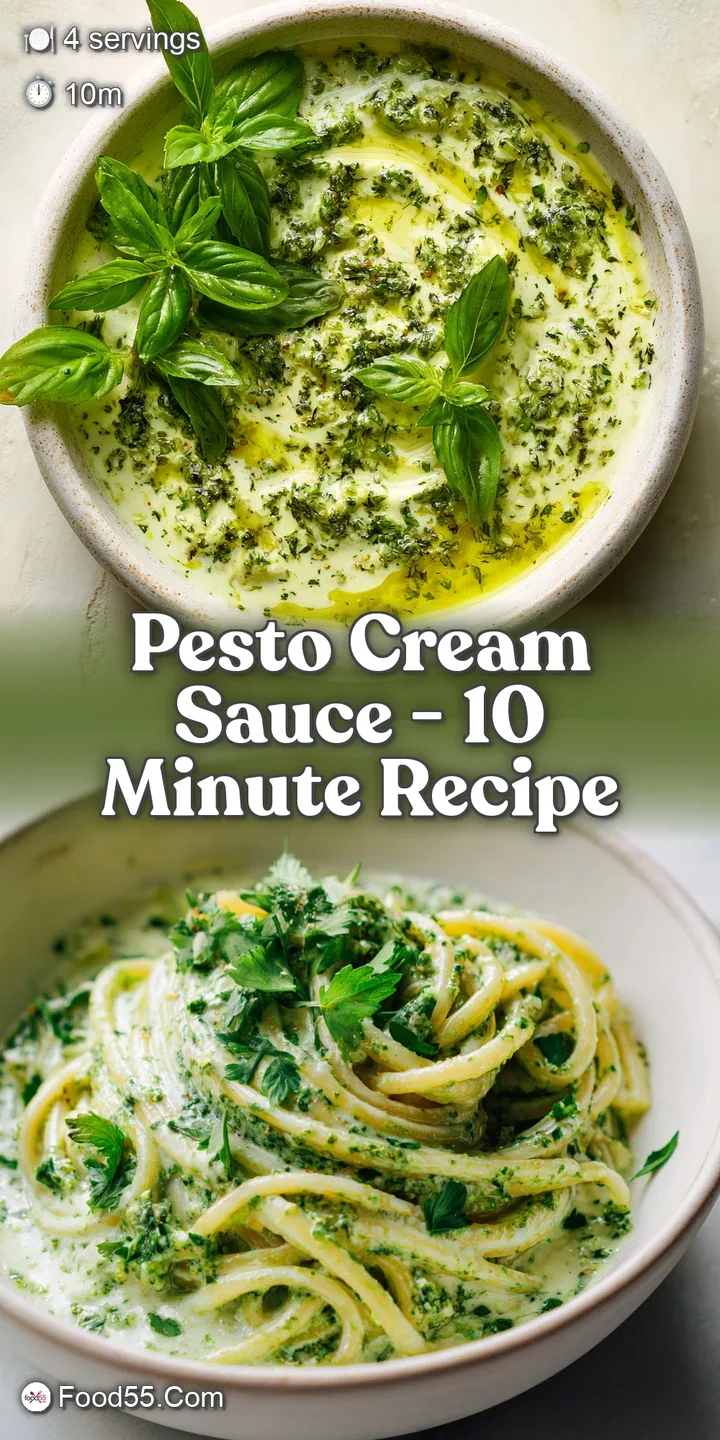
Pesto Cream Sauce: 10-Minute Miracle
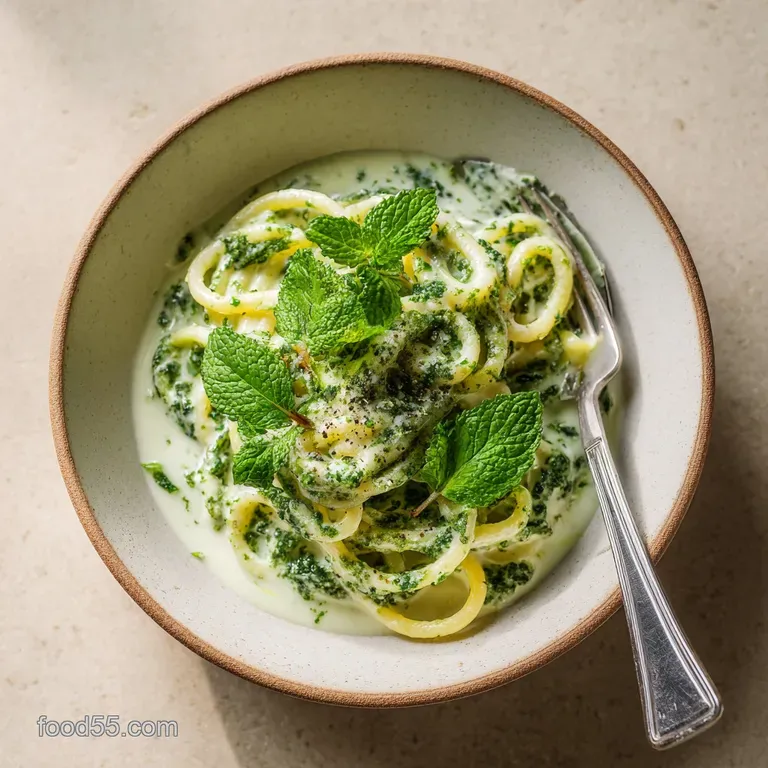
- Time: Active 5 minutes, Passive 5 minutes, Total 10 minutes
- Flavor/Texture Hook: Silky, velvety finish with a bright herbaceous punch
- Perfect for: Stress free weeknight dinners or impressing last minute guests
- Create a Velvety Pesto Cream Sauce in Ten Minutes
- Why This Vibrant Green Sauce Works Every Time
- The Quick Specs for This Silky Pasta Topper
- Selecting the Best Elements for Your Savory Sauce
- Essential Kitchen Tools for a Smooth Creamy Finish
- Simple Steps for Crafting This Rich Herb Infusion
- Fixing Common Sauce Issues with These Pro Methods
- Clever Swaps to Fit Every Dietary Lifestyle
- Keeping Your Herb Cream Sauce Fresh and Tasty
- Inspiring Ways to Plate Your Homemade Green Sauce
- Pesto Cream Sauce FAQs
- 📝 Recipe Card
Create a Velvety Pesto Cream Sauce in Ten Minutes
The first time I stumbled upon this recipe, it was a complete accident born from a Tuesday night fridge raid. I had exactly one half jar of basil pesto left, a carton of heavy cream nearing its end, and a box of pasta.
As the 1 tbsp of unsalted butter hit the pan and the 2 cloves of minced garlic began their aromatic sizzle, I knew I was onto something special. The kitchen filled with that sharp, savory scent that only garlic and butter can produce, signaling the start of a meal that felt far more intentional than a "leftover special."
There is something deeply communal about sharing a bowl of pasta smothered in this vibrant green coating. It’s a dish that invites people to linger around the table, passing the extra Parmigiano Reggiano and tearing into crusty bread to catch every last drop.
Unlike a standard pesto which can sometimes feel oily or thin, this Pesto Cream Sauce feels lush and indulgent, wrapping around the pasta like a warm hug. It’s the contrast between the peppery, bright basil and the mellow, velvety cream that makes it so addictive.
I’ve made the mistake of boiling the pesto too hard in the past - trust me, it turns a sad, murky brown. But when you get it right, following the steps I’m about to share, you get a sauce that glows with a brilliant emerald hue.
We’re going to look at how to balance those fats and acids so you end up with a plate that looks as good as it tastes. Let’s get into the details of why this specific method works so much better than just dumping cream into a jar of sauce.
Why This Vibrant Green Sauce Works Every Time
The success of this sauce isn't just luck; it's a matter of managing temperatures and emulsions to ensure the fat doesn't separate from the liquids. By controlling the heat, we protect the volatile oils in the basil and the delicate proteins in the dairy.
- Fat in-Water Emulsification: The 1/4 cup starchy pasta water acts as a bridge, using its suspended starches to glue the heavy cream and pesto oils together into a cohesive, glossy coating.
- over Low heat Preservation: Adding the 1/2 cup basil pesto at the very end prevents the chlorophyll from oxidizing, which keeps the flavor bright and the color from turning dull or bitter.
- Lactic Acid Balancing: The 1/2 tsp lemon zest provides a sharp acidic counterpoint to the 41.6 g of fat per serving, cutting through the richness and waking up the palate.
- Starch Gelatinization: Using starchy water from the pasta pot ensures the sauce thickens enough to "shatter" through the creaminess with a distinct, bold texture rather than sliding off the noodles.
The Physics of the Silk
The magic happens when the 1/2 cup Parmigiano Reggiano meets the warm heavy cream. Because we use a high fat cream, the proteins are less likely to clump. The cheese melts into the liquid, creating a suspension where the fats are evenly distributed.
This is why we avoid low-fat substitutes here; the higher fat content provides the stability needed to carry the weight of the pesto without the sauce breaking into an oily mess.
| Pesto Style | Prep Time | Flavor Intensity | Best For |
|---|---|---|---|
| Freshly Mortared | 15 minutes | Maximum / Peppery | Special Occasions |
| store-bought Jar | 0 minutes | Mellow / Salty | Busy Weeknights |
| Frozen Cubes | 2 minutes | Bright / Fresh | Year round Use |
The choice between fresh and shortcut ingredients depends entirely on your schedule, but the technique remains the same. If you are using a store-bought version, you might want to look at our Lightened Up Basil recipe for tips on how to brighten up a jarred sauce with a little extra lemon or fresh herbs.
The Quick Specs for This Silky Pasta Topper
Before we start heating the pan, it's helpful to understand the role each component plays. This isn't just about mixing things together; it's about building layers of flavor that bring people together over a shared meal.
The 1/2 tsp red pepper flakes, for instance, don't make it "spicy" in the traditional sense, but they provide a back of-the throat warmth that balances the 1/2 tsp lemon zest.
| Component | Science Role | Pro Secret |
|---|---|---|
| Heavy Cream | Primary Emulsifier | Use room temp cream to prevent the sauce from "shocking" and curdling. |
| Pasta Water | Starch Binder | Scoop it out just before draining pasta when the starch concentration is highest. |
| Parmigiano | Umami & Texture | Grate it yourself from a block; pre shredded cheese is coated in cellulose that prevents melting. |
| Unsalted Butter | Flavor Carrier | Sautéing garlic in butter instead of oil creates a rounder, more "velvety" mouthfeel. |
Using the right starchy water is a non negotiable step. Think of it as the liquid gold of the kitchen. It contains the very essence of the pasta’s structure, which helps this Pesto Cream Sauce achieve that elusive "clinging" quality that you find in high end Italian bistros.
Selecting the Best Elements for Your Savory Sauce
Quality matters when the ingredient list is this short. We are looking for high fat, high flavor items that can stand up to the heat of the stove. When you're at the store, reach for the "Reggiano" label it’s the real deal and carries a nutty complexity that imitation parm just can’t replicate.
- 2 cloves garlic, minced: Why this? Provides the aromatic foundation that deepens the overall savory profile.
- Substitute: 1 tsp garlic paste (Same flavor, but lacks the nice bits of sautéed texture).
- 1 tbsp unsalted butter: Why this? Controls the salt level while adding a rich, creamy base for sautéing.
- Substitute: Olive oil (Adds a fruity note but results in a thinner sauce).
- 1 cup heavy whipping cream: Why this? The high fat content (36%+) is vital for a stable, thick emulsion.
- Substitute: Full fat coconut milk (dairy-free, but adds a distinct tropical sweetness).
- 1/2 cup basil pesto: Why this? The concentrated source of herb, nut, and oil flavors.
- Substitute: Sun dried tomato pesto (Shifts the flavor profile to sweet and tangy).
- 1/2 cup grated Parmigiano Reggiano: Why this? Acts as a natural thickener and provides a salty, umami kick.
- Substitute: Pecorino Romano (Sharper and saltier; reduce added salt if using).
- 1/2 tsp lemon zest: Why this? Essential for cutting through the heavy dairy and brightening the herbs.
Essential Kitchen Tools for a Smooth Creamy Finish
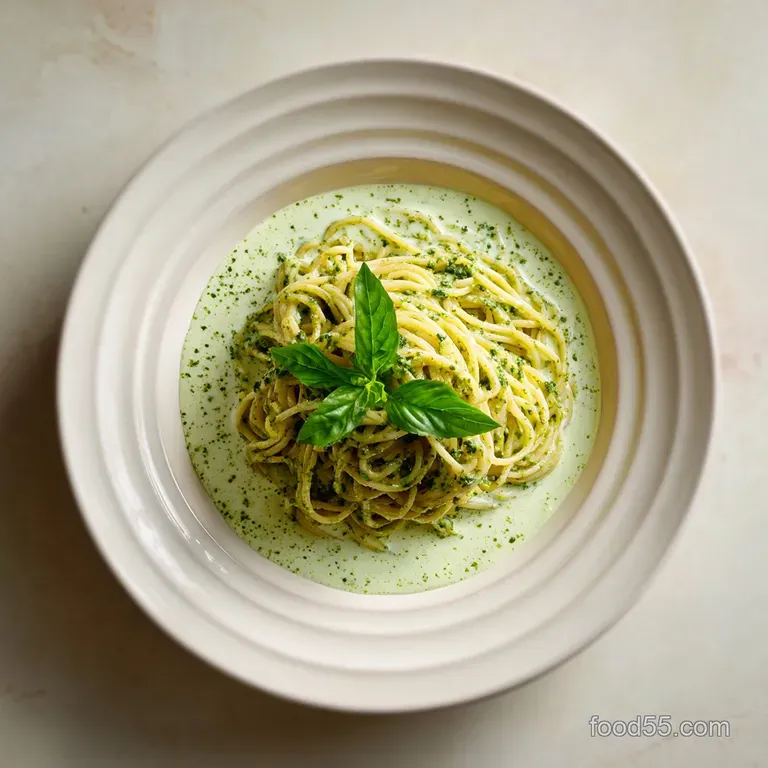
You don't need a professional kitchen to pull this off, but having the right gear makes the process seamless. A heavy bottomed skillet is your best friend here. It distributes heat evenly, which is crucial when you're working with 1 cup heavy whipping cream that can easily scorched if the pan has "hot spots."
I personally love using a wide stainless steel pan or a high-quality non stick skillet. The wide surface area allows the cream to reduce slightly and thicken naturally. You'll also want a microplane for that 1/2 tsp lemon zest it ensures you only get the yellow aromatic skin and none of the bitter white pith.
If you find yourself making sauces like this often, investing in a solid whisk will help you incorporate the 1/2 cup Parmigiano Reggiano without leaving any lumps behind.
For those who want to take their pasta game to the next level, similar to the technique used in The Creamy Garlic recipe, a pair of silicone tipped tongs is excellent for tossing the noodles directly into the sauce. This ensures every single strand is coated in that glorious green velvet.
Simple Steps for Crafting This Rich Herb Infusion
- Sizzle the aromatics. Melt 1 tbsp unsalted butter in a large skillet over medium heat until it bubbles.
- Infuse the fat. Add 2 cloves minced garlic and 1/2 tsp red pepper flakes. Note: Cook for 1 minute until the garlic is fragrant and translucent but not browned.
- Build the base. Pour in 1 cup heavy whipping cream and 1/4 tsp each of salt and black pepper.
- Simmer and reduce. Bring the cream to a gentle simmer for 2-3 minutes until it slightly thickens and coats the back of a spoon.
- Temper the cheese. Lower the heat and whisk in 1/2 cup grated Parmigiano Reggiano. Note: Adding cheese over high heat can cause it to become stringy.
- Emulsify the sauce. Slowly whisk in 1/4 cup starchy pasta water. Watch for the sauce to become glossy and smooth.
- Incorporate the pesto. Remove the pan from the heat and fold in 1/2 cup basil pesto. Note: Residual heat is enough to warm the pesto without killing its bright color.
- Add the brightness. Stir in 1/2 tsp lemon zest until the aroma of citrus is clearly noticeable.
- Combine with pasta. Toss your cooked noodles directly into the pan.
- Final check. If the sauce is too thick, add one extra tablespoon of pasta water at a time until it reaches a velvety consistency.
Fixing Common Sauce Issues with These Pro Methods
Even the best of us have bad kitchen days. The most common heartbreak with this recipe is a sauce that "breaks," meaning the oil separates and sits on top. This usually happens if the pan gets too hot after the pesto or cheese is added.
Don't panic; it's usually fixable with a little bit of physics and some extra liquid.
Why Your Sauce is Separating
If you see pools of oil, your emulsion has collapsed. This often happens if the cream boils too vigorously or if the pesto was added to a piping hot pan. To fix this, remove the pan from the heat immediately. Add a teaspoon of cold heavy cream or a splash of warm pasta water and whisk vigorously.
The sudden change in temperature and the addition of a fresh emulsifier can often pull the sauce back together.
Why Your Sauce is Gummy
If the sauce feels like glue, you likely added too much cheese or let the cream reduce too far. This is where that 1/4 cup starchy pasta water comes in. The starch helps keep the cheese from clumping, but if it's still too thick, you need more liquid.
Always keep a little extra pasta water on standby before you drain your pot.
| Problem | Root Cause | Solution |
|---|---|---|
| Oily Surface | Heat was too high after adding pesto | Whisk in 1 tsp cold cream off the heat |
| Gritty Texture | Pre shredded cheese or added too fast | Whisk in more warm pasta water to melt clumps |
| Dull Green Color | Pesto was boiled/overcooked | Add a handful of fresh minced basil at the end |
Common Mistakes Checklist: ✓ Never boil the sauce once the pesto has been added to preserve the color. ✓ Always grate your Parmigiano Reggiano fresh to ensure a smooth melt. ✓ Don't skip the lemon zest; it’s the key to balancing the high fat content.
✓ Save your pasta water before you dump the pot in the sink. ✓ Use heavy cream (36% fat) rather than half and half for maximum stability.
Clever Swaps to Fit Every Dietary Lifestyle
We all want to share our meals with everyone, regardless of their dietary needs. While this Pesto Cream Sauce is naturally vegetarian and gluten-free (depending on your pasta choice), there are ways to lighten it up or change the flavor profile entirely.
Plant Based/Vegan Shift
To make this vegan, swap the 1 tbsp unsalted butter for a high-quality vegan butter or olive oil. Use a full fat coconut milk or a cashew based cream in place of the heavy whipping cream. For the cheese element, nutritional yeast provides that familiar umami funk. The result is slightly nuttier but just as satisfying.
The Sun Dried Tomato Twist
If you want a "Pink Pesto" or Pesto Rosso, swap the green basil pesto for a sun dried tomato version. The acid profile changes significantly it becomes sweeter and more robust. This version pairs exceptionally well with smoked chicken or sautéed mushrooms.
It's a great way to use the same basic technique to create an entirely different cultural exchange on your plate.
| Target | Adjustment | Impact on Outcome |
|---|---|---|
| Lighter Sauce | Half and half (1 cup) | Thinner consistency; may require a small cornstarch slurry. |
| Nut Free | Pumpkin seed pesto | Same vibrant color but safer for school lunches/allergies. |
| Extra Punch | Anchovy paste (1/2 tsp) | Deepens the savory "umami" without tasting like fish. |
Keeping Your Herb Cream Sauce Fresh and Tasty
If you find yourself with leftovers which is rare in my house this sauce keeps surprisingly well if handled with care. Because it contains 1 cup heavy whipping cream, it will firm up significantly in the fridge as the fats solidify.
Storage: Transfer the cooled sauce to an airtight container. It will stay fresh in the refrigerator for up to 3 days. I do not recommend freezing the fully assembled sauce, as the cream and pesto tend to separate and lose their vibrant color upon thawing.
However, you can freeze the "cream base" (cream, garlic, butter) and then add fresh pesto and cheese when you reheat it.
Reheating: Never use a microwave for this! The intense, uneven heat will cause the sauce to break into an oily mess. Instead, place the sauce in a skillet over low heat. Add a splash of milk or water to loosen it up. Stir constantly and remove it from the heat the second it becomes fluid again.
Zero Waste Tip: If you have just a few tablespoons of sauce left, don't toss it. It makes an incredible spread for a turkey sandwich the next day, or you can dollop it over a fried egg in the morning for a "green eggs" breakfast that feels very gourmet.
Inspiring Ways to Plate Your Homemade Green Sauce
While we often think of "Pesto Cream Sauce" purely in the context of pasta, it is a versatile workhorse in the kitchen. Its rich profile makes it a fantastic companion for various proteins and vegetables.
The Perfect Protein Pairings
This sauce is a match made in heaven for grilled chicken or seared salmon. The richness of the 41.6 g of fat per serving complements the lean profile of chicken breast perfectly. If you are serving it with salmon, the lemon zest in the sauce highlights the natural sweetness of the fish.
You can even use it as a dipping sauce for crispy calamari or roasted shrimp.
Starch Selections
Beyond the standard fettuccine or penne, try this sauce over cheese filled ravioli or potato gnocchi. The gnocchi, in particular, act like little sponges, soaking up the velvety sauce into their ridges.
If you're looking for a lower carb option, it’s brilliant over "zoodles" (zucchini noodles) or roasted spaghetti squash, though you’ll want to reduce the pasta water since those veggies release their own moisture.
- If you want a thicker glaze, simmer the cream for an extra 2 minutes before adding the cheese.
- If you want a brighter color, blend a handful of fresh spinach into your pesto before adding it to the cream.
- If you want a smoky edge, add a pinch of smoked paprika along with the red pepper flakes.
Ultimately, this recipe is about the joy of a shared meal that doesn't require hours of labor. It’s about that moment when you set the bowl in the middle of the table and everyone leans in, caught by the aroma of garlic, basil, and aged cheese.
It’s simple, it’s fast, and it’s a reminder that the best connections often happen over the simplest plates. Enjoy the process, don't be afraid to experiment with the zest or the spice, and most importantly, make sure you have enough bread to wipe the bowl clean.
The over Low heat Myth
A common misconception is that you need to cook the pesto to "marry" the flavors. In truth, the 1/2 cup basil pesto is already a finished product. Heating it too long actually destroys the delicate aromatic compounds. The "marriage" happens in the emulsion of the cream and cheese, not through extended boiling.
Another myth is that you can't use cold cream; while room temp is "safer" to prevent curdling, the high fat content of heavy whipping cream actually makes it quite resilient to temperature changes, so don't worry if you forgot to take it out of the fridge early. Just add it slowly!
Pesto Cream Sauce FAQs
What is creamy pesto made of?
It's a rich sauce combining basil pesto with dairy. The base typically includes heavy whipping cream, Parmigiano Reggiano cheese, and sometimes butter or pasta water for emulsion. This combination transforms the vibrant pesto into a luxurious, coating sauce.
Can you mix pesto and cream?
Yes, absolutely. Mixing pesto and cream creates a delightful sauce where the bright herbaceous notes of pesto are mellowed by the richness of the cream. It's a common and delicious combination, perfect for pasta dishes.
What cream to use for pesto sauce?
Heavy whipping cream is best. Its high fat content (at least 36%) is crucial for creating a stable, velvety emulsion that won't break. Lighter creams may result in a thinner, less rich sauce.
What does pesto cream sauce taste like?
It's a balanced blend of bright, herbaceous, and rich flavors. You'll taste the peppery basil, garlic, and pine nuts from the pesto, beautifully complemented by the smooth, slightly sweet, and decadent creaminess of the dairy.
A touch of lemon zest often cuts through the richness, adding a pleasant tang.
How do I prevent my pesto cream sauce from separating?
Control the heat and use starchy pasta water. Add pesto off the heat or at very low temperatures to preserve its color and flavor. Using reserved, starchy pasta water helps emulsify the sauce, binding the fat and liquid together for a smooth, stable finish. If you enjoyed mastering stable emulsions here, see how the same whisking technique works in our Honey Walnut Shrimp: The Ultimate Recipe for Crispy Batter Creamy Sauce.
Can I make pesto cream sauce ahead of time?
Yes, with a slight adjustment. You can prepare the cream base a day or two in advance. However, it's best to stir in the fresh pesto just before serving to maintain its vibrant green color and fresh flavor, as prolonged heating can dull it.
What protein pairs well with pesto cream sauce?
Chicken breast or pan-seared white fish are excellent choices. The mild flavor of chicken breast in a spinach parmesan sauce, for example, allows the pesto cream sauce to shine, while a flaky fish like tilapia absorbs the sauce beautifully. Similar to how we achieve a rich coating in our Creamy Chicken Breast in Spinach Parmesan Sauce: The Easy Weeknight Florentine, the sauce clings well to lean proteins.
Pesto Cream Sauce
Ingredients:
Instructions:
Nutrition Facts:
| Calories | 417 kcal |
|---|---|
| Protein | 6.7 g |
| Fat | 41.6 g |
| Carbs | 4.8 g |
| Fiber | 0.6 g |
| Sugar | 1.7 g |
| Sodium | 525 mg |
