Green Chile Stew: Proper Job Pork Edition
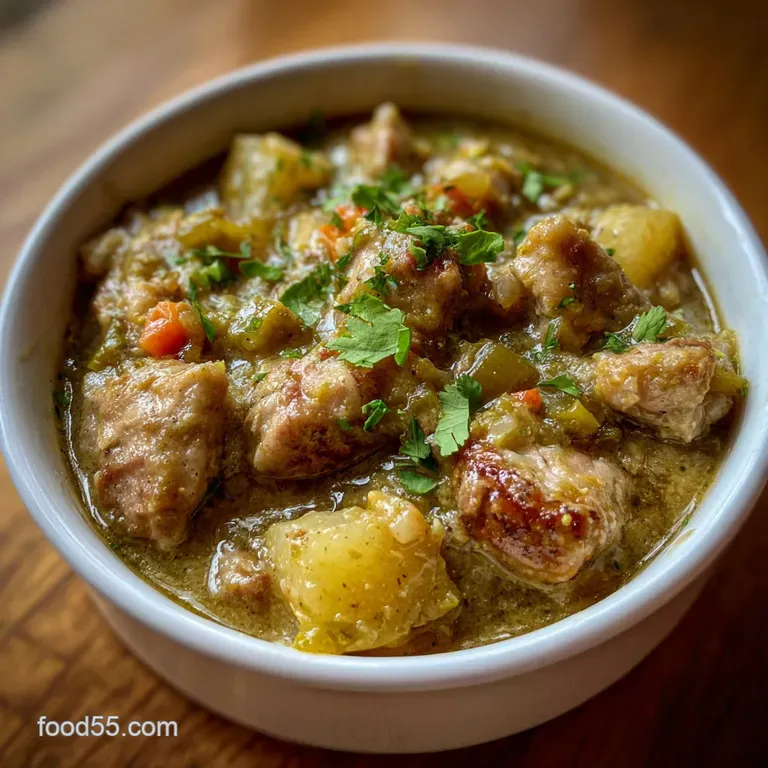
- Welcome to the Ultimate Comfort Bowl: Proper Job Pork Stew
- Flavor Science: Why This Approach Delivers Unbeatable Depth
- Essential Components for Authentic Green Chile Stew
- Method: Mastering the Slow Simmer for Tender Pork
- Expert Tips for Troubleshooting and Perfecting Your Stew
- Practical Guide: Storage, Freezing, and Reheating
- Traditional Serving Suggestions and Perfect Pairings
- Recipe FAQs
- 📝 Recipe Card
Welcome to the Ultimate Comfort Bowl: Proper Job Pork Stew
The first time that deep, smoky aroma of true roasted peppers hits you, you know you’re about to make something special. This is the ultimate, hearty bowl: proper Green Chile Stew .
Forget the overly complicated weekend projects; this recipe uses affordable ingredients and delivers intensely satisfying results for relatively little fuss. It’s comforting, deeply flavorful, and precisely what you need when the weather turns cool.
Look, life is busy, but making this is pure self care disguised as dinner. Once the prep is complete, the pot happily simmers away, transforming a humble cut of pork into something sublime.
The beauty of this specific Pork Green Chile Stew is its simplicity, relying on time and good technique, not fancy ingredients.
We’re not just dumping things in a pot, mind you; we're building those incredible layers of flavour from the ground up, starting with a killer sear and a quick roux. Trust me, the results a deep, earthy, truly authentic Hatch Green Chile Stew —are exponentially better than any rushed version you've tried before.
Let's crack on.
Flavor Science: Why This Approach Delivers Unbeatable Depth
You can’t cheat flavour. This stew works because we respect the ingredients and give them time to mingle. We’re aiming for tenderness in the pork, thickness in the sauce, and a complex heat that lingers without burning.
The Secret Weapon: Defining the Hatch Green Chile Difference
When we talk about the best Green Chile Stew , we’re usually talking about the Hatch chile. These peppers, primarily grown in New Mexico, have a specific, smoky, earthy flavour that is released through roasting. They are essential.
If your chiles aren't roasted, your stew will taste flat and vegetal. Roasting concentrates the sugars and adds that necessary depth, which is why canned or frozen roasted chiles are often better than trying to roast raw ones quickly at home.
Is This Dish Spicy? Understanding Heat Levels and Scoville Ranges
The beauty of a true Hatch Green Chile Stew is that you control the heat. Hatch chiles vary wildly, typically rating between 1,000 to 8,000 Scoville Heat Units (SHU), which is usually mild to medium.
If you buy "mild" roasted chiles, the stew will be smoky and earthy with only a slight warmth on the finish. For a kick, source "hot" varieties, or simply throw in a seeded jalapeño during the sauté stage for a bit of extra oomph.
Quick Overview of the Cooking Timeline
This is a commitment, but the time pays off. You'll spend about 25 minutes actively prepping and searing, then the magic happens during the long, slow simmer.
It’s crucial not to rush the cooking time; that 2.5 to 3 hours is necessary to ensure the tough pork shoulder breaks down perfectly, delivering the texture that makes this Comfort Food Stew Recipes stand out.
Achieving the "Proper Job" Crust: The Maillard Reaction on Pork
The single most important step for deep flavour is searing the pork. This Maillard reaction the browning of the proteins and sugars creates hundreds of complex flavour compounds that instantly dissolve back into the stew liquid. Do not skip the searing, and never crowd the pan.
If you rush this, your meat will grey, and your stew will lack the richness it deserves.
Converting Collagen: How Tough Cuts Become Spoon Tender
We use pork shoulder (Boston butt) for a reason: it’s loaded with connective tissue, or collagen. When cooked slowly at a low temperature, that collagen melts and transforms into gelatin.
Gelatin is what makes the resulting broth silky and luscious, giving this Pork Green Chile Stew that incredible mouthfeel. If you want proof of this transformation, check out my recipe for [Ropa Vieja: Fork Tender Cuban Shredded Beef Stew], which uses the same slow cooking principle.
Layering the Chile Flavor Base
We add the chiles in two stages: some go in early to melt into the broth, and the rest go in later alongside the potatoes to maintain their fresh, roasted character. We also build a quick roux with flour, garlic, and cumin right after the sear.
This creates a deeply savory foundation that helps the green chile flavour anchor firmly in the sauce.
Essential Components for Authentic Green Chile Stew
The ingredient list for a traditional Green Chile Stew New Mexico style is surprisingly lean, focusing on quality and technique over quantity. Every item plays a vital role.
The Right Cut of Pork: Preparing the Shoulder for Simmering
Pork shoulder is your best friend here. It’s fatty enough to stay moist during the long simmer and tough enough to require that long cook time needed for flavour depth.
| Ingredient | Role | Viable Substitute |
|---|---|---|
| Pork Shoulder | Rich, tender meat | Bone-in beef chuck roast (increase cook time slightly) or pork butt. |
Sourcing Your Chiles: Fresh, Frozen, or Canned?
While fresh, seasonal Hatch chiles, roasted over an open flame, are the gold standard, frozen or canned works perfectly well for this Green Chile Stew Recipe . Just ensure they are labeled 'Roasted Green Chiles.'
| Ingredient | Role | Viable Substitute |
|---|---|---|
| Roasted Hatch Chiles | Smoky, signature flavor | Roasted Anaheim chiles (milder) or a mix of roasted Poblanos and Jalapeños (spicier). |
The Role of Potatoes: Thickening and Texture
Potatoes serve two purposes in a proper Green Chile Stew : they bulk up the meal, making it hearty, and the starch they release helps naturally thicken the stew, balancing the liquid. Russets break down nicely for a thick broth, while Yukon Golds hold their shape better.
| Ingredient | Role | Viable Substitute |
|---|---|---|
| Potatoes (Russet or Yukon Gold) | Heartiness and natural starch | Diced sweet potatoes (for sweetness) or hominy (for a traditional variation). |
Spice Cabinet Essentials: Cumin and Oregano Notes
Mexican oregano is much earthier and less sweet than Mediterranean oregano. Cumin, of course, is non-negotiable for that authentic Southwest taste. Be generous with these spices; they are the backbone of the savory element.
| Ingredient | Role | Viable Substitute |
|---|---|---|
| Chicken Stock | Liquid base | Vegetable stock (if needed, but flavour will be less rich). |
| Mexican Oregano | Earthy undertone | Regular dried oregano (use slightly less). |
Method: Mastering the Slow Simmer for Tender Pork
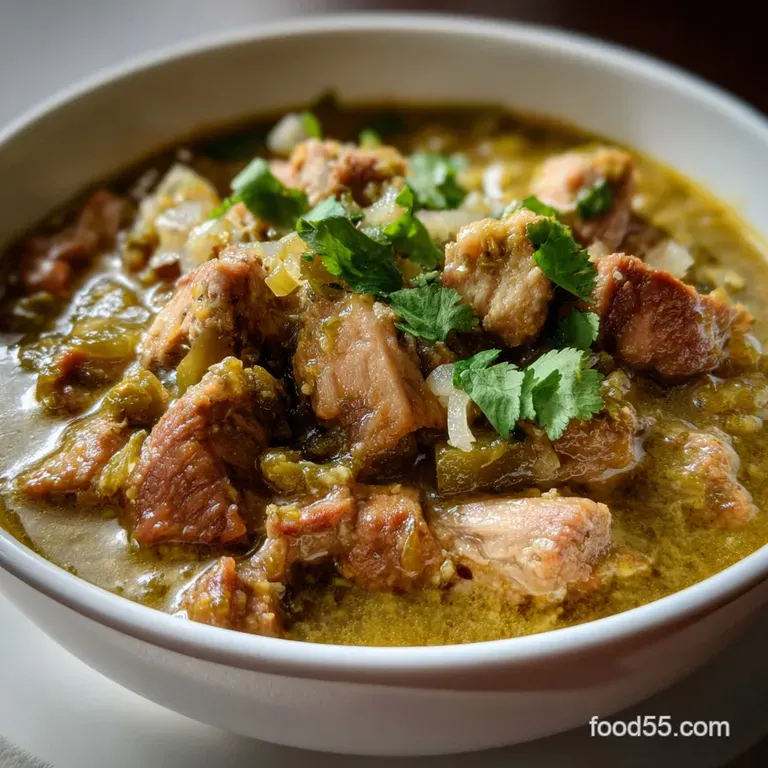
Following these steps ensures your Easy Green Chile Stew comes out perfectly balanced and intensely tender.
Step 1: Browning the Pork and Building the Fond
You need to pat the pork cubes very dry before seasoning them heavily with salt and pepper. Heat your oil in a Dutch oven over medium high heat until it shimmers. Sear the pork in small batches until each piece has a deep brown, crusty exterior. This should take about 5 minutes per batch.
Remove the pork with a slotted spoon and save any juices that accumulate on the plate that’s liquid gold!
Step 2: Sautéing Aromatics and Toasting Spices
Reduce the heat to medium. Toss in your diced onions and scrape the bottom of the pot vigorously, incorporating all those stuck-on, brown bits (the fond) into the onions. This adds incredible depth. When the onions are translucent and sweet smelling, add the minced garlic and cook for just 60 seconds until fragrant.
Then sprinkle in the flour, cumin, and oregano. Stir this spice mixture for two minutes you should smell a toasted, nutty aroma.
Step 3: The Long Cook: Achieving Maximum Tenderness
Pour in a cup of stock and scrape the pot bottom one last time to fully dissolve the roux. Add the rest of the liquid, the optional diced tomatoes, and the seared pork. Bring it up to a boil, then immediately turn the heat right down to the lowest setting possible.
The stew should only be at a gentle bubble, known as a simmer. Cover and let the magic happen for at least 1 hour and 45 minutes.
Chef’s Note: A proper simmer is crucial. If the stew boils aggressively, the pork will toughen, and the potatoes (when added) will fall apart into mush. Low and slow is the only way for this Pork Green Chile Stew .
Step 4: Adding Potatoes and Finishing the Consistency
After the initial long simmer, the pork should yield slightly when poked. Now, add the cubed potatoes and roughly half of your chopped green chiles. Cover the pot again and continue simmering for another 45 minutes to 1 hour.
When the potatoes are fork tender and the pork shreds easily, uncover the pot. If the consistency isn't right, see the troubleshooting section below. Finally, stir in the remaining roasted chiles and the fresh lime juice.
Expert Tips for Troubleshooting and Perfecting Your Stew
Every cook runs into snags. Here are the simple fixes for common issues when making Green Chile Stew .
How to Fix a Stew That’s Too Thin (The Potato Trick)
If your stew tastes amazing but is a bit too watery, don't panic. Take about 1 cup of the cooked potatoes and a small amount of the liquid out of the pot. Mash them thoroughly with a fork or an immersion blender until smooth, then stir the potato paste back into the stew.
This instantly thickens the sauce without needing any extra flour or cornstarch.
Avoiding Dry Pork: Maintaining Liquid and Monitoring Heat
If you used pork shoulder, it’s quite difficult to dry out, but it can happen if the heat is too high. The biggest cause of dry stew meat is letting too much liquid evaporate. Ensure your pot remains tightly covered during the long simmer.
Check it halfway through; if the liquid line has dropped significantly, add a splash more stock. The stew should always comfortably cover the meat.
Adjusting the Seasoning and Acidity at the End
Stews often need two final adjustments: salt and acid. Since liquids concentrate over time, you must taste the final product before adding more salt. If the stew tastes slightly flat, a tablespoon of fresh lime juice (or red wine vinegar) will instantly brighten all the complex flavours, lifting the whole pot.
This step is non-negotiable for a vibrant tasting Green Chile Stew .
Practical Guide: Storage, Freezing, and Reheating
You’ll always want leftovers of this one. It tastes even better the next day, once the flavours have fully married.
Optimal Freezing Techniques for Long Term Storage
The great news? This Green Chile Stew freezes brilliantly! Let the stew cool completely, then ladle it into freezer safe, airtight containers or heavy duty freezer bags. If using bags, lay them flat on a baking sheet until frozen this saves space.
The stew will keep well for 4 to 6 months.
Reheating Without Losing Texture
The key to reheating is gentle heat. Thaw overnight in the fridge if possible. Reheat slowly on the stovetop over low heat, stirring occasionally. Avoid blasting it in the microwave, as high heat can make the pork slightly chewy.
If it seems too thick after thawing, add a half cup of stock or water during reheating to return it to the perfect consistency.
Traditional Serving Suggestions and Perfect Pairings
The classic way to enjoy this Hatch Green Chile Stew is simple, but I have a few suggestions for leveling up your bowl.
Must Have Garnishes: Cheese, Cilantro, and Sour Cream
Serve piping hot in a deep bowl. The ultimate trifecta of garnishes includes a dollop of cool sour cream (or Greek yogurt), a pile of shredded Monterey Jack or cheddar cheese that melts into the broth, and a generous sprinkle of fresh cilantro.
For a little extra crunch, try pairing this rich bowl with my recipe for [Fried Green Tomatoes with Remoulade Sauce: Ultra Crispy Southern Recipe] it’s an unexpected but phenomenal combination of crispy and soft textures.
Tip: Don't forget the bread! This stew demands something carb heavy for soaking up the liquid. Warm flour tortillas or chunks of crusty bread are ideal.
If you’re seeking authentic, soulful comfort in a bowl, this Green Chile Stew is absolutely it. Enjoy every spoonful!

Recipe FAQs
Can I freeze Green Chile Stew, and how long does it keep?
This stew freezes exceptionally well, often improving the flavor depth upon thawing. Once cooled completely, transfer it to airtight, freezer safe containers, leaving a little headspace, and freeze for up to three months. Refrigerated leftovers are best consumed within 3 to 4 days.
I can't find Hatch chiles. What is the best substitute?
If true roasted Hatch chiles are unavailable, the best substitute is often roasted Anaheim chiles, though they are milder in heat and flavor complexity. For a better balance of flavor and heat, you can combine roasted Anaheims with a small, charred jalapeño or poblano pepper.
Always ensure the substitute chiles are properly roasted and peeled.
My stew seems too thin and watery. How can I thicken it without using flour?
The easiest method for thickening is using the stew's existing starches by mashing a few cooked potatoes and pieces of pork against the side of the pot. Alternatively, scoop out about one cup of the broth, let it cool slightly, whisk in 1 tablespoon of cornstarch (a slurry), and then pour it back into the pot, simmering until thickened.
Why is searing the pork shoulder necessary, and can I skip that step?
Searing the pork initiates the Maillard reaction, which is crucial for creating deep, complex, savory flavor notes in the meat and the resulting broth. Skipping this step means sacrificing flavor depth and richness, resulting in a less complex, flatter tasting stew.
Ensure the pork is dried thoroughly before searing for optimal browning.
Can I adapt this recipe to be vegetarian or vegan?
Yes, this recipe is highly adaptable. Replace the pork with robust vegetables like cubed butternut squash or extra potatoes, or use a plant based protein like rehydrated dried mushrooms or firm tofu.
Crucially, substitute the chicken broth with a rich, full bodied vegetable broth to maintain the necessary depth of flavor.
I prefer a less spicy stew. How can I control the heat level?
The heat level is largely determined by the specific variety and age of the Hatch chiles used. To reduce spice, ensure you remove all the seeds and membranes from the chiles before adding them to the stew, as most capsaicin resides there.
You can also mix in some diced bell pepper with your chiles to dilute the overall heat.
What are the best traditional toppings and sides for Green Chile Stew?
Green Chile Stew is traditionally served piping hot alongside warm, fresh flour tortillas or slices of cornbread for dipping. Classic garnishes include shredded cheese (Monterey Jack or Cotija), a dollop of sour cream or crema, and a sprinkle of fresh cilantro or chopped green onions.
Pork Hatch Green Chile Stew
Ingredients:
Instructions:
Nutrition Facts:
| Calories | 282 kcal |
|---|---|
| Protein | 9.7 g |
| Fat | 4.7 g |
| Carbs | 50.6 g |
