Egg White Omelette: Silky Whipped Texture
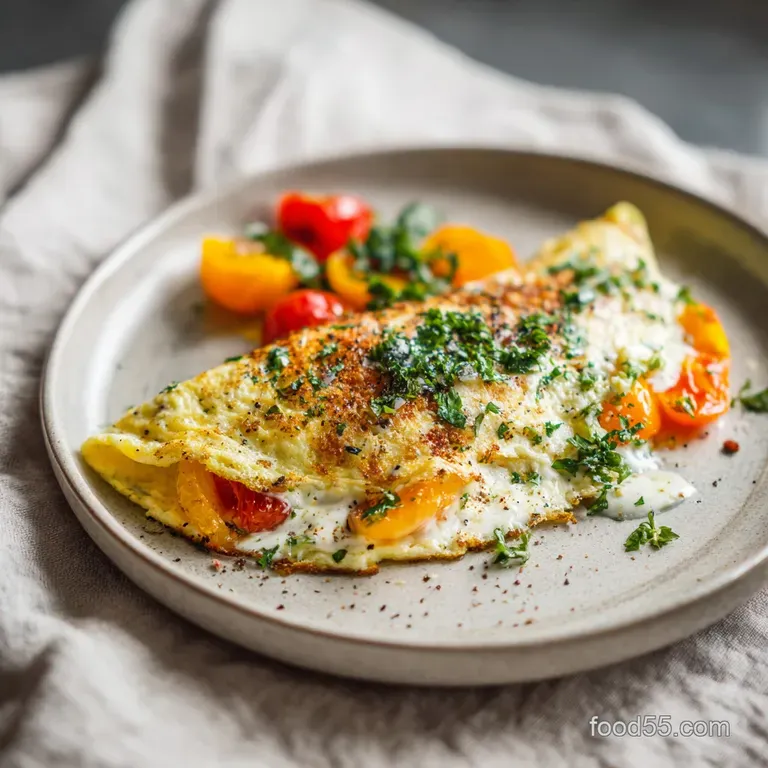
- Time: Active 5 minutes, Passive 8 minutes, Total 13 minutes
- Flavor/Texture Hook: Silky, whipped texture with a salty feta finish
- Perfect for: High protein breakfast or a quick post workout recovery meal
- Crafting the Ultimate Protein Rich Egg White Omelette
- Why This Aerated Technique Wins
- Component Analysis and Science
- Your Fresh Ingredient Breakdown
- Tools for a Fluffy Fold
- Step-by-Step Culinary Walkthrough
- Fixes for Common Egg Blunders
- Flavor Maps and Creative Swaps
- Smart Storage and Prep Moves
- Sides to Complete the Meal
- High in Sodium (⚠️)
- Recipe FAQs
- 📝 Recipe Card
Crafting the Ultimate Protein Rich Egg White Omelette
Imagine waking up to the gentle whisper of a pan and the earthy, fresh scent of sautéing spinach. I used to think a White Omelette was just a sad, rubbery compromise for people who missed the yolk, but then I had one at a little bistro that felt like eating a savory marshmallow. It was a total revelation.
I spent weeks in my own kitchen trying to replicate that texture, failing more times than I’d like to admit. My first few attempts were either watery messes or tough as a yoga mat. The secret, it turns out, isn't just in the eggs themselves, but in how you treat the air inside them.
We are going to move past the basic "pour and flip" method. This version focuses on structure and seasoning, ensuring every bite is light and packed with flavor. If you have mastered a Classic Deviled Eggs recipe, you already know that eggs are all about the details, and this dish is no different.
Why This Aerated Technique Wins
- Protein Denaturation: Cream of tartar lowers the pH of the whites, which helps the protein strands bond more loosely, creating a stable, foamy structure.
- Thermal Insulation: The air bubbles trapped in the whipped whites act as tiny insulators, slowing down the cooking process to prevent the proteins from tightening and becoming rubbery.
- Moisture Migration Control: Sautéing the spinach and peppers separately ensures that the vegetable cell walls collapse and release their water before they ever touch the egg base.
- Fat Emulsification: Even the tiny amount of fat in the low-fat feta provides just enough lubrication to create a velvety mouthfeel against the lean protein.
| Cooking Style | Time Required | Texture Outcome | Best For |
|---|---|---|---|
| Fast Method | 5 minutes | Dense and flat | Busy mornings |
| Classic Method | 13 minutes | Fluffy and tall | Weekend brunch |
| Bistro Style | 15 minutes | Soufflé like | Impressing guests |
Selecting the right technique depends on how much you value that airy lift. If you are meal prepping alongside a Lipton Onion Soup recipe, the fast method is fine, but for a true treat, the classic aeration is king.
Component Analysis and Science
| Ingredient | Science Role | Pro Secret |
|---|---|---|
| Liquid Egg Whites | Structural Foundation | Use them cold for a more stable foam that resists collapsing. |
| Cream of Tartar | Acidic Stabilizer | It prevents the egg proteins from "over bonding" and squeezing out water. |
| Baby Spinach | Textural Contrast | Rough chopping prevents the leaves from becoming slimy strings. |
| Sea Salt | Flavor Catalyst | Adds ions that help the egg proteins uncoil and set faster. |
The relationship between the cream of tartar and the liquid egg whites is the most pivotal part of this recipe. Without that tiny bit of acid, the whites struggle to hold the air you whip into them, leading to a flat, uninspiring plate.
Your Fresh Ingredient Breakdown
- 1 cup Liquid Egg Whites: Use a high-quality carton brand for consistency. Why this? It provides a clean, neutral canvas for the vibrant vegetable flavors.
- 1/2 tsp Cream of Tartar: The hidden hero of the "fluff factor." Why this? It provides the structural integrity needed for a high volume, airy omelette.
- 1/4 tsp Sea Salt: Essential for bringing out the sweetness in the peppers.
- 1 pinch Black Pepper: Adds a subtle heat that cuts through the richness of the feta.
- 1 cup Fresh Baby Spinach: Roughly chopped. Why this? Spinach provides a boost of iron and a soft, earthy texture.
- 2 tbsp Red Bell Pepper: Finely diced for even distribution.
- 1 tbsp Fresh Chives: Minced for a sharp, onion like bite.
- 1 tbsp low-fat Feta cheese: Provides a salty, tangy punch without too much grease.
- 1 spray Cooking Spray (Avocado or Olive oil): Just enough to prevent sticking.
| Original Ingredient | Substitute | Why It Works |
|---|---|---|
| low-fat Feta | Goat Cheese | Similar tang. Note: Goat cheese is creamier and melts more easily. |
| Red Bell Pepper | Sun dried Tomatoes | Deepens the umami. Note: Will make the dish much saltier; reduce sea salt. |
| Fresh Chives | Green Onion Tops | Similar flavor profile. Note: Use only the green parts for a milder taste. |
Tools for a Fluffy Fold
You don't need a professional kitchen, but a few specific tools make this much easier. A non stick skillet (8 inch is best for a single serving) is mandatory. If the pan isn't slick, the delicate egg structure will tear the moment you try to flip it.
I also recommend a small wire whisk or even a handheld milk frother. If you try to whip these whites with a fork, you won't get the same volume. A silicone spatula is your best friend here because it bends with the curve of the pan, allowing you to peek under the edges without breaking the set.
step-by-step Culinary Walkthrough
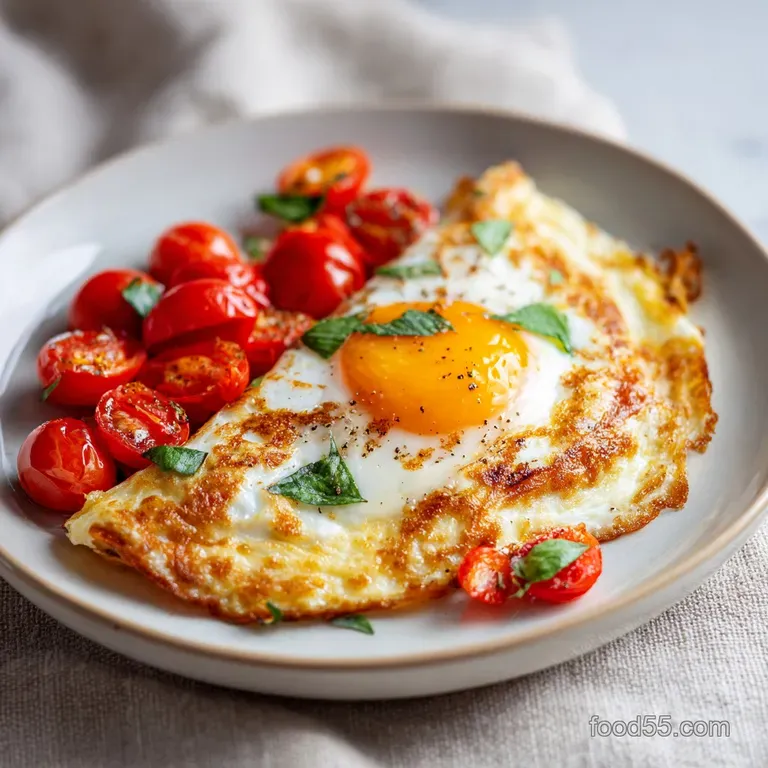
- Prep the whites. Pour 1 cup Liquid Egg Whites into a clean bowl. Note: Ensure the bowl is completely grease free or the whites won't foam.
- Aerate the base. Add 1/2 tsp Cream of Tartar and 1/4 tsp Sea Salt. Whisk vigorously for 2 minutes until a thick, frothy foam forms on top.
- Sauté the vegetables. Spray your pan with oil and heat over medium. Add the 2 tbsp Red Bell Pepper and 1 cup Fresh Baby Spinach.
- Remove moisture. Cook the veggies for 2 minutes until the spinach is wilted and the pan is dry. Set them aside on a plate.
- Clean the pan. Quickly wipe the pan with a paper towel and re spray with cooking oil. Note: This prevents the egg from sticking to any leftover veggie bits.
- Pour the eggs. Pour the whipped whites into the pan over medium low heat.
- Set the edges. Let them cook for 3 minutes until the edges are opaque and the center is mostly set.
- Add the fillings. Sprinkle the cooked veggies, 1 tbsp low-fat Feta, 1 tbsp Fresh Chives, and a pinch of Black Pepper over one half.
- The final fold. Use a spatula to gently fold the empty half over the fillings.
- Serve immediately. Slide the Healthy Egg White Omelette onto a plate until the cheese begins to soften from the residual heat.
Chef's Tip: If you want a truly "bistro" look, don't let the whites brown. If you hear a loud sizzle, your pan is too hot. You want a gentle "hiss" to keep the omelette snowy white.
Fixes for Common Egg Blunders
My omelette turned out rubbery
This is almost always a heat issue. High heat causes the proteins in the Egg White Omelette Recipe to seize up and squeeze out their moisture. The result is a tough, bouncy texture that feels more like plastic than food. Keep the heat on medium low and be patient.
There is water on my plate
If you notice a puddle forming under your omelette, it’s the vegetables' fault. Spinach and peppers are mostly water. If you don't sauté them until their liquid evaporates before adding them to the eggs, that water will leak out during the final cook. Always cook your fillings first!
| Problem | Cause | Fix |
|---|---|---|
| Omelette is flat | Not enough aeration | Whisk until the whites are truly frothy before cooking. |
| Eggs stick to pan | Damaged non stick coating | Use a newer pan or increase the oil spray slightly. |
| Feta didn't melt | Feta is too cold | Let the cheese sit at room temperature for 5 minutes before adding. |
Common Mistakes Checklist
- ✓ Using a pan that is too large (it makes the omelette too thin and dry).
- ✓ Adding the salt too late (it needs to be whisked in to help the foam stabilize).
- ✓ Skipping the cream of tartar (the air bubbles will pop almost instantly).
- ✓ Flipping too early before the bottom has structurally "set."
- ✓ Overloading with wet fillings (keep the spinach to egg ratio balanced).
Flavor Maps and Creative Swaps
If you want to branch out from the standard Spinach Egg White Omelette, think about flavor profiles that mimic your favorite indulgences. A "Mexican inspired" version might use cilantro and a spoonful of salsa instead of chives and feta.
For a "Mediterranean" vibe, swap the bell peppers for kalamata olives and add a pinch of dried oregano. The beauty of this base is that it's essentially a blank slate for your cravings.
- The Garden
- Asparagus tips, peas, and mint.
- The Spicy
- Diced jalapeños, hot sauce, and cilantro.
- The Savory
- Sautéed mushrooms and a dusting of nutritional yeast.
Decision Shortcut: If you want a Low Calorie Egg White Omelette, stick strictly to the spray oil and skip the cheese. If you want a High Protein Egg White Omelette for muscle recovery, add 2 tablespoons of nutritional yeast to the whisking stage.
If you want a Rich Egg White Omelette feel, add a teaspoon of Greek yogurt to the whites before whisking for a creamier finish.
Smart Storage and Prep Moves
Egg whites don't love the microwave, so I always recommend eating this fresh. However, if you are in a rush, you can store the sautéed vegetables in the fridge for up to 3 days. This cuts your morning prep time down to basically just whisking and pouring.
If you do have leftovers, the best way to reheat them is in a dry pan over low heat with a lid on. This creates a small steam chamber that revives the moisture without making the eggs rubbery. Avoid the freezer; once these cooked proteins freeze and thaw, the texture becomes grainy and unpleasant.
Zero Waste Tip: Don't throw away those herb stems! If you have leftover chive or spinach stems, finely mince them and toss them into a freezer bag. They are fantastic for adding flavor to a vegetable stock later on.
Sides to Complete the Meal
Since this is such a lean, protein packed dish, I love pairing it with something that has a bit of healthy fat or complex carbs. A slice of sprouted grain toast or half an avocado with a sprinkle of "everything bagel" seasoning works wonders.
If you are hosting a larger brunch, this omelette acts as the perfect light counterpoint to heavier dishes. It balances out the sweetness of fruit platters or the denseness of a breakfast casserole.
- 1. Whisking Time
- A full 120 seconds of vigorous whisking ensures the cream of tartar is fully integrated.
- 2. Pan Temperature
- The surface should be exactly 300°F (150°C) if using an infrared thermometer.
- 3. Internal Set
- The omelette is done when the internal temperature reaches 165°F (74°C).
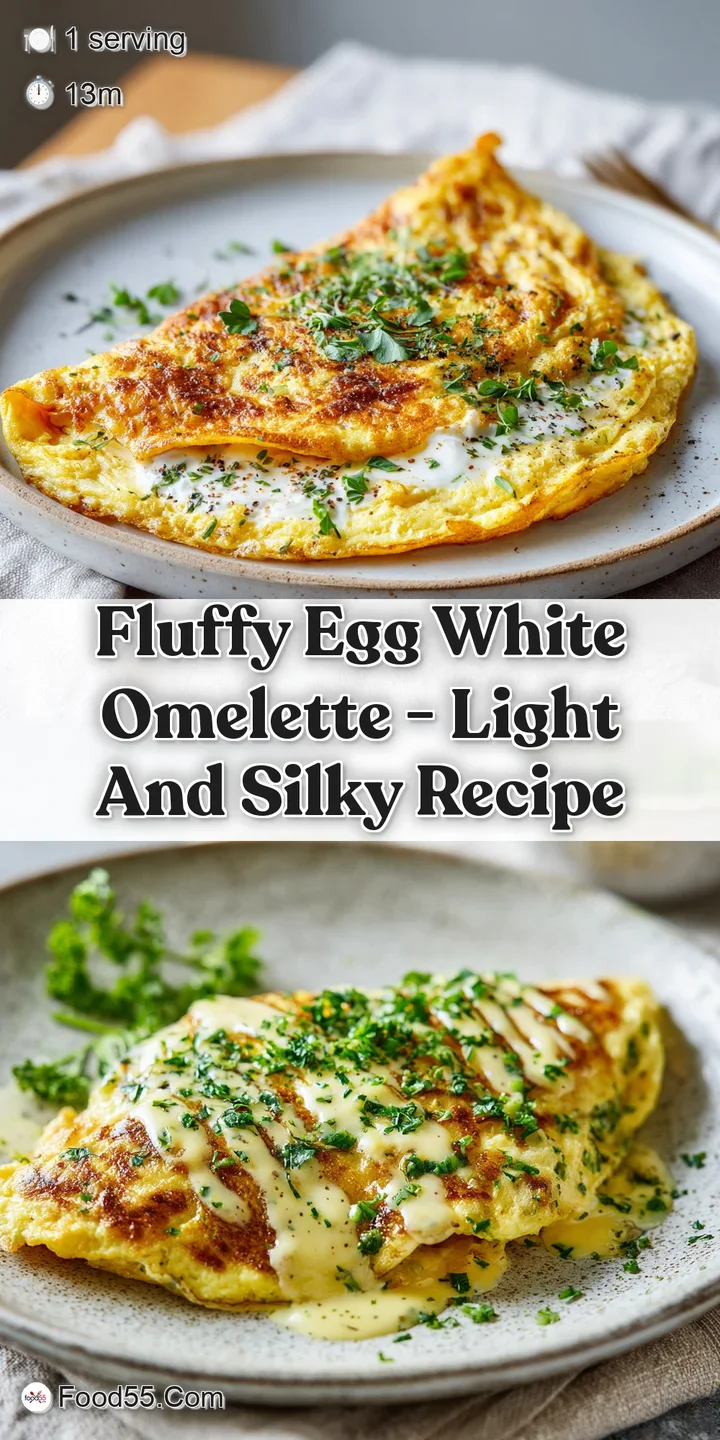
High in Sodium (⚠️)
1078 mg mg of sodium per serving (47% of daily value)
The American Heart Association recommends limiting sodium intake to about 2,300mg per day.
Tips to Reduce Sodium
-
Reduce Feta-15%
Feta cheese is a significant source of sodium. Try reducing the amount of feta by half (1/2 tbsp) or using a lower sodium cheese alternative like fresh goat cheese. This will have a noticeable impact on the overall sodium content.
-
Skip the Salt-25%
Eliminate the sea salt entirely from the recipe. With the feta already contributing sodium, you likely won't miss it. Taste the omelet before adding any salt.
-
Unsalted Egg Whites-10%
Although uncommon, some liquid egg whites have sodium added. Check the label and choose an egg white product with no added sodium.
-
Spice it Up!
Instead of relying on salt, experiment with sodium free herbs and spices to enhance the flavor. Consider adding garlic powder, onion powder, smoked paprika, or dried oregano for a more complex and flavorful omelet.
Recipe FAQs
Are egg white omelettes high in protein?
Yes, absolutely. Egg whites are nearly pure protein, containing about 3.6 grams of protein per large egg white with minimal fat or carbs. This makes them an excellent, lean source for muscle repair and satiety.
What can I add to egg whites for more protein?
Add nutritional yeast or lean cottage cheese. Nutritional yeast offers a cheesy flavor boost along with added B vitamins and protein. For an even denser boost, blend a tablespoon of cottage cheese into the whites before whisking; this technique mirrors the technique used to stabilize sauces in our Pesto Cream Sauce recipe.
Can you make an omelette with just egg whites?
Yes, you can, but texture suffers without stabilization. While technically possible, pure whites cook very quickly and can become rubbery or tough. Adding a tiny amount of acid, like cream of tartar, helps the proteins stretch, creating a much fluffier, superior omelette.
What to add to omelette for more protein if I dislike cottage cheese?
Incorporate very finely diced, cooked chicken or turkey. Lean meat additions significantly increase the protein content per bite. If you are looking for a hearty filling like this, try practicing your searing technique first, similar to how you develop crust on the chicken in our Creamy Chicken Breast recipe.
Why does my egg white omelette turn out flat and dense?
This results from insufficient aeration or poor stabilization. You must whisk the whites vigorously until they are frothy, incorporating air bubbles, and you must include a stabilizer like cream of tartar. If you struggle with emulsion, remember the skill of slow, controlled incorporation.
Is it true that I must use a non-stick pan to prevent sticking?
No, this is a common misconception, though highly recommended. While non-stick is easiest, a well seasoned cast iron pan works if you use enough cooking spray and keep the heat very low. Achieving a non-stick surface relies on heat control, a principle you use when making delicate sauces.
How do I prevent my added vegetables from making the omelette watery?
Sauté the vegetables separately until all surface moisture evaporates. Cook peppers and spinach until the liquid released from the vegetable cells has completely boiled off. This pre-cooking step ensures only flavor, not excess water, gets trapped inside the cooked egg structure.
Protein Egg White Omelette
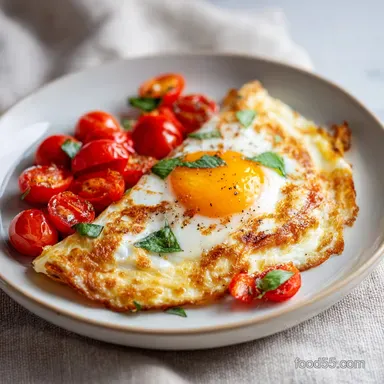
Ingredients:
Instructions:
Nutrition Facts:
| Calories | 172 calories |
|---|---|
| Protein | 29 g |
| Fat | 2.8 g |
| Carbs | 6 g |
| Fiber | 1 g |
| Sugar | 3 g |
| Sodium | 1078 mg |
