Roasted Lotus Flower Onions Recipe
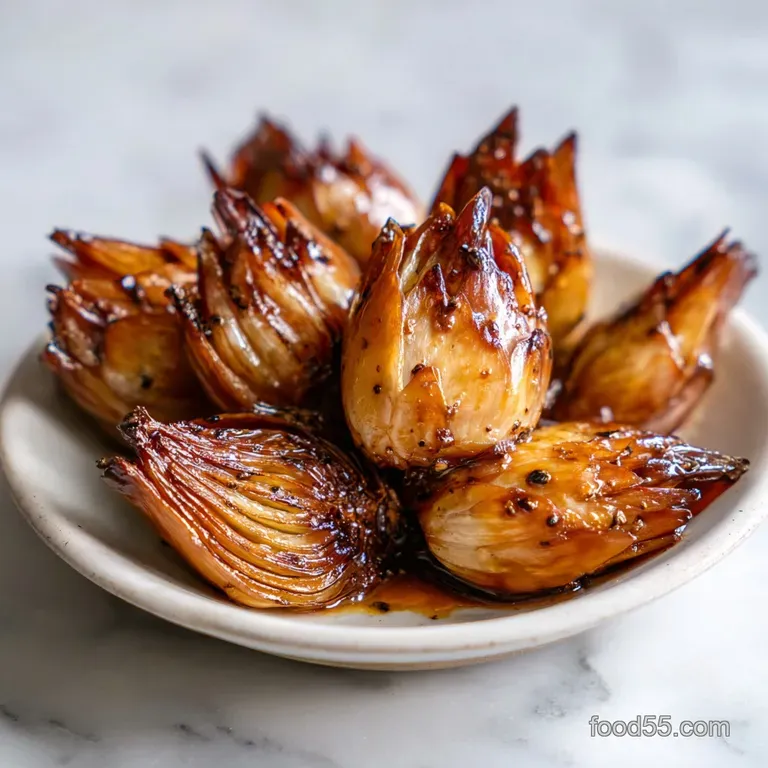
- Time: Active 15 minutes, Passive 45 minutes, Total 60 minutes
- Flavor/Texture Hook: Silky, caramelized petals with a sharp, tangy glaze and a satisfyingly tender core.
- Perfect for: Upscale dinner parties, holiday side dishes, or anytime you want a Pinterest worthy plate.
- Mastering the Visual Artistry of Roasted Lotus Flower Onions
- Timing and Technical Specifications for the Perfect Bloom
- Component Analysis of the Lotus Aromatics
- The Essential Elements for a Radiant and Flavorful Glaze
- The Precision Tools Needed for Intricate Culinary Sculpting
- Executing the Multi Stage Technique for a Flawless Result
- Refining Your Technique to Eliminate Common Aesthetic Errors
- Creative Adaptations to Suit Your Unique Flavor Profile
- Debunking Common Preparation Misconceptions
- Preservation Methods to Maintain Texture and Visual Appeal
- Artistic Plating Strategies for a Truly Innovative Table
- Recipe FAQs
- 📝 Recipe Card
Mastering the Visual Artistry of Roasted Lotus Flower Onions
The first time I pulled a tray of these out of the oven, the aroma was so intense it actually stopped me in my tracks. It wasn’t just the smell of roasting vegetables; it was that deep, dark, almost chocolatey scent of aged balsamic vinegar reducing alongside 1 tbsp honey.
The kitchen was filled with a fragrance that felt expensive, like something from a high end bistro where the menus don't have prices. I stood there watching the steam rise off the red purple petals, which had unfurled into these delicate, architectural shapes that looked more like botanical art than dinner.
We’ve all seen those viral videos where things look great but taste like cardboard. Trust me, I’ve been there I once tried a similar recipe that turned into a soggy, gray mess because I didn't understand the importance of the root integrity.
But after a few failed attempts and a lot of messy cutting boards, I figured out the mechanics. You aren't just roasting an onion; you're using heat to tension release the layers while the glaze acts as a flavor adhesive. It’s brilliant, honestly.
Right then, if you're looking for a side dish that makes people pull out their phones before they even pick up a fork, this is it. We’re moving beyond the standard roasted veg tray and into something more innovative.
We'll use 4 medium red onions to create a floral display that’s as sophisticated as it is tasty. You’ll get that velvety texture in the center and those slightly charred, crispy edges on the "petals" that provide the perfect contrast.
The Physics of the Radial Bloom
Thermal Expansion: As the water inside the onion cells turns to steam, it creates internal pressure that pushes the sliced layers outward. Because the root remains intact, the tension forces the top of the onion to splay into a flower shape instead of collapsing.
- Anthocyanin Stability: The acid in the 3 tbsp aged balsamic helps maintain the vibrant red and purple hues of the red onion, preventing them from turning a dull, brownish gray during the long roast.
- Viscosity Control: Combining 1 tbsp honey with the vinegar creates a glaze thick enough to cling to the vertical surfaces of the petals rather than just pooling at the bottom.
- Maillard Intensification: The high natural sugar content of the 4 medium red onions, combined with the added honey, triggers a rapid browning reaction that develops deep umami notes.
- Cellular Softening: The 2 tbsp extra virgin olive oil penetrates between the layers, lubricating them so they can slide past each other and "bloom" without tearing.
| Onion Diameter | Initial Roast Time | Glazed Roast Time | Visual Cue for Done ness |
|---|---|---|---|
| 5-6 cm (Small) | 20 minutes | 15 minutes | Petals translucent and tipping outward |
| 7-8 cm (Medium) | 25 minutes | 20 minutes | Center soft to a knife tip; edges curled |
| 9+ cm (Large) | 30 minutes | 25 minutes | Deep mahogany color; petals fully separated |
It is worth noting that red onions vary wildly in their water content depending on the season. If you find your onions are particularly firm, you might need to add five minutes to the initial roasting phase before applying the glaze.
Timing and Technical Specifications for the Perfect Bloom
When we talk about precision in this recipe, it isn't just about the clock. It's about the stage of the onion's "life" in the oven. You want to see the layers start to lean away from each other before you introduce the heavy sugars of the balsamic. If you glaze too early, the sugar burns before the onion core is soft.
If you glaze too late, the flavors won't meld. It's a balance I learned after burning a whole batch of "charred lotus coals" last Thanksgiving.
If you are serving this alongside a heavier main, like the one found in this Classic Southern Potato recipe, the acidity of the vinegar provides a much needed palate cleanser. The timing should be choreographed so the onions finish right as you're ready to plate, as they look their most vibrant within ten minutes of leaving the heat.
Component Analysis of the Lotus Aromatics
| Ingredient | Science Role | Pro Secret |
|---|---|---|
| Red Onion | Structural Base | Leave the hairy root base intact to keep the flower from falling apart during the bloom. |
| Aged Balsamic | Acidic Catalyst | Use "Aceto Balsamico di Modena" for a thicker consistency that coats the petals like paint. |
| Dried Thyme | Volatile Flavor | Rub the thyme between your palms before adding to release the oils hidden in the dried leaves. |
| Flaky Sea Salt | Moisture Draw | The large crystals provide "crunch" pockets that don't immediately dissolve into the glaze. |
Selecting the right onions is your first step toward success. You want 4 medium red onions that feel heavy for their size and have tight, papery skins. Avoid any that have green sprouts poking out of the top, as the core will be tough and bitter.
This recipe relies on the natural sweetness of a mature onion to balance the tang of the vinegar.
The Essential Elements for a Radiant and Flavorful Glaze
To get that deep, multidimensional flavor, we aren't just throwing things in a bowl. We are creating an emulsion that will stand up to 200°C heat. The 2 cloves garlic must be minced so finely they almost become a paste; you don't want big chunks of garlic stuck between the delicate onion petals.
- 4 medium red onions: These are our "flowers."
- 2 tbsp extra virgin olive oil: Use a high-quality oil with peppery notes.
- 1 tsp flaky sea salt: Why this? Provides texture and pops of saltiness against the sweet glaze.
- 0.5 tsp freshly ground black pepper: Why this? Adds a necessary bite to cut through the honey.
- 3 tbsp aged balsamic vinegar: Why this? Thick, syrupy vinegar sticks better to the petals.
- 1 tbsp honey: Why this? Promotes the "sticky" finish and caramelization.
- 2 cloves garlic, finely minced: Why this? Infuses the oil with savory depth.
- 1 tsp dried thyme: Why this? Its earthy flavor survives the high roasting temperature better than fresh.
Chef's Tip: Freeze your garlic cloves for 10 minutes before mincing. It makes them much firmer and easier to mince into that tiny, uniform "dust" that blends perfectly into the oil.
The Precision Tools Needed for Intricate Culinary Sculpting
You don't need a professional kitchen, but a sharp knife is non negotiable here. A dull blade will crush the onion layers instead of slicing through them, which means your "petals" will look ragged and won't open cleanly.
I prefer using a 15 cm utility knife for the cuts, as it gives me more control than a large chef's knife.
You'll also want a baking dish that fits the 4 medium red onions snugly but with enough room for them to expand. A ceramic or glass baking dish works best for heat distribution. If you use a dark metal sheet pan, the bottoms of the onions might brown too quickly before the centers are done.
Executing the Multi Stage Technique for a Flawless Result
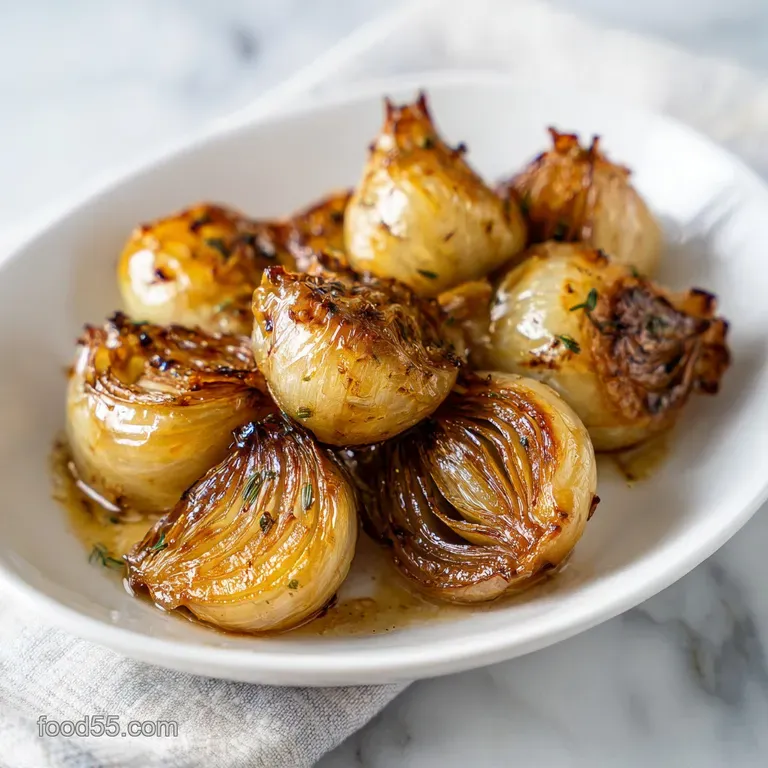
- Preheat your oven to 200°C. Note: A consistent high heat is vital for the "bloom" effect.
- Peel the 4 medium red onions, leaving the root end entirely intact. Cut off the stem top until the surface is flat.
- Place the onion root side down. Slice downward into the onion, stopping about 1.5 cm from the base. Make 4 cuts to create 8 even wedges.
- Gently use your fingers to loosen the layers at the top. Note: Don't force them; the heat will do the heavy lifting later.
- Whisk together the 2 tbsp extra virgin olive oil, 1 tsp flaky sea salt, and 0.5 tsp freshly ground black pepper.
- Place onions in the baking dish and brush the oil mixture generously over and inside the slits.
- Cover the dish tightly with foil and bake for 25 minutes until the onions are softened and starting to splay.
- While they bake, whisk the 3 tbsp aged balsamic, 1 tbsp honey, 2 cloves garlic, and 1 tsp dried thyme in a small bowl.
- Remove the foil, pour the balsamic glaze over each onion, ensuring it drips into the center.
- Roast uncovered for another 20 minutes until the glaze is thick, bubbly, and the petal tips are dark and curled.
When you pull these out, the onions should have "shattered" open visually. The edges of the petals will be dark and almost crispy, while the base remains velvety and tender. It’s a texture journey in every single bite.
If you find the glaze is too thin at the end, just spoon some of the liquid from the bottom of the dish back over the onions and let them sit for two minutes; it will thicken as it cools.
Refining Your Technique to Eliminate Common Aesthetic Errors
Sometimes the onions just don't want to cooperate. I remember a dinner party where my "flowers" looked more like sad, closed tulip bulbs. I realized I hadn't cut deep enough toward the root. If you leave too much "solid" onion at the bottom, the petals can't move.
Why Your Onion Flowers Won't Open
If your onions stay tightly packed, it’s usually a matter of depth or moisture. The steam needs a way to escape from the very center of the onion to push those outer layers away.
| Problem | Root Cause | Solution |
|---|---|---|
| Closed Petals | Cut didn't go deep enough | Ensure you stop exactly 1 cm above the root hairs. |
| Burnt Edges | Glaze applied too early | Only add the balsamic mixture after the initial 25 minute "softening" roast. |
| Mushy Base | Excess liquid in dish | Use a larger dish or drain off excess onion juices before adding glaze. |
If you run into issues with the onions tipping over, you can slightly trim the very bottom of the root hairs to create a flat sitting surface just don't cut into the actual onion bulb.
✓ Mistakes to Avoid Checklist ✓ Don't peel off too many layers; you need the outer "petals" for structural support. ✓ Ensure the oven is fully preheated to 200°C before the onions go in.
✓ Use room temperature onions; cold onions take longer to bloom and can cook unevenly. ✓ Avoid using white or yellow onions for this specific look; they lack the color contrast. ✓ Don't skip the foil in the first stage; it creates the steam needed for the initial softening.
Creative Adaptations to Suit Your Unique Flavor Profile
If you're cooking for a larger crowd, scaling this recipe is quite simple. Red onions are fairly consistent in size, so you can easily double the batch. Just ensure you aren't crowding the pan; each "flower" needs about 3 cm of breathing room to expand.
- Scaling Down (1-2 servings): Use a small ramekin for each onion. This actually helps them keep their shape even better.
- Scaling Up (8-12 servings): Use a large roasting pan. You don't need to double the salt or pepper increase them by 1.5x instead to avoid over seasoning.
- Liquid Adjustments: If you're making 12 onions, reduce the balsamic slightly to 8 tbsp instead of a full 9 tbsp to prevent the dish from becoming a soup.
| Premium Ingredient | Budget Alternative | Flavor Impact |
|---|---|---|
| Aged Balsamic (12yr+) | Standard Balsamic + 1 tsp brown sugar | Slightly more acidic; less syrupy finish. |
| Flaky Sea Salt | Fine Sea Salt (use half amount) | Loses the "crunch" but seasons evenly. |
| Extra Virgin Olive Oil | Sunflower or Grapeseed Oil | More neutral; lets the onion flavor lead. |
For those who want a bit of a kick, adding a pinch of red chili flakes to the glaze is a game changer. It works in the same way as the flavors in this Homemade Asian Cabbage recipe, where the heat balances out the sweetness of the vegetable.
Debunking Common Preparation Misconceptions
There's a myth that you should soak the onions in ice water before roasting to make them "crispier." In my experience, this is a waste of time for this specific dish. Soaking actually adds excess moisture to the layers, which leads to steaming rather than roasting, and you'll end up with a soggy flower instead of one with those beautiful charred edges.
Another misconception is that the garlic will burn if roasted for 20 minutes in the glaze. Because the garlic is suspended in the balsamic and honey mixture, the sugars actually protect the garlic from direct heat, allowing it to mellow and sweeten rather than turn bitter.
Preservation Methods to Maintain Texture and Visual Appeal
Roasted Lotus Flower Onions are best served fresh, but if you have leftovers, they don't have to go to waste. You can store them in an airtight container in the fridge for up to 3 days.
The petals will soften significantly, losing that "shatter" quality on the tips, but the flavor actually deepens as the balsamic continues to penetrate the onion.
To Reheat: Avoid the microwave at all costs it will turn your beautiful flower into a limp pile of purple layers. Instead, place them back in a 180°C oven for 8-10 minutes.
This helps re crystallize the sugars in the glaze and brings back some of the original texture.
Zero Waste Tip: If the onions fall apart during reheating, chop them up and use them as a "balsamic onion jam" topper for burgers or goat cheese crostini. The root base, if too tough to eat, can be tossed into a freezer bag for your next batch of vegetable stock.
Artistic Plating Strategies for a Truly Innovative Table
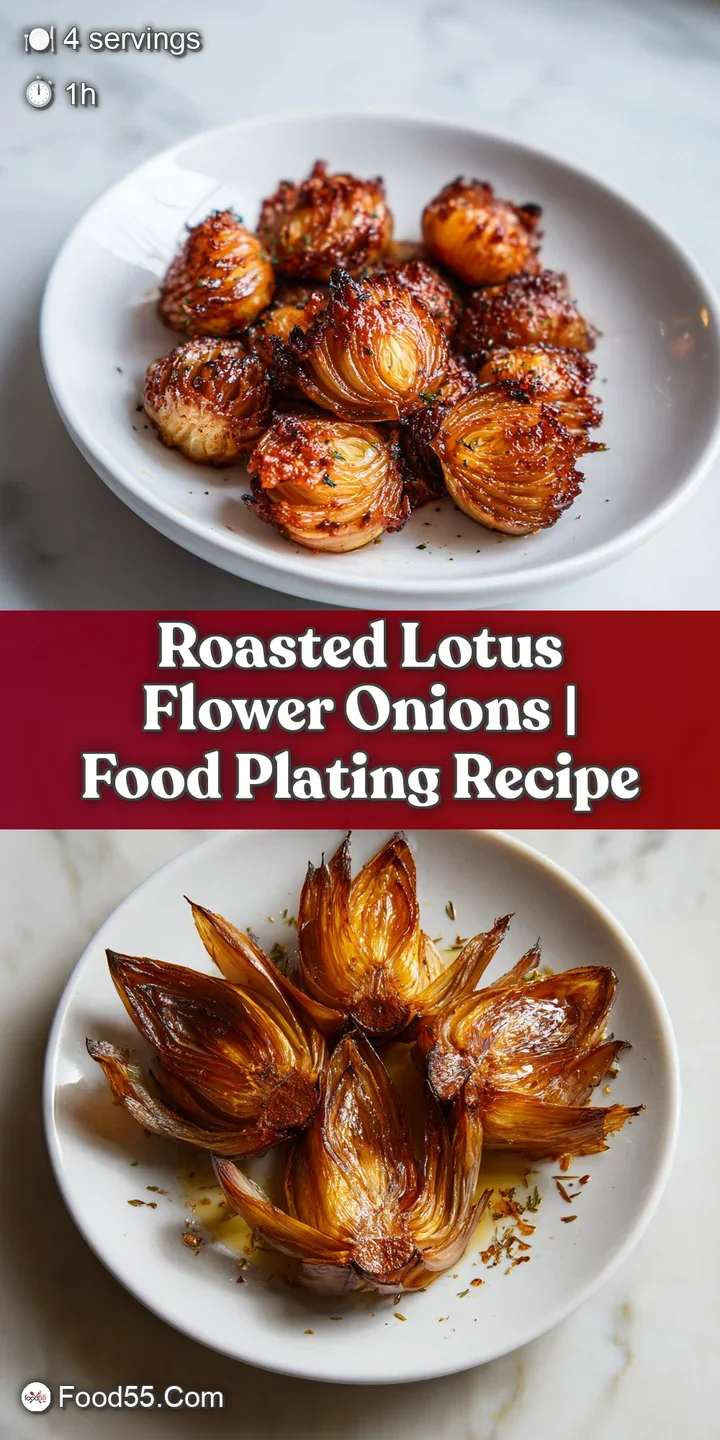
When it comes to the final presentation, think of these onions as the crown jewels of your plate. I love placing one right in the center of a white porcelain dish to let the deep magenta and mahogany colors pop.
If you're serving them as part of a larger spread, nestle them among sprigs of fresh thyme or rosemary to lean into that botanical aesthetic.
For a modern touch, drizzle a few extra drops of the reduced glaze from the pan around the onion in a circular motion. This not only looks professional but ensures your guests get a bit of that concentrated balsamic intensity in every forkful.
If you're feeling particularly artistic, a tiny sprinkle of fresh pomegranate seeds in the center of the "flower" adds a burst of tartness and a gem like sparkle that is absolutely stunning under dining room lights. Trust me, once you see these on the table, you'll never look at a humble red onion the same way again.
It's not just a side dish; it's a conversation piece.
Recipe FAQs
Are lotus flowers edible to eat?
No, true lotus flowers are not the main ingredient here. This recipe uses red onions cut radially to resemble a lotus flower bloom.
What's the best onion for roasting to achieve this effect?
Red onions are the best choice. Their size, density, and high anthocyanin content create the vibrant color and structural integrity needed for the layers to separate nicely.
How does a lotus flower taste?
Lotus roots and seeds have a starchy, slightly sweet taste, similar to a mild water chestnut or potato. However, this recipe focuses on the caramelized flavor of the onion glaze, not the flower itself.
What does an onion flower taste like after roasting?
It tastes intensely savory, sweet, and tangy. The outer petals are slightly caramelized and smoky, while the core remains velvety soft and infused with the balsamic honey glaze.
Is it true that the root must remain attached for the onion to "bloom"?
Yes, the root base is critical for successful blooming. It acts as the hinge that holds the radial cuts together while internal steam pressure forces the outer layers open during the roast.
How should I reheat leftovers to maintain texture?
Bake them at 180°C for 8 10 minutes. Avoid the microwave entirely, as it causes the layers to become limp and lose their shape. If you enjoyed mastering the sensory doneness cues here, apply them to our Fried Green Tomatoes recipe for perfect results.
How do I ensure the balsamic glaze doesn't burn before the onion is cooked through?
Bake the onion covered in foil for the first stage. The initial 25-minute covered roast steams and softens the onion; only add the sugary glaze for the final uncovered roasting period.
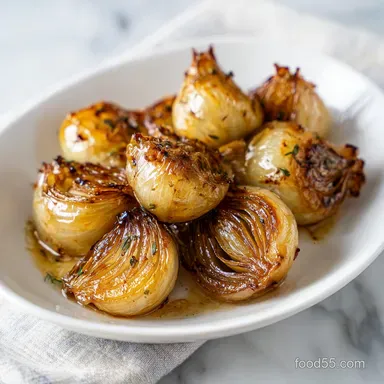
Roasted Lotus Flower Onions
Ingredients:
Instructions:
Nutrition Facts:
| Calories | 150 calories |
|---|---|
| Protein | 1.8 g |
| Fat | 7.2 g |
| Carbs | 20.7 g |
| Fiber | 2.6 g |
| Sugar | 14.5 g |
| Sodium | 585 mg |
