Heavy Cream Pasta: the Silky Supper Recipe
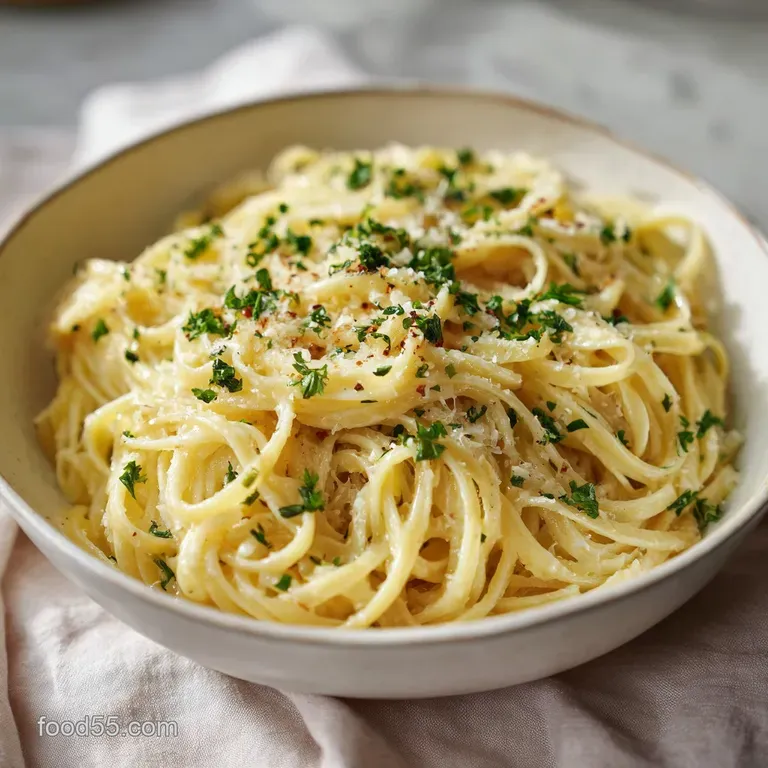
- The Silky Supper: Your New Favorite Creamy Garlic Pasta
- The Science of Silky Sauce: Why This Heavy Cream Pasta Recipe Never Breaks
- What You Need for Ultimate Creaminess: Essential Ingredients
- Step-by-Step: Mastering The Silky Supper (Detailed Cooking Method)
- Chef's Corner: Tips for Success and Troubleshooting Common Mistakes
- Serving, Storing, and Reviving Your Creamy Pasta
- Recipe FAQs
- 📝 Recipe Card
The Silky Supper: Your New Favorite Creamy Garlic Pasta
There is nothing quite like the smell of butter and garlic sizzling gently, promising pure, unadulterated comfort. Then comes the Heavy Cream Pasta , swirling into a glossy, decadent sauce that clings perfectly to every single strand.
This isn't just a recipe; it's a culinary hug that takes less than 30 minutes to achieve.
I know, I know. You probably think creamy pasta is reserved for complicated weekend dinners or overpriced restaurants. But this preparation is truly a lifesaver. It’s incredibly fast, uses staple pantry ingredients, and delivers that deep, savory satisfaction that only the richest comfort food can provide.
We are going to master the art of the emulsion today. Forget those separated, gloopy, or broken sauces you've dealt with before. We’re using genuine Italian techniques to achieve a stable, restaurant quality result every time.
This is the ultimate, fuss free guide to making your best Heavy Cream Pasta at home.
The Science of Silky Sauce: Why This Heavy Cream Pasta Recipe Never Breaks
Why We Call It "The Silky Supper"
It’s all about texture, right? We call this the Silky Supper because the sauce is designed to be velvety , not thick. The goal is maximum flavor impact with a lightness on the palate.
When we make this particular Heavy Cream Pasta , we treat the dairy and the starch almost like we’re making a complex roux but without the flour.
30 Minute Comfort: Achieving Luxury on a Weeknight
The secret to keeping this meal quick is multitasking. Get your water boiling first, heavy on the salt. While the pasta is cooking, you're building the entire flavor base, starting with butter and garlic.
This method ensures maximum flavor extraction in minimal time, proving that luxury doesn't require a whole afternoon.
The Difference Between Our Sauce and Basic Alfredo
Basic Alfredo often relies heavily on fat and cheese melting directly into the hot pasta, which frequently results in a lumpy mess if the temperature isn't perfect. Our Heavy Cream Pasta Sauce Recipe uses a crucial reduction and emulsification step. This stability is key.
We integrate the fat, starch, and dairy perfectly before introducing the cheese, leading to a much more reliable and luxurious final product.
The Magic of Starchy Pasta Water (L'Acqua di Cottura)
If you ignore only one thing I ever tell you, don't let it be reserving the pasta water. That murky, cloudy liquid is liquid gold! It’s loaded with starch molecules released during the boiling process, and those molecules are the binding agent that pulls the fat in the heavy cream and butter into a smooth, thick emulsion.
It's the difference between a sauce that slides off the pasta and one that clings beautifully.
How to Properly Emulsify Your Sauce Base
The emulsification happens when we whisk the reserved hot pasta water directly into the simmering cream. You want to see a transformation; the sauce should suddenly become glossy and cohesive. This isn't just mixing liquid; it's scientifically marrying the ingredients.
You’ll notice the sauce thicken almost instantly, adopting the texture of a thin, elegant custard.
Achieving the Perfect, Stable Velvety Texture
The absolute cornerstone of successful Heavy Cream Pasta is temperature control when adding the cheese. Cheese contains milk solids and fat. If you hit it with too much heat, those solids seize up and separate from the fat (hello, oily, clumpy sauce!).
We must remove the pan from the heat entirely before stirring in the Parmesan. Trust me on this.
What You Need for Ultimate Creaminess: Essential Ingredients
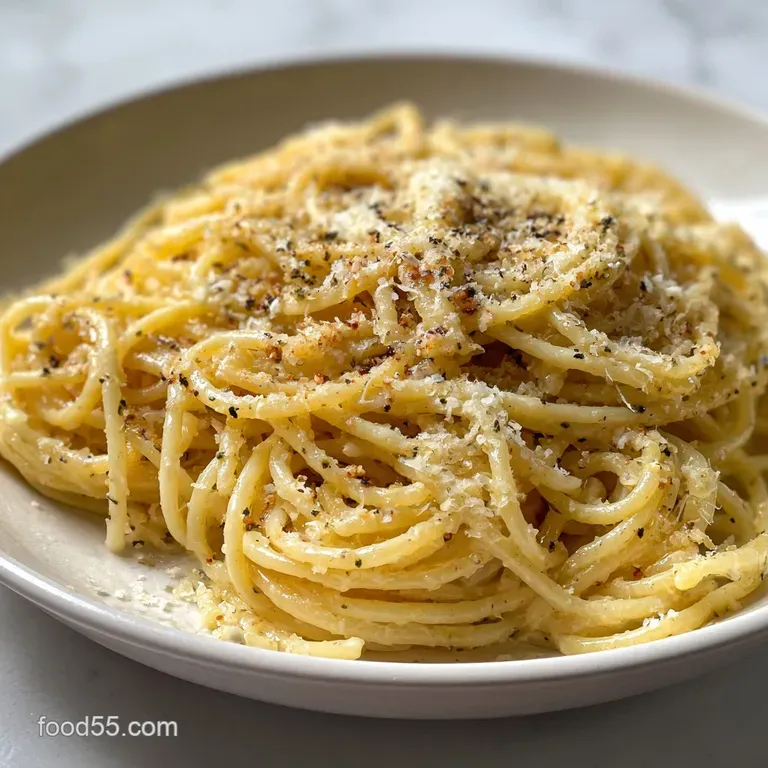
Making the best cream for pasta requires respecting every single ingredient. Quality matters here because there are so few components to hide behind.
Choosing the Right Pasta Shape for Optimal Sauce Coating
For this rich sauce, you need a shape that allows the glossy sauce to really shine. Long, flat noodles like fettuccine, linguine, or pappardelle are ideal. They have the surface area necessary to catch all that luscious sauce. Avoid shapes like rotini or penne unless you’re making a baked dish.
The Importance of high-quality Grana Padano or Parmigiano Reggiano
This isn't the time to pull out that dusty container of pre-grated "parmesan product." The anti caking agents in those bags (usually cellulose) absolutely destroy the texture of your sauce, turning it grainy. You must use fresh block cheese, grated right before you start cooking.
The complexity and saltiness of real Grana Padano are non-negotiable for this Heavy Cream Pasta dish.
Expert Notes on Garlic and Fat Ratios
We use a generous amount of garlic and a healthy dose of butter. The ratio is intentional: the butter acts as a medium to gently infuse the garlic flavor into the fat without browning the aromatics. Burnt garlic will make your whole meal bitter, so treat it with the respect it deserves.
We are aiming for golden, sweet, fragrant deliciousness.
Dairy Substitutions: Light Cream vs. Heavy Cream
| Ingredient | Recommendation | Substitute Option | Notes on Swap |
|---|---|---|---|
| Heavy Cream (35% fat) | Use the full fat! | Half and Half (Single Cream) | Sauce will be thinner and more prone to breaking. Reduce pasta water. |
| Butter (Unsalted) | Essential for flavor | Olive Oil | Skip the butter for a vegan dish, but you lose the creamy depth. |
| Parmesan | Fresh block cheese | Pecorino Romano | Pecorino is saltier and sharper; adjust seasoning accordingly. |
If you swap heavy cream for a lighter option, you are trading stability for fewer calories. You must pay extra attention to the heat and the amount of starch water you add if you use a lower fat dairy product.
step-by-step: Mastering The Silky Supper (Detailed Cooking Method)
This is where the magic happens. Everything should be measured and ready before you start the stove that's mise en place, and it saves you from panicking!
Preparing the Flavor Base: Sautéing Aromatics
- Melt the butter in your widest skillet over medium low heat. Listen for a gentle, even sizzle.
- Add the minced garlic and black pepper. Sauté, stirring constantly, for just 60 to 90 seconds. You want your kitchen to smell wonderfully savory and sweet, but you absolutely cannot let the garlic change color. Pull it off the heat immediately if you see browning.
The Crucial Emulsification: Building the Sauce in the Pan
- Pour in the heavy cream and turn the heat back up to medium low. Bring it to a gentle simmer small bubbles should just start forming around the edges. Let it reduce slightly for about five minutes until the volume is down by about 20%. This concentrates the flavor and the fat.
- Whisk in the reserved, starchy pasta water, about a quarter cup at a time. The mixture will lighten in color and immediately become glossy and thick, achieving that perfect Easy Garlic Alfredo Sauce texture. If it looks too thin, let it simmer gently for another minute or two, stirring regularly.
Tossing and Finishing the Pasta (La Mantecatura)
- Remove the pan completely from the heat source. This step is non-negotiable for stable sauce.
- Sprinkle in the freshly grated Parmesan cheese slowly, whisking continuously. The Parmesan will melt seamlessly into the warm sauce, thickening it further without clumping. Keep whisking until the sauce is uniform, glossy, and beautifully smooth.
- Add the pasta directly into the sauce. Use tongs to toss everything vigorously, coating every strand. The residual heat will finish the pasta cooking, resulting in perfect al dente and a fully incorporated Heavy Cream Pasta dish.
- Taste and adjust the salt. Serve immediately!
Chef's Note: If you feel like your sauce is separating or getting oily, add a splash of cold heavy cream or ice-cold pasta water and whisk like crazy. The quick temperature drop often helps stabilize the emulsion immediately.
Chef's Corner: Tips for Success and Troubleshooting Common Mistakes
Most failures in making a rich Creamy Garlic Pasta come down to one thing: heat.
Preventing the Sauce from Breaking or Separating
The main culprits are boiling the cream too hard after adding the starch water, or adding the cheese while the base is simmering. Once you add the reserved pasta water, the heavy cream for pasta is already forming a bond. Always whisk in the cheese off the heat.
If you must put the pan back on the burner to warm it up, keep the heat on the absolute lowest setting and stir constantly.
The Ideal Temperature for Adding Parmesan Cheese
The temperature should be warm enough to melt the cheese but below simmering. Think of it like tempering eggs you want gradual melting, not a sudden thermal shock. Adding the cheese off the heat ensures the dairy solids melt gracefully into the fat, instead of seizing up.
Adjusting Consistency: Too Thick vs. Too Runny
- Too Thick: If your sauce is suddenly gluey, you either reduced the cream too long or added too much cheese. The fix? Whisk in more hot, starchy pasta water until it loosens to your desired consistency.
- Too Runny: If it’s too thin, you likely added too much pasta water or didn't allow the cream to reduce enough. Place the skillet back on low heat and simmer gently, stirring constantly, until enough liquid has evaporated.
Serving, Storing, and Reviving Your Creamy Pasta
How to Reheat Leftovers Without Losing Creaminess
Cream sauces notoriously break upon reheating, turning dry or oily. When you reheat leftover Heavy Cream Pasta , never microwave it on high. Instead, place the pasta in a skillet over very low heat.
Add a splash of milk or, preferably, fresh heavy cream (1 2 tablespoons per serving) and stir gently as it heats through. The added liquid helps the sauce re-emulsify and regain that beautiful, glossy coating.
Best Practices for Refrigeration (Does Heavy Cream Pasta Freeze Well?)
While the flavor profile holds up, I strongly discourage freezing any Heavy Cream Pasta Recipes. The high fat content in the cream separates from the water content during the freezing and thawing process, leading to a grainy, watery texture that rarely fully recovers.
It's safe to freeze, but the texture will never be the same. This dish is best enjoyed fresh. Store leftovers in an airtight container in the fridge for up to 3 days.
Suggested Pairings: Balancing the Richness
Since this Heavy Cream Pasta is intensely rich and buttery, you need something acidic and fresh to cut through the fat. A simple side salad, maybe arugula tossed with lemon and sea salt, is perfect. Alternatively, if you want another pasta night idea that offers a slightly different profile, try making my Creamy Tomato Pasta: Chefs Secret Sauce in 35 Minutes . It offers a tangy complexity that works wonderfully as a counterbalance to dairy heavy dishes. Enjoy!
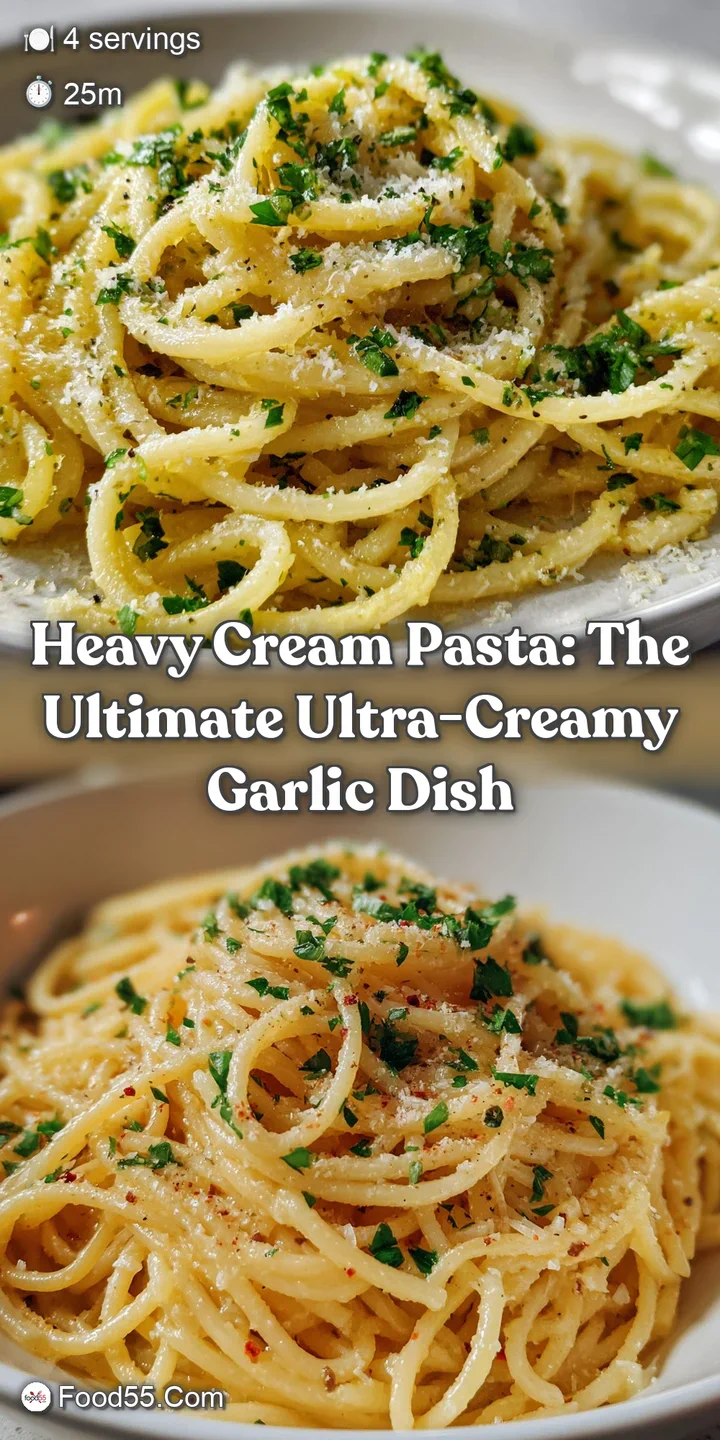
Recipe FAQs
Why did my sauce split or turn oily instead of staying silky?
Sauce splitting usually occurs if the cream overheats aggressively or if the cold Parmesan is added too quickly. Ensure the sauce is kept at a gentle simmer, never a rolling boil, and that you remove the sauce from direct heat just before incorporating the cheese to allow for smooth emulsification.
Can I use half and-half or milk instead of heavy cream?
While possible, using lower fat dairy products significantly increases the risk of the sauce separating or curdling under high heat. Heavy cream (35% milk fat) is essential for achieving the recipe's signature stable, rich, velvety texture that coats the pasta perfectly.
What is the best way to store and reheat leftover pasta?
Store leftovers immediately in an airtight container in the refrigerator for up to 3 days. To reheat, gently warm the pasta in a skillet over low heat, adding a splash of milk, cream, or stock to restore moisture and re-emulsify the sauce without drying out the noodles.
Can this recipe be adapted to be completely vegan or dairy-free?
Yes, substitute the heavy cream with full fat canned coconut milk or a high-quality cashew cream base for richness. Replace the Parmesan with nutritional yeast or a specialized vegan grated Parmesan alternative to maintain the necessary savory, umami flavor profile.
My grated Parmesan clumped immediately when I added it. What went wrong?
Clumping happens when the cheese is added to sauce that is too hot, causing the proteins to seize instantly. Always use freshly grated cheese, and ensure you remove the pan from the heat entirely or turn the burner very low before slowly stirring in the cheese in small batches.
How hot should the reserved pasta water be when I add it to the sauce?
The pasta water must be added while it is still boiling hot, directly from the cooking pot, as the heat helps activate the starch. This starchy, hot water is critical for binding the fat and water in the sauce, resulting in the desired stable, glossy emulsification.
Can I add protein (like chicken or shrimp) or vegetables to this sauce?
Absolutely; this recipe acts as an excellent base for additions. Sauté your cooked protein (chicken, shrimp, or sausage) or vegetables (mushrooms, peas, or spinach) before adding the heavy cream, ensuring they are fully cooked through before the sauce is thickened.
This increases the total cooking time slightly but adds complexity.
Silky Creamy Garlic Pasta
Ingredients:
Instructions:
Nutrition Facts:
| Calories | 922 kcal |
|---|---|
| Protein | 27.2 g |
| Fat | 66.9 g |
| Carbs | 54.7 g |
