Beef Ragu Pasta the Proper Slowcooked Recipe for Unctuous Comfort
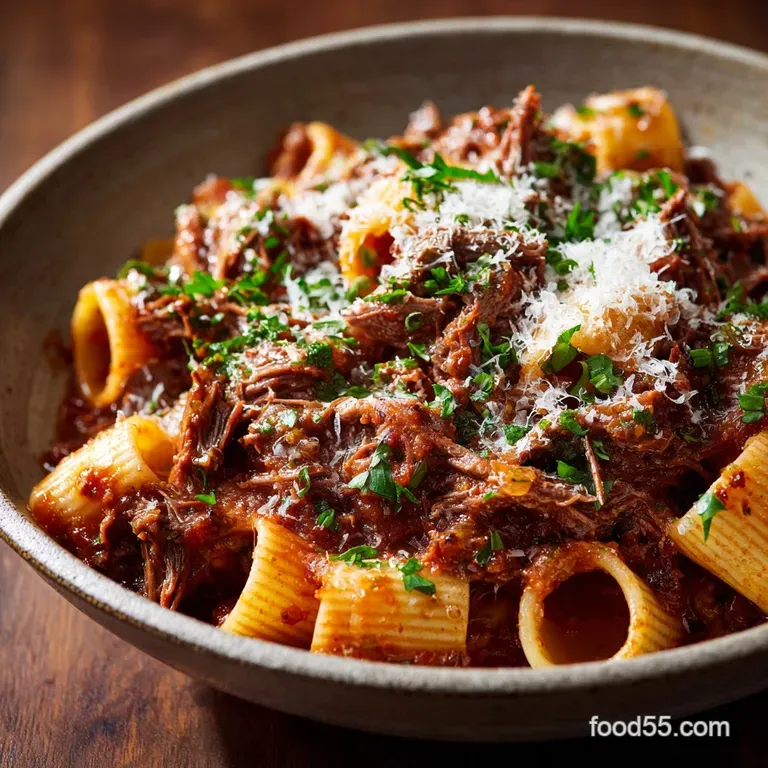
Setting the Stage for the Ultimate Beef Ragu Pasta Experience
Look, let’s be real. If you’re searching for ground beef pasta recipes that take twenty minutes, this isn’t it. This beef ragu pasta recipe is a commitment . It takes forever. I know.
But it is the dish you make when you want your house to smell like the best possible Italian grandmother's kitchen, and when you want a dinner idea that will absolutely crush the competition. This isn’t a rush job; this is therapy in a pot.
The resulting sauce is deeply savory, intensely rich, and so unctuous it practically hugs the pasta.
The Magic of Low and Slow Simmering for Deep Flavor
Why do we bother cooking something for three and a half hours when we could just brown some mince and dump in a jar of sauce? Because flavor molecules need time to get acquainted. More importantly, we are trying to break down the tough, chewy connective tissues (collagen) in the meat.
High heat makes them shrink and dry out, but low heat slowly melts them into gelatin. That gelatin is what gives the finished beef ragu pasta sauce that incredible, velvety mouthfeel and coats the back of your spoon. This process is non and negotiable.
If you try to rush it, you end up with tough meat swimming in thin liquid. Patience, my friend.
Defining the Perfect Italian Soffritto Base
Every great, long and cooked sauce starts exactly the same way: with the aromatics. This is the holy trinity onion, carrot, and celery the soffritto . You must dice these things finely. Think small pebbles, not rough chunks.
The goal is for them to almost melt into the sauce after hours of simmering, leaving behind only the deep, sweet background flavor they provided. My mistake when I first started? I’d crank up the heat and try to rush the softening. Don’t do that.
You need to sweat them slowly in fat until they turn translucent and sweet. They shouldn't be brown, just soft. This takes a good 8 to 10 minutes. Go slow.
Choosing the Right Cut for Melt and in-Your and Mouth Shredded Beef
You want the cheapest, toughest cut of meat you can find. Seriously. This isn't the time for sirloin or tenderloin. Those cuts will dry out and become chalky. We need fat and collagen.
| Cut of Beef | Why It Works |
|---|---|
| Beef Chuck Roast | Perfect fat marbling and collagen. My top recommendation. |
| Beef Brisket | Very tough, but yields amazing, shredded texture after the long cook. |
| Short Ribs (Boneless) | Excellent flavor, often pricier, but fantastic results. |
I always go for chuck. It’s affordable, and it’s basically designed for the slow cooker or the Dutch oven. Cut it into decent 1 inch cubes so it holds up during the initial sear and the endless simmer.
Sourcing Your Core Components and Kitchen Arsenal
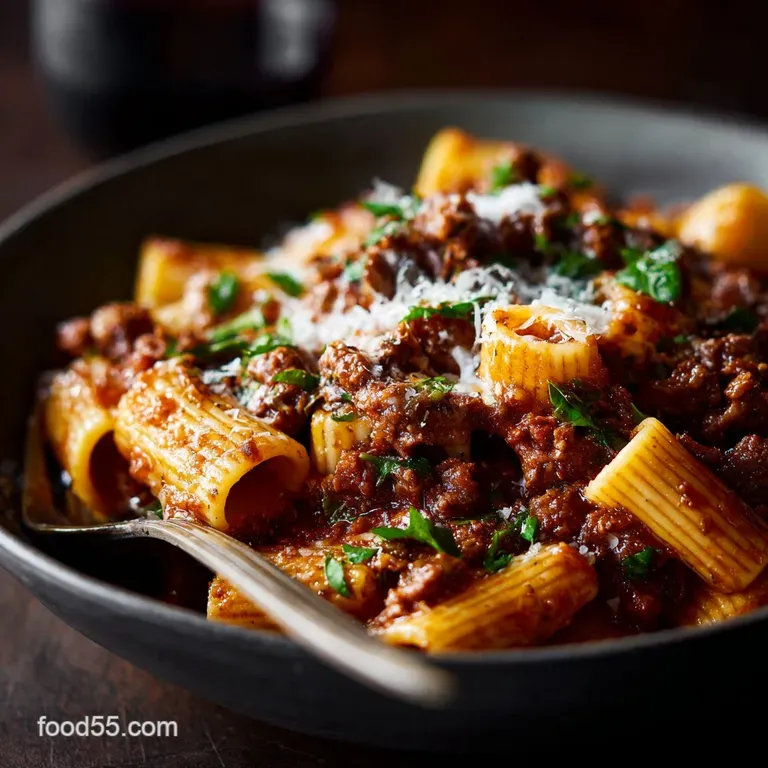
Right then, let's talk ingredients. While the cooking process is crucial, you can’t get a spectacular sauce out of mediocre ingredients. Quality matters most in the few, core components.
Essential Pantry Staples and Fresh Produce List
The absolute key is the tomato element. Buy the best canned crushed tomatoes you can afford. Look for San Marzano if possible. They genuinely make a difference in flavor intensity. Second, the red wine. If you wouldn’t drink it, don’t cook with it.
It doesn't need to be expensive, but it needs to taste decent because its flavor concentrates dramatically.
Crucial Warning: Do not substitute the canned crushed tomatoes with fresh or diced tomatoes. You need the density and sweetness of the crushed variety for that rich, heavy sauce consistency.
- Tip for maximizing flavor: Toast the tomato paste! This means cooking the paste directly on the bottom of the pot for two minutes before adding any liquid. It turns a slightly metallic flavor into something deep and caramelly.
Selecting the Ideal Pasta Shape for Coating the Sauce
You’ve made this incredible, hearty, deeply concentrated beef ragu pasta sauce. You are not going to ruin it with angel hair spaghetti. That thin stuff is only good for light sauces, like aglio e olio. Ragu demands something sturdy, something with surface area, or something with a big hole. We need vessels.
I always recommend Pappardelle (wide, flat ribbons) because they grab the sauce so beautifully, ensuring a mouthful of flavor every time. But thick Rigatoni or even a hearty Paccheri works just as well. Something that can stand up to the weight of the shredded beef and the richness of the sauce is required here.
Required Kitchen Tools for a Successful Long Cook
You need one hero tool, and that is a heavy and bottomed Dutch oven. I prefer cast iron, enameled or not (mine is a huge orange thing I got on sale years ago, bless it). The weight and thickness of the pot are vital because they distribute heat evenly, preventing scorching on the bottom when you’re simmering for four hours.
Trying to do this in a thin stainless steel pot is asking for trouble and stuck, burnt bits. You also want a solid slotted spoon (for transferring the beef) and a wooden spoon (for scraping the fond).
Related Recipes Worth Trying
- BBQ Beef Ribs Ultimate Low Slow SmokerOven Recipe — Our definitive BBQ Beef Ribs recipe delivers falloffthebone tenderness using a Texas Crutch technique Master the ultimate low slow method for the smoker or oven
- Perfect Garlic Butter Herb Roast Beef Your ShowStopping Sunday Lunch — This Garlic Butter Herb Roast Beef is foolproof Get a juicy mediumrare centre and a crispy flavourpacked herb butter crust Perfect for a proper Sunday Lunch
- Perfect Grilled Asparagus Recipe Lemon Garlic Parmesan in 7 Mins — Master tendercrisp Grilled Asparagus with a foolproof smoky char This Lemon Garlic Grilled Asparagus recipe is quick seasoned simply and finished with sharp...
The Journey to Tender Excellence: Step and by-Step Cooking Process
This is the process where the magic happens. Don't skip these first few steps. They determine the foundation of your final dish.
Developing the Maillard Reaction: Properly Searing the Meat
This is the single most important, yet most commonly skipped, step. Searing the meat creates the Maillard reaction that deep, brown crust we all love. That crust equals flavor. Pat your meat completely dry first. Dust it lightly with flour, salt, and pepper. Then, crank up the heat and add your oil.
You absolutely must sear in small batches. Do not crowd the pan! If you overcrowd the pot, the temperature drops instantly, the meat starts to steam, and you get grey, sad, flavorless beef. I usually do this in three batches, moving the seared cubes to a bowl as they finish.
Yes, it takes patience, but that brown crust you leave behind (the fond ) is what we’ll use later.
Layering Flavors: Building the Aromatic Base and Deglazing the Pot
Once the meat is out, lower the heat. If the bottom of the pot is dry, add that little pat of butter (it adds marvelous richness to the soffritto). Add your finely diced carrots, celery, and onion. Cook them slowly for about 10 minutes, scraping up any loose brown bits from the sear as you go.
Then, stir in your garlic and, crucially, your tomato paste. Cook the paste for two minutes until it deepens to a rust color. Now for the fun part: deglazing. Pour in the red wine. Use your wooden spoon to scrape every single stubborn brown particle off the bottom of the pot.
This is pure flavor dissolved into the liquid. Let the wine bubble and reduce by half.
The Long Wait: Maintaining the Perfect Low and Slow Simmer
Return the seared beef (and any accumulated juices) to the pot. Add the canned tomatoes, stock, and herbs. Bring everything to a full, rolling boil, and then immediately turn the heat right down to the absolute lowest setting. You want a lazy, occasional bubble, not a furious roar.
I always leave the lid slightly ajar (propped open with a spoon) for the first hour to allow some excess water to escape and concentrate the flavor quicker. Simmer for at least three hours. If you are using a slow cooker, follow the same prep steps and then cook on low for 6 to 8 hours.
Finishing Touches: Shredding, Stirring, and Serving Your Beef Ragu Pasta
After three hours (or more), the beef should be falling apart. If it resists a fork, give it another 30 minutes. Remove the bay leaves and rosemary. You can use two forks to gently shred the beef directly into the sauce. This is what makes it a proper ragu.
Just before serving, cook your pasta until slightly less than al dente . Reserve a mug of that starchy pasta water. Drain the pasta, dump it straight into the pot of ragu, and add a few splashes of the pasta water. Stir vigorously for a full minute.
The starch in the water helps the beef ragu pasta sauce emulsify, allowing it to coat the noodles perfectly. Serve immediately with heaps of fresh Parmigiano and Reggiano.
Mastering Your Ragu: Pro Tips and Preparation Notes
Troubleshooting Common Ragu Consistency Issues
If your sauce isn't looking quite right after the long simmer, don't panic. These are easy fixes.
-
Too thin/watery:
- Remove the lid completely, turn the heat up slightly, and simmer gently for another 30 minutes until reduced.
- Alternatively, stir in a slurry of cornstarch or potato flour (1 tbsp starch mixed with 2 tbsp cold water).
-
Too thick/dry:
- Add reserved beef stock or, ideally, that gorgeous pasta cooking water a quarter cup at a time until you reach your desired consistency.
-
Too oily:
- This happens if you used a very fatty cut. The easiest fix is to chill the entire pot overnight. The fat will solidify on top, and you can easily scrape it off with a spoon before reheating.
Maximizing Flavor: Making This Dish Ahead of Time
I promise you, if you are making this for a special occasion, make it the day before. The flavor of the beef ragu pasta deepens dramatically overnight. As the sauce cools, the proteins and fats settle and integrate, resulting in a much more balanced, cohesive, and richer final product when you reheat it.
It truly is one of those easy pasta dishes that benefits massively from patience. Just let it cool, cover it, and stick it in the fridge.
Storing and Reheating Leftover Beef Ragu
This sauce keeps beautifully. Stored in an airtight container in the fridge, it's good for 3 4 days. For longer storage, it freezes brilliantly.
- Freezing: Cool the sauce completely. Freeze in large zip and top bags (laid flat to save space) or in sturdy containers for up to three months.
- Reheating: Thaw overnight in the fridge. Reheat gently in a pot on the stove, stirring often. If it feels too thick, splash in a little water or stock. I prefer to cook fresh pasta when reheating the sauce, rather than trying to reheat sauce that has already been tossed with noodles.
Delicious Variations: Wine Substitutes and Dairy Additions
Sometimes you need to switch things up. If you are making a beef ragu pasta bake, you might want to adjust the richness.
- Wine Alternatives: If you absolutely cannot use alcohol, the balsamic vinegar substitution mentioned in the notes works great. If you don't have balsamic, use a cup of strong, low and sodium beef stock mixed with a teaspoon of brown sugar and a squeeze of lemon juice to mimic the acidity.
- Dairy Finish: Adding a small splash of whole milk or heavy cream (about a quarter cup) at the very end (after shredding the meat, before adding the pasta) is a Northern Italian touch. It softens the flavor and adds a fantastic, creamy richness without needing to rely on cheese. Trust me on this one; it’s brilliant.
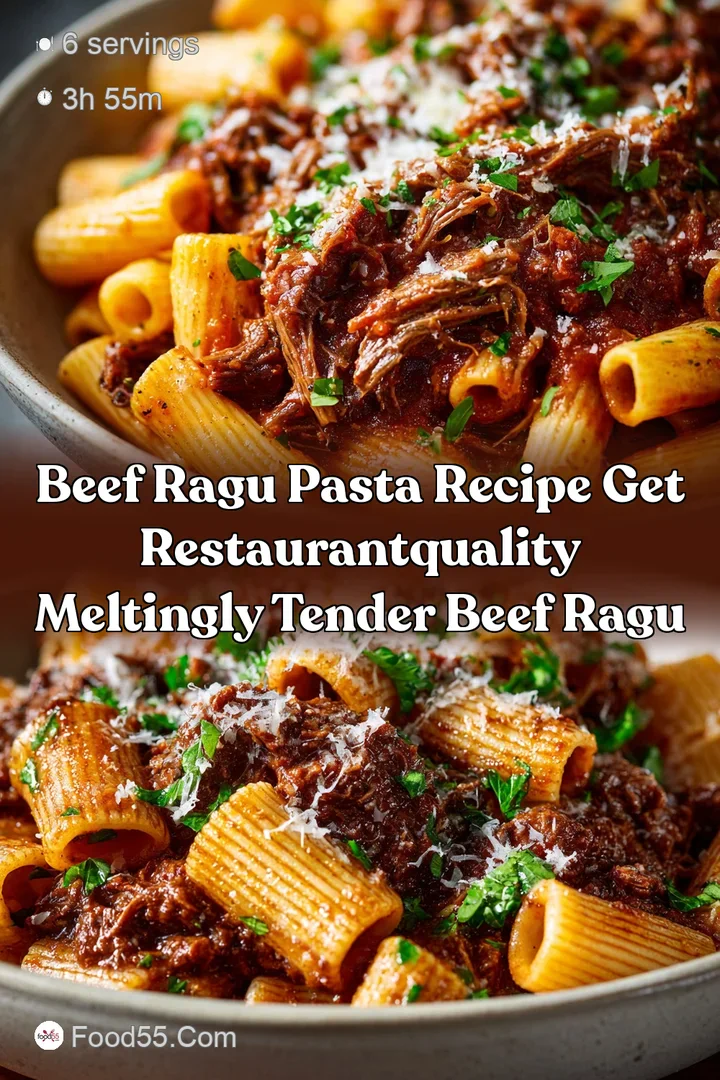
Recipe FAQs
Can I make this in a slow cooker or pressure cooker if I’m pushed for time?
While a slow cooker is a great way to ensure tender meat, a proper Dutch oven allows for better reduction and flavour concentration during the crucial 3-hour simmer; however, you can use a pressure cooker for the final cooking phase (approx. 45 60 minutes) if time is truly a pinch.
How far ahead can I make this Beef Ragu Pasta, and what's the best way to freeze it?
This sauce is a proper job for making ahead; it’s always better the day after it’s made, allowing the flavours to deepen! Once cooled, it keeps beautifully in the fridge for 3 4 days or frozen in airtight containers for up to 3 months, making your next serving of Beef Ragu Pasta an absolute doddle.
I haven't got red wine for the ragu, what's a good alternative for deglazing?
Not to worry! If you need a non-alcoholic swap, replace the wine with an equal amount of beef stock mixed with 2 tablespoons of good quality balsamic vinegar; the acidity is key for dissolving the lovely brown bits (the fond) from the pan.
My ragu sauce looks a bit too oily after simmering, have I done something wrong?
Not at all, that's completely normal for a sauce made with fattier cuts of slow cooked meat! The easiest fix is to chill the whole pot overnight, then the excess fat will solidify on the surface, making it easy to spoon off before reheating the next day.
Why is Pappardelle recommended, and what other types of pasta work best with this sauce?
Wide, robust pasta like Pappardelle or thick Rigatoni is essential because it needs to stand up to the weight and richness of this hearty sauce. Avoid thin spaghetti; you need those thick ribbons or ridges to grab onto the ragu properly and ensure every bite is coated.
Slow Cooked Beef Ragu Pasta
Ingredients:
Instructions:
Nutrition Facts:
| Calories | 678 kcal |
|---|---|
| Protein | 42.0 g |
| Fat | 26.0 g |
| Carbs | 69.0 g |
