Southern Oven Candied Sweet Potatoes the Best Stickysweet Classic
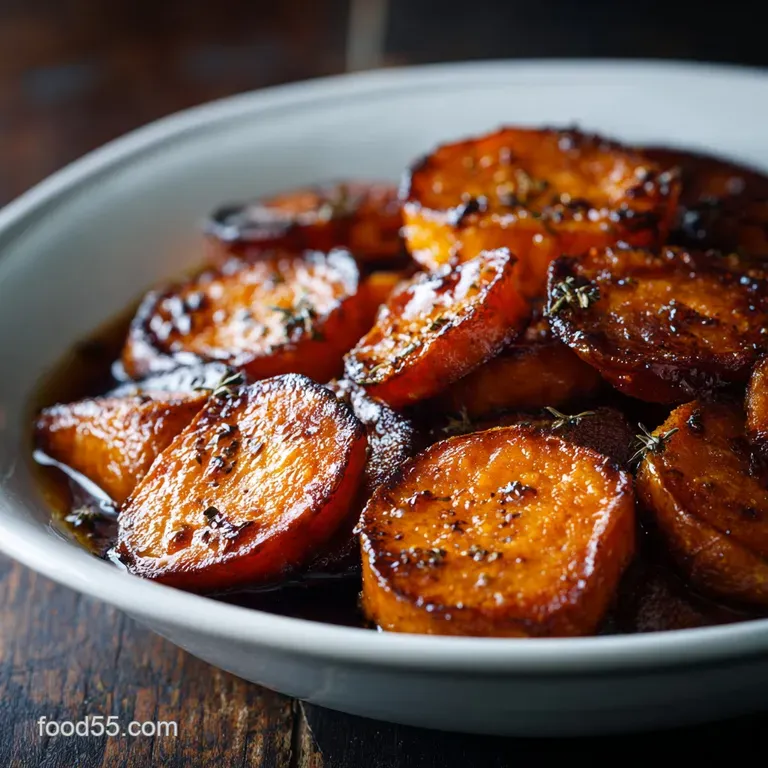
- Elevating the Holiday Table: The Authentic Southern Candied Approach
- Mastering the Sticky Glaze for Perfect Southern Oven Candied Sweet Potatoes
- Curating the Highest Quality Components for Deep Flavor
- Step and by-Step: Creating the Deeply Flavorful Glaze Base
- Oven Technique: Achieving Syrupy, Tender Perfection
- Optimizing Your Timing: Prep, Storage, and Reheating
- Troubleshooting and Customization for Candied Potato Success
- Recipe FAQs
- 📝 Recipe Card
Elevating the Holiday Table: The Authentic Southern Candied Approach
Look, let’s be totally honest with each other. For years, I just phoned it in with the sweet potatoes. I’d grab the can of sliced yams (I know, I know), drain the watery syrup, chuck in some brown sugar and a fistful of marshmallows, and call it a day. It was fine. It was sticky.
But did it taste like holiday magic? Absolutely not. It tasted like saccharine orange soup.
This recipe for Southern Oven Candied Sweet Potatoes is the complete 180. This is the traditional Southern Style Sweet Potatoes recipe the one where the potatoes are slowly baked in a glaze until they are completely tender, deeply caramelized, and actually sticky.
We are creating a sophisticated candy coating, not just a sugar bath. Trust me, the minute that brown butter hits the maple syrup, you’ll realize why you can never go back.
Mastering the Sticky Glaze for Perfect Southern Oven Candied Sweet Potatoes
The goal here is simple but technically challenging: we want the glaze to coat the sweet potato pieces like amber lacquer, not run off them like water. This process relies on reducing the liquid in the oven, which concentrates the sugars and creates that incredibly sticky texture.
If you crowd the pan or add too much liquid initially, you end up steaming the potatoes, and the resulting glaze is thin and flavourless. We need space, heat, and patience.
Why We Skip the Marshmallows: Focusing on Deep Caramelization
Marshmallows are a distraction, pure and simple. They’re fun, sure, but they block the true potential of this dish. When you top a casserole with marshmallows, you pull it out of the oven too soon because the tops are already charred.
This means the glaze underneath hasn't had the crucial time required to bubble, reduce, and caramelize properly. We need that full hour uncovered to achieve that deep, roasted flavor profile. We want the dark, almost burnt sugar notes that only come from proper caramelization.
The Culinary Heritage of Classic Candied Yams
If you’re from the South, you probably call these candied yams. Technically, "yams" are a totally different root vegetable, but in the American South, the term is used interchangeably with the moist, orange and fleshed sweet potatoes like the Garnet or Jewel varieties.
This dish is foundational to many Southern Thanksgiving tables, and it was traditionally cooked low and slow on the stovetop. We’re moving it to the oven for better, more even caramelization, making it one of the best Sweet Potato Recipes For Thanksgiving around.
Defining the Ideal Texture: Fork and Tender Yet Structured
This is non and negotiable: the potatoes must be tender enough to eat with just a fork, but they cannot, absolutely cannot be mushy. The secret to avoiding potato mush is twofold:
- Cut Consistency: Every piece must be roughly the same size (1 inch chunks). If you have huge pieces and tiny pieces, the small ones dissolve before the large ones cook through. Consistency is the whole game.
- Initial Coverage: We cover the dish tightly with foil for the first 30 minutes. This traps steam and ensures the internal cooking happens quickly. Then we yank that foil off and let the drying and caramelization begin.
CRITICAL WARNING: Do not try to stir these aggressively once the glaze begins to thicken. A gentle toss is fine. If you manhandle the potatoes in the hot, sticky syrup, they will break apart and disappear into the sauce.
Curating the Highest Quality Components for Deep Flavor
You’re only as good as your ingredients. Since there are only a few components here, we need them to shine.
Selecting the Right Sweet Potatoes (Yams vs. Beauregard Varieties)
For the best Southern Candied Sweet Potatoes, you need a high and moisture, rich and orange variety. I prefer Jewel or Garnet (the ones often mistakenly labeled ‘yams’). They hold up beautifully during the long bake and have a naturally high sugar content, which helps the glaze.
Starchy varieties (like the pale Beauregard) absorb too much liquid and can become dry; save those for mash or fries. We want the ones that practically weep sugar when they cook.
Anatomy of the Syrup: Sugar, Maple, and the Essential Acid Kick
The richness comes from dark brown sugar (that molasses flavor is required) and pure maple syrup (please, no high and fructose corn syrup pancake syrup).
- Brown Butter: Creates the deep, nutty foundation.
- Maple Syrup: Adds complexity and viscosity that granulated sugar alone can’t offer.
- The Acid Kick: Did you notice the recipe calls for water, or optionally, orange juice/bourbon? That little bit of acid is crucial. It helps invert the sugar slightly, which prevents crystallization (the sandy texture) and makes the resulting syrup unbelievably smooth and glossy.
Required Tools: Beyond the Standard Baking Pan
You absolutely need a large 9x13 inch casserole or roasting dish. Why? Surface area. This isn’t a deep stew. The more surface area you have, the more air hits the glaze, allowing the liquid to evaporate faster. This is how we get a quick, sticky reduction.
If you cram 3 pounds of sweet potatoes into an 8x8 pan, you've failed the mission.
Related Recipes Worth Trying
- Honey Feta Sweet Potato Rounds Creamy Whipped Feta Side Dish — Honey Feta Sweet Potato Rounds are an easy fancy side dish blending creamy whipped feta sweet potatoes and hot honey Perfect as a Veggie Side Thanksgiving...
- Maple Glazed Roasted Sweet Potatoes Easy Recipe for the Perfect Sticky Side — Maple Glazed Roasted Sweet Potatoes are the ultimate quick easy sweet potato side Get perfectly caramelized edges and a sticky finish with this oven-roasted...
- Crispy Oven Baked Sweet Potato Fries The Ultimate Extra Crisp Recipe — Crispy Oven Baked Sweet Potato Fries are possible Learn the soaking secret for the best crispy oven baked sweet potato fries recipe that wont turn soggy...
Step and by-Step: Creating the Deeply Flavorful Glaze Base
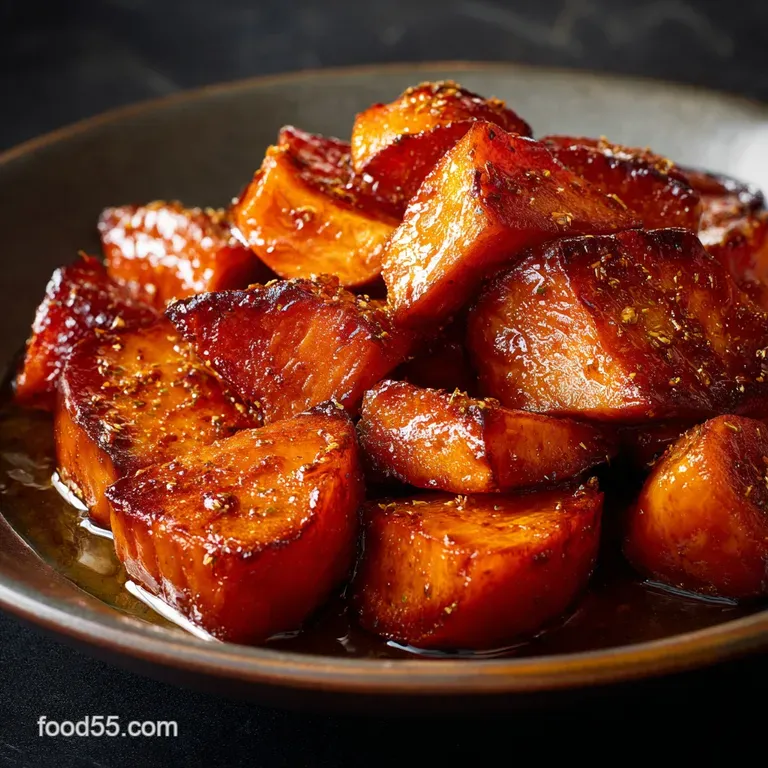
We start with the sauce, and it begins with butter. Honestly, skip using the microwave for this. You need to develop flavor right on the stovetop.
- Brown Butter Magic: You are melting the full stick of butter and continuing to cook it past the melting point until the milk solids start to separate, sink, and turn brown. This takes maybe 4 minutes.
- Immediate Pull: Once those specks are golden brown and the butter smells like toasted nuts, yank the pan off the heat! If you leave it on for even 30 seconds too long, you’ve got burnt, black specks and the entire batch tastes acrid.
- Mixing: While off the heat, whisk in the brown sugar, maple syrup, and liquid (water/bourbon/OJ). The residual heat from the butter melts the sugar effortlessly. Then stir in your spices cinnamon, nutmeg, and allspice. That’s it. That’s the entire sauce base.
Oven Technique: Achieving Syrupy, Tender Perfection
This process is broken into two distinct phases: the softening phase and the candying phase. Both are vital for the best southern candied sweet potatoes in oven glory.
The Art of Browning Butter Without Burning the Milk Solids
My biggest mistake when I first learned this trick? Distraction. You must stare at the butter. It will melt, foam, the foam will subside, and suddenly, you’ll see the brown specks on the bottom. When you smell the popcorn and like, nutty aroma, that’s your signal.
Turn the heat down just before you think it’s ready. It continues to cook from retained heat.
Combining Syrups and Spices Off and Heat
We add the sugars and spices off and heat to ensure the sugars dissolve gently and the spices don't scorch. Scorched spices (especially ground cinnamon) taste metallic and bitter. Allowing the ingredients to marry in the warm, browned butter base before heating them further results in a smoother, more complex flavor.
Initial Roast: Pre and Softening the Potatoes
The 30 minutes under foil is necessary to get the potatoes tender. They’re tough root vegetables. You can’t just throw them uncovered into the glaze, or the sugar will turn to rock candy long before the inside of the sweet potato is cooked.
Think of this as a gentle steam bath in a fragrant syrup.
Mid and Bake Basting Strategy for Even Coating
This is the phase where you need to hover. Once the foil is off, you’re aiming for evaporation. Every 15 minutes, pull the pan out and use a heatproof brush to scoop the syrup from the bottom and generously baste the pieces on top.
This ensures that the sugars that are reducing on the bottom are redistributed, coating every potato in that glossy, sticky finish.
Finalizing the Glaze: Reducing the Sauce to a Sticky Coating
How do you know when it’s done? The liquid should barely move when you tilt the pan. It shouldn’t be a thick puddle; it should resemble molten, thick caramel. The edges of the potatoes will look sticky and dark, almost lacquered. The color should be a rich, deep mahogany.
Optimizing Your Timing: Prep, Storage, and Reheating
If you are making these for a huge holiday feast, you need to know how to manage the clock. This recipe is pretty forgiving when it comes to prep.
Prep Tips for Stress and Free Cooking:
- You can peel and cut the sweet potatoes up to 24 hours in advance. Keep them submerged in a bowl of cold water in the fridge to prevent browning. Just drain them well and pat dry before pouring on the glaze.
- You can make the browned butter glaze completely and keep it refrigerated for up to four days. It will solidify, but just warm it gently on the stovetop right before pouring it over the potatoes to bake.
Troubleshooting and Customization for Candied Potato Success
Can I Prep Southern Oven Candied Sweet Potatoes Days in Advance?
Yes, absolutely. The best way is to do the initial 30 minute covered bake up to two days ahead. Cool the dish completely, cover it, and refrigerate. When you are ready to serve, pull it out, let it come to room temperature for 30 minutes, then proceed with the uncovered reduction (Step 4), adding 10 minutes to the total uncovered baking time.
Best Practices for Refrigerating Leftovers
When they cool, the glaze will harden into a firm candy and like substance. That’s okay! Transfer leftovers to an airtight container. They are fine in the fridge for up to five days.
Rejuvenating the Syrup: Tips for Serving Day
To reheat, the best method is the oven, uncovered, at 300°F (150°C) for 15– 20 minutes. If the potatoes look dry, add a splash of water or orange juice just a couple of tablespoons to the pan before reheating.
The liquid will loosen the hardened glaze back into a glossy syrup.
Fixing a Thin Glaze: Quick Reduction Methods
If you take the potatoes out and realize the sauce is too watery, you have two options:
- Oven Reduction (Slower): Pull the potatoes out of the sauce entirely. Return the sauce to the oven (in a separate, smaller dish if necessary) and bake at 400°F (200°C) until it visibly thickens. Pour back over the potatoes and serve.
- Stovetop Reduction (Faster): Pour the thin glaze into a small saucepan and simmer rapidly on high heat until it coats the back of a spoon (about 5– 8 minutes). Then pour back over the potatoes.
Flavor Swaps: Bourbon, Citrus Zest, and Pecan Additions
I love to play around with this recipe depending on what else I’m serving. Here are my favorite customizations:
- Bourbon: Replacing half the water with bourbon is a game changer. It adds a warmth and depth that complements the maple.
- Zest: Grate the zest of one large orange into the glaze mixture. The brightness cuts through the rich sugar beautifully.
- Nuts: Toss 1/2 cup of toasted pecans into the dish during the last 15 minutes of baking. They absorb the glaze perfectly and give a nice crunch.
Perfect Pairings: What to Serve Alongside the Candied Yams
Because these Southern Sweet Potatoes are so rich, they need a savory or acidic foil. I love serving them next to something salty, like a massive smoked ham, or something green and acidic, like garlicky kale sautéed with a huge splash of vinegar.
They’re amazing with rich savory items, like a standing rib roast, because the sweetness acts as a palate cleanser, even though it’s a side dish.
Recipe FAQs
My glaze looks a bit thin. How do I make my Southern Oven Candied Sweet Potatoes sticky and syrupy?
The magic is in the reduction; make sure you remove the foil and allow the sauce to simmer uncovered at 350°F, basting frequently until it thickens into a glossy, amber syrup. If it’s still runny after the full cook time, return it to the oven for another 5 10 minutes, keeping a keen eye on it to avoid burning the edges.
If I'm cooking for a big Sunday roast, can I make these ahead of time?
Absolutely; you can prepare and store the peeled, chopped sweet potatoes (submerged in cold water) and the browned butter glaze separately up to two days prior, then simply pour, cover, and bake when ready. Leftovers keep well in an airtight container in the fridge for 3 4 days and reheat wonderfully in the oven.
I need a dairy-free version, or I'm running low on dark brown sugar. What substitutions work best?
To go dairy-free, simply substitute the unsalted butter with a high-quality, plant based butter alternative, ensuring you still take the time to brown it for depth of flavour. If replacing brown sugar, use additional maple syrup or a touch of coconut sugar, though this may result in a slightly looser final glaze.
The sugars are burning and setting rock hard before my potatoes are fully tender what am I doing wrong?
This is often a sign the initial heat was too high during the uncovered stage, or you skipped the crucial basting step. Ensure the potatoes are fully covered during the initial 30-minute bake to steam them soft, and always reduce the heat to 350°F (175°C) for the final caramelization stage.
Are these the same as "yams," and is this recipe suitable for freezing?
In the UK and US, the orange fleshed tuber used here is correctly a sweet potato, though many Southern recipes call them yams. While technically safe to freeze, freezing candied sweet potatoes isn't recommended as the texture becomes overly mushy and the glaze loses its desired sticky consistency upon thawing.
Southern Oven Candied Sweet Potatoes
Ingredients:
Instructions:
Nutrition Facts:
| Calories | 201 kcal |
|---|---|
| Protein | 1.0 g |
| Fat | 6.0 g |
| Carbs | 37.0 g |
