Teriyaki Chicken Thighs: Sticky, Glazed, and Restaurant-Quality
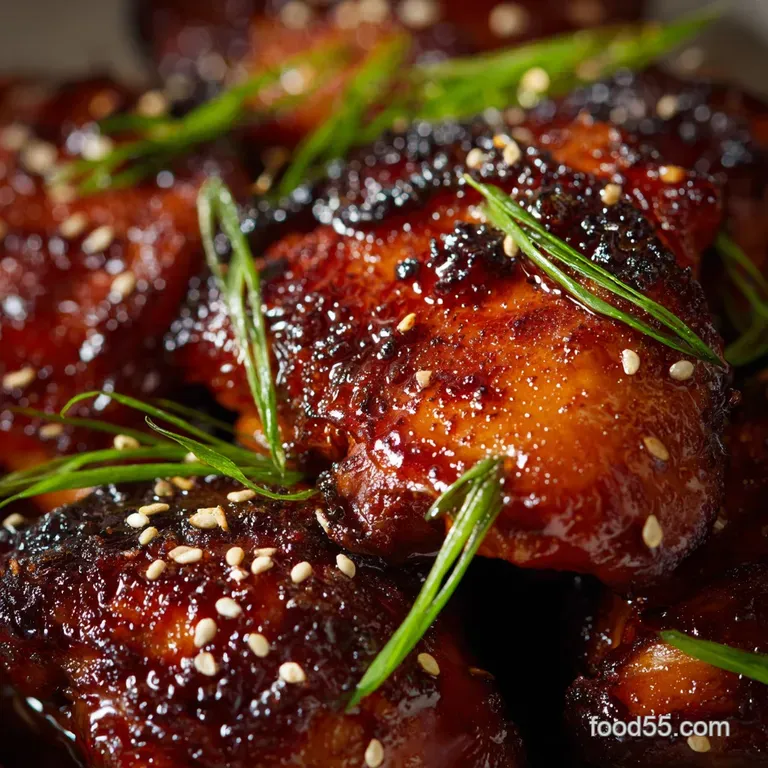
- Sticky, Glazed, and Gorgeous: Restaurant-Quality Teriyaki Chicken Thighs
- Unlocking the Secret to Authentic Homemade Teriyaki Glaze
- The Science Behind Perfect Teriyaki Flavor and Texture
- Essential Ingredients for the Best Teriyaki Chicken
- Master the Method: Step-by-Step Teriyaki Cooking Guide
- Troubleshooting Your Teriyaki Chicken Thighs
- Keeping It Fresh: Storage, Reheating, and Freezing
- Perfect Pairings: What to Serve with Teriyaki Chicken
- Recipe FAQs
- 📝 Recipe Card
Sticky, Glazed, and Gorgeous: Restaurant Quality Teriyaki Chicken Thighs
That unmistakable aroma of savoury soy sauce, sweet caramelised sugar, and fresh ginger hits different, doesn't it? When done right, teriyaki isn't just sticky; it glistens with a mahogany gloss that makes your mouth water before you even sit down.
This is the recipe for that deep, rich flavour the one that tastes like a proper restaurant dish, not the sad, thin sauce you get from a bottle.
This Teriyaki Chicken Thighs recipe is a genuine weeknight lifesaver, delivering massive flavour in under an hour. Forget expensive takeout; this is faster, cheaper, and about a thousand times more satisfying. We use affordable chicken thighs because they guarantee a succulent finish every single time.
Seriously, they practically cook themselves.
I know what you're thinking: isn't homemade sauce hard? Nope. We are ditching the pre-made glazes and making a vibrant, balanced sauce that reduces right in the same pan as the chicken. Trust me on this process. Let’s get you cooking the Teriyaki Chicken you deserve!
Unlocking the Secret to Authentic Homemade Teriyaki Glaze
The Science Behind Perfect Teriyaki Flavor and Texture
What Makes a True Teriyaki Glaze? ( Teri and Yaki Explained)
The word Teriyaki is actually a compound word, which is super neat. Teri means 'glaze' or 'lustre,' referring to the shimmering finish we crave, and Yaki means 'to grill' or 'to broil' in our case, we're achieving that beautiful sear in a skillet, which works just as well.
This dish is all about marrying that deep caramelisation with a glossy, sweet coating. We achieve the colour through the Maillard reaction on the chicken and the texture via the starch slurry in the sauce.
From Bottle to Brilliance: Why Scratch Made is Always Better
Most bottled teriyaki sauces rely heavily on high fructose corn syrup and artificial thickeners, resulting in a thin, overly sweet, and often metallic flavour. By making the glaze from scratch, we control the balance between the intense umami of the soy sauce and the fermented complexity of mirin and sake .
It’s this specific balance, concentrated through reduction, that delivers genuine depth. Plus, you get to skip the preservatives entirely, which is always a win in my book.
A Quick Look at the Cooking Process and Timeline
The beautiful simplicity of this recipe is that everything happens sequentially in the same skillet. We marinate the chicken briefly to infuse the initial flavour. Then, we sear the Teriyaki Chicken Thighs until they are deeply browned and nearly cooked through.
Finally, we pour the reserved marinade back into the pan, thicken it up, and return the chicken for the ultimate glossy coating. The total cook time is less than 20 minutes once the chicken is ready to go.
The Science Behind Perfect Teriyaki Flavor and Texture
Balancing Umami, Sweet, and Salty: The Four Ingredient Sauce Base
The classic Japanese teriyaki base uses four core components: soy sauce (salty/umami), sugar (sweet), mirin (sweet/tangy), and sake (umami/depth). If you balance these four elements correctly, you unlock pure magic.
I often lean toward brown sugar because the molasses notes add a delightful caramel complexity that white sugar just can’t touch.
Why Chicken Thighs Guarantee a Succulent Finish
I am evangelical about using boneless, skinless chicken thighs for this recipe. They have a higher fat content and are incredibly forgiving, so they stay juicy even if you overcook them slightly. If you use chicken breasts, they dry out quickly, and you lose that beautiful, rich succulence the glaze deserves.
If you must use breasts, I recommend flattening them slightly to ensure quick, even cooking.
Achieving the Ideal Sticky Glaze Consistency
The secret to that perfect sticky, viscous glaze is the cornflour slurry. We first reduce the marinade that means boiling it down to intensify the flavour and then we introduce the cornflour mixed with cold water.
This rapidly thickens the liquid into a beautiful, glossy syrup that adheres perfectly to the Teriyaki Chicken Thighs, rather than just pooling sadly at the bottom of the bowl.
Essential Ingredients for the Best Teriyaki Chicken
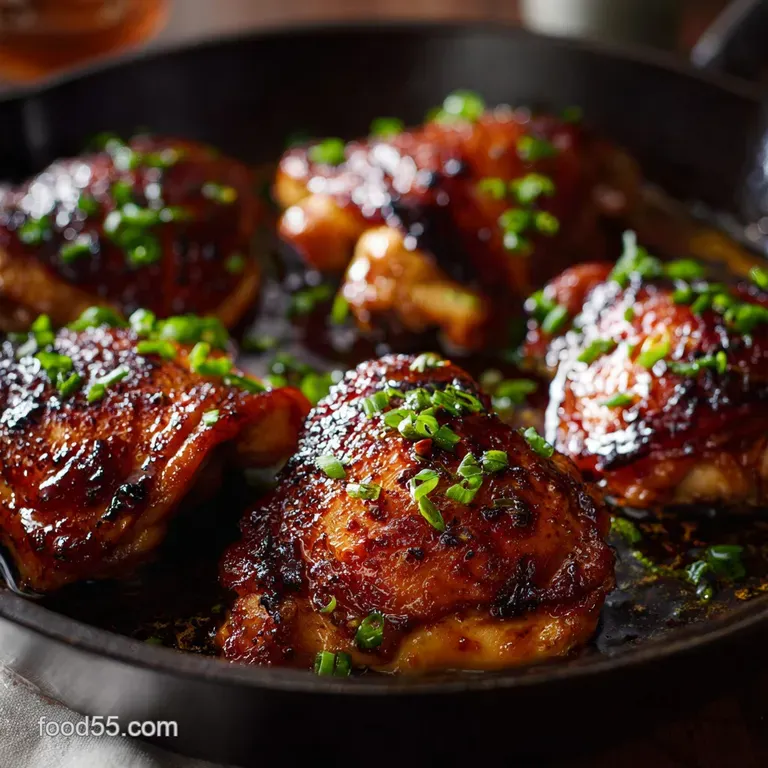
Decoding the Key Glaze Components (Soy Sauce, Mirin, Sake, Sugar)
You only need six ingredients for the sauce, and they must be quality. Use a good quality, naturally brewed soy sauce; low sodium is best since we use quite a bit. Mirin is sweet rice wine and gives the signature texture and flavour; please don't skip it, as it's critical.
Sake, the Japanese rice wine, adds a crucial depth that separates a good teriyaki from a truly great one, though it is the most optional ingredient if you're stuck.
Preparing Boneless, Skinless Chicken Thighs
Pat the chicken thighs ridiculously dry. Seriously, grab a stack of paper towels. Moisture is the enemy of sear! If your thighs are huge, you might want to slice them into two smaller pieces or butterfly them open. This ensures they cook evenly and quickly.
Smart Swaps and Ingredient Notes
| Ingredient | Role | Smart Swap / Note |
|---|---|---|
| Boneless Thighs | Succulence | Boneless, skinless chicken breasts (reduce cooking time). |
| Soy Sauce | Salty Umami | Use Tamari for a gluten-free teriyaki. |
| Mirin | Sweet Base | Cannot be perfectly substituted, but 2 parts white wine + 1 part sugar works in a pinch. |
| Sake | Depth/Alcohol | Substitute with extra Mirin or just cold water. |
| Brown Sugar | Sweetness | Honey or maple syrup work well, though honey yields a slightly stickier result. |
| Cornflour | Thickener | Arrowroot powder is a perfect alternative for the slurry. |
Master the Method: step-by-step Teriyaki Cooking Guide
Marinating and Prepping the Chicken
Mix all the glaze ingredients (soy, mirin, sake, sugar, ginger, garlic) in a bowl. Now, add the dried chicken thighs and toss them to coat them completely. Thirty minutes is enough time for the Teriyaki Chicken to absorb the foundational flavour, but if you have time, aim for two to four hours in the fridge for deeper penetration.
When you take the chicken out, do not discard the marinade . Pat the chicken dry one last time so it sears properly.
Searing the Thighs for Maximum Crust
Heat your oil in a sturdy skillet (cast iron is my favourite for this) over medium high heat until it shimmers. Place the chicken thighs presentation side down and leave them alone for about 4– 5 minutes. You need to let that beautiful crust form undisturbed.
Once you flip them, they should be deeply golden, almost mahogany in colour, and smell incredible. Cook the second side for another 4– 5 minutes until the chicken is nearly done (about 160°F internal temp). Remove the Teriyaki Chicken and let it rest while we tackle the sauce.
Reducing the Sauce to Achieve the Signature Gloss
Pour the reserved marinade right into the hot pan. Bring it to a rapid, rolling boil. This step is non-negotiable because you must boil the sauce for several minutes to kill any bacteria from the raw chicken and burn off the raw alcohol smell from the sake and mirin.
Let it bubble fiercely for about 3– 5 minutes until the sauce looks visibly reduced.
Crucial Chef's Note: Never skip the boiling step! You are using the liquid the raw chicken was sitting in. Boiling it rapidly for at least 3 minutes makes it perfectly safe, while simultaneously concentrating the wonderful umami flavour.
Now, whisk your cornflour slurry (cornflour + cold water) until totally smooth and drizzle it slowly into the boiling sauce while whisking. The sauce will thicken immediately, turning into a glossy syrup that coats the back of a spoon.
The Critical Rest and Slice
Turn the heat down to low. Return the seared chicken to the pan and use tongs to turn it, ensuring it is completely coated in that thick, gorgeous glaze. Cook for just one minute to reheat the chicken and allow the glaze to adhere beautifully.
Let the chicken rest for 5 minutes before slicing this keeps all the juices locked inside those perfectly glazed Teriyaki Chicken Thighs.
Troubleshooting Your Teriyaki Chicken Thighs
Avoiding a Thin, Runny Glaze
This usually means two things: you didn't reduce the sauce long enough, or you added too little slurry. If your sauce is thin after adding the slurry, just turn the heat back up and let it bubble fiercely for 60 seconds.
If it’s still runny, whisk up a small half dose of slurry (1 tsp cornflour + 1 tbsp water) and stir it in.
When to Add the Sauce for Perfect Coating
The sauce must only be added after the chicken is seared and removed, and it should only go back onto the chicken once it’s reduced to a syrup consistency.
If you try to cook the chicken in the sauce from the beginning, the high sugar content will burn before the chicken is cooked through. Glaze at the end!
Getting a Sear Without Burning the Sugar
The trick here is timing and preparation. We sear the plain, dried chicken first. The sugar is only in the marinade, which we mostly patted off. The key is to use medium high heat for the sear and not to move the chicken.
Once the sauce goes back in, you turn the heat right down to low to gently coat the cooked Teriyaki Chicken without scorching the glaze.
Keeping It Fresh: Storage, Reheating, and Freezing
Safe Refrigeration Times for Leftovers
Leftover Teriyaki Chicken stores beautifully in an airtight container in the fridge for up to 4 days . It's brilliant for meal prep! I love using cold slices to top a lunchtime salad, or shredding it and making a quick Asian style soup, maybe even something comforting like the base for my famous Crack Chicken Noodle Soup The Ultimate Creamy Winter Comfort Recipe .
Best Practices for Freezing Cooked Chicken
Cooked Teriyaki Chicken Thighs freeze really well. Place them in a heavy duty freezer bag or a vacuum sealed container, along with any excess glaze. It will keep perfectly for up to 3 months . Thaw it overnight in the refrigerator before reheating.
Reheating Without Drying the Meat Out
The best way to reheat is low and slow. Place the glazed Teriyaki Chicken Thighs in an oven safe dish, maybe add a tiny splash of water or broth to the bottom, and cover it tightly with foil. Bake at 300°F (150°C) for 15– 20 minutes until piping hot.
This gentle steam bath prevents the meat from turning into shoe leather. You can also quickly sauté it in a non-stick pan over low heat until warmed through.
Perfect Pairings: What to Serve with Teriyaki Chicken
This sticky, savoury dish is highly versatile and pairs well with light, crisp textures that cut through the sweetness.
- Fluffy White Rice: The absolute classic. Japanese short grain rice (or Calrose) is traditional and perfectly soaks up the extra glaze. You could even turn it into a fantastic side dish by trying my Restaurant Style Chicken Fried Rice Get the Wok Hei Flavor at Home with the leftover rice and extra glaze.
- Simple Greens: Steamed or quickly sautéed broccoli, snap peas, or asparagus tossed with a tiny bit of salt and sesame oil works wonders.
- Asian Slaw: A crunchy mix of shredded cabbage and carrots with a light vinaigrette makes for an excellent contrast to the sticky, rich Teriyaki Chicken.
- Alternative Preparation: If you want a fun, light lunch, slice up your glazed Teriyaki Chicken Thighs and toss them cold into a fresh salad with crunchy romaine lettuce, cucumber, and a ginger dressing. If you're looking for other fast skillet meals, you might also like my Lemon Garlic Butter Chicken Tenders Ready in 27 Minutes .

Recipe FAQs
Why is my Teriyaki sauce too thin and not glossy enough?
A thin sauce usually means it hasn't reduced sufficiently, or the cornstarch slurry wasn't given enough time to activate. Ensure you bring the sauce to a full, rolling boil and then simmer it uncovered for at least five minutes, stirring frequently.
If necessary, whisk a second small slurry of 1 teaspoon cornstarch and 1 tablespoon cold water into the simmering sauce to achieve that beautiful, glossy glaze.
Can I use chicken breast instead of thighs for this recipe?
While chicken breasts are a leaner option, they contain less fat and are more prone to drying out under high heat. If you use them, we highly recommend slicing the breasts horizontally into thinner cutlets (about 1 inch thick) and reducing your cooking time by 3 to 5 minutes per side.
Be sure to measure the internal temperature, aiming for exactly 165°F (74°C) to maintain succulence.
How do I store Teriyaki Chicken leftovers, and how long do they last?
Store any leftover chicken and sauce in a well sealed, airtight container in the refrigerator immediately after cooling. It will maintain optimum quality for about 3 to 4 days. When reheating, add a small splash of water or low-sodium broth to the pan to help prevent the meat from drying out.
I need to make this recipe gluten-free. What is the best substitute for soy sauce?
For a perfect gluten-free Teriyaki sauce, substitute the standard soy sauce with Tamari, which is typically wheat free and offers a richer, deeper umami flavor. Alternatively, coconut aminos can be used for a slightly milder, lower sodium result, though you may need to add a pinch more salt to balance the flavor profile.
Can I marinate the chicken overnight?
Marinating chicken thighs for longer periods is highly recommended as it deepens the flavor wonderfully, and overnight (8-12 hours) is ideal. However, since the marinade contains sugar and salt, avoid marinating for longer than 12 hours, as the meat texture can start to cure or become slightly tough.
Can I prepare and freeze the Teriyaki sauce ahead of time?
Yes, the prepared Teriyaki glaze freezes very well; allow it to cool completely before transferring it to a freezer safe container for up to 3 months. When thawing, you might notice slight separation, but a quick whisk and gentle reheating will restore its smooth, glossy consistency perfectly.
My chicken always seems dry, even though I used thighs. What could I be doing wrong?
The chicken is likely overcooked, even thighs can dry out if left on the heat too long, especially if your initial searing temperature was too high. For guaranteed succulence, use an instant read thermometer and ensure the chicken reaches exactly 165°F (74°C) before removing it from the pan.
Also, avoid slicing the chicken immediately, allowing it a short resting period to redistribute its juices.
Teriyaki Chicken Thighs With Glaze
Ingredients:
Instructions:
Nutrition Facts:
| Calories | 557 kcal |
|---|---|
| Protein | 35.0 g |
| Fat | 32.0 g |
| Carbs | 31.0 g |
