Thin Soft Crepes with Vanilla and Sugar
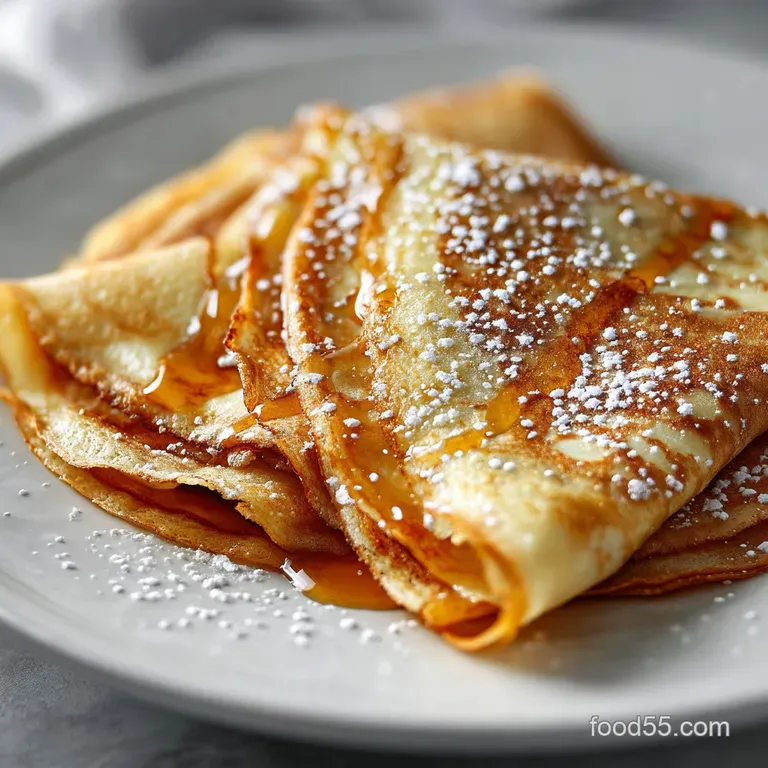
- Time: Active 15 minutes, Passive 5 minutes, Total 20 minutes
- Flavor/Texture Hook: Silky, tender, and lace edged
- Perfect for: Lazy Sunday mornings or quick desserts
- Best Thin Soft Crepes with Vanilla and Sugar
- The Chemistry of the Lacy Edge
- Ingredient Deep Dive Analysis
- Gathering Your Essential Pantry Elements
- Tools for Thin Golden Crepes
- Step-by-Step Guide to Flipped Success
- Quick Fixes for Common Failures
- Flavor Variations and Smart Substitutes
- Scaling Guidelines for Large Groups
- Debunking Popular Kitchen Myths
- Storage and Reheating Guidelines
- Creative Ways to Present Crepes
- Recipe FAQs
- 📝 Recipe Card
Best Thin Soft Crepes with Vanilla and Sugar
There is a specific sound that defines my Saturday mornings: the gentle sizzle of butter hitting a hot skillet followed by the rhythmic swish swish of batter coating the pan. I remember the first time I tried making these, I ended up with something closer to a thick, rubbery tortilla.
It was frustrating, but it taught me that the secret isn't in a fancy pan, it's in the fluid motion of your wrist and the temperature of your surface. Discover the best recipe for thin, soft crepes with vanilla and sugar that will become your go to breakfast or dessert.
When you pour that first ladle of batter, the aroma of warm vanilla immediately fills the kitchen, catching in the curtains and drawing everyone to the table before the first plate is even ready.
We have a rule in our house that the cook gets to eat the "sacrificial" first crepe the one that never looks quite right but tastes like heaven. It's a small, quiet moment of joy before the chaos of the day begins.
By the time you reach the bottom of the bowl, you'll have a stack of golden, velvety rounds that are so thin you can almost see the plate through them. They aren't just food, they're a canvas for whatever you're feeling that day.
Whether you keep it simple with a sprinkle of sugar or go wild with fresh fruit, these are designed to bring people together over a shared meal that feels far more luxurious than the effort required.
The Chemistry of the Lacy Edge
Gluten Relaxation: Resting the batter allows the flour proteins to hydrate and settle, which ensures the final texture is tender rather than chewy or tough. Maillard Reaction: The small amount of sugar in the batter reacts with the milk proteins under high heat to create those iconic golden brown speckles and a complex, nutty scent.
| Method | Cook Time | Texture | Best For |
|---|---|---|---|
| Traditional Stovetop | 1-2 minutes | Lacy edges, silky center | Immediate serving and best flavor |
| Oven Reheat | 5-8 minutes | Soft and uniformly warm | Serving a large group all at once |
| Non Stick Skillet | 1 minute | Smooth, even browning | Beginners wanting easy flipping |
Right then, let's talk about why these specific ratios matter so much. If you've ever had a crepe that felt like a wet sponge, it's usually because the heat was too low or the batter was too thick. We're aiming for something that feels like silk in your hands. If you're hosting a brunch and want more treats, this Foolproof Baileys Chocolate recipe is a brilliant companion for these sweet folds.
Ingredient Deep Dive Analysis
| Ingredient | Science Role | Pro Secret |
|---|---|---|
| Whole Milk | Provides the liquid base and fat for a rich, tender crumb | Use room temperature milk to prevent the melted butter from seizing |
| Large Eggs | Act as the primary binder and provide structural integrity | Whisk them thoroughly to ensure the yolks and whites are fully emulsified |
| All Purpose Flour | Offers just enough structure to hold the crepe together | Sift the flour first to avoid those pesky "flour bombs" in your batter |
| Vanilla Extract | Adds a deep, floral aromatic layer | Use a high-quality extract or bean paste for visible dark flecks |
It is a common mistake to think you need heavy cream for a rich crepe. In reality, the 1.5 cups of whole milk (350ml) provides exactly the right amount of fat without making the batter too heavy to spread. The balance of the 3 large eggs is what gives it that signature "snap" when you bite into a folded edge.
Gathering Your Essential Pantry Elements
- 1.5 cups All Purpose Flour (190g): Why this? Provides the perfect balance of strength and tenderness for flipping. Substitute: Spelt flour for a nuttier, more rustic flavor.
- 1.5 cups Whole Milk (350ml): Why this? The fat content ensures a soft, pliable texture after cooling. Substitute: Oat milk (full fat) for a dairy-free alternative.
- 3 Large Eggs: Why this? The "glue" that prevents your thin crepes from tearing. Substitute: 3/4 cup liquid egg substitute if needed.
- 3 tbsp Unsalted Butter, melted (42g): Why this? Prevents sticking and adds a velvety mouthfeel. Substitute: Neutral oil like avocado or grapeseed.
- 2 tbsp Granulated Sugar (25g): Why this? Helps with browning and adds a subtle sweetness. Substitute: Maple syrup for a deeper, caramelized taste.
- 1 tbsp Vanilla Extract (15ml): Why this? The primary flavor driver that makes these smell "French." Substitute: Almond extract (use only 1/4 tbsp) for a Marzipan vibe.
- 0.25 tsp Fine Sea Salt: Why this? Sharpens the sweetness and rounds out the vanilla notes. Substitute: Standard table salt.
- 2 tbsp Granulated Sugar: Used for the final sprinkling and texture.
- 1 tbsp Salted Butter: For greasing the pan between batches.
Tools for Thin Golden Crepes
While you don't need a specific French crepe pan, a high-quality 10 inch non stick skillet is your best friend here. You want something with low sloped sides so your spatula can get right under the edge without a struggle.
A small offset spatula or a very thin silicone turner is much better than a chunky pancake flipper.
I also highly recommend using a blender if you have one. It's not just about speed; the high speed blades break down the flour particles far more effectively than a hand whisk ever could, resulting in a batter that looks like heavy cream.
If you don't have a blender, a fine mesh sieve is essential for straining the batter after whisking to catch any lumps. Finally,, a 1/4 cup measuring cup or a small ladle will help you portion the batter consistently so every crepe is the same thickness.
step-by-step Guide to Flipped Success
For the Vanilla Crepe Batter
- Combine the 1.5 cups milk (350ml), 3 large eggs, and 1 tbsp vanilla extract in a large blender. Note: Starting with liquids prevents flour from sticking to the bottom.
- Add the 1.5 cups flour (190g), 2 tbsp sugar (25g), and 0.25 tsp salt to the blender.
- Pulse on high for 20 seconds until the mixture is completely smooth and bubbly.
- Pour in the 3 tbsp melted butter (42g) while the blender is on low. Note: This prevents the butter from solidifying into chunks.
- Let the batter sit for at least 5 minutes at room temperature. Note: This allows the bubbles to settle and the flour to hydrate.
For the Finishing Touch
- Heat your skillet over medium heat and add a tiny sliver of the salted butter.
- Pour 1/4 cup of batter into the center of the pan. Immediately swirl the pan until the bottom is covered.
- Cook for 45-60 seconds until the edges turn golden and start to lift.
- Slide your spatula under the edge and flip with a quick motion.
- Cook the second side for 20 seconds until lightly spotted with brown.
- Remove from the pan, sprinkle with the extra granulated sugar, and fold into quarters.
Chef's Tip: If your first crepe is a disaster, don't panic. It's usually because the pan hasn't reached an even temperature yet. Adjust the heat slightly and try again; the second one is almost always a winner.
Quick Fixes for Common Failures
Why Are My Crepes Tearing?
This usually happens for two reasons: either the pan isn't hot enough, or you're trying to flip them too early. The edges must be dry and slightly crisp before you even think about sliding a spatula under there. If the batter is too thin, try whisking in one extra tablespoon of flour.
Why Is the Texture Rubbery?
A rubbery crepe is often the result of over mixing the batter or cooking it over heat that is too low. When you cook too slowly, the crepe dries out before it browns, leading to a leathery texture. Crank the heat up a tiny bit and aim for that 60 second cook time on the first side.
| Problem | Root Cause | Solution |
|---|---|---|
| Lumpy Batter | Flour added too fast to liquid | Use a blender or strain through a fine mesh sieve |
| Greasy Crepes | Too much butter in the pan | Use a paper towel to wipe out excess butter after melting |
| Too Thick | Flour has absorbed too much liquid | Whisk in 1-2 extra tablespoons of milk to thin it out |
Common Mistakes Checklist
- ✓ Ensure the pan is preheated for at least 3 minutes before starting.
- ✓ Don't pour too much batter; it should just barely coat the surface.
- ✓ Always let the batter rest, even if it's just for 5 minutes.
- ✓ Use a neutral flavored butter for the pan to avoid a burnt taste.
- ✓ Wipe the pan with a dry paper towel between every 3 crepes to prevent buildup.
Flavor Variations and Smart Substitutes
If you want to take this recipe in a different direction, you can easily swap the vanilla for citrus zest. A tablespoon of lemon or orange zest in the batter adds a bright, refreshing note that cuts through the richness of the butter.
For a more "grown up" version, you can add a splash of orange liqueur or rum to the batter.
What If I Want a Boozy Kick?
Adding a tablespoon of Grand Marnier or dark rum to the batter doesn't just add flavor; the alcohol evaporates quickly, which can actually help create a slightly crisper edge. To switch things up, try pairing the fruit filling with The Homemade Peaches recipe for a chilled dessert vibe.
Decision Shortcut
- If you want crispy edges: Cook on high heat for a shorter time with slightly more butter.
- If you want soft, pliable crepes: Stack them on a plate and cover with a clean kitchen towel while cooking the rest.
- If you want a savory twist: Omit the sugar and vanilla, and add a pinch of dried herbs like thyme or chives.
Scaling Guidelines for Large Groups
Scaling Down (1/2 batch): This is quite easy. Use 1 large egg and 1 egg yolk (to keep the fat content up), and reduce all other ingredients by half. You can use a smaller 8 inch pan to make cute, mini crepes that are perfect for kids.
Scaling Up (2x-4x): When doubling the recipe, do not double the salt. Use only 1.5 times the salt to avoid an overly savory taste. You will likely need to use two pans simultaneously to keep the process moving, otherwise, the batter might start to thicken too much as it sits.
If the batter does thicken, just whisk in a splash of milk every 30 minutes.
Debunking Popular Kitchen Myths
One of the biggest myths is that you must rest the batter for two hours or overnight. While a long rest is great for developing flavor, 5 to 10 minutes is actually enough for the flour to hydrate for a standard home breakfast.
If you use a blender, the mechanical force helps the hydration process move even faster.
Another common misconception is that you need a specialized "crepe spreader" (the T shaped wooden tool). Unless you are using a flat crepe stone, a simple wrist swirl is much more effective for home cooks. In fact, using a spreader in a high sided skillet often leads to uneven thickness and torn edges.
Storage and Reheating Guidelines
Storage: You can keep cooked crepes in the fridge for up to 3 days. The trick is to place a small piece of parchment paper or wax paper between each one so they don't fuse together. Wrap the whole stack tightly in plastic wrap or put them in a gallon sized airtight bag.
Freezing: Crepes freeze beautifully for up to 2 months. Follow the parchment paper layering method, then place the stack in a freezer safe bag. To use, thaw them in the fridge overnight. Don't try to peel them apart while frozen, or they will shatter like glass.
Zero Waste Tip: If you have leftover crepes that have gone a bit stale or dry, don't toss them. Slice them into thin ribbons and toss them into a hot pan with a little butter and cinnamon sugar. They turn into "crepe noodles" that are incredible over vanilla ice cream.
You can also use slightly dry crepes as a substitute for noodles in a sweet noodle kugel.
Creative Ways to Present Crepes
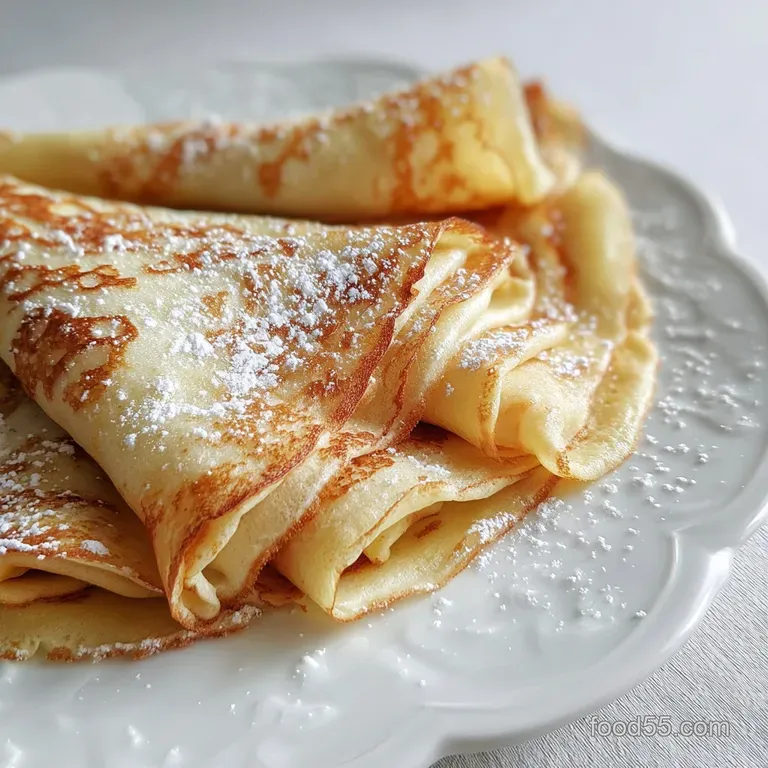
Presentation is where you can really have some fun. The classic "Suzette" fold (folding in half and then half again to form a triangle) is elegant and allows the sugar to melt into the layers. For a more modern look, try the "cigar roll" where you spread a thin layer of filling and roll it tightly.
If you are serving these for a special occasion, a light dusting of powdered sugar through a fine mesh sieve adds a professional touch. For those who love a cookie texture instead, my Classic Chewy Chocolate recipe uses similar pantry staples and can be crumbled over the top of a cream filled crepe for a delightful crunch. Whether you serve them on a large communal platter or individual plates, the goal is always the same: to bring a little bit of shared warmth to the table.

Recipe FAQs
What is the secret to thin crepes?
A very thin batter and high heat. The batter must have a high liquid-to-flour ratio, resembling heavy cream rather than pancake mix. Pour a small amount and immediately swirl the pan so the batter thinly coats the entire bottom surface before setting.
What makes crepes soft?
Resting the batter and using whole milk. Allowing the batter to rest for 5 to 10 minutes hydrates the flour, which prevents toughness. The fat content in whole milk keeps the final product pliable rather than brittle when folded.
What is the secret to perfect crepes?
Proper pan temperature control. The pan must be hot enough to set the edges quickly but not so hot that the sugar scorches immediately. Wipe the pan with a paper towel dipped in butter between every two crepes to maintain an even surface temperature.
How to make thin French crepes?
Blend the ingredients until completely smooth, then use a 1/4 cup measure for pouring. Ensure your batter rests briefly to let bubbles settle. Master this pouring and swirling motion; mastering this fluid technique is similar to how we ensure stable emulsification in our Silky Smooth My recipe.
Should I use a blender or whisk for the batter?
Use a blender if possible for the best texture. The high speed blades efficiently break down the flour particles, yielding a smoother, more uniform emulsion. If whisking by hand, you absolutely must strain the batter afterward to remove any lumps.
Can I substitute the granulated sugar with something else?
Yes, but the browning characteristics will change. Granulated sugar aids in the Maillard reaction, creating those signature golden spots. Maple syrup can be substituted, but use slightly less as it adds more moisture; it pairs wonderfully with toppings found in the Classic Whipped Honey recipe.
Do the crepes need to rest before cooking?
No, but resting significantly improves the tenderness. While you can cook immediately, letting the batter rest for 5 to 10 minutes allows the flour to fully absorb the liquid, resulting in a less chewy and more tender final crepe.
Thin Soft Vanilla Crepes
Ingredients:
Instructions:
Nutrition Facts:
| Calories | 143 kcal |
|---|---|
| Protein | 4.2 g |
| Fat | 6.1 g |
| Carbs | 17.8 g |
| Fiber | 0.4 g |
| Sugar | 5.3 g |
| Sodium | 88 mg |
