Tuna Pasta Dressing: the Bright Briny Supper Fix
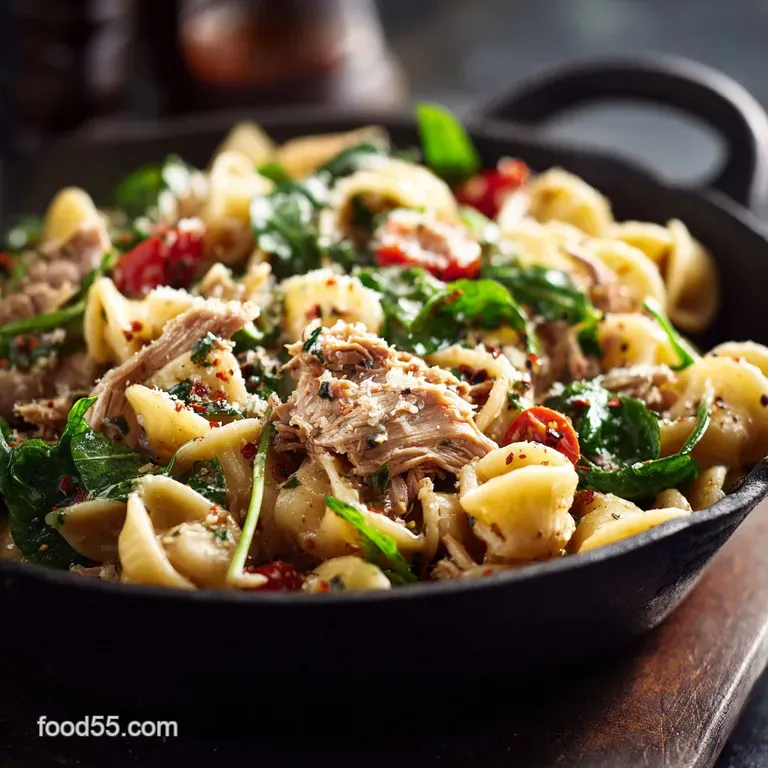
- Elevating the Humble Tuna Pasta Dressing: A Recipe Overview
- The Science of Flavor: Why This Dressing Delivers
- Pantry Staples & Key Ingredients for the Dressing
- Customizing Your Mix: Ingredient Swaps and Dietary Notes
- Whisking Perfection: Step-by-Step Dressing Instructions
- Chef’s Quick Fixes: Tips for a Flawless Result
- Practical Guide: Storage, Shelf Life, and Safety
- Beyond the Elbow: Creative Serving Suggestions
- Recipe FAQs
- 📝 Recipe Card
Elevating the Humble Tuna Pasta Dressing: A Recipe Overview
That smell when you lift the lid bright, zesty, and just creamy enough to make your mouth water. That is the true mark of a fantastic Tuna Pasta Dressing .
It’s the kind of flavour profile that grabs you immediately, promising a meal that is satisfying without feeling heavy or, worse, totally gloopy. We aren’t aiming for the heavy, overly sweet cafeteria version here; we’re going for light, bright, and impossibly addictive.
This recipe is honestly a total lifesaver for those "I forgot to thaw dinner" nights. You can pull 90% of the ingredients straight from the back of your cupboard right now. It’s cheap, ridiculously fast to assemble, and proves that truly great weeknight food doesn't need fuss or complexity.
This particular Tuna Pasta Dressing is my personal champion of speedy suppers.
Forget everything you think you know about classic tuna salad. I have refined this recipe through countless lunchtime experiments and, frankly, some pretty horrifying failures (we’ll talk about using powdered onion later).
Let’s crack on and mix up this perfect, bright, and briny Tuna Pasta Dressing that will forever change how you view pantry staples. This is a creamy dressing that perfectly coats the noodles, delivering tang, brine, and richness in every single bite.
The Science of Flavor: Why This Dressing Delivers
Why does one recipe taste phenomenal while another tastes… fine? It often comes down to balancing texture and acid, especially when dealing with a rich base like mayonnaise. Most basic recipes skip the crucial step of incorporating multiple forms of acid and brine.
This specific Tuna Pasta Dressing uses both fresh lemon juice and red wine vinegar to create layers of tanginess, preventing the dressing from settling into a singular, dull, fatty note.
What Makes This Dressing Special: Ditching the Gloopy Texture
The key to avoiding the dreaded gloopy texture is managing your wet-to-solid ratio and controlling the starch. By focusing on finely mincing the briny elements (capers and gherkins) rather than relying on crunchy celery, we get intense flavour dispersal without chunky bits that interfere with the smooth coat.
This specific Tuna Pasta Dressing also benefits from a crucial chilling period, which allows the acidity to thin the mayonnaise slightly as the emulsion settles, giving you a smooth, velvety finish.
If you want a non-gloopy texture for a different meal, check out my tips for making [Southwestern Pasta Salad: Zesty, Non-Gloopy Recipe with Chipotle Vinaigrette].
The Pantry Raid Philosophy: Quick, Essential Ingredients
I am obsessed with recipes that require minimum grocery store effort. The entire structure of this delicious Tuna Pasta Dressing is built around standard pantry staples. You need a good mayonnaise, a couple of lemons, some mustard, and your favourite briny pickles.
The brilliance lies in taking these common, humble ingredients and treating them with respect fresh herbs are mandatory here, adding that pop of vibrancy canned tuna desperately needs.
Achieving Maximum Creaminess with a Mayonnaise Base
Full fat mayonnaise is the backbone of any great creamy salad dressing, and it’s non-negotiable for this recipe. Mayonnaise provides a stable emulsion that holds up well, even when mixed with highly acidic ingredients like lemon juice and vinegar.
If you try to lighten this Tuna Pasta Dressing too much with water or thin milk, the sauce will break and weep once it hits the cold pasta. Stick with the good stuff; your weeknight self deserves it.
Balancing the Brine and the Bright (Capers and Lemon)
Brine is flavour. Period. The magic of this Tuna Pasta Dressing comes from the complex interaction between the sharp, fresh brightness of the lemon and the deep, salty, preserved tang of the capers and gherkins. Capers provide a necessary salinity that complements the fish beautifully.
Meanwhile, the gherkins bring in a touch of sweetened vinegar that rounds out the otherwise strong flavours, achieving a perfect, balanced punch.
Pantry Staples & Key Ingredients for the Dressing
Every ingredient in this recipe serves a specific, crucial purpose. Don’t skip anything, but do feel free to adjust amounts to your personal taste. Remember, the quality of your ingredients directly impacts the final flavour of your Tuna Pasta Dressing .
- Mayonnaise (Full Fat): Provides the creamy, stable base.
- Fresh Lemon Juice: The main source of bright acidity.
- Dijon Mustard: Acts as an emulsifier, smoothing the dressing, and adding a subtle, sharp heat.
- Red Wine Vinegar: Adds depth and complexity that lemon alone can’t achieve.
- Capers: Salinity and a pop of texture.
- Gherkins (Cornichons): Sweet sour brine and crunchy texture.
- Fresh Dill & Chives: The required fresh aromatic element; absolutely essential for flavour lift.
Customizing Your Mix: Ingredient Swaps and Dietary Notes
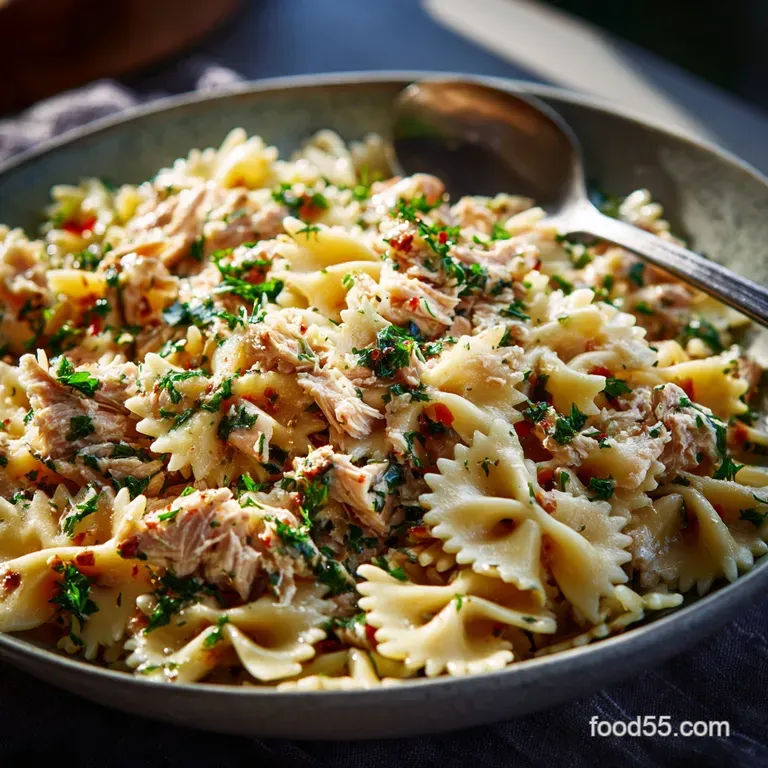
If you’re anything like me, you occasionally look at a recipe and realize you’re missing one key item. Don’t panic! This Tuna Pasta Dressing is forgiving, but substitutions must be logical.
The Creamy Foundation: Choosing Your Mayonnaise
While I insist on full fat mayo for the best results, you do have options for lightening things up slightly. You could swap half the mayonnaise for full fat Greek yogurt, which increases the protein and gives the dressing an extra tang.
Alternatively, crème fraîche works beautifully, providing a slightly richer mouthfeel, though it can be expensive for a simple weeknight Tuna Pasta Dressing .
Brine Heroes: Capers, Gherkins, and Pickle Alternatives
No gherkins? No problem. Finely chopped dill pickles work perfectly, though you might need to blot them with a paper towel first to remove excess juice. If you are missing capers, a few chopped green olives (the salty, pimento stuffed kind) can provide the necessary salinity and texture.
Whatever you substitute, ensure you mince it finely. We are looking for flavour dispersal, not chunks.
The Mandatory Tang: Lemon Juice vs. Vinegar
We use both lemon juice and red wine vinegar because they hit different parts of the palate. If you run out of lemon juice, you can substitute it with white wine vinegar, but I strongly recommend adding a tiny pinch of lemon zest to replace the aromatic brightness you lose.
Never use plain distilled white vinegar, though it’s too harsh for this delicate Tuna Pasta Dressing .
Must Have Seasoning and Aromatics (Dijon and Pepper)
Don’t skimp on the Dijon; it provides the backbone. If you truly have no Dijon, a high-quality yellow mustard can work in a pinch, but reduce the amount slightly as it can be sharper. Freshly cracked black pepper is mandatory for a good Tuna Pasta Dressing .
The pre-ground stuff tastes dusty and adds nothing to the party.
Making It dairy-free or Vegan
This entire Tuna Pasta Dressing recipe is already naturally dairy-free (assuming standard mayonnaise use). If you need it to be fully vegan, simply use your favourite high-quality vegan mayonnaise.
Just be aware that vegan mayo can sometimes be slightly sweeter, so you might want to skip the optional pinch of sugar entirely.
| Component | Standard Ingredient | Viable Substitution |
|---|---|---|
| Mayonnaise | Full Fat Mayo | Greek Yogurt (Half Only) or Crème Fraîche |
| Red Wine Vinegar | Red Wine Vinegar | Apple Cider Vinegar or White Wine Vinegar |
| Gherkins | Finely Minced Gherkins | Finely Chopped Dill Pickles or Celery |
| Capers | Capers | Chopped Pimento Stuffed Green Olives |
Adjusting the Acidity Level for a Perfect Pucker
Acidity is the engine of flavour in this creamy dressing. Once all the ingredients are combined, give it a taste. If it feels flat, add a tiny bit more lemon juice. If it tastes too sour, stir in that optional pinch of sugar it doesn't make it sweet; it simply buffers the high acid level, making the flavour profile smoother.
Remember that the saltiness of the tuna itself will also affect the final taste, so season your Tuna Pasta Dressing base before adding the fish.
Whisking Perfection: step-by-step Dressing Instructions
Making this dressing is less "cooking" and more "assembly and whisking," which makes it perfect for a hectic evening. Follow these steps for the perfect texture and flavour marriage.
Prepping the Briny Components (Gherkins and Capers)
Drain your capers and gherkins thoroughly; excess water will ruin the consistency of the Tuna Pasta Dressing . Finely mince them both. You want small, almost uniform pieces so that you get a burst of flavour in every bite, not massive chunks.
I also use this prep time to finely chop the dill and chives it’s always best to prep your dry ingredients before touching the wet base.
Combining the Base Wet Ingredients
In your medium bowl, whisk together the mayonnaise, lemon juice, Dijon mustard, and red wine vinegar. Whisk vigorously for about 30 seconds until the mixture is uniform and slightly airy. This initial whisking helps create a strong emulsion that resists breaking later. Season it now with the salt and pepper.
Achieving the Ideal Consistency Before Mixing
The base should be thick but pourable. If your mayonnaise is extremely stiff, or if you prefer a slightly lighter coating, add a tablespoon of cold water or, even better, a tablespoon of the reserved pasta cooking water.
This ensures your Tuna Pasta Dressing will coat the pasta perfectly without clumping.
Best Practices for Draining Canned Tuna
This is a big one. Tuna packed in oil generally tastes better, but you must drain it well. Use a fork to press the tuna against the inside of the can to squeeze out the excess liquid. Do not rinse the tuna.
You want those natural fish fats; you just don't want the sloppy oil or water that came in the can. Flake the drained tuna gently with a fork; don't mush it into a paste.
Troubleshooting a Runny Dressing
If, after combining the wet ingredients, your Tuna Pasta Dressing seems too thin, you have a few easy fixes. Add another spoonful of Dijon, which is a powerful emulsifier, or try stirring in a teaspoon of dried herbs (like dried dill or parsley) to absorb some of the liquid.
The chilling time (coming up next!) also helps the dressing firm up significantly.
The Critical 30 Minute Rest Time for Optimal Flavor
Listen to me: Do not skip the chill time. I made this mistake once, rushing to serve it immediately, and the flavour profile was harsh and one-dimensional. The acidity was overwhelming.
Chef’s Note: The 30 minute rest is crucial. It gives the lemon, vinegar, and Dijon time to 'marry' the mayonnaise, softening the sharp edges and allowing the dill and chives to infuse deeply into the Tuna Pasta Dressing .
It's the difference between a good salad and a great one.
Chef’s Quick Fixes: Tips for a Flawless Result
Making this recipe is straightforward, but there are a few common pitfalls that can derail an otherwise perfect dish.
Cook the Pasta Al Dente, Always
Because this is a salad and will be mixed cold, you need your pasta to hold its structure. Cook it just until al dente —it should have a slight bite in the middle.
Overcooked, soft pasta will absorb too much of the Tuna Pasta Dressing , resulting in a dry, mushy final dish, especially after refrigeration.
The Cold Rinse is Necessary
Unlike hot pasta dishes (like my amazing [Creamy Shrimp Alfredo: The Ultimate Velvety Skillet Pasta Recipe] where you want the starch), you must rinse the pasta for this cold salad.
Rinsing stops the cooking process instantly and removes the surface starch, preventing the noodles from sticking together or absorbing all your precious dressing. Drain it, rinse it quickly with cold water, and let it cool completely before mixing.
Folding, Not Stirring
When combining the pasta, tuna, and chilled Tuna Pasta Dressing , use a large rubber spatula and fold gently. Vigorous stirring can break up the tuna flakes into sludge and damage the delicate herbs. Gentle folding ensures every piece is coated beautifully without compromising texture.
Practical Guide: Storage, Shelf Life, and Safety
Tuna Pasta Dressing is fantastic for meal prepping, but you need to store it correctly to ensure maximum freshness and food safety.
Refrigerating Prepared Dressing
The prepared Tuna Pasta Dressing (the sauce only, before adding tuna and pasta) will keep well in an airtight container in the fridge for up to 5 days. Since it is rich in acid (lemon and vinegar), it remains quite stable.
However, once you combine the dressing with the pasta and tuna, its shelf life shortens dramatically. The finished salad is best consumed within 3 days.
Handling Leftovers Safely
Leftover tuna pasta salad should be stored in the coldest part of your fridge immediately after serving. Because this recipe contains both mayonnaise and fish, it should never be left out at room temperature for more than two hours.
If you take a batch of this salad for lunch, make sure it stays properly chilled until eating time.
Can I Freeze Tuna Pasta Dressing?
This is a firm No , unless you enjoy weird, grainy textures. Mayonnaise is an emulsion primarily based on oil and eggs. Freezing causes the water content to crystallize, which breaks the emulsion completely. When it thaws, you’ll be left with separated oil and a curdled, unusable mess.
Don't waste your good homemade Tuna Pasta Dressing by trying to freeze it. If you need a frozen, ready-made meal option, perhaps try my recipe for [Chicken Pesto Pasta: The 35 Minute Weeknight Dinner Recipe] it freezes far better without the creamy dressing element.
Beyond the Elbow: Creative Serving Suggestions
This creamy, zesty Tuna Pasta Dressing is incredibly versatile and deserves more than just elbow macaroni.
Pairing with Different Pasta Shapes (Beyond Macaroni)
While classic macaroni is fine, I prefer pasta shapes with ridges or twists that really grab onto the dressing. Think fusilli, rotini, or farfalle (bow ties). The little nooks and crannies hold the sauce, ensuring you get maximum flavour payload in every forkful.
Even small shells work well, cradling the tiny pieces of gherkin and caper held within the creamy Tuna Pasta Dressing .
Complementary Greens and Crunch Additions
Want to bulk up the salad without adding more pasta? Stir in fresh, finely chopped red onion (if you love that pungent kick) and maybe some finely diced carrots for colour and crunch.
Halved cherry tomatoes are also fantastic here, providing little bursts of sweetness and moisture that contrast the rich Tuna Pasta Dressing . Adding a layer of peppery arugula or even some chopped iceberg lettuce right before serving gives that necessary freshness and texture variation.
Serving Temperature Recommendations
This Tuna Pasta Dressing is designed to be served chilled, ideally after the minimum 30 minute rest time. Serving it straight after mixing means the dressing will feel warm from the mixing process, and the flavours won’t have fully settled.
If you can manage a full hour or two in the fridge, the flavours will be at their absolute peak and the creamy dressing will have adhered perfectly to the pasta. Enjoy this bright, satisfying, and easy supper!
Recipe FAQs
How long can I store the Tuna Pasta Dressing, and can I prepare it ahead?
This mayonnaise based dressing is best stored separately from the pasta and should be consumed within 3 to 4 days when refrigerated in an airtight container. If you plan to mix it with the tuna and pasta, the final salad should be enjoyed within 2 days, as the pasta will absorb the moisture and soften the texture.
Freezing is not recommended because the mayonnaise emulsion will break upon thawing, resulting in a separated, oily consistency.
My dressing seems too thick or dry after mixing; how can I fix the consistency?
If the dressing is too tight, gradually loosen it by whisking in a small amount of liquid a teaspoon of cold water, additional lemon juice, or even a splash of the pasta cooking water (if reserved).
Achieving a slightly thinner consistency than you think necessary is often advisable, as the dry ingredients and pasta will soak up liquid as the salad sits in the refrigerator. Ensure you thoroughly drain the tuna before use, as excess oil or water can also negatively impact the final bind.
Can I use Greek yogurt or sour cream instead of mayonnaise for a lighter option?
Yes, you can substitute Greek yogurt or sour cream, but they will yield a tangier profile and a slightly less stable dressing. If using yogurt, opt for full fat plain Greek yogurt to best approximate the richness of mayonnaise and consider adding a dash of olive oil for improved mouthfeel and emulsification.
Be aware that dressings made with yogurt may separate slightly after a day in the fridge.
What ingredients can I use if I don’t have capers or gherkins for the brine?
To replicate the sharp, briny kick of gherkins and capers, you have several excellent substitutes. Try finely minced cornichons, which are similar to gherkins but smaller and punchier, or use a tablespoon of sweet relish if you prefer a sweeter undertone.
Alternatively, finely chopped black or green olives provide a deep saltiness that works well with the tuna and lemon base.
How do I prevent the entire tuna pasta salad from becoming too watery or "weeping"?
Wateriness is primarily caused by insufficient draining of the canned tuna or mixing the dressing with warm pasta. Always press the tuna firmly to remove all excess oil or water before adding it to the bowl, and ensure the cooked pasta is completely cooled ideally chilled before tossing with the dressing.
Additionally, wait to add the dressing until just before serving if possible, as salt will draw moisture out of vegetables like celery or onion over time.
Can this recipe be adapted to be fully vegan or dairy-free?
Absolutely; this recipe is easily adaptable to be vegan and dairy-free with one simple swap. Replace the traditional mayonnaise with a high-quality vegan mayonnaise substitute, which provides the necessary richness and emulsifying power.
All the other core ingredients, including Dijon mustard, lemon juice, capers, and gherkins, are naturally plant based.
Beyond pasta salad, what are other great uses for this tangy dressing?
This bright and briny dressing is incredibly versatile and can elevate several other dishes. It makes a fantastic, tangy spread for turkey or chicken breast sandwiches, a binder for classic deviled eggs, or a delicious dipping sauce for crispy roasted potatoes or French fries.
You can also thin it slightly and use it as a light sauce over grilled white fish.
Tuna Pasta Dressing Recipe Fix
Ingredients:
Instructions:
Nutrition Facts:
| Calories | 250 kcal |
|---|---|
| Fat | 25 g |
| Fiber | 1 g |
