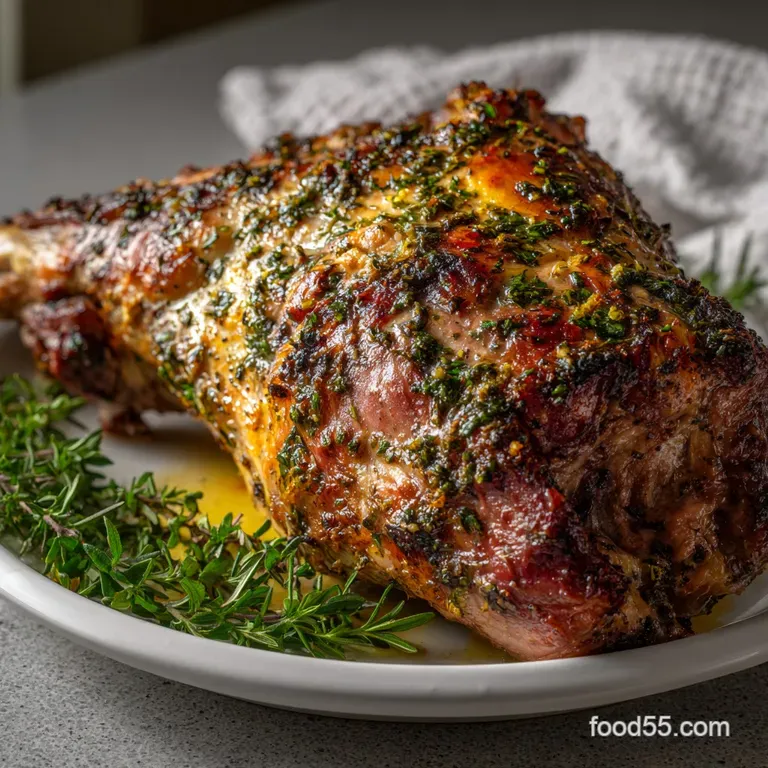
Mastering the Ultimate Garlic Herb Roasted Leg of Lamb
- Mastering the Ultimate Garlic Herb Roasted Leg of Lamb
- The Science Behind the Succulent Roast: Why This Method Works
- Ingredients for the Perfect Lamb Roast and Smart Substitutions
- How to Make Roasted Leg of Lamb: Step-by-Step Guide
- Pro Tips and Common Mistakes to Avoid
- Storage and Freezing: Maximizing Your Leftovers
- Perfect Pairings and Serving Suggestions
- Recipe FAQs
- 📝 Recipe Card
Mastering the Ultimate Garlic Herb Roasted Leg of Lamb
That first incredible whiff when the garlic studded ROASTED LEG OF LAMB hits the oven? It’s the smell of pure celebration. Forget everything you’ve heard about dry, chewy lamb.
I’ve been there, making expensive mistakes and serving roasts that were sadly tough on the outside and grey on the inside. This is the recipe that changed everything for me. It’s ultra simple, requires just 15 minutes of hands-on prep, and guarantees a stunning, juicy centerpiece that your family will rave about.
This two-stage technique is the secret sauce. We use high heat initially to develop that shatteringly crisp, deep golden crust, and then we drop the temperature so the inside cooks slowly and evenly, resulting in meat that is velvety tender.
If you want the most perfect, Easy Roasted Leg of Lamb imaginable the kind where the juices run clear but the meat is still blushing pink this is it.
The Science Behind the Succulent Roast: Why This Method Works
We aren’t just throwing meat in the oven; we are maximizing flavor through strategic temperature manipulation. This method is the difference between good lamb and mind blowingly great lamb.
The Importance of Scoring the Lamb Fat
Before we even season it, we score the fat cap. But why? Fat is an insulator. If you don't break through it, your seasonings won't penetrate the meat, and the fat layer itself won't render properly.
Scoring (cutting shallow diamond patterns) creates channels for our garlic and herb paste to infuse the meat, and allows the heat to hit the fat directly. This means you get crisp, rendered fat, not rubbery white insulation.
Achieving the Ideal Internal Temperature Guide
Lamb is unforgiving. Unlike beef, which remains delicious even when medium well, lamb loses its unique flavor and becomes tough when overcooked. Using a meat thermometer is mandatory for the Best Roasted Leg of Lamb Temperature .
We pull it out before it reaches the desired final temperature:
| Doneness | Target Temp (Pull from Oven) | Resting Temp (Final) | Notes |
|---|---|---|---|
| Medium Rare | 130°F (54°C) | 135°F (57°C) | Highly recommended for maximum flavor. |
| Medium | 135 140°F (57 60°C) | 145°F (63°C) | Still pink and very juicy. |
| Medium Well | 145 150°F (63 66°C) | 155°F (68°C) | Minimal pink remaining; risk of slight dryness increases. |
Why We Use the Two-Stage Roasting Technique
This 95 minute cook time is achieved using the reverse sear principle, slightly modified. We start high (425°F or 220°C) for the first 15 minutes to initiate the Maillard reaction, which is that incredible scientific process that turns sugars and amino acids brown, creating hundreds of complex, savory flavor compounds on the surface.
Then, we drop the heat significantly (to 350°F or 175°C) to allow the heat to gently permeate the center without burning the already seared exterior.
Ingredients for the Perfect Lamb Roast and Smart Substitutions
This recipe is designed for a 4 5 lb boneless Roasted Leg of Lamb —it’s easier to carve and cooks more predictably than the bone-in version, fitting our tight timeline perfectly.
| Ingredient | Amount | Notes |
|---|---|---|
| Boneless Leg of Lamb | 4 5 lbs (tied) | Trim any silverskin but keep the fat cap. |
| Olive Oil | ¼ cup | For the paste and coating. |
| Garlic Cloves | 10 12, minced | Don’t skimp! |
| Fresh Rosemary | ¼ cup, chopped | Provides the classic, piney flavor. |
| Fresh Thyme | 2 Tbsp, chopped | Earthy notes that pair perfectly. |
| Kosher Salt | 2 Tbsp | Essential for pulling moisture and creating flavor. |
| Black Pepper | 1 Tbsp, freshly cracked | For sharpness. |
| Lemon Zest | 1 tsp | Brightens the richness of the fat. |
| Dried Oregano | 1 tsp | Optional, for Mediterranean flair. |
Ingredient Swaps (The Honest Trade Offs)
If you’re missing an aromatic or need to adjust for flavor preference, here are the swaps that actually work:
| Original Ingredient | Best Substitute | Why It Works |
|---|---|---|
| Fresh Rosemary | Fresh Mint (2 Tbsp) | Mint is a classic pairing for lamb, offering a bright, cooling counterpoint to the rich fat. Note: Changes the flavor profile significantly lean into a Mediterranean style. |
| Olive Oil | Melted Ghee or Duck Fat | Provides similar fat content for coating and flavor delivery. Note: Duck fat adds richness and a faint earthy note, perfect if you want an extra savory crust. |
| Kosher Salt | Sea Salt Flakes (by volume) | Sea salt offers a similar clean saltiness. Note: Sea salt flakes are less dense than kosher salt; you may need slightly less to achieve the same salinity, adjust gradually. |
| Garlic Cloves | Shallots (finely minced, ½ cup) | Shallots provide allium flavor and moisture but are milder and slightly sweeter than garlic. Note: The final crust flavor will be less pungent and sharp. |
How to Make Roasted Leg of Lamb: step-by-step Guide
- Prep Time
- 15 Minutes
- Cook Time
- 95 Minutes
- Total Time
- 2 Hours 20 Minutes
- Yields
- 8 servings
Preparing the Lamb Before Seasoning
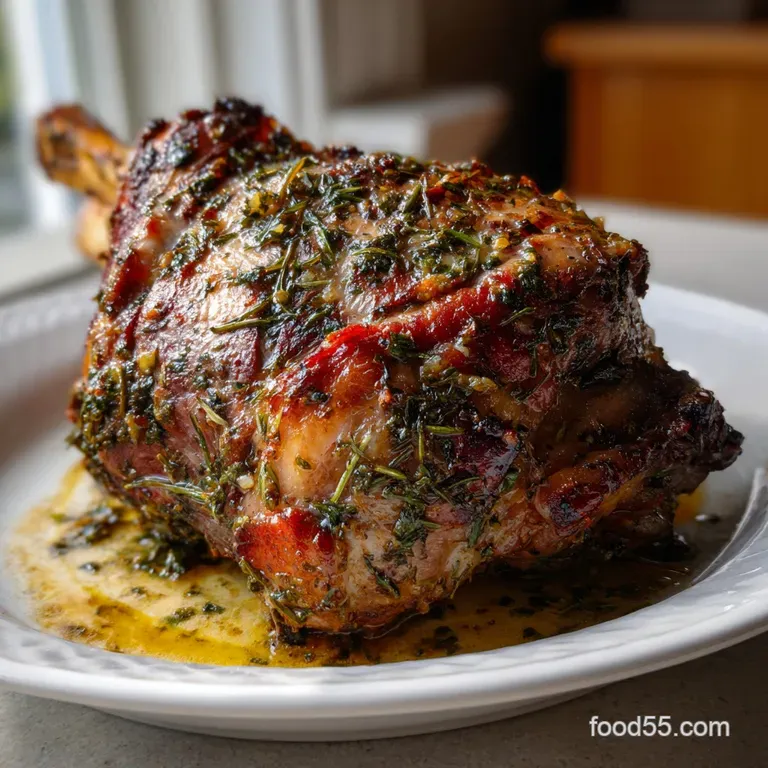
- Prep the Meat ( 10 minutes): If your lamb is netted, leave the netting on it helps keep its shape. Pat the lamb roast aggressively dry using paper towels. Moisture is the enemy of a crisp crust. Now, use a sharp paring knife to score the fat cap in a diamond pattern, about ¼ inch deep.
- Make the Paste: In a small bowl, combine the olive oil, minced garlic, rosemary, thyme, salt, pepper, lemon zest, and dried oregano. This should form a thick, potent slurry, thick as pancake batter.
- Massage and Marinate: Take the paste and use your hands to rub it aggressively all over the ROASTED LEG OF LAMB , ensuring the paste gets pushed deeply into every scored cut. Let the lamb rest at room temperature for at least 30 minutes (but no more than 1 hour) before roasting. This jump starts the cooking process evenly.
Executing the Roast
- Initial Sear (High Heat): Preheat your oven to 425°F (220°C). Place the lamb on a roasting rack set inside a large roasting pan. Roast for 15 minutes. You should hear the fat sizzling almost immediately and smell the sharp scent of the herbs beginning to bloom.
- Lower and Slow (Low Heat): Reduce the oven temperature to 350°F (175°C). Continue roasting for approximately 80– 90 minutes, or until the internal temperature (measured in the thickest part, avoiding bone if using bone-in leg of lamb ) hits your desired target (e.g., 130°F for medium rare).
- The Critical Rest: Once the temperature is reached, immediately remove the lamb from the oven and transfer it to a cutting board. Tent it loosely with foil. DO NOT SKIP THIS STEP. Resting allows the compressed muscle fibers to relax and reabsorb the juices that have been pushed to the center. Rest for a minimum of 20 minutes. If you cut it too early, those precious juices will flood the board.
Pro Tips and Common Mistakes to Avoid
Seriously, if you are serving lamb, you need the right side dishes. This roast pairs perfectly with my bright and fresh Burrata and Roasted Asparagus and Tomato Salad: Easy Seasonal Recipe — the acidity cuts right through the richness.
Troubleshooting Uneven Cooking
| Common Mistake | Why It Happens | The Fix |
|---|---|---|
| Dry Ends, Raw Center | The roast was not tied tightly or evenly shaped, causing thin sections to cook faster. | The Fix: Always use butcher’s twine to tie the roast into a uniform cylinder before seasoning. If already cooking, tent the thinner ends with foil. |
| Crust Burns/Smokes | Too much sugar in the seasoning blend, or the garlic pieces were too large and exposed to direct high heat. | The Fix: Ensure the garlic is finely minced (like a paste). If using a high sugar rub (like brown sugar), reduce the initial searing temperature slightly. |
| Meat is Tough/Chewy | The meat was cut immediately after coming out of the oven. | The Fix: The resting period is mandatory. Rest for 20 minutes minimum. Use a thermometer if the internal temp went past 145°F, it will inherently be less tender. |
Storage and Freezing: Maximizing Your Leftovers
Leftover Roasted Leg of Lamb is arguably the best part of the whole operation. You want to make sure you store it safely to maintain that incredible flavor and texture.
Safely Storing Cooked Lamb (Refrigeration Guidelines)
Cool the lamb down quickly after carving. Place the sliced meat in a shallow, airtight container. If you have pan drippings, pour them over the slices this prevents oxygen exposure and keeps the lamb moist. Stored correctly, cooked lamb is good for 3 4 days in the refrigerator.
How to Freeze Cooked Roasted Leg of Lamb
If you have a large amount of leftover leg of lamb , freezing is a great option. Slice the lamb, place the slices in a single layer on a sheet tray to flash freeze (this prevents them from clumping), and then transfer them to a heavy duty freezer bag or vacuum seal bag.
It is best enjoyed within 3 months.
Reheating Leftover Lamb Without Drying It Out
Never reheat carved lamb in the microwave; it makes the meat dry and rubbery almost instantly. The best way is to place the slices in an oven safe dish with a tablespoon or two of beef broth or water.
Cover the dish tightly with foil and heat in a 300°F (150°C) oven for about 10– 15 minutes, just until warmed through. The steam trapped under the foil gently warms the meat back up.
Perfect Pairings and Serving Suggestions
If you've gone to the effort of creating this gorgeous Roasted Leg of Lamb , you need the right condiment. You absolutely must serve it with my recipe for Mint Sauce for Lamb: The Essential Pungent British Recipe — it cuts through the richness beautifully.
Using the pan drippings from this Roasted Leg of Lamb Recipe is crucial. Deglaze the pan with a little wine or broth, whisk in a tablespoon of cornstarch mixed with cold water, and simmer until slightly thickened for an instant, savory gravy. Enjoy every bite of your perfect lamb roast!
Recipe FAQs
What is the ideal internal temperature for a perfectly roasted leg of lamb?
For medium rare, pull the lamb from the oven when the internal temperature reaches 130°F (54°C). Let it rest for at least 15-20 minutes, as the temperature will continue to rise by about 5-10 degrees.
How long should I allow the roasted lamb to rest after taking it out of the oven?
Resting is crucial for moisture retention; aim for a minimum of 15 minutes, or up to 25 minutes for larger roasts. Tent it loosely with foil to keep it warm while it rests.
Can I use a frozen leg of lamb for this recipe?
It is strongly recommended to thaw the leg of lamb completely in the refrigerator before roasting for even cooking. Thawing can take 1-2 days depending on the size of the roast.
How do I prevent the garlic and herbs from burning during the long roast time?
To prevent burning, ensure the garlic cloves are inserted deeply into the meat incisions, not just sitting on the surface. If the exterior begins browning too quickly, loosely tent the roast with aluminum foil during the final third of the cooking time.
How should I store leftover roasted leg of lamb?
Store leftover slices tightly wrapped in the refrigerator for up to 3-4 days. For best results when reheating, slice it thinly against the grain and briefly warm it in a pan with a splash of broth or pan drippings.
What type of roasting pan setup works best for roasting a leg of lamb?
Use a sturdy roasting pan fitted with a V-rack, which elevates the lamb slightly. This allows heat to circulate evenly around the entire roast, ensuring the bottom doesn't steam or overcook while the top browns.
Ultimate Garlic Herb Roasted Leg Of Lamb
Ingredients:
Instructions:
Nutrition Facts:
| Calories | 540 kcal |
|---|---|
| Protein | 49.4 g |
| Fat | 23.7 g |
| Carbs | 2.0 g |
| Fiber | 0.5 g |
| Sugar | 0.5 g |
| Sodium | 540 mg |
