Japanese Fried Rice: the Ultimate Yakimeshi
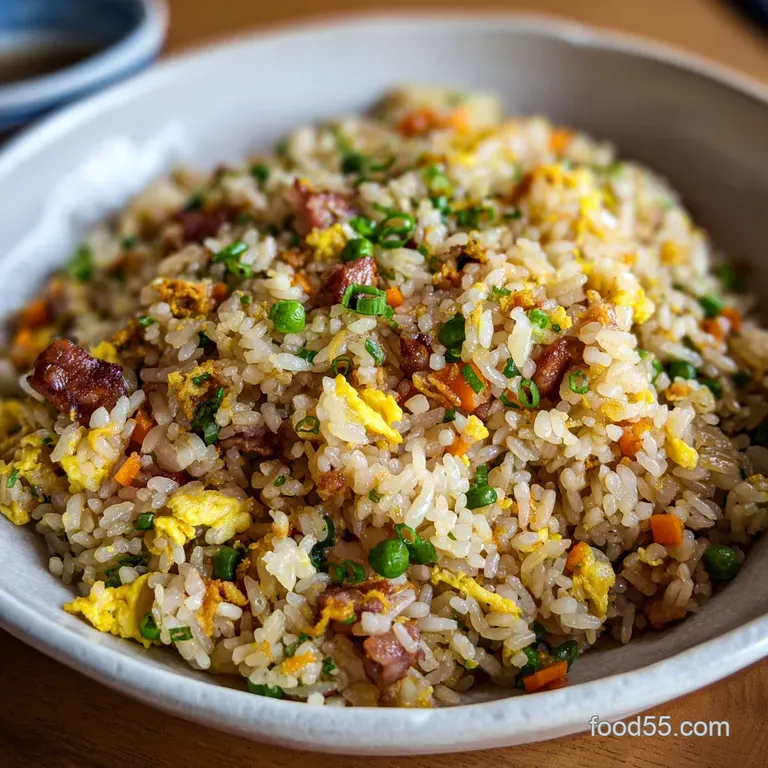
- Yakimeshi: The Essence of Japanese Comfort Food
- Essential Pantry Staples for Authentic Japanese Fried Rice
- The Science of Separated Grains: Why This Yakimeshi Recipe Triumphs
- Mastering the Stir-Fry: A Step-by-Step Guide to Perfect Yakimeshi
- Achieving Wok Hei (Or Home Kitchen Equivalent) for Yakimeshi
- What to Pair with Your Classic Japanese Fried Rice
- Maximizing Freshness: Storing and Reheating Yakimeshi
- Recipe FAQs
- 📝 Recipe Card
Yakimeshi: The Essence of Japanese Comfort Food
When that perfect cloud of steam hits you garlicky, slightly sweet, purely savoury you know you've nailed the ultimate comfort food. This classic Japanese Fried Rice is honestly my biggest weeknight obsession.
It’s light, it’s fluffy, and it never leaves that greasy coating on your tongue, which is a major win in my book.
Forget takeout menus; this Yakimeshi is faster, cheaper, and uses up that leftover rice you usually just throw out. It’s truly a lifesaver when you need dinner on the table in under 15 minutes, proving that culinary magic doesn't require complex ingredients.
Everyone should have a killer easy Fried Rice Recipe Easy in their back pocket for those emergency weeknights.
I’ve burned more batches than I care to admit, but I finally cracked the code to getting that perfect separated grain texture. We’re going deep on heat control, cold rice science, and the precise moment to add the shoyu .
This definitive Japanese Fried Rice guide will change the way you look at leftovers forever.
Defining Yakimeshi vs. Other Asian Fried Rice Styles
Look, when we talk about Japanese Fried Rice , we’re talking about Yakimeshi, sometimes called Chahan . What makes it distinctly Japanese, and not just another version of fried rice? It comes down to philosophy and ingredients.
While Chinese fried rice often leans on dark soy sauce for colour and richness, Yakimeshi is lighter in colour, focusing intensely on the pure flavour of the rice and the umami depth of shoyu and mirin . We keep the ingredient list relatively simple here.
The Critical Role of Umami in Japanese Fried Rice
Umami is the savoury fifth taste, and it’s non-negotiable for incredible Yakimeshi. In this recipe, the umami punch comes from high-quality Japanese Soy Sauce (Shoyu) combined with the slight fermentation and sweetness of mirin . That tiny bit of sugar we add?
It helps the shoyu caramelize, boosting that savoury depth and giving the rice a beautiful sheen. It’s all about layering flavor without drowning the delicate rice grains in heavy sauce.
A Quick Overview of Recipe Difficulty and Prep Time
Don't be scared by the high heat requirements; the difficulty level is really only moderate. The hardest part is making sure you have all your ingredients prepped and ready to go before you even turn on the burner.
Once the pan is hot, the clock is ticking, and the actual cooking time for this Japanese Fried Rice is aggressively fast.
Essential Pantry Staples for Authentic Japanese Fried Rice
You truly don't need exotic ingredients to master this dish. The secret lies in using quality Japanese staples for maximum impact. When making this Japanese Style Fried Rice , sourcing authentic shoyu makes a huge difference.
| Ingredient | Why We Use It | Substitution Notes |
|---|---|---|
| Cold Cooked Rice | Ensures separate, non-sticky grains. | Long grain Jasmine rice (must be cold and dry). |
| Japanese Shoyu | Cleaner, less aggressive saltiness than Chinese light soy. | Tamari or low-sodium Chinese light soy sauce. |
| Mirin | Essential sweetness and depth; helps caramelize the shoyu. | Dry sherry or 1/2 tsp sugar mixed with 1 Tbsp water. |
| Neutral Oil | High smoke point for over high heat frying. | Canola, rapeseed, peanut, or avocado oil. |
The Science of Separated Grains: Why This Yakimeshi Recipe Triumphs
This is where I learned my biggest lesson. I used to use warm rice because I was impatient. Result? Glue. Sticky, gummy, pathetic rice glue. This Easy Japanese Fried Rice relies entirely on the proper preparation of the foundation: the rice itself.
Detailed Notes on Choosing the Right Japanese Soy Sauce (Shoyu)
Don’t just grab the cheapest bottle off the shelf, my friend. Shoyu is milder, clearer, and generally contains less salt than standard Chinese light soy sauce. It imparts a more nuanced, sweet, and pure umami flavour that is key to achieving that signature Yakimeshi taste profile.
If you only have regular soy sauce, use 1/4 teaspoon less and add a dash more water to dilute the aggressive saltiness.
Why Day-Old Medium Grain Rice is Best for Yakimeshi
The short grain or medium grain Japanese rice variety (like Koshihikari or similar sushi rice) is naturally sticky when fresh and hot. When you cook it and then chill it overnight, the starch granules harden up and dry out.
This dryness prevents the rice from disintegrating into mush when it hits the high heat of the wok, ensuring every grain can stand on its own which is the hallmark of great Japanese Fried Rice .
Necessary Aromatics and Egg Preparation
We keep the aromatics simple: garlic, ginger, and spring onions. These three provide an incredibly fragrant foundation that defines the flavour profile of this Japanese Stir Fry Rice . For the eggs, beat them well but don't over season them yet; they'll get plenty of salt from the final sauce.
We want them cooked quickly and removed to prevent them from becoming tough or rubbery later.
Achieving the Fluffy, Non-Greasy Texture
The secret weapon here is the small addition of butter at the very end. The over high heat cook ensures the rice is dry, separated, and slightly crisp, but the final tablespoon of cold butter stirred through adds richness and sheen without making the dish feel heavy or oily.
It melts instantly and coats everything beautifully.
Flavor Layering: When to Introduce Shoyu and Mirin
Timing is everything. Do not add the liquids the shoyu and the mirin too early. If you pour them straight onto the cold rice while it’s clumping, you will steam the rice and halt the separation process. We wait until the rice grains are already separated, hot, and dry.
Pouring the sauce onto the hot surface of the pan causes it to instantly caramelize, delivering that wonderful roasted flavour directly to the rice.
Mastering the Stir Fry: A step-by-step Guide to Perfect Yakimeshi
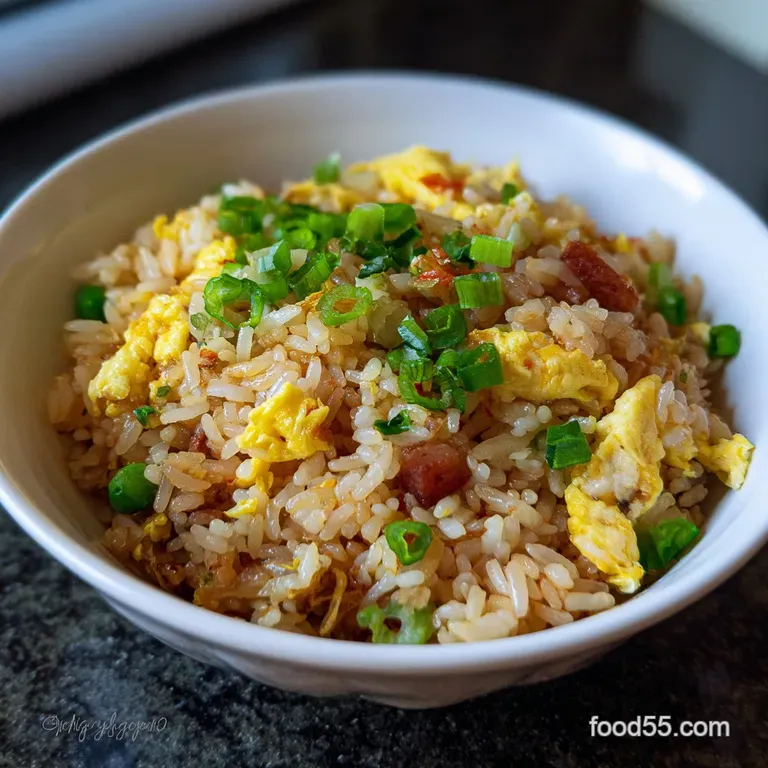
Remember what I said about speed? This whole process, once you start, should take less than ten minutes. This is a high speed cooking operation!
Step 1: Pre-Heating Your Pan to Maximize Heat Retention
Use the biggest, heaviest pan you own. If you have a cast iron skillet or a wok, use it. Get that pan screaming hot you want to see wisps of smoke coming off it before the oil goes in. This extreme heat is crucial for achieving that "Wok Hei" or smoky essence we're aiming for.
Step 2: The Egg Coating Technique (Tamago Dama)
Pour the beaten eggs into the hot oil and swirl the pan. As soon as the edges set, start scrambling them quickly. They should be soft, fluffy, and slightly undercooked when you pull them out. If you leave them in until they are totally firm, they will turn into rubbery little bits when reheated in the final toss.
Step 3: Integrating Rice Without Mashing
Add the cold rice immediately after searing your diced protein and softening the carrots. Use the flat edge of your metal spatula to aggressively chop and press the rice clumps against the hot surface of the pan. This breaks the clumps gently and maximizes contact with the heat.
Do not stir continuously at this stage; let it sit for a few seconds to brown slightly before tossing.
Step 4: The Final Seasoning Adjustment and Stir
Once the rice looks separated and has a nice, toasty smell (we’re talking 2– 3 minutes of over high heat stir frying), pour the shoyu and mirin directly onto the rice. Toss, toss, toss!
Reduce the heat to medium high, add your reserved eggs, the green parts of the spring onions, and that final tablespoon of butter. Stir until melted and glossy. Taste it now does it need a pinch of salt or a little more white pepper? You decide!
Achieving Wok Hei (Or Home Kitchen Equivalent) for Yakimeshi
"Wok Hei" translates to the "breath of the wok" that incredibly smoky, charred flavour that only comes from cooking over ridiculously high heat in a seasoned wok. Since most of us don't have industrial burners, we fake it with heat retention and the oil/sauce sizzle.
Keeping the pan hot and ensuring the shoyu flashes and caramelizes on the hot metal surface gives this Japanese Fried Rice that necessary aromatic depth. Always listen for the sizzle; if the sizzle stops, your heat is too low.
What to Pair with Your Classic Japanese Fried Rice
This specific Japanese Fried Rice is so versatile; it works as a main dish or a fantastic side dish. I often serve it alongside something crispy, like my popular Oven Baked Fried Chicken: Ultimate Crispy Cheat Recipe because the clean flavour of the rice cuts through the richness of the chicken.
Light Soups and Side Salads
A small bowl of simple Miso Soup or a refreshing side salad dressed with a light, acidic Japanese Ginger dressing is the perfect counterpoint to the savoury rice. You want something clean to reset the palate.
Suggested Beverages to Complement the Umami
I find that a dry beer or even a simple cold oolong tea works wonders. If you're feeling fancy, a dry sake (something not too sweet) really complements the subtle sweetness of the mirin in this Japanese Fried Rice .
Traditional Japanese Toppings and Garnishes
A light scattering of toasted sesame seeds is mandatory. You could also sprinkle on some shredded nori (dried seaweed) for an oceanic note, or a pinch of furikake (a dried seasoning blend) for extra complexity.
Maximizing Freshness: Storing and Reheating Yakimeshi
One of the best things about this Japanese Stir Fry Rice is that it reheats beautifully, largely because it started with cold, dry rice in the first place!
Troubleshooting Soggy or Clumped Rice
If your Yakimeshi ended up a bit soggy, it means one of two things happened: A) Your rice wasn't cold enough (it released starch), or B) Your pan was overcrowded (it steamed, instead of fried). Fix it next time by dividing the recipe in half and cooking in two separate batches.
The Best Oil for over High heat Stir Frying
Hands down, a neutral oil with a high smoke point canola, peanut, or grapeseed. Don't use olive oil here! You need that extreme heat to make the magic happen, and olive oil will smoke and burn, leaving a bitter taste in your beautiful Japanese Fried Rice .
Managing Heat: Avoiding the Dreaded Scorch Mark
I made this mistake when I first started: too much shoyu, too fast, without tossing immediately. The sugar in the sauce can burn instantly on a screaming hot pan. To avoid scorching, reduce the heat momentarily when you splash in the sauce, and start tossing immediately and vigorously.
Suggested Beverages to Complement the Umami
A cold, crisp Japanese lager like Sapporo or Asahi is fantastic. For a non-alcoholic option, try a simple, unsweetened Iced Green Tea. The slight bitterness of the tea cleanses the palate wonderfully between bites of savory Japanese Fried Rice .
Traditional Japanese Toppings and Garnishes
Keep it simple. A thin sheet of nori cut into slivers, or a little dish of pickled ginger ( gari ) for brightness. I sometimes finish my own easy Fried Rice Recipe Easy with a few drops of high-quality Japanese chili oil for a gentle heat kick right before serving.
Recipe FAQs
Why is my fried rice mushy or sticky instead of having separate grains?
Mushiness usually results from using fresh, hot rice, which retains too much moisture, or overcrowding the pan, which drastically lowers the cooking temperature. Always use cold, day-old rice straight from the refrigerator, and ensure you cook the ingredients in batches if necessary to maintain a very high heat and encourage moisture evaporation.
Can I use freshly cooked rice instead of day-old rice for Yakimeshi?
While technically possible, using fresh rice will almost certainly result in a sticky, gluey dish because the starches have not fully set. If you absolutely must use fresh rice, spread it thinly on a baking sheet and chill it in the freezer for about 15 minutes to rapidly dry the surface moisture before cooking.
This quick chilling process helps mimic the effect of day-old rice.
What gives Japanese Yakimeshi its characteristic "lighter" flavor compared to other Asian fried rice?
The lighter, cleaner flavor comes from the specific Japanese seasoning profile, relying primarily on clear shoyu (Japanese soy sauce) and a subtle hint of mirin (sweet rice wine). This combination provides deep umami without using dark soy sauces, which would otherwise provide heavy coloring and a rich, caramelized flavor often associated with Chinese varieties.
Can I make this Yakimeshi recipe fully vegan or vegetarian?
Absolutely. Substitute the traditional protein (like scrambled egg or chicken) with extra firm tofu that has been pressed and pan-fried until crispy. Ensure any stock used is vegetable broth, and replace any oyster sauce or fish sauce with mushroom soy sauce or a dash of liquid smoke for an equivalent boost of savory depth.
What is the best type of oil to use for achieving the perfect texture?
Vegetable oil, canola oil, or peanut oil are the ideal choices because they have high smoke points, which is crucial for cooking the rice rapidly over high heat without burning. For an authentic Japanese aroma, you can drizzle a tiny amount of toasted sesame oil over the finished dish right before serving, but avoid heating it for extended periods.
My rice tastes dry or lacks seasoning moisture. What went wrong?
Dryness often occurs if the rice was already overly dried out before starting the process, or if you simply overcooked it, evaporating too much residual moisture. Ensure you measure the seasoning accurately, and if the dish still feels too dry, quickly toss in 1-2 teaspoons of chicken stock or water right at the end to loosen the grains and reintroduce moisture.
How long can I safely store leftover Yakimeshi, and can I freeze it?
Yakimeshi is safe to store in an airtight container in the refrigerator for up to 3 to 4 days, ensuring it was cooled and stored promptly after cooking. It is generally not recommended to freeze fried rice, as the texture of both the rice grains and the diced vegetables will significantly degrade upon thawing and reheating, resulting in a soggy product.
Ultimate Japanese Fried Rice
Ingredients:
Instructions:
Nutrition Facts:
| Calories | 984 kcal |
|---|---|
| Protein | 30.6 g |
| Fat | 18.1 g |
| Carbs | 150.2 g |
