Slow Cooker Beef Brisket: the Ultimate Set-It-And-Forget-It Meal
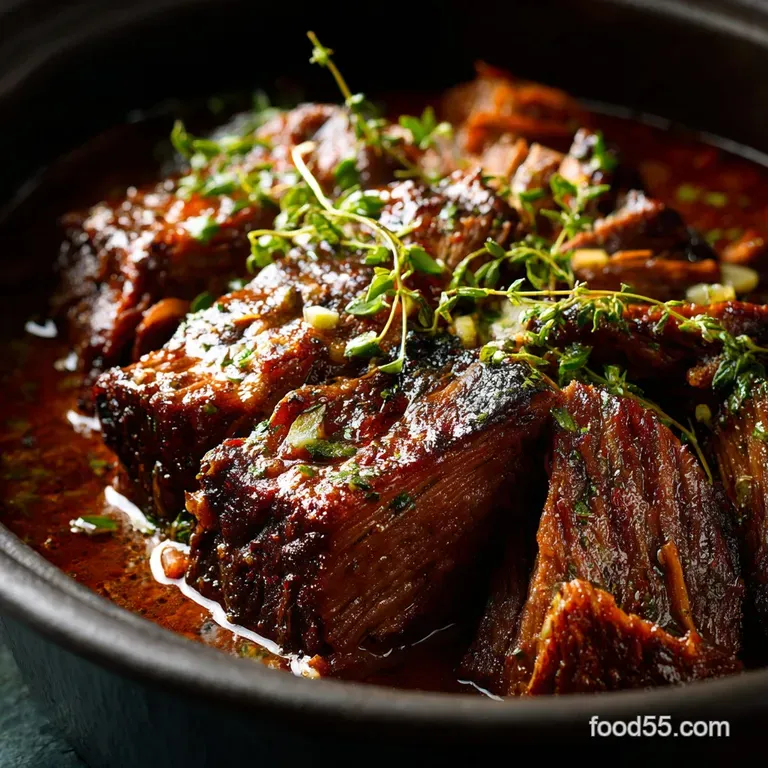
- Mastering the Art of Slow Cooker Brisket
- The Science Behind Melt-in-Your-Mouth Brisket
- Essential Components for the Ultimate Slow Cooker Beef Brisket
- Step-by-Step Guide: How to Make Set-It and Forget-It Brisket
- Troubleshooting and Chef Julian’s Expert Brisket Tips
- Storing, Freezing, and Reheating Your Brisket
- What to Serve Alongside Slow Cooker Beef Brisket
- Recipe FAQs
- 📝 Recipe Card
Mastering the Art of Slow Cooker Brisket
When that unmistakable, earthy aroma starts creeping out of the slow cooker, you know you’ve won. It’s that deep, savoury perfume of smoked paprika, garlic, and slow cooked meat that settles over your entire house. The goal here is meat so tender it literally shivers when you look at it.
Brisket, a notoriously tough cut, becomes effortless magic when you introduce it to the slow cooker. This isn't just a convenient recipe; it’s a brilliant cost saver that turns a cheap joint into a show stopping meal with almost zero active effort.
It’s perfect for those busy Sunday afternoons when you want pub-level comfort food, but need to stay planted on the couch.
This recipe is guaranteed to give you rich, succulent Slow Cooker Beef Brisket every single time. Forget dry, stringy results. We’re using a handful of smart techniques and a killer dry rub to ensure the meat comes out tasting like it simmered for three days, even though you just pressed a button.
Let's crack on with the good stuff.
The Science Behind Melt-in-Your Mouth Brisket
Why Brisket is Perfect for the Slow Cooker Method
Brisket comes from the lower chest of the cow, making it a very hardworking muscle. Because of all that effort, it’s packed with connective tissue called collagen, which makes it tough as old boots if you cook it fast. Slow cooking is the only way to tackle it effectively.
The long, gentle heat gently dissolves that collagen into gelatin, turning the meat juicy and impossibly tender. This is why the slow cooker is truly its natural habitat.
Achieving Pub-Style Tenderness at Home
We are essentially transforming a tough roast into a dish that rivals the best smoked Brisket Pot Roast you’ve ever had. We achieve this specific pub-style tenderness by ensuring the braising liquid contains two crucial ingredients: acid and savoury depth.
The acid cider vinegar in this case helps soften the fibres early on, while the stock and Worcestershire build that deep, savoury background flavour.
What Cut of Brisket Should I Buy?
You usually encounter two main parts of the brisket: the flat and the point. The flat is leaner, more uniform, and best for slicing if you want perfect, even portions. The point (sometimes called the deckle) is fattier and far better for shredding, which is perfect if you’re planning on making Slow Cooker Beef Brisket Tacos or sandwiches later.
I usually go for the flat because I love clean slices, but either cut works beautifully here.
The Collagen Conversion: Low and Slow Explained
The magic number for collagen breakdown is around 160°F (71°C). By keeping the slow cooker on the LOW setting, the meat stays right in that sweet spot for hours and hours. This prolonged exposure converts the collagen into sticky, lubricating gelatin.
Trust me, that gelatin is what makes your mouth feel like the meat is melting.
Building the Deeply Savoury Cooking Liquid
We don't just dump water in there. The cooking liquid serves two purposes: keeping the meat moist and becoming your rich, concentrated gravy. By starting with concentrated beef stock and adding bold flavour agents like Worcestershire sauce and smoked paprika in the rub, we ensure the meat is essentially marinating while it cooks.
This results in deeply flavourful Slow Cooked Brisket rather than just boiled meat.
Why We Sear the Brisket First (And Why It Matters)
Listen, you can skip the searing step. But you really shouldn't. Searing the brisket over high heat creates the Maillard reaction that incredible chemical process that builds a complex, browned crust. That crust equals deep, irreplaceable umami flavour.
If you skip the sear, you miss out on a layer of deep savouriness that truly sets this recipe apart from the competition.
Chef's Note: Searing also locks in the dry rub, making sure those wonderful spices stay close to the meat instead of washing away into the liquid too quickly.
Essential Components for the Ultimate Slow Cooker Beef Brisket
Making great brisket is all about balancing the simple components perfectly. Here’s what we use and what you can swap out if you're missing something in the cupboard.
Choosing the Right Aromatics and Spices
The rub is the heart of this dish. We lean heavily on smoked paprika because it gives the illusion that the brisket has been in a smoker all day, even though it’s been resting comfortably on your countertop.
The brown sugar balances the salt and helps the meat caramelise slightly during the sear.
| Ingredient | Role | Substitution |
|---|---|---|
| Beef Brisket (4.5 lbs) | Main Event | Use a large Chuck Roast or Beef Shoulder. |
| Smoked Paprika | Smoky Depth | Use regular Paprika + 1/2 tsp Liquid Smoke (use sparingly!). |
| Brown Sugar | Flavour Balance | Substitute with Coconut Sugar or 1 Tbsp Maple Syrup in the liquid. |
| Beef Stock (2 cups) | Braising Liquid Base | Use Vegetable Stock, or half Dark Lager/Ale for a deeper taste. |
| Apple Cider Vinegar | Necessary Acid | Substitute with White Wine Vinegar or fresh Lemon Juice. |
Liquid Base Alternatives for a Richer Gravy
I love using beef stock, but sometimes you need a different profile. For a sweeter, tangier sauce, substitute half the stock with Coca Cola (yes, really!) or Dr. Pepper. If you want a deeply complex, wine infused gravy, similar to what you might use with my Beef Ragu Pasta The Proper SlowCooked Sunday Supper Recipe , swap one cup of stock for a good dry red wine like Merlot.
Ensuring Quality: What to Look for in the Brisket Flat or Point
Look for meat that has good marbling throughout, which means small streaks of fat running through the muscle. Avoid pieces that look completely devoid of fat; they will dry out. If you choose the flat, make sure it still has a decent, 1/4 inch fat cap left on one side.
This ensures the meat stays juicy through the full 10 hour cook time.
step-by-step Guide: How to Make Set-It and Forget-It Brisket
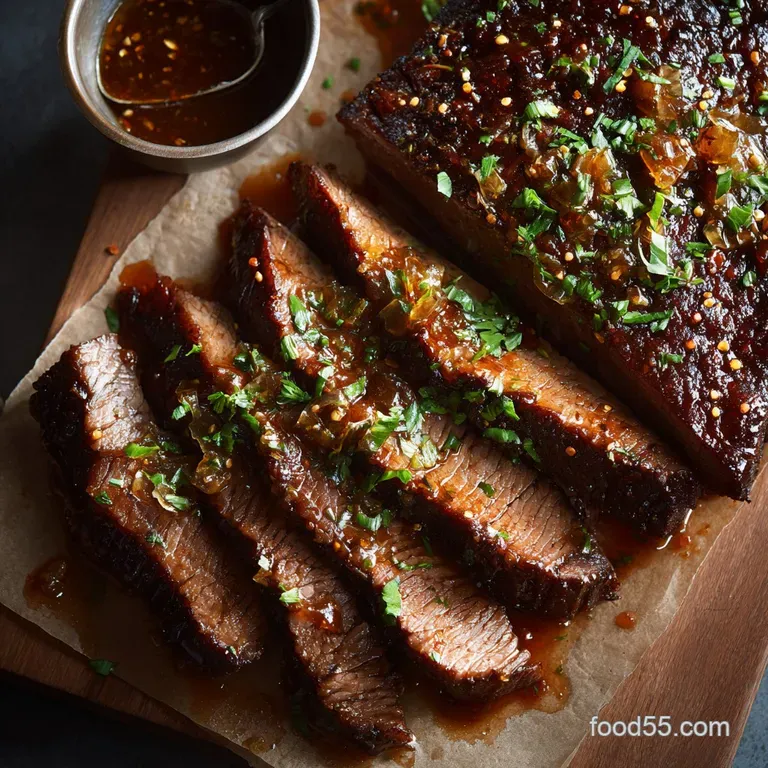
Follow these simple steps for perfect Slow Cooker Beef Brisket .
Prepping and Searing the Brisket Perfectly
- Prep the Meat: Take your brisket and pat it aggressively dry with paper towels; this is crucial for a good crust. Trim off any huge, hard chunks of fat, but leave a thin layer (the fat cap).
- Make the Rub: Mix your salt, pepper, sugars, and powders in a bowl. Rub this glorious mix all over the brisket, pressing it firmly into the meat so it sticks well.
- The High Heat Sear: Heat your oil in a skillet until it’s screaming hot. Place the brisket, fat-cap side down , into the pan and sear for 3– 4 minutes undisturbed until you have a deep mahogany crust. Flip it quickly and sear the other side for just 2 minutes.
Layering the Ingredients for Maximum Flavor Infusion
- Deglaze: Remove the brisket and place it in the slow cooker basin. Pour the beef stock, Worcestershire, and cider vinegar into the hot searing pan, scraping up all those browned bits stuck to the bottom. That's pure flavour, my friends.
- Build the Base: Pour that liquid over the brisket. Add the quartered onion and the bay leaf. The liquid should cover the brisket about halfway.
- Set the Time: Cover the slow cooker tightly. Cook on LOW for 8 to 10 hours . Don't be tempted to lift the lid, or you'll lose precious heat and moisture!
Setting the Cooker and Monitoring Temperature
Using the LOW setting is mandatory for this long cook. If you use the HIGH setting, you risk drying out the lean parts of the flat before the tough collagen has time to convert. If you’re checking the internal temperature for safety, it should easily reach 200°F to 205°F (93°C to 96°C) by the end, but the real sign of doneness is texture.
The Crucial Resting Period (And How to Slice It)
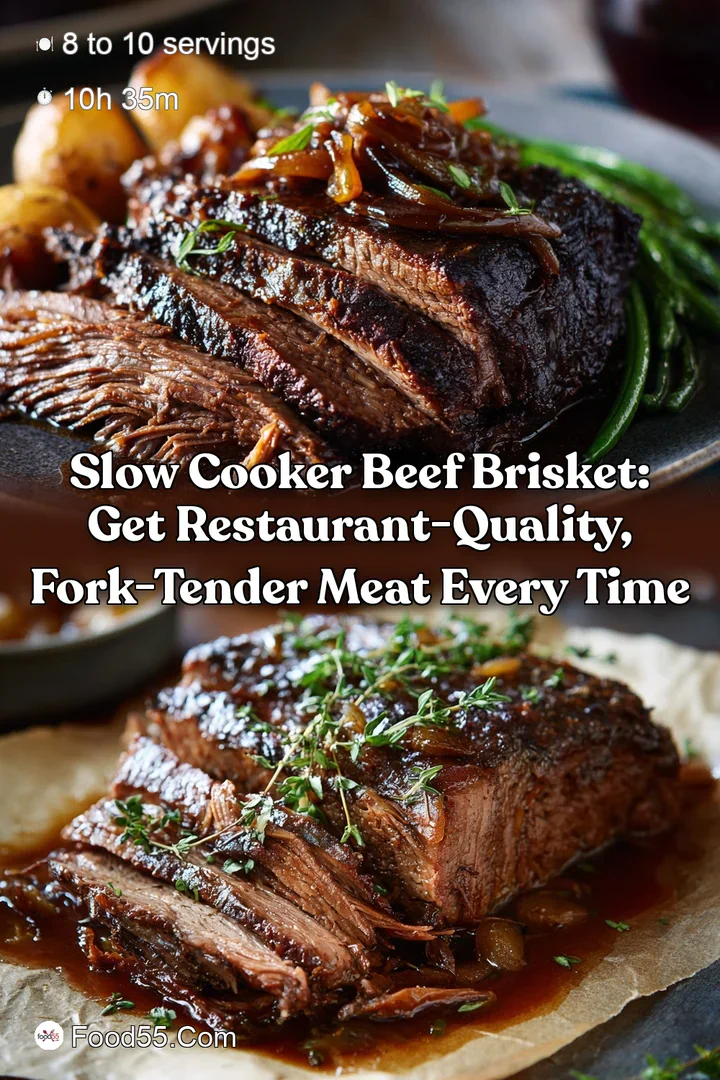
Once the brisket is done (it should jiggle and fall apart when poked), carefully lift it out and transfer it to a large cutting board. Tent it loosely with foil. Rest the meat for a minimum of 20 minutes. This is non-negotiable for juicy slices!
Slice the brisket against the grain —the fibres should run perpendicular to your knife blade for beautiful, tender slices.
Troubleshooting and Chef Julian’s Expert Brisket Tips
Mistake #1: Not Resting the Meat
I made this mistake when I first started cooking large roasts. I was too hungry and carved it immediately. Juices went everywhere, and the meat dried out instantly. When the brisket comes out of the heat, its internal pressure is high.
Resting allows the fibres to relax and reabsorb all those beautiful juices. If you skip this, you might as well pour a cup of water over the cutting board and watch your hard work drip away.
When is the Brisket Done? Testing for Tenderness
Forget about internal temperature until it hits that final threshold (200°F). The true test for a good Slow Cooked Brisket is the "probe tender" test. Use a fork or a skewer to probe the thickest part of the meat.
If it glides in easily with absolutely no resistance, like pushing the fork into warm butter, it’s done. If you feel any springiness or tightness, cover it up and give it another hour.
How to Thicken the Brisket Sauce (If Needed)
The braising liquid left behind is liquid gold. First, skim off any excess fat floating on top. Then, simmer the remaining liquid in a saucepan. Whisk together equal parts softened butter and flour (a beurre manié ); this makes a smooth thickener.
Whisk the butter mixture into the simmering sauce until it thickens to a nice, glossy gravy consistency.
Storing, Freezing, and Reheating Your Brisket
Best Practices for Refrigerating Leftovers
Once the brisket has cooled, slice it and store the slices submerged in the gravy/cooking juices in an airtight container. This is key! Storing the meat with the liquid ensures it retains moisture. It will keep beautifully in the fridge for up to 4 days.
Freezing Brisket and Its Cooking Juices
Does this Slow Cooker Beef Brisket freeze well? You bet it does. Pack the sliced or shredded meat in a freezer safe bag or container, making sure you include plenty of the strained gravy. Freeze flat for up to 3 months. The juices prevent freezer burn and keep the texture intact.
Reviving the Texture: Reheating Methods That Don’t Dry It Out
Never reheat slices in a microwave unless you enjoy chewing shoe leather. The best way is the oven method: place the meat and the gravy into an oven safe dish, cover it tightly with foil, and warm it low and slow (around 300°F / 150°C) until piping hot, about 20– 30 minutes.
The steam trapped under the foil rehydrates the meat gently.
What to Serve Alongside Slow Cooker Beef Brisket
This incredible Brisket Roast deserves partners that can stand up to its rich, smoky flavour.
- Creamy Comfort: Simple mashed potatoes are non-negotiable for soaking up that amazing gravy.
- The Southern Classic: This brisket is phenomenal paired with my Cornbread Casserole: The Easiest Hearty Beef and Bean Recipe . The subtle sweetness and hearty texture are just perfect.
- Freshness Factor: A crisp, vinegary coleslaw provides a much needed textural contrast.
- Root Vegetables: You can easily transform this into a traditional Slow Cooker Brisket Pot Roast with Potatoes and Carrots by adding these vegetables during the last 3 hours of cooking. Make sure they are submerged in the liquid.
Recipe FAQs
Why is my brisket still tough after the suggested cooking time?
Brisket is notoriously tough and relies entirely on temperature and time, not just the clock, for tenderness. If it is tough, it simply needs more time; continue cooking until the meat easily shreds or pulls apart with a fork, which signifies the connective tissue has completely broken down.
This usually happens when the internal temperature reaches 195°F to 205°F (90°C to 96°C).
Should I trim the fat cap before slow cooking the brisket?
It is highly recommended that you leave the fat cap intact while cooking in the slow cooker. The fat melts slowly over several hours, effectively basting the meat and ensuring maximum moisture retention and rich flavor.
You can always skim or trim away the rendered fat layer before serving if you prefer a leaner result.
Do I really need to sear the brisket before adding it to the slow cooker?
While searing is technically optional, as the slow cooker will cook the meat thoroughly, it is a crucial step for flavor development. Searing the exterior creates the Maillard reaction, which adds a deep, savory, complex crust and a better overall texture to the final dish.
I strongly recommend taking the extra five minutes to brown the brisket on all sides.
Can I use frozen brisket in the slow cooker?
For safety reasons, you should never place frozen meat directly into a slow cooker, as this keeps the meat in the USDA's "danger zone" (40°F 140°F) for too long. Always ensure your brisket is fully thawed in the refrigerator before starting the recipe to prevent bacterial growth and ensure even cooking.
My cooking liquid seems too thin; how can I thicken the sauce?
If your sauce is too watery, remove the cooked brisket and pour the remaining liquid into a small saucepan. Bring the liquid to a simmer, then mix 1 tablespoon of cornstarch with 2 tablespoons of cold water to create a slurry.
Slowly whisk the slurry into the simmering liquid until the sauce reaches your desired thickness.
What is the proper way to slice the finished brisket?
To achieve maximum tenderness, you must always slice the brisket against the grain of the meat. Look closely to identify the direction of the long muscle fibers, and use a sharp knife to slice perpendicular to them. Slicing against the grain shortens the fibers, making the meat far more tender and easier to chew.
How should I store leftover slow cooker brisket?
Leftover brisket should be stored in an airtight container in the refrigerator and consumed within three to four days. If freezing, slice the meat, place it in freezer bags with a small amount of the cooking liquid to prevent drying, and freeze for up to three months.
Ultimate Slow Cooker Beef Brisket Recipe
Ingredients:
Instructions:
Nutrition Facts:
| Calories | 344 kcal |
|---|---|
| Protein | 42.5 g |
| Fat | 10.6 g |
| Carbs | 10.5 g |
