Thanksgiving Recipes: the Ultimate Sage and Brown Butter Turkey Gravy
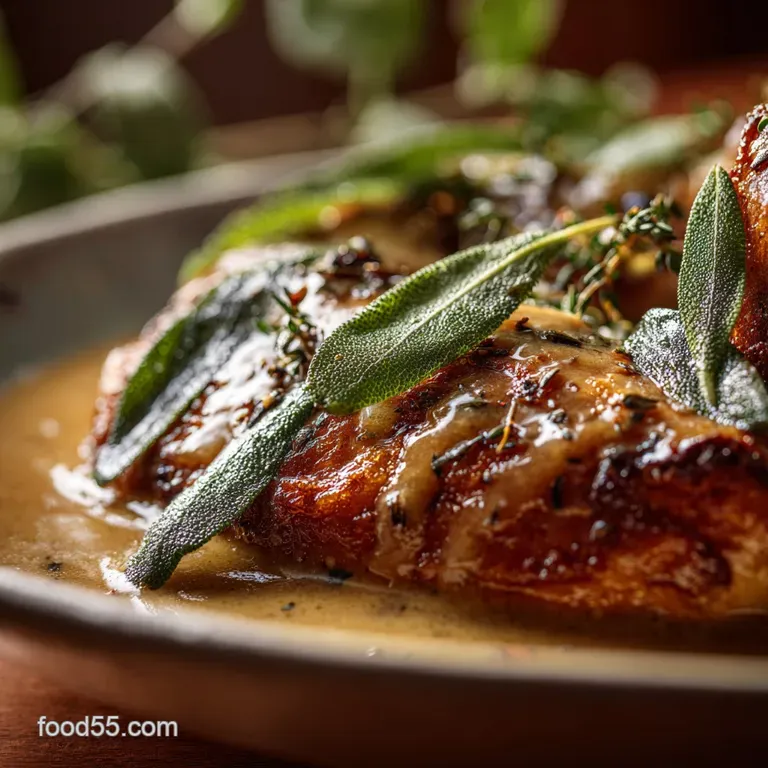
- Moving Beyond Bland: Why Brown Butter is the Gravy Secret Weapon
- The Star of the Show: Elevating Your Thanksgiving Recipes with Gravy
- Pantry Prep: Everything You Need for Perfect Turkey Gravy
- Essential Tools and Ingredient Notes
- Step and by-Step Gravy Mastery: The Cooking Process
- Building the Flavor Layers: A Detailed Guide
- Troubleshooting and Make and Ahead Tips for Stress and Free Thanksgiving Recipes
- Variations, Storage, and Serving Suggestions
- Recipe FAQs
- 📝 Recipe Card
Moving Beyond Bland: Why Brown Butter is the Gravy Secret Weapon
If you’re anything like me, you’ve spent years making Thanksgiving recipes that are absolutely stunning... right up until the gravy hits the table. Then it’s this pale, slightly salty, vaguely thick liquid that tastes mostly of panic and pre and made stock. No, thank you.
We are officially retiring that approach.
The secret to moving your gravy from "meh" to "holy cow, what is in this?" is brown butter. It’s that simple, yet completely transformative. Browning the butter isn't about making fat hotter; it’s about performing a small miracle.
As the milk solids caramelize, they release this incredible, nutty, toasted flavor think of the difference between plain white bread and fresh and baked brioche. It provides an instant depth that no amount of bouillon or scraping can mimic.
Honestly, if you only take one tip for your Easy Dishes For Thanksgiving this year, make it this one.
The Star of the Show: Elevating Your Thanksgiving Recipes with Gravy
We are aiming for a rich, complex sauce that complements the turkey instead of just covering it up. This is essential for truly great Thanksgiving Day Dishes. This whole technique takes maybe 15 extra minutes, max. Worth every second, trust me.
The Magic of Maillard: Unlocking Nutty, Deep Flavor
The Maillard reaction is just a fancy name for browning, whether it’s the crust on your roast turkey or the tiny particles in your butter. By cooking the butter gently until those solids turn golden brown, you are creating hundreds of new flavor compounds. It smells divine.
When you use this highly flavored fat as the base for your roux (the flour and fat paste), you are instantly building a profound, savory foundation. It’s brilliant.
Sage Infusion: Balancing Richness with Fresh Herbaceous Notes
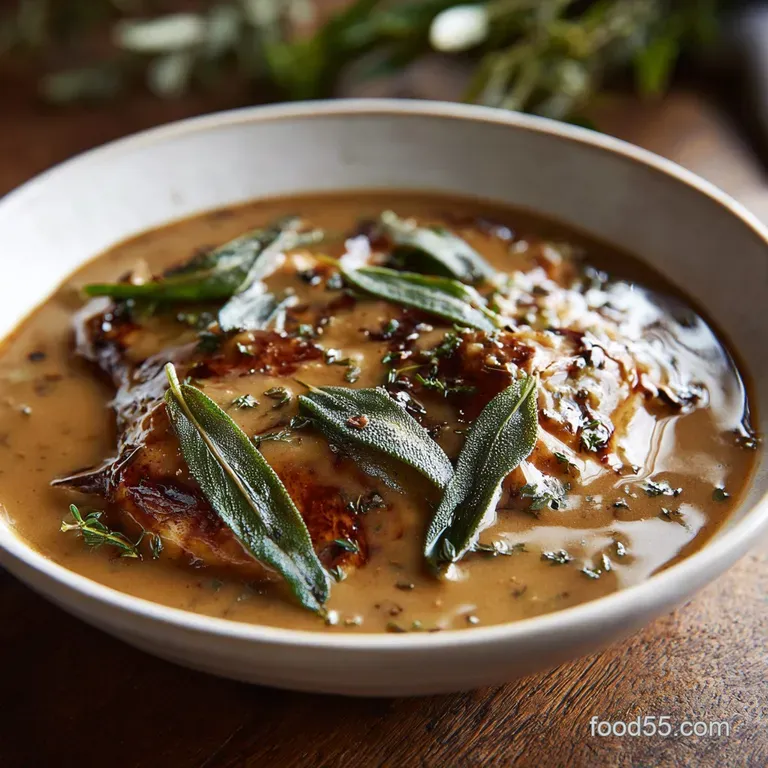
Gravy made only with pan drippings can sometimes taste a little heavy or one and note, especially after you've already demolished half a bird. That’s where fresh sage comes in. We don't just dump it in at the end. We gently crisp the fresh sage leaves in the brown butter right after it's browned.
This technique infuses the earthy, slightly piney flavor directly into the fat while slightly crisping the leaves. It provides a crucial lift, making the gravy taste complex and fresh, rather than just rich.
The Ultimate Test: Ensuring Zero Lumps, Maximum Smoothness
Lumps are the enemy of Thanksgiving sanity. Why do they happen? Usually, it's adding cold liquid to a hot, sticky roux. I used to make this mistake every single year. My mantra now is simple: Warm liquid meets warm roux.
We’ll go slow, whisking vigorously at the initial stage, and if the worst happens (it probably won't!), we have an excellent escape plan.
Why Store and Bought Powder Simply Won't Do This Year
Look, I get it. Thanksgiving is stressful. We are juggling a thousand things, often including trying to make Pretty Thanksgiving Food while simultaneously hosting family members. But the powdered stuff? It tastes like a shortcut.
It lacks the velvety mouthfeel and true, deep savory flavor that comes only from actual pan drippings and carefully cooked flour. For a holiday built on comfort and deep flavor, scratch and made is the only way to go. This is how we make memorable Thanksgiving recipes easy.
Pantry Prep: Everything You Need for Perfect Turkey Gravy
Before we even turn on the stove, we need to gather our crucial components. Remember that the quality of your stock dictates the quality of your gravy. Don't skimp on this part.
First, you need your fat: good unsalted butter, plus those glorious turkey pan drippings. (If you’ve skipped the aromatics under the bird, you’re missing out, but we can fix that with good stock!)
Next, the thickener: all and purpose flour. Then, the liquid: high and quality turkey or chicken stock, warmed , and strained drippings. Why warm the stock? See the lump issue above. Finally, our flavor boosters: fresh sage, a little shallot, salt, pepper, and that secret tiny pinch of nutmeg.
Yes, nutmeg. Trust me, it brings out the savory depth without making it taste like Christmas cookies.
Essential Tools and Ingredient Notes
Sourcing the Best Drippings: The Foundation of Flavor
This step actually happens during the turkey roast. Place carrots, celery, and onions under your bird to catch the juices. When the bird is done, pour all that liquid into a fat separator. These are inexpensive, and they are miraculous.
The fat rises right to the top, and you can pour the pure, intensely flavored stock (the drippings) from the bottom. We want about a half cup of those drippings for ultimate flavor concentration.
The Role of a Quality Thickener (Flour vs. Cornstarch)
This recipe uses flour for a classic roux, giving us that rich, opaque colour and texture. But what if you have a gluten allergy?
| Thickener | Best Use | Notes |
|---|---|---|
| All and Purpose Flour | Classic, Opaque Gravies | Best for a roux base; allows for browning and deep flavour. |
| Cornstarch/Slurry | Quick, Gluten and Free | Produces a shinier, more translucent gravy; added at the end. |
Crucial Equipment Check: Whisk and Saucepan Size Matters
Do not try to make gravy in a huge, shallow frying pan. We need a medium and sized saucepan (3 4 quart) with high sides to contain the vigorous whisking that’s about to happen. And your whisk? It needs to be a sturdy wire whisk, one that reaches the very edges of the pan.
This is your insurance policy against lumps forming in the corners.
Fresh vs. Dried Herbs: Making the Right Sage Choice
There is no contest here. Dried sage tastes like dust and sadness. Fresh sage is pungent, green, and smells incredible when fried lightly in butter. It adds an essential complexity to these Thanksgiving recipes ideas.
Buy a fresh bunch, chop it finely, and save a few whole leaves for garnish if you want that Pretty Thanksgiving Food presentation.
Related Recipes Worth Trying
- Caramelised Roasted Butternut Squash Recipes Maple Glaze and Crispy Sage — Foolproof Roasted Butternut Squash Recipes Achieve perfectly tender winter squash recipes with a silky maple glaze and aromatic crispy sage Simple to nail...
- Ultimate Sticky Toffee Pudding Recipe ALL RECIPES ON MYINCREDIBLERECIPESCOM — This is the definitive Classic British Comfort Food unbelievably moist Sticky Toffee Pudding soaked in rich salted caramel sauce Find ALL RECIPES ON...
- Royal Cranberry Brie Tarts Easy Elegant Thanksgiving Appetizers — These elegant Royal Tarts are the best Thanksgiving Appetizers Flaky puff pastry surrounds melting Brie and tart cranberry jam Theyre quick easy to make...
Step and by-Step Gravy Mastery: The Cooking Process
Right then. Let's crack on. This assumes your turkey is resting and you have your strained, skimmed drippings ready to go. Our main goal here is control: control the heat, control the pour.
Building the Flavor Layers: A Detailed Guide
Phase 1: Achieving the Perfect Brown Butter Stage
Get your saucepan over medium heat. Add the butter (plus a tablespoon or two of turkey fat if your drippings are low on fat). Let it melt. It will foam violently. Swirl it constantly. You'll hear the crackling die down. Keep watching.
Once you see tiny brown specks forming at the bottom and smell that distinct, nutty aroma (usually 4 to 6 minutes), pull it off the heat immediately. Toss in the chopped shallots and the fresh sage. Let the residual heat gently sauté them for 2 minutes.
Creating the Roux: Mastering the Butter and to-Flour Ratio
Return the pan to low heat. Sprinkle the flour directly over the butter mixture. Use your sturdy whisk or a wooden spoon and stir continuously. This is your roux. It should look like wet sand or thick peanut butter. Cook this mixture for at least 2 minutes, stirring non and stop.
This is incredibly important; it kills the raw flour taste. The roux should be a beautiful blonde or light caramel colour.
The Whisking Technique: Introducing Liquid Without Lumps
Here's the moment of truth.
- Deglaze (Optional but advised): If you're using white wine, splash it in now. Scrape up any browned bits on the bottom (that’s flavor gold, known as fond ). Let it bubble for 30 seconds.
- The Paste: Grab your warm stock/drippings. Pour in just about 1/4 cup of the liquid while whisking like your life depends on it. The mixture will seize up into a thick paste. Keep whisking until it’s perfectly smooth. This is the crucial stage for preventing lumps.
- The Stream: Once the paste is smooth, pour the remaining liquid in a steady, slow stream, whisking constantly. You should end up with a smooth, thin liquid right away.
Simmering and Seasoning: Flavor Adjustment Before Serving
Bring the gravy to a gentle simmer (tiny bubbles, not a rolling boil). Reduce the heat and let it simmer for 5 to 8 minutes, stirring frequently. It will visibly thicken as the flour granules absorb the liquid. When it coats the back of a spoon nicely, pull it off the heat.
Stir in the salt, pepper, and that pinch of nutmeg. Taste it! Does it need more salt? Often, yes. Be brave.
Troubleshooting and Make and Ahead Tips for Stress and Free Thanksgiving Recipes
Thanksgiving recipes don’t have to break you. Gravy is honestly one of the best things you can tackle ahead of time.
- Prep the Drippings: Strain and skim your drippings the night before. Label them.
- The Roux Base: You can make the brown butter roux up through the flour cooking step (Phase B) and store that thick paste in an airtight container in the fridge. When ready, simply heat the roux, add the warm liquid, and proceed.
- Keep it Warm: If you finish the gravy early, keep it warm in a slow cooker set to the "Keep Warm" setting, whisking occasionally. If it thickens too much, whisk in a splash of water or stock right before serving.
Crucial Warning: Never boil the gravy aggressively once it has thickened. High heat can cause the fat to separate from the liquid, resulting in a grainy texture. Gentle simmering is key.
Variations, Storage, and Serving Suggestions
Fixing Common Mistakes: Too Thin, Too Salty, or Grainy Gravy
Too Thin: The easiest fix. Make a quick cornstarch slurry (1 Tbsp cornstarch mixed with 2 Tbsp cold water). Whisk it into the simmering gravy and stir for 1 minute until it thickens.
Too Salty: Add a splash of heavy cream, milk, or a few tablespoons of unsalted stock. If it’s very salty, try adding a small, raw peeled potato (it absorbs salt) and simmer for 15 minutes before removing the potato.
Lumpy or Grainy:
- Pour the entire batch through a fine and mesh sieve into a new pan.
- If that doesn't work, pour the gravy into a blender (carefully, hot liquid expands!) and blitz it for 30 seconds. It will be silky smooth.
How to Prep This Gravy 48 Hours in Advance
Once fully cooked and cooled, store the gravy in an airtight container in the refrigerator. When it's time to reheat (gently, over low heat), it will look like firm jelly. That’s totally normal! Whisk it gently as it heats.
You will almost certainly need to add 1/4 to 1/2 cup of stock or water as it warms up to return it to the correct consistency.
Scaling Up: Adapting the Recipe for Large Thanksgiving Dinner Parties
If you are cooking for a crowd (more than 12 people), do not try to double the recipe in one pot. Making a massive roux is cumbersome and the temperature control becomes nearly impossible. Instead, make two separate batches in two different saucepans. It’s faster, safer, and guarantees silkiness for everyone.
Nutritional Snapshot and Allergen Substitutions
Let’s be real, this is Thanksgiving. We’re not counting calories, we’re counting memories. But for those who need alternatives, here are quick options:
- For a vegetarian approach, replace all turkey drippings and stock with rich mushroom or vegetable stock. Sautéing extra mushrooms (like shiitake) with the shallots adds necessary umami.
- If you need a dairy and free gravy, use a high and quality oil for the roux instead of butter, though you will, sadly, miss the glorious brown butter flavor.
Serve this golden river of flavor over literally everything: your mashed potatoes, your stuffing, even the dry bits of turkey you were worried about. It transforms the whole experience. Happy cooking!
Recipe FAQs
How do I stop my gravy being a lumpy disaster?
Lumps are usually caused by 'shocking' the flour; the golden rule is to always add warm stock very slowly to your hot roux, whisking vigorously from the centre outwards if all else fails, a quick whizz in a blender or straining through a fine sieve will sort it out, job done!
Can I make this as part of my Thanksgiving Recipes prep, or must it be fresh?
Absolutely, you can make this gravy up to two days ahead, which is a massive time saver for the big day; store it in the fridge, then reheat gently on the hob, adding a splash of extra stock if it thickens too much (which it inevitably will, sod’s law).
Help! My gravy is too thin have I ruined the whole shebang?
Not at all! You can easily fix a thin gravy by making a cornflour (cornstarch) slurry: mix 1 tablespoon of cornflour with 2 tablespoons of cold water, then whisk this mixture into your simmering gravy until it coats the back of a spoon nicely.
What if my turkey pan didn't yield many drippings?
Don’t fret over a lack of drippings; simply substitute the missing volume with extra high-quality, rich stock and consider adding a dash of soy sauce or Marmite for that intense savoury umami boost the drippings usually provide.
I have a vegetarian coming; can I still use this brown butter method?
Certainly; simply swap out the turkey stock and drippings entirely for a rich, high-quality mushroom or vegetable stock, and you'll get a beautiful vegetarian gravy increase the amount of brown butter and sage slightly to maximise flavour.
Ultimate Thanksgiving Brown Butter Gravy
Ingredients:
Instructions:
Nutrition Facts:
| Calories | 662 kcal |
|---|---|
| Protein | 34.1 g |
| Fat | 50.7 g |
| Carbs | 17.5 g |
