Velvety Baked Mac and Cheese Recipe
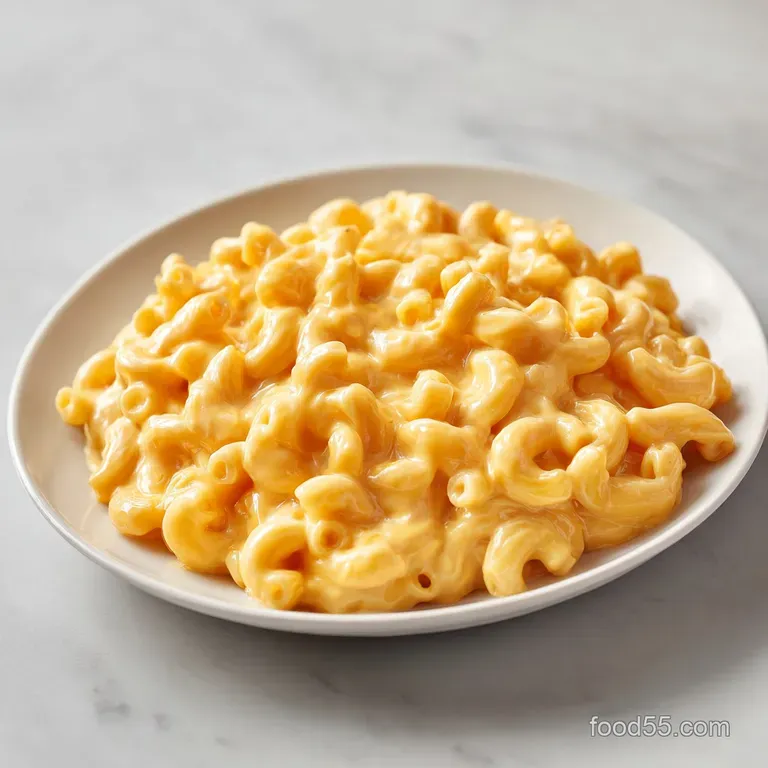
- Time: Active 20 mins, Passive 25 mins, Total 45 mins
- Flavor/Texture Hook: Sharp, smoky cheddar notes with a velvety, silk like mouthfeel
- Perfect for: Thanksgiving sides, Sunday family dinners, or potluck crowds
- The Physics of the Sauce
- Component Analysis and Selection
- Selecting Quality Ingredients and Substitutes
- Choosing the Right Kitchen Tools
- Mastering the Golden Baked Finish
- Fixing Sauce and Texture Issues
- Creative Tweaks for Extra Flavor
- Keeping and Using Your Leftovers
- Perfect Pairings for Your Table
- Scaling Your Cheese Feast
- Common Kitchen Folklore
- HIGH in Sodium
- Recipe FAQs
- 📝 Recipe Card
The Physics of the Sauce
Understanding the "how" behind the silkiness makes you a better cook instantly. We aren't just melting cheese; we are creating a stable emulsion that defies the laws of separation.
- Roux Stability: Mixing equal parts butter and flour coats the starch granules in fat, which prevents them from clumping and creates a thick, stable base for the milk.
- Casein Management: By adding the cheese off the heat, we prevent the proteins (casein) from tightening and becoming rubbery or "stringy" in an unpleasant way.
- Emulsification Bridge: Dry mustard powder contains natural compounds that help oil and water based liquids stay bonded, ensuring your sauce never breaks into an oily mess.
- The Grating Rule: Hand grating your cheese ensures the absence of potato starch or cellulose, which are the primary culprits behind a "sandy" or grainy texture in the finished dish.
| Thickness | Internal Temp | Rest Time | Visual Cue |
|---|---|---|---|
| 2 inch Casserole | 165°F (74°C) | 10 mins | Sauce stops bubbling at edges |
| 1 inch Sheet Pan | 160°F (71°C) | 5 mins | Crumbs are dark mahogany |
| Individual Ramekins | 165°F (74°C) | 3 mins | Center is slightly jiggly |
The resting period is probably the most ignored part of the process, but it is vital. If you scoop into it the second it leaves the oven, the sauce will be too fluid and run to the bottom of the bowl.
Giving it ten minutes allows the starches to set, resulting in that iconic, creamy "soul food" scoop that holds its shape just enough to feel substantial.
Component Analysis and Selection
Every single element in this mac and cheese recipe serves a specific structural or flavor purpose. If you swap one out, you change the chemistry of the entire bake.
| Ingredient | Science Role | Pro Secret |
|---|---|---|
| Whole Milk | Liquid Base | Use room temp milk to prevent the roux from seizing and forming lumps. |
| Sharp Cheddar | Flavor/Fat | Look for "Extra Sharp" for higher acidity, which cuts through the heavy cream. |
| Gruyère | Melting Point | This cheese has a high oil content and lower melting point for ultimate stretch. |
| Mustard Powder | Emulsifier | It adds no "mustard" flavor but provides a sharp back note that wakes up the palate. |
When it comes to the pasta, I'm a stickler for shapes with "roads." Elbows are classic, but cavatappi (those corkscrews) are the champions of the cheese world. They have more surface area and a hollow center that acts like a pipe for the sauce. You want that sauce inside the pasta, not just on it.
Selecting Quality Ingredients and Substitutes
For this dish to truly shine, we need to be picky about our fats and our solids. High fat butter (like a European style) makes a noticeably richer roux. If you're feeling fancy, you can even experiment with a Boursin Cheese Recipe inspired herb blend to fold in at the end for extra depth.
- 1 lb elbow macaroni or cavatappi
- Substitute with shells or penne. Why this? The hollow center traps the velvety sauce for a better bite to sauce ratio.
- 1/2 cup unsalted high fat butter
- Use salted butter but reduce the kosher salt by half.
- 1/2 cup all purpose flour
- Substitute with 1 to-1 gluten-free flour blend.
- 4 cups whole milk
- 2% milk works, but the sauce will be thinner.
- 1 cup heavy cream
- Substitute with half and half for a lighter (but less velvety) feel.
- 12 oz extra sharp cheddar
- Substitute with sharp white cheddar or Colby Jack. Why this? Aged cheddar provides the "zing" that keeps the dish from feeling flat.
- 8 oz Gruyère or Fontina
- Substitute with Gouda or Monterey Jack.
- 1 tsp dry mustard powder
- Substitute with 2 tsp Dijon mustard.
- 1/2 tsp smoked paprika
- Substitute with sweet paprika for less "fire" flavor.
- 1/4 tsp cayenne pepper
- Substitute with white pepper for heat without the red flecks.
The Shattering Topping1.5 cups panko breadcrumbs: Substitute with crushed butter crackers (like Ritz). Why this? Panko creates a more jagged, airy crunch than traditional fine breadcrumbs.1/2 cup Parmesan cheese: Substitute with Pecorino Romano for a saltier punch.
Choosing the Right Kitchen Tools
You don't need a professional kitchen, but a few specific items will make your life a lot easier. A heavy bottomed saucepan or a Dutch oven is non negotiable for the sauce. Thin pans have hot spots that will scorch your milk before you even get the cheese in there.
A balloon whisk is also your best friend here. When you're incorporating the milk into the flour and butter, you need to be aggressive. You aren't just stirring; you're emulsifying. If you see lumps, whisk harder! Finally, use a box grater for the cheese.
I know it’s a workout, but it’s the only way to ensure the sauce stays silky.
Chef’s Tip: Freeze your block of Gruyère for 15 minutes before grating. It’s a softer cheese, and the cold keeps it from turning into a mushy mess on the grater.
Mastering the Golden Baked Finish
The key to a successful mac and cheese recipe isn't just the mixing; it's the timing of the pasta. You have to boil it for exactly 7 minutes. It will feel a little too firm to eat, but remember, it’s going to sit in a hot "bath" of sauce in the oven for another 25 minutes.
If you cook it all the way on the stove, it will turn into mush in the oven.
1. Preparing the Al Dente Base
Bring a large pot of water to a rolling boil and add the 2 tablespoons of kosher salt. It should taste like the sea. Drop the 1 lb of pasta and set a timer for 7 minutes. Drain it and set it aside, but don't rinse it! The starch on the surface of the pasta helps the sauce stick.
2. Building the Mother Sauce
In your Dutch oven over medium heat, melt the 1/2 cup of butter until it starts to sizzle. Whisk in the 1/2 cup of flour and cook for about 2 minutes. You’re looking for a "blonde" roux it should smell slightly nutty but not turn brown.
Slowly stream in the 4 cups of milk and 1 cup of cream, whisking constantly.
3. Incorporating the Cheese Blend
Once the sauce has thickened enough to coat the back of a spoon, turn off the heat. This is crucial! If the sauce is boiling when you add the cheese, it will break. Stir in the mustard powder, paprika, cayenne, and black pepper.
Now, fold in your 12 oz of cheddar and 8 oz of Gruyère in handfuls, stirring until each batch is melted and velvety.
4. Achieving the Golden Crust
Fold the cooked pasta into the sauce until every piece is submerged. Pour the mixture into a 9x13 baking dish. In a small bowl, mix the 1.5 cups of panko with 2 tablespoons of melted butter and the 1/2 cup of Parmesan. Sprinkle this over the top evenly.
Bake at 350°F (180°C) for 25 minutes until the edges are bubbling and the top is a deep, golden brown.
Fixing Sauce and Texture Issues
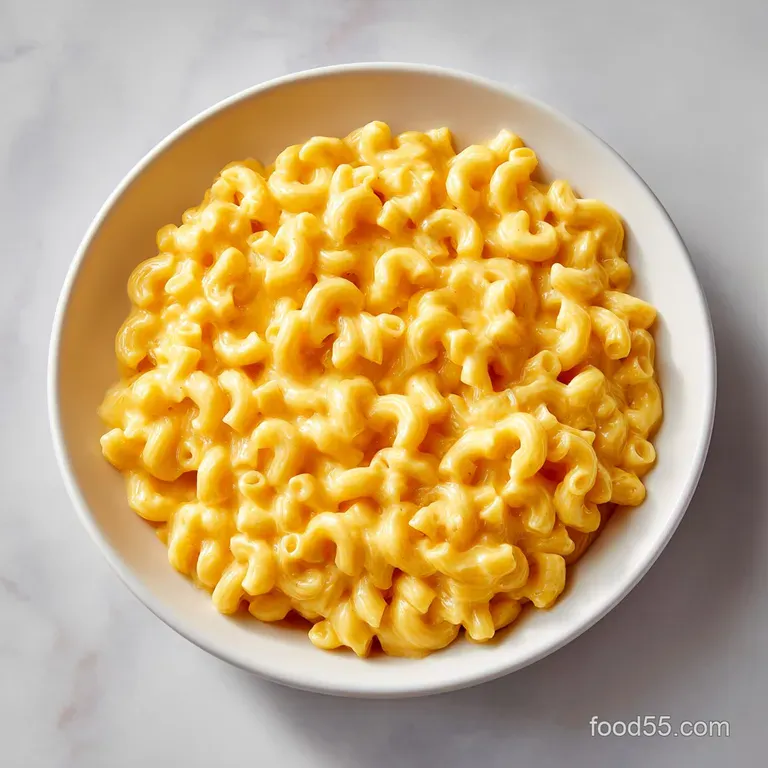
Sometimes things go south in the kitchen, but almost every mac and cheese disaster can be salvaged if you know what to look for. The most common heartbreak is a sauce that looks like curdled milk.
Why Your Sauce Separated
If you see pools of oil or a grainy texture, the heat was likely too high. High heat causes the proteins in the cheese to clump together and squeeze out the fat. This can also happen if you use "pre shredded" cheese, as the coatings prevent a smooth melt.
| Problem | Root Cause | Solution |
|---|---|---|
| Grainy Sauce | Heat was too high or used pre shredded cheese | Whisk in a splash of warm milk off the heat to re emulsify. |
| Dry Pasta | Pasta was overcooked or not enough sauce | Add 1/2 cup of warm milk to the dish before baking. |
| Bland Flavor | Not enough salt or acidity | Add a teaspoon of lemon juice or extra mustard powder. |
If you find yourself with a "broken" sauce on the stove, don't panic. Take it off the heat immediately and add a tablespoon of heavy cream. Whisk like your life depends on it. The cold fat in the cream can sometimes "pull" the emulsion back together before you pour it over the pasta.
Common Mistakes Checklist
- ✓ Always grate your own cheese from a block (prevents graininess).
- ✓ Never rinse your pasta after boiling (the starch is your glue).
- ✓ Turn the heat OFF before adding cheese to the sauce.
- ✓ Don't skip the dry mustard; it’s the secret to the flavor "pop."
- ✓ Let the dish rest for 10 minutes after baking to set the sauce.
Creative Tweaks for Extra Flavor
Once you've mastered the classic version, you can start playing with the profile. For a fall themed dinner, you might try a Stovetop Creamy Pumpkin recipe variation that adds an earthy sweetness to the sharp cheddar.
Channeling Soul Food Traditions
To give this a more "soul food" feel, some cooks like to add an egg to the sauce. To do this, temper one egg by whisking a little of the hot sauce into it, then stir the mixture back into the main pot. This creates a custard like set that is common in Southern style baked mac.
Creating a Mac and Cheese Recipe for Kids
If you're cooking for picky eaters, skip the Gruyère and cayenne. Stick to a blend of mild cheddar and Monterey Jack. You can also finely grate some carrots or cauliflower into the sauce they'll disappear into the orange hue of the cheddar, adding nutrients without the "veggie" complaints.
Keeping and Using Your Leftovers
This recipe makes a generous 8 servings, so you'll likely have some left. The fridge is your friend for about 3 to 5 days. Just make sure it’s in an airtight container so it doesn't soak up the smells of whatever else is in there.
- Fridge
- Keep for up to 5 days. To reheat, add a splash of milk and cover with foil to keep it from drying out.
- Freezer
- You can freeze the unbaked dish for up to 3 months. Bake it directly from frozen at 350°F, adding about 15-20 minutes to the cook time.
- Zero Waste Tip
- If you have small amounts of leftover mac, roll them into balls, dip them in egg wash and breadcrumbs, and air fry them at 400°F for 8 minutes. These "mac and cheese bites" are the ultimate snack!
Perfect Pairings for Your Table
Since this is a heavy, rich dish, I always recommend serving it alongside something bright and acidic. A crisp green salad with a lemon vinaigrette or some roasted broccoli with a squeeze of lime works wonders. It cuts through the fat and cleanses the palate for the next cheesy bite.
If you’re doing a full spread, this mac and cheese is the natural partner for BBQ pulled pork or a roasted chicken. It’s a cultural exchange of flavors the smoky meat against the sharp, velvety cheese. It’s all about creating those moments where the food facilitates the conversation.
Scaling Your Cheese Feast
If you're cooking for a smaller crowd, you can easily halve this recipe. Just use an 8x8 baking dish instead. The cook time will stay roughly the same, but keep an eye on it at the 20 minute mark to ensure the smaller surface area doesn't burn.
For a massive party (2x or 4x the recipe), work in batches with the roux. Making a giant pot of sauce can be tricky because the milk takes much longer to heat up, which can lead to scorching. Use 1.5x the spices instead of doubling them directly, as flavors like cayenne can become overwhelming in large quantities.
Common Kitchen Folklore
One of the biggest myths is that you need "expensive" artisanal cheese for a good mac. Honestly, a high-quality grocery store block of extra sharp cheddar is usually better than a $30 fancy wedge that doesn't melt well. The science of the melt matters more than the pedigree of the cow.
Another myth is that searing or "browning" the butter for the roux makes the sauce better. While brown butter is great for cookies, in mac and cheese, it can make the sauce look "dirty" and adds a toasted flavor that competes too much with the sharp cheese.
Stick to the blonde roux for a cleaner, more traditional profile.

HIGH in Sodium
1065 mg 1065 mg of sodium per serving (46% 46% of daily value)
The American Heart Association recommends limiting sodium intake to about 2,300mg per day for most adults.
Tips to Reduce Sodium in Your Mac & Cheese
-
Low-Sodium Cheese-20%
Substitute regular cheddar, Gruyère, and Parmesan with their low-sodium or reduced sodium versions. This can significantly lower the sodium content, as cheese is a major contributor.
-
Reduce Added Salt-15%
Eliminate the 2 tbsp of kosher salt when cooking the pasta. Taste the dish before adding any additional salt at the end. The cheese provides a significant amount of sodium already.
-
Unsalted Butter-10%
Ensure you are using unsalted butter as specified in the recipe, and do not add any additional salt when melting the butter for the panko topping.
-
Low-Sodium Milk-5%
While whole milk has relatively low sodium, using a low-sodium milk option will only help. Skim milk will work too to cut fat and sodium.
-
Spice it Up!
Enhance the flavor with sodium free spices and herbs like garlic powder, onion powder, black pepper, or fresh parsley instead of relying on salt. The recipe already includes delicious spices; consider adding more!
Recipe FAQs
What is the secret to the best macaroni and cheese?
Hand grating the cheese yourself. Pre-shredded cheese contains starches and cellulose to prevent clumping, which results in a grainy or sandy texture when melted into a sauce.
What ingredients does mac and cheese need?
Flour, butter, milk/cream, cheese, pasta, and seasoning. The butter and flour create a roux, which stabilizes the milk to form the béchamel base for the cheese sauce.
What is the best cheese for mac and cheese?
A blend is best, prioritizing Extra Sharp Cheddar and Gruyère. Cheddar provides the necessary tang and flavor depth, while Gruyère melts beautifully, offering stretch and creaminess to the emulsion.
How to make the best macaroni cheese?
Build a stable roux, add cheese off the heat, and bake until the edges are bubbling. Cooking the pasta only until al dente (7 minutes) ensures it finishes cooking in the sauce without becoming mushy in the oven.
Should I use a heavy bottomed pot or a thin saucepan?
No, use a heavy bottomed saucepan or Dutch oven for the sauce. Thin pans create hot spots which will scorch the milk in the roux, resulting in lumps and potential burning on the bottom.
Is it true I must let the mac and cheese rest after baking?
Yes, a mandatory 10-minute rest after baking is crucial for texture. This resting period allows the starches in the sauce to fully set up, ensuring your scoop holds its shape instead of running out like soup.
Can I substitute the dry mustard powder with something else?
Yes, substitute dry mustard with Dijon mustard, but use double the amount. The dry mustard acts as an emulsifier that helps stabilize the fat and water in the sauce; if you enjoyed mastering that balancing act, the same principle applies when making a stable emulsion in our Homemade Creamy Salmon recipe.
Velvety Baked Mac Cheese
Ingredients:
Instructions:
Nutrition Facts:
| Calories | 884 kcal |
|---|---|
| Protein | 34.4 g |
| Fat | 55.8 g |
| Carbs | 63.8 g |
| Fiber | 2.4 g |
| Sugar | 8.2 g |
| Sodium | 1065 mg |
