Tomato Basil Soup: the Velvety San Marzano Classic

- The Ultimate Velvety San Marzano Tomato and Basil Soup: A Culinary Hug
- Achieving Culinary Harmony: The Science of Acidity and Smoothness
- Essential Components and Flavor Enhancers for Maximum Depth
- Mastering the Method: Step-by-Step for the Ultimate Creamy Tomato Soup
- Troubleshooting and Pro Tips from the Kitchen
- Make Ahead: Storing, Freezing, and Reheating Instructions
- Elevating the Experience: The Best Pairings for Tomato Basil Comfort
- Recipe FAQs
- 📝 Recipe Card
The Ultimate Velvety San Marzano Tomato and Basil Soup: A Culinary Hug
When that first whisper of garlic hits the hot butter, mingling with the earthy sweetness of sautéed onion, you know exactly what’s coming. It’s the smell of pure, unadulterated comfort.
We're talking about the best Tomato Basil Soup you will ever make silky smooth, intensely flavorful, and capable of erasing any bad day you’ve ever had.
This version is ridiculously vibrant and doesn't taste like it came out of a can, even though we are totally using canned tomatoes.
Honestly, this Tomato Basil Soup recipe is a weeknight lifesaver. It takes maybe 15 minutes of active work, and then it just simmers away, doing its own deep flavor thing while you put your feet up.
It’s cheap, incredibly healthy, and freezes like an absolute dream, making it the king of batch cooking. If you have quality tomatoes, you basically have a gourmet meal waiting to happen.
Forget those thin, metallic bowls of sadness you remember from childhood; we are aiming for thick, rich, restaurant level quality. I’ve learned all the tricks to neutralize acidity and guarantee that perfect, creamy texture every time.
Let’s get you cooking the ultimate homemade Tomato Basil Soup .
Achieving Culinary Harmony: The Science of Acidity and Smoothness
People think great soup is about complicated technique, but I'm here to tell you it’s all about balance. The true magic in a classic Creamy Tomato Basil Soup lies in understanding how the sweet, savory, and acidic notes interact.
Skip any of these steps, and you risk ending up with something that tastes vaguely like Italian cleaning fluid. Trust me, I made that mistake early in my cooking career, and it was rough.
Defining the Perfect Consistency: Velvety vs. Rustic
Do you want a rustic, chunky soup, or a luxurious, velvety finish? While some folks prefer bits of tomato peel and seed floating around, my heart belongs to the smooth version. If you are going for that elegant, restaurant style Tomato Basil Soup , you must use a high powered blender or, better yet, strain the soup after blending.
This removes all the tough bits that contribute to a grainy mouthfeel.
The Secret Weapon: Why San Marzano Tomatoes Reign Supreme
If you are going to splurge on one thing for your Homemade Tomato Basil Soup , make it the tomatoes. San Marzano tomatoes, specifically D.O.P. certified ones, have a thinner skin, fewer seeds, and a lower inherent acidity compared to standard plum tomatoes.
This means they are naturally sweeter and require less intervention (i.e., less sugar) to taste amazing. A great Classic Tomato Basil Soup starts with a great tomato base.
A Brief History of Comfort: The Tomato Basil Classic
Before this soup became a grilled cheese sidekick, the simple combination of cooked tomatoes and herbs was foundational to Italian cooking. The addition of cream came much later, often as a way to stretch out ingredients or soften the powerful acidity of seasonal tomatoes.
Every culture has its version of a simple, nourishing vegetable soup, and this Simple Tomato Soup Recipe is ours. When I first started blending my own, I realized how much better the fresh basil flavor punches through.
Muting the Acidity: The Role of Baking Soda in Balancing Flavor
Wait, baking soda? Yes! This is my absolute favorite trick. If you taste your soup and it’s too tart or metallic, adding a tiny pinch of baking soda I mean, 1/8 of a teaspoon max —will instantly neutralize some of that overwhelming acid. Science!
It reacts with the acid, creating tiny bubbles, which is why you must add it off the heat or risk a fizzy, overflowing mess. This step guarantees a perfectly balanced and non-metallic tasting Best Tomato Soup Recipe .
Building the Flavor Base: Slow Sautéing Aromatics
If your onions are merely translucent, you haven't gone far enough. The base of this soup relies on melting down the onions and garlic until they are incredibly soft and sweet, almost jammy.
This slow process of cooking them in butter and olive oil coaxes out their sugars, creating a foundational layer of savory sweetness that supports the tomatoes brilliantly. Do not rush this step.
Emulsifying for Smoothness: Blending Techniques for a Velvety Finish
The difference between a watery soup and a rich, substantial Creamy Tomato Basil Soup is often how you blend it. Blending vigorously not only breaks down solids but also emulsifies the fats (from the butter/oil and cream) with the liquid.
This process results in a thicker, silkier texture without needing flour or thickeners.
Essential Components and Flavor Enhancers for Maximum Depth
Choosing the Right Basil: Freshness is Non-Negotiable
Please, please, only use fresh basil here. Dried basil simply won't cut it; it lacks the aromatic oils that give Tomato Basil Soup its signature perfume. We want that vibrant, slightly peppery scent.
I recommend adding the bulk of the basil only after the soup has finished simmering and right before blending, or even after blending, to preserve its bright green color and intense flavor.
Dairy Choices: Heavy Cream vs. Non-Dairy Alternatives (The Texture Impact)
Heavy cream (or double cream) is the gold standard because of its high fat content, which prevents curdling and adds that luxurious mouthfeel. However, you have options!
| Ingredient | Substitution | Texture/Flavor Impact |
|---|---|---|
| Heavy Cream | Cashew Cream (soaked & blended) | Neutral flavor, excellent thickness. |
| Heavy Cream | Full Fat Coconut Milk | Adds richness; might impart a slight coconut flavor (less noticeable here than in, say, Ham and Potato Soup: The Ultimate Creamy Leftover Ham Recipe ). |
| Butter | Extra Virgin Olive Oil | Slightly less rich texture, but still delicious. |
Stock vs. Water: Maximizing Depth of Flavor
Using good quality stock is vital for the Best Tomato Soup Recipe . Chicken stock (low-sodium) adds a beautiful savory depth that vegetable stock mirrors well. Water, on the other hand, will thin out the flavor considerably, leaving you with a soup that tastes primarily of just tomatoes.
Don't waste your time! Stock provides the robust backbone that makes this Tomato Basil Soup truly unforgettable.
Should I Use Fresh Tomatoes? (When to Make the Exception)
This is a seasonal question. If it's the dead of winter, stick to high-quality canned San Marzanos they are often superior because they are picked at peak ripeness. However, if it's the height of summer and you have access to gorgeous, juicy heirloom or garden tomatoes, absolutely roast them first!
Roasting intensifies their sweetness and adds a deeper, more caramelized note to your Tomato Soup With Fresh Tomatoes . Just remember to blanch and peel them for a smoother finish.
Mastering the Method: step-by-step for the Ultimate Creamy Tomato Soup
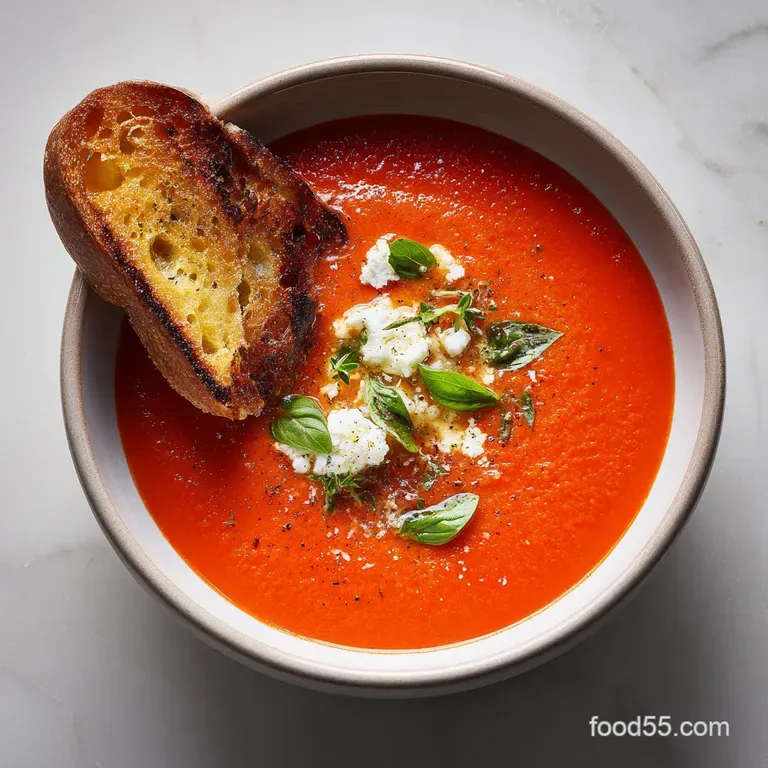
This is the streamlined process that guarantees perfect flavor and texture for your next batch of homemade Easy Tomato Basil Soup Recipe .
Prepping the Aromatics and Deglazing the Pot
Start by gently melting 2 tablespoons of butter with 1 tablespoon of olive oil in a heavy bottomed pot. Add your diced onion along with a generous pinch of salt. Cook this low and slow for 8 to 10 minutes until the onions are practically dissolving.
Then, toss in the minced garlic and dried oregano. Cook for just one minute garlic burns fast, and burnt garlic is bitter garlic.
Simmering to Perfection: Allowing the Flavors to Meld
Once the aromatics are fragrant, it’s time for the tomatoes and stock. Pour in the crushed tomatoes and 4 cups of stock, stirring in your teaspoon of sugar. Bring the whole pot to a gentle simmer, then reduce the heat immediately. Let this gentle bubble continue for 20 minutes, uncovered.
This concentrates the flavor significantly and fully breaks down the tomato solids.
Chef’s Note: Simmering is not boiling. A hard boil will reduce the liquid too quickly and can sometimes break the emulsion, leading to a thinner, less cohesive soup. Keep it gentle.
The Blending Phase: Achieving That Silky, Seedless Texture
Remove the pot from the heat this is crucial for safety and preventing basil oxidation. Use an immersion blender directly in the pot, whizzing until every speck of onion and tomato skin is gone.
If you want truly unparalleled smoothness (like that velvet texture), strain the blended Tomato Basil Soup through a fine mesh sieve back into a clean pot. This step removes all remaining seeds and tough fibers.
The Final Touch: Incorporating Fresh Basil and Cream
Return the soup to very low heat. Stir in the heavy cream (if using) and the fresh, chopped basil. Heat only for about 60 seconds. We are just warming the ingredients through; boiling the cream or the basil at this stage will ruin both the texture and the color.
Taste and season perfectly: Add salt until it sings and pepper until it bites back. You have officially perfected your Creamy Tomato Basil Soup !
Troubleshooting and Pro Tips from the Kitchen
I’ve had my share of kitchen catastrophes, from scorched tomato pots to soup that tasted like a battery. Here are the fixes I swear by for making a stunning Tomato Basil Soup every single time.
How to Fix Soup That Tastes Too Sour or Metallic
If your soup is too acidic, it's often a sign the tomatoes weren't ripe enough, or you skimped on the initial seasoning. First, add another pinch of sugar it brightens the flavor without tasting overtly sweet.
If that doesn't work, take the pot off the heat and stir in that tiny pinch (1/8 tsp) of baking soda. It works wonders. For soup that tastes weak, let it simmer uncovered for an extra 10 minutes to further concentrate the flavors.
Getting the Most Basil Flavor Without Bitterness
The secret to maximizing that gorgeous basil punch is avoiding heat. Basil is highly sensitive. If you cook it for too long, it turns olive drab and tastes earthy, not fresh. Always add the majority of your basil right at the end or even after the pot is off the heat.
Reserve some for a garnish, too!
Recommended Equipment: Immersion Blender vs. High Speed
If you make soup often, invest in an immersion blender. It saves so much time and mess compared to transferring hot liquid in batches to a standard blender. However, a high speed countertop blender (like a Vitamix) will achieve a truly superior, micro smooth consistency, breaking down those fibers perfectly.
Just remember the hot liquid rule: fill only halfway, and vent the lid!
make-ahead: Storing, Freezing, and Reheating Instructions
One of the great joys of making this Tomato Basil Soup is knowing you have future meals tucked away.
Safe Freezing Protocol for Dairy Based Soups
If you plan to freeze your Tomato Basil Soup , do not add the cream or basil until you reheat it. Dairy products, especially those with lower fat content, often separate or become grainy once thawed.
Freeze the tomato base first in airtight containers (leaving headspace for expansion). When you thaw it, heat it gently on the stove and stir in the cream and fresh basil leaves right before serving.
Best Practice for Reheating to Avoid Separation
Always reheat soup slowly over medium low heat. If you froze the base without cream, add the cream right after it’s hot. If you did freeze the finished Creamy Tomato Basil Soup and notice separation upon reheating, don't panic!
Whisk it vigorously with an immersion blender for 30 seconds, and it will often come right back together.
How Long Does Fresh Homemade Soup Last?
If you keep it sealed in an airtight container, this soup lasts beautifully in the refrigerator for 4 to 5 days. Anything beyond that, I strongly recommend freezing.
Elevating the Experience: The Best Pairings for Tomato Basil Comfort
While we all adore the classic grilled cheese pairing, there are so many ways to enjoy this beautiful Tomato Basil Soup . It’s rich enough to stand on its own but plays well with savory, salty companions.
I love serving this soup with a side of bruschetta, or perhaps something fresh and tangy like my recipe for Burrata and Roasted Asparagus and Tomato Salad: Easy Seasonal Recipe . The creamy burrata offers a wonderful contrast to the soup’s acidity. For a fuller meal, you might consider contrasting textures, such as serving it alongside a hearty bowl of Chili Butternut Squash Soup with White Beans Ultra Creamy Vegan Supper for a contrasting color and spice profile, making for a truly spectacular winter spread.
This simple, beautiful Tomato Basil Soup is more than just dinner; it’s kitchen therapy. Master the balance, and you’ll have a lifetime recipe you turn to again and again. Go make some magic!
Recipe FAQs
Why isn't my soup truly 'velvety' or smooth?
A truly velvety texture relies on powerful blending and potentially straining. Ensure you use a high speed blender or immersion blender and process the soup for at least 60 seconds after simmering, ensuring all tomato fibers are broken down.
If any grit remains, strain the finished soup through a fine mesh sieve before serving to catch any remaining seeds or tougher solids.
My soup tastes too acidic; how do I balance the flavor?
Acidity is common when working with large quantities of tomatoes. To fix this, first, stir in a tiny pinch of baking soda (about 1/8 teaspoon) to neutralize some of the acid. Once the fizzing stops, add a teaspoon of granulated sugar or honey to enhance the natural sweetness of the tomatoes and round out the overall flavor profile.
Can I use dried basil instead of fresh basil?
While you can substitute dried basil in a pinch, it lacks the bright, fragrant lift that defines this classic soup. If substituting, use about 1/3 the amount of dried basil compared to fresh, and add it early during the simmering stage to allow its flavors to rehydrate and deepen.
For the best result, always use fresh basil leaves stirred in right before serving.
How do I make this soup vegan or dairy-free while maintaining creaminess?
If the recipe calls for heavy cream, substitute it with full fat coconut milk (for a subtle, pleasant flavor) or cashew cream. Alternatively, stirring in a quarter cup of soaked and blended white beans (like cannellini) will add significant body and creaminess without altering the flavor profile whatsoever.
What is the best way to store and freeze Tomato Basil Soup?
This soup is excellent for meal prep and stores well in an airtight container in the refrigerator for up to five days. To freeze, cool the soup completely and transfer it to freezer safe containers, ensuring you leave about an inch of headspace if you plan to freeze it for up to three months.
Note that if you added dairy, the soup may separate slightly upon thawing, but a quick whisk during reheating will emulsify it again.
I don't have San Marzano tomatoes; what is the best alternative?
San Marzano tomatoes are prized for their low acidity and superior sweetness, making them ideal for velvety soups. If unavailable, look for high-quality imported whole peeled tomatoes labeled 'D.O.P.' or choose fire roasted canned tomatoes for an added layer of smoky depth.
Avoid standard diced tomatoes, as the calcium chloride added to them inhibits them from breaking down completely.
What are the ideal toppings or pairings for this soup?
The quintessential pairing is a grilled cheese sandwich, preferably made with aged cheddar or Gruyère cheese. For toppings, a swirl of extra virgin olive oil, a dollop of crème fraîche, or crunchy homemade croutons are recommended.
You could also sprinkle a small amount of freshly grated Parmesan or Pecorino Romano cheese over the top.
Velvety San Marzano Tomato Basil Soup
Ingredients:
Instructions:
Nutrition Facts:
| Calories | 260 kcal |
|---|---|
| Protein | 8.8 g |
| Fat | 16.6 g |
| Carbs | 24.1 g |
