The Perfect Allrounder Stir Fry Sauce Umami Gold
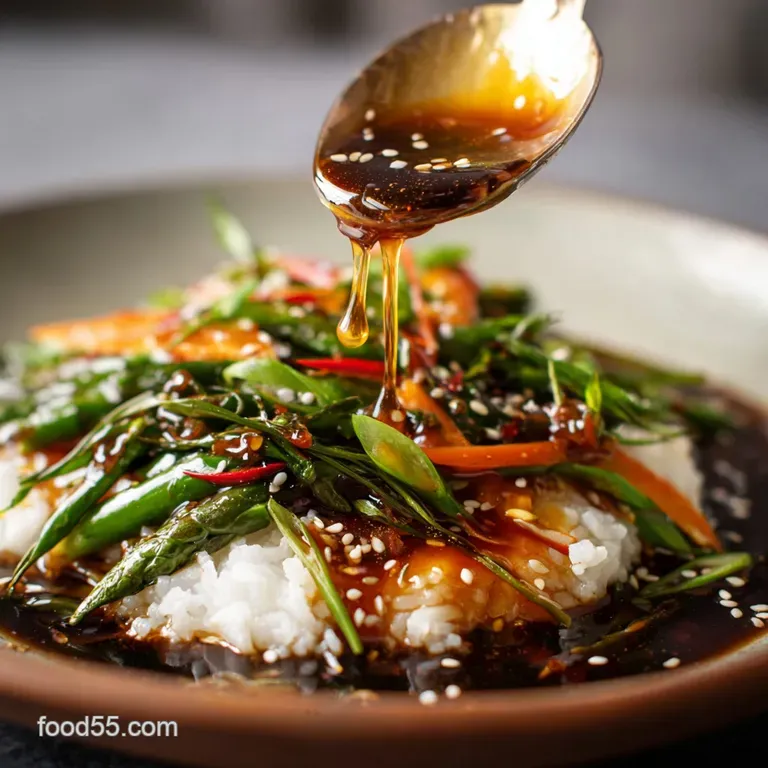
- Why Restaurant-Quality Flavor is Possible at Home
- Crafting the Ultimate Pantry-Friendly Stir Fry Sauce
- Essential Components for Our Umami Gold Blend
- Preparation and Tool Check Before You Begin
- Step-by-Step Guide to Assembling Your Signature Stir Fry Sauce
- Applying the Sauce: The Key to a Professional Glaze
- Customizing Your Base: Delicious Variations on the Stir Fry Sauce Recipe
- Expert Tips for Storage and Meal Prepping
- Recipe FAQs
- 📝 Recipe Card
Why Restaurant Quality Flavor is Possible at Home
For years, the difference between a quick weeknight stir fry and the perfect, glossy meal from your favorite restaurant seemed insurmountable. The secret, however, rarely lies in the speed of the cooking (though that helps!) or the heat of your Wok Sauce ; it is entirely determined by the sauce itself.
Most home cooks make the mistake of relying on thin, pre-bottled sauces or throwing basic liquids into the pan, resulting in a watery mess that steams the vegetables rather than coating them. This recipe demolishes that hurdle.
By preparing a balanced, deeply flavorful, and perfectly thickened Homemade Stir Fry Sauce in advance, you guarantee a professional level glaze that clings perfectly to every ingredient, delivering the complex umami flavor profile we crave.
This is more than just a liquid seasoning; it's the foundation for truly excellent Asian cuisine at home.
Crafting the Ultimate Pantry Friendly Stir Fry Sauce
Creating a versatile, high impact Stir Fry Sauce doesn't require a specialty market trip. This formulation, which we affectionately call "Umami Gold," relies on six core liquids and two key aromatics you likely already have on hand.
It’s an incredibly reliable stir fry sauce recipe easy enough for beginners, yet satisfyingly complex for the experienced chef.
The Secret to Unlocking Sticky, Glazy Perfection
The defining characteristic of successful takeout food is that beautiful, glossy sheen. The texture is crucial; it must be sticky enough to coat, yet fluid enough to spread evenly. Our secret weapon here is the cornstarch slurry.
Unlike adding dry flour or cornstarch, which invariably leads to lumps, the cornstarch mixed with cold water creates a powerful, instantaneous thickener that transforms the sauce from watery liquid to a clear, viscous glaze within seconds of simmering.
Goodbye Takeout: The Versatility of This All-Purpose Sauce
This recipe yields approximately 1.5 cups (350 ml), sufficient for 4 to 6 generous main course servings. Its strength lies in its remarkable versatility. Whether you are whipping up beef and broccoli, coating noodles for a quick Lo Mein, or needing a dynamic stir fry sauce for chicken , this formulation works seamlessly.
On top of that,, making a batch ahead saves crucial time on busy nights, ensuring a complex, flavorful meal is always within 15 minutes of completion.
Analyzing the Core Flavor Profile: Sweet, Savory, and Acidic Balance
The perfect Asian Stir Fry Sauce achieves harmony through contrast. The foundational savory depth comes from 1/2 cup of low-sodium soy sauce, bolstered significantly by 2 tablespoons of rich oyster sauce (or its vegetarian equivalent).
The necessary sweetness which also aids in caramelization is provided by 2 tablespoons of packed dark brown sugar. To prevent the sauce from becoming cloyingly sweet or overly salty, 1 tablespoon of unseasoned rice vinegar provides the essential lift and acidity, rounding out the flavor components flawlessly.
How This Recipe Solves the 'Soggy Stir Fry' Problem
The main culprit behind soggy stir fries is excess liquid. When you throw cold, thin sauce directly onto high heat protein and vegetables, the temperature drops rapidly, and the water in the sauce steams everything instead of searing it.
By following this stir fry sauce recipe , we pre-thicken the liquid base. When this dense, prepared sauce hits the hot wok, it clings instantly, evaporates excess moisture quickly, and forms that desired, shiny glaze without compromising the texture of your crisp vegetables.
Essential Components for Our Umami Gold Blend
The success of the "Umami Gold" formula lies in selecting quality stir fry sauce ingredients and balancing their ratios perfectly. For the core liquid base, you will need 1/2 cup of low-sodium soy sauce, combined with 1/4 cup of water or rich chicken stock for dilution and flavor depth.
We add 2 tablespoons of oyster sauce for unparalleled umami and a hint of salinity. For sweetness and color, 2 tablespoons of packed dark brown sugar are vital. The aromatic finish is delivered by 1 teaspoon of toasted sesame oil, added off-heat.
Finally, the aromatic heart of the sauce is provided by 3 cloves of finely minced fresh garlic and 1 tablespoon of minced fresh ginger, which simmer directly into the liquid to create a deep, warming infusion.
Preparation and Tool Check Before You Begin
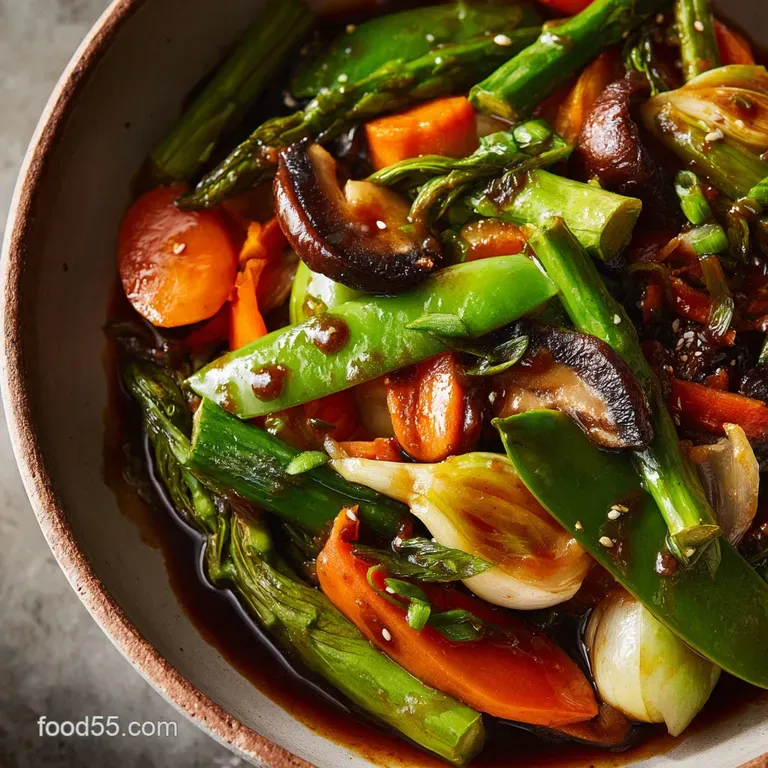
While the process of making this stir fry sauce recipe easy is quick about 5 minutes prep, 5 minutes cooking a smooth experience relies on having everything measured and ready before you turn on the heat.
Must Have Pantry Staples for Authentic Asian Flavor
Ensure you have your liquid components measured out: the soy sauce, the stock, the oyster sauce (which is crucial for that classic deep savory flavor), and the rice vinegar. Remember that quality matters here; using a decent brand of soy sauce can drastically improve the overall taste profile.
Optional Boosters: Elevating the Spice and Aromatics
If you wish to elevate the blend beyond the standard savory profile, consider having optional additions ready. For a classic Szechuan kick, a teaspoon of chili garlic sauce or a pinch of dried chili flakes can be added alongside the aromatics.
Alternatively, for a bright citrus note excellent with seafood, substitute half of the water/stock with fresh orange juice.
Measuring Accurately: Why Ratios Matter for Perfect Stir Fry Sauce Consistency
Accuracy is particularly important when dealing with the thickening agent. For a successful, lump free slurry, the ratio must be precise: 1 tablespoon of cornstarch (cornflour) must be mixed thoroughly with exactly 2 tablespoons of cold water.
If the ratio is off, you risk either a thin sauce or an unworkably gluey paste.
The Simple Tools Required for Whisking Perfection
Fortunately, the equipment list is minimal. You will only require a small saucepan (non-stick is best for easy cleaning), a small whisk for incorporating the slurry smoothly, and the standard set of measuring cups and spoons. You also need a small separate bowl to prepare the crucial thickening slurry.
Related Recipes Worth Trying
- The Proper InNOut Animal Style Fries Loaded Fry Masterclass — Forget soggy chips This foolproof recipe for InNOut Animal Style Fries gives you shatteringly crisp chips gooey cheese and that iconic tangy French Fries...
- Cranberry Pear Sauce Glossy Spiced Miles Better Than the Tin — Ditch the wobbly canned stuff This homemade Cranberry Pear Sauce is jammy chunky and brilliantly spiced with orange zest Perfect alongside roast turkey or ham
- The Ultimate 30Minute Cashew Chicken StirFry Velvety Glossy — Master this easy homemade Cashew Chicken stir fry recipe with the secret velveting technique Get tender chicken and a perfect glossy sauce in under 40 minutes
step-by-step Guide to Assembling Your Signature Stir Fry Sauce
Start by mincing the 3 cloves of fresh garlic and 1 tablespoon of fresh ginger. In your small, separate bowl, combine the cornstarch and cold water; whisk until smooth and set aside. Next, in the saucepan, combine the wet base ingredients: the soy sauce, water/stock, oyster sauce, brown sugar, and rice vinegar.
Whisk to start dissolving the sugar, then add the minced garlic and ginger. Place the saucepan over medium heat and bring it to a gentle simmer (avoid a hard boil). Let it simmer for 2 to 3 minutes; this step is vital for infusing the liquid base with the flavors of the fresh aromatics.
Remove the pan from the heat, re-whisk the cornstarch slurry (as it settles quickly), and slowly pour it into the sauce while whisking continuously. Return the pan to the heat and continue to whisk gently. The sauce will rapidly become clear, thick, and glossy within 30 60 seconds.
Remove immediately, and stir in the 1 teaspoon of toasted sesame oil.
Applying the Sauce: The Key to a Professional Glaze
Successfully making the sauce is only half the battle; knowing when and how to apply it in the Wok Sauce environment is the key to achieving professional results.
Mincing Aromatics: Preparing the Garlic and Ginger Base
For this specific stir fry sauce recipe , we bypass the typical method of cooking the aromatics in oil first. Instead, the 3 cloves of finely minced garlic and 1 tablespoon of ginger are simmered directly into the liquid base.
This process softens their texture and allows their flavor compounds to properly marry with the sweet and savory components, ensuring every spoonful of the finished sauce has a cohesive, infused flavor.
The Whisking Technique: Combining Liquids for Zero Clumps
When the cornstarch slurry is introduced, continuous, brisk whisking is non-negotiable. Because the thickening process happens so rapidly once the slurry is activated by heat, halting the whisking even momentarily can result in pockets of unmixed starch, leading to an uneven texture.
Achieving the Perfect Thickening Power (Using Cornstarch Slurry)
The slurry must be perfectly smooth and introduced slowly. If you pour it in too quickly, or if the water wasn't sufficiently cold when mixed with the cornstarch, you may end up with a lumpy, unusable sauce.
The goal is the consistency of thin gravy enough to coat a spoon, but not so thick that it becomes gelatinous.
When to Introduce the Sauce to Your Wok
Timing is everything when using this thickened Asian Stir Fry Sauce . Do not pour it over raw or partially cooked ingredients. Instead, ensure your meat, protein, and vegetables are fully cooked and appropriately seared, then briefly remove them from the wok.
Add the pre-made sauce to the hot wok, allowing it to bubble and deglaze the surface.
High Heat Strategy: Ensuring Maximum Cling and Caramelization
Once the sauce is bubbling, return your cooked ingredients to the wok immediately. Toss everything vigorously and quickly over high heat. The heat will activate the final thickening stage and encourage the brown sugar in the sauce to caramelize slightly, creating that glorious, sticky glaze that characterizes truly exceptional stir fries.
Customizing Your Base: Delicious Variations on the Stir Fry Sauce Recipe
While our "Umami Gold" is perfect as an all-rounder, sometimes the dish calls for a slight twist. For a quick Teriyaki style glaze, swap the brown sugar for honey and add 1/2 teaspoon of grated orange zest.
Alternatively, for a bright counterpoint, substitute half of the 1/4 cup liquid (30 ml) with fresh orange juice, which pairs wonderfully with seafood. You can easily adjust the base to create a signature flavor perfectly suited to your specific meal plan.
Expert Tips for Storage and Meal Prepping
Making a double or triple batch of this stir fry sauce recipe is an excellent way to streamline your weekly cooking. Proper handling ensures maximum flavor and safety.
Making It Vegetarian: Replacing the Oyster Sauce Successfully
If you need a robust stir fry sauce without soy sauce alternatives, Tamari or coconut aminos are your best gluten-free substitutes. However, if omitting the essential 2 tablespoons of oyster sauce, replace it with an equal amount of vegetarian mushroom sauce, which mimics the deep umami flavor.
For an even more authentic depth when creating a vegetarian stir fry sauce with oyster sauce alternatives, you can double the soy sauce quantity and incorporate 1 teaspoon of finely minced dried shiitake mushrooms into the liquid base during the simmering step.
Adjusting for Heat: Adding Sriracha or Chili Oil Safely
To build a spicy profile, incorporate 1 teaspoon of chili garlic sauce or 1/2 teaspoon of dried chili flakes into the saucepan when you add the garlic and ginger. Allowing these spicy elements to simmer gently ensures their flavor diffuses evenly throughout the finished sauce.
gluten-free Modifications for Soy Sauce
For those avoiding gluten, simply replace the standard soy sauce with an equal measure of Tamari or liquid coconut aminos. Always ensure that any added sauces, like the oyster sauce or its vegetarian replacement, are also verified gluten-free.
Troubleshooting: Fixing a Sauce That Tastes Too Salty or Too Sweet
Achieving perfect balance is vital. If your sauce tastes too salty, whisk in a pinch more brown sugar and a few drops of water or stock. If it tastes too sweet, counteract this by adding a few drops of additional rice vinegar or a splash of water to dilute the sweetness.
Always make adjustments slowly, tasting after each addition.
Shelf Life and Optimal Refrigeration Methods
Once the sauce is complete and has cooled completely (do not seal while warm), transfer it to an airtight container. Because of its sugar and vinegar content, this sauce keeps remarkably well in the refrigerator for up to 5 days.
Since it thickens considerably upon cooling, you may need to whisk in a tablespoon of hot water or stock before use to return it to the desired consistency.
Nutritional Snapshot (Estimated Calorie and Sodium Count)
Using low-sodium soy sauce is essential for managing the overall salt content. Based on a conservative estimate of 6 servings per batch, each portion of the Stir Fry Sauce contributes approximately 75 90 kcal, containing about 15 grams of carbohydrates (of which 9 grams are sugars).
The sodium count sits in the range of 450 550 mg per serving, making careful measurement of the saltier ingredients paramount.

Recipe FAQs
Can I make this Stir Fry Sauce ahead of time, and how long does it keep in the fridge?
Absolutely, planning ahead is the name of the game! Once cooled completely, pour the sauce into an airtight container a clean jam jar works a treat and store it in the fridge for up to a week.
You may find it separates or thickens further upon chilling, but don't panic; just give it a good whisk or shake before reheating gently or using it in your stir fry.
I need to make this vegetarian or vegan. What’s the best swap for the oyster sauce?
That’s a brilliant question, especially for plant based cooks. The best replacement is usually vegetarian mushroom sauce (often found next to the standard oyster sauce), which mimics the deep umami flavour beautifully.
Alternatively, you can swap it for extra soy sauce mixed with a teaspoon of finely minced dried shiitake mushrooms those little fungi are proper flavour bombs when simmered!
Help! My sauce is lumpy, or it didn't thicken properly. What went wrong?
Ah, the dreaded cornstarch lumps! This almost always happens if the slurry (cornstarch mixed with cold water) wasn't thoroughly whisked before it hit the hot pan, or if the water wasn't cold enough.
If it didn't thicken enough, quickly make another small batch of slurry and whisk it into the simmering sauce, ensuring you bring the mixture back to a gentle simmer for 30 seconds to properly activate the cornstarch.
Should I pour this sauce straight over the meat and veg, or is there a special wok technique?
Don't just chuck it in! Think of the sauce as the grand finale. When your protein and vegetables are cooked, scoop them out of the wok temporarily. Pour the sauce into the empty, screaming hot wok and let it bubble for 15 seconds to deglaze and concentrate, then return the cooked ingredients and toss vigorously that's how you get that lovely, professional, sticky glaze that clings perfectly.
I'm watching the salt intake. Can I reduce the sodium in this recipe without losing flavour?
That’s a sensible query, as soy sauce is undeniably salty. Firstly, using low-sodium soy sauce is half the battle. You can further reduce the sodium by substituting half the soy sauce measure with plain, unsalted chicken or vegetable stock.
You might also want to up the ginger and garlic slightly, as these aromatics add depth that makes up for the reduced saltiness.
10minute Umami Gold Stir Fry Sauce
Ingredients:
Instructions:
Nutrition Facts:
| Calories | 2145 kcal |
|---|---|
| Protein | 5.8 g |
| Fat | 53.9 g |
| Carbs | 73.6 g |
| Fiber | 9.3 g |
| Sodium | 1704 mg |
