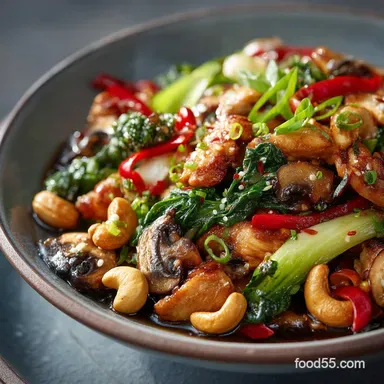
The Ultimate 30Minute Cashew Chicken Stirfry Velvety Glossy
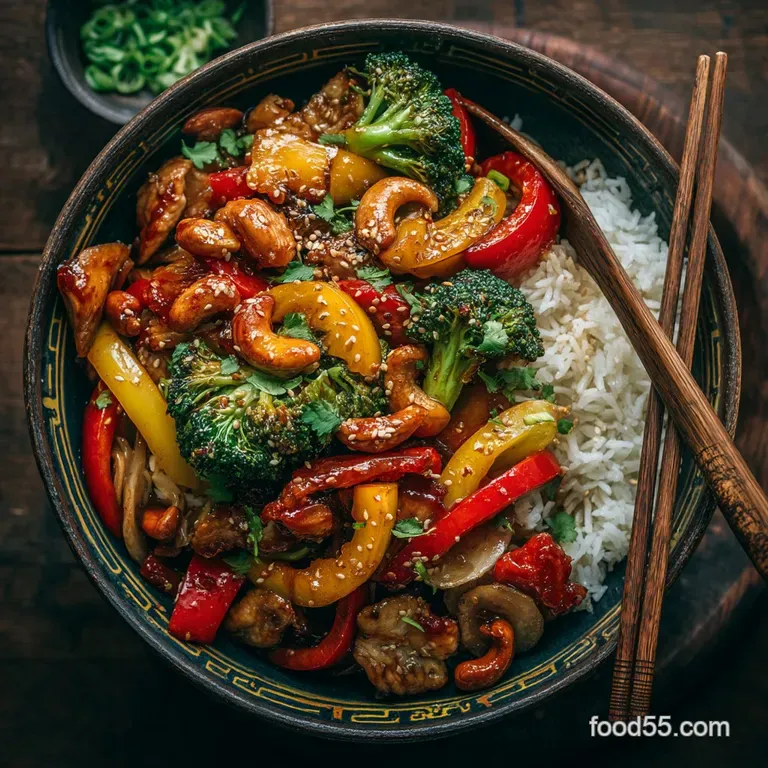
- Mastering the Art of Velvety Cashew Chicken at Home
- Essential Components for Authentic Cashew Chicken Flavor
- Prep Checklist: Getting Ready to Stir-Fry
- Step-by-Step Guide to the Cashew Chicken Cooking Process
- Troubleshooting Common Stir-Fry Mistakes
- Storage, Serving, and Reheating Instructions
- Extending Your Meal: FAQs and Variations for Cashew Chicken
- Recipe FAQs
- 📝 Recipe Card
Mastering the Art of Velvety Cashew Chicken at Home
There is a distinct difference between a bland, gloopy Cashew Chicken served from a buffet line and the vibrant, tender, Restaurant quality Cashew Chicken served in a high-end Chinese bistro.
Achieving that professional texture at home comes down to two specific, non-negotiable techniques: the preparation of the protein and the precise balancing of the glaze. This ultimate cashew chicken recipe is designed to produce a spectacular Homemade Cashew Chicken every time, complete with perfectly crunchy nuts and a luscious, deeply flavorful cashew chicken sauce recipe .
It’s a fast-paced cashew chicken stir fry recipe that promises maximum impact in under an hour.
Why Restaurant Chicken is So Tender (The Science of Velveting)
The primary hurdle most home cooks face is turning succulent chicken breast into tough, rubbery chunks. The secret used universally in professional Chinese kitchens is called "velveting." This process involves marinating the cubed chicken (approximately 1.3 lbs or 600g, cut into 1-inch pieces) in a mixture designed to protect the meat from the high heat of the wok.
We combine soy sauce, a tablespoon of Shaoxing rice wine for flavour depth, the protein from one large egg white, and crucially, two tablespoons of cornstarch. The cornstarch, aided by the egg white, forms a thin, protective layer around the meat.
When flash-fried quickly in a quarter cup of oil, this coating seals the chicken, locking in moisture. The resulting texture is impossibly tender and silky smooth, ensuring the chicken remains moist even when later tossed in the piping hot sauce.
The Perfect Sauce Balance: Achieving Gloss, Not Goo
The second cornerstone of this dish is the execution of the cashew chicken sauce . A superior stir-fry sauce must achieve a high-gloss finish that adheres beautifully to the ingredients without becoming heavy, sticky, or overly gelatinous.
Our sauce base starts with a half cup of low-sodium chicken stock, balanced with three tablespoons of low-sodium soy sauce, two tablespoons of dark, savory oyster sauce, a tablespoon of sharp rice vinegar, and a tablespoon of brown sugar for necessary sweetness.
The thickness is managed precisely by a cornstarch slurry, a simple mixture of one teaspoon of cornstarch dissolved in two teaspoons of cold water, added only once the sauce is boiling. This measured approach ensures a rapid, clean thickening, yielding a bright, glossy coating instead of a dull, sticky goo.
Essential Components for Authentic Cashew Chicken Flavor
While the technique is key, the flavor of an authentic cashew chicken stir fry hinges on striking the right balance between umami, salt, and heat, all supported by fresh aromatics. Unlike some versions that rely on heavy sweetness, this recipe prioritizes the savory depth provided by the oyster sauce.
This deeply concentrated shellfish reduction provides a complex, roasted backdrop essential for true Chinese-American cuisine. That richness is immediately contrasted by fresh, vibrant elements: minced ginger and garlic provide the aromatic foundation, while red bell pepper and onion offer sweetness and textural contrast.
Finally, the toasted cashews, added right at the end, contribute their distinctive buttery crunch and nutty flavor, completing the profile of a classic Cashew Chicken.
Prep Checklist: Getting Ready to Stir-Fry
Stir-frying moves quickly; preparation, or mise en place , is paramount. Having every item measured, chopped, and grouped before you turn on the heat ensures a stress-free cooking experience and guarantees the success of your Homemade Cashew Chicken .
The Short List of Pantry Staples and Fresh Aromatics
For the cashew chicken stir fry , we rely on core pantry items: vegetable oil for flash-frying and searing, cornstarch for both velveting and thickening, and brown sugar.
The fresh components, one large red bell pepper, half an onion, three cloves of garlic, and a tablespoon of ginger, must be minced or sliced uniformly. Don't forget the cashews; using one cup of roasted, unsalted cashews is ideal.
If yours are raw, quickly toast them in a dry pan for two minutes to maximize their flavor before you start the rest of the cooking process.
Upgrading Your Sauce: Selecting the Right Soy and Oyster Sauce
The quality of your core liquid seasonings significantly impacts the final result. Always opt for low-sodium soy sauce to maintain control over the overall saltiness; high-sodium versions can easily overwhelm the delicate flavour of the chicken and vegetables.
For the best depth, select a premium brand of oyster sauce; its thickness and roasted flavour contribute irreplaceable umami complexity to the cashew chicken sauce .
If preparing a vegetarian version, substitute with high-quality hoisin or a specific vegetarian mushroom oyster sauce to maintain the essential mouthfeel and deep savoury character.
Quick Tool Check: What Wok or Skillet Works Best?
The intensity of heat is crucial for a great cashew chicken stir fry recipe . A traditional carbon steel wok is the ideal choice due as it heats up rapidly and retains high temperatures, ensuring rapid searing rather than steaming.
However, if you don't own a wok, a large, heavy-bottomed cast iron skillet is an excellent substitute. Its weight allows it to retain the necessary high heat, providing a suitable surface for the quick, high-temperature cooking stages. Ensure your utensil is seasoned and ready before you begin the velveting process.
Precise Dicing and Mise en Place
Uniformity in chopping is key for even cooking. Ensure your chicken is cut into consistent 1-inch cubes so that every piece finishes cooking at the same time. Slice your bell pepper and onion thinly, but not microscopically, aiming for a texture that remains al dente —crisp but cooked, after just two to three minutes of stir-frying.
Separate the white parts of your spring onions (which go in with the aromatics) from the green parts (used for garnish at the end).
Related Recipes Worth Trying
- Easy Asian Chicken Salad Copycat Recipe Best Dressing — Tired of boring salads Nail that famous tangy flavour with our Crispy Asian Chicken Salad Copycat recipe Perfect crunch homemade sesame vinaigrette Get the...
- Classic Chicken Salad Pinwheels The Ultimate MakeAhead Nibble — Skip the soggy sandwich These simple Chicken Salad Pinwheels use cream cheese and a hint of spice for a refreshing tortilla roll up Perfect for parties
- Easy Apple Pecan Chicken Salad Recipe Golden Crunch — Meet the ultimate Creamy Apple Pecan Chicken Salad This easy summer recipe is loaded with crisp apples and toasted pecans for the perfect lunch Get the recipe
Step-by-step Guide to the Cashew Chicken Cooking Process
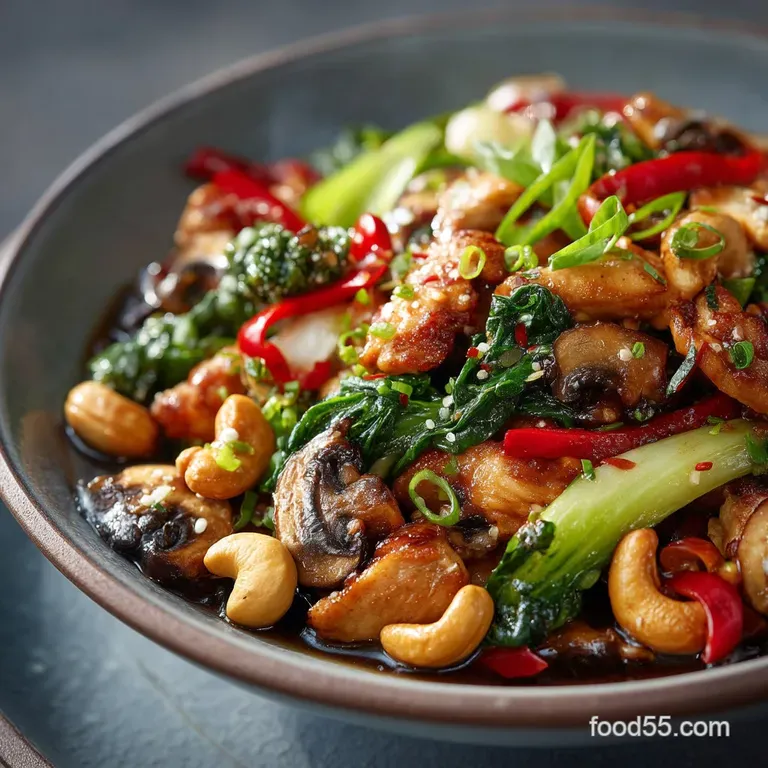
The execution of this cashew chicken recipe follows a rapid, three-stage sequence. First, the chicken is prepared: toss the cubed meat with the velveting mixture (soy, rice wine, egg white, cornstarch) and allow it to sit for ten minutes to fully adhere.
While that marinates, whisk together all the sauce ingredients (stock, soy, oyster, sugar, vinegar) in one bowl and set the cornstarch slurry aside.
The cooking begins with the flash-fry. Heat the vegetable oil in the wok until shimmering, then add the velveted chicken, working in batches if needed. Cook for just two to three minutes until the pieces are opaque and pale, they will finish cooking later.
Remove the chicken with a slotted spoon and discard the excess oil. Next, swiftly crank up the heat to high. Add two tablespoons of fresh oil, then sauté the ginger, garlic, and white scallion parts for thirty seconds until fragrant.
Add the bell pepper and onion, stir-frying fiercely for two minutes until slightly softened but retaining crunch. Finally, pour in the prepared sauce base, bring it to a boil, then immediately whisk and add the slurry.
As the sauce thickens and achieves that beautiful sheen, return the chicken and toasted cashews to the wok. Toss for sixty seconds to heat through and coat everything evenly in the glossy cashew chicken sauce .
Troubleshooting Common Stir-Fry Mistakes
Achieving that Restaurant quality Cashew Chicken relies on navigating a few common pitfalls. Focus on these refined techniques to guarantee success in your cashew chicken stir fry .
Technique 1: Velveting the Chicken for Optimal Tenderness
The flash-frying stage of the chicken is not meant to cook it fully; it is purely a searing step to set the velvety crust. Use medium-high heat, not blazing high heat, for this step to prevent the cornstarch coating from burning. Cook the chicken only until the exterior is opaque and slightly firm.
If you overcook it now, the meat will tighten when it’s tossed back in the sauce, undermining the entire velveting effort. Remember to remove the chicken promptly and allow it to rest while you finish the vegetables.
High-Heat Searing: Achieving the Perfect Texture and Color
The single biggest mistake in stir-frying is failing to reach a high enough temperature. After removing the chicken, completely drain the oil used for flash-frying. Return the wok to the stove and heat it until wisps of smoke appear. This intense heat is critical when adding the fresh oil and aromatics.
It allows the aromatics to bloom instantly and ensures the subsequent vegetables sear, concentrating their flavor, rather than steaming and releasing excess moisture.
Building the Glossy Sauce Base (The Final Merge)
The cornstarch slurry must only be added when the liquid sauce base in the wok is at a rapid, rolling boil. If you add the slurry while the sauce is cool or lukewarm, the starch will clump rather than hydrate evenly, resulting in a lumpy, inconsistent texture.
Stir the slurry just before pouring, stream it into the boiling sauce, and stir vigorously for about thirty seconds. The thickening action will be nearly instantaneous, yielding a perfect, translucent coating for your cashew chicken sauce .
Avoiding Watery Results (The Key to Crisp Veggies)
Watery stir-fries occur when ingredients are crowded or when the temperature drops, causing the vegetables to release their internal moisture. To maintain a truly Healthy Cashew Chicken with crisp-tender vegetables, adhere strictly to the high-heat rule and avoid adding extra moisture.
Do not rinse the vegetables immediately before cooking. Cook only for the prescribed two to three minutes; the goal is vibrancy and crunch, not softness.
Storage, Serving, and Reheating Instructions
This Homemade Cashew Chicken is best enjoyed immediately after preparation, when the cashews are at their crunchiest and the sauce is at its glossiest. Leftovers should be stored promptly in an airtight container in the refrigerator and are safe to eat for up to three days.
When reheating, avoid the microwave, which tends to soften the crunchy cashews and make the sauce watery. Instead, heat a skillet or wok over medium-high heat, add a splash of stock or water (about 1 tablespoon), and return the Cashew Chicken to the pan. Toss quickly until heated through.
The added liquid helps reactivate the starch in the cashew chicken sauce without drying out the chicken.
Extending Your Meal: FAQs and Variations for Cashew Chicken
Can I Make This Dish Ahead of Time?
While the initial velveting marinade for the chicken (Stage 1) can be prepared and refrigerated up to four hours in advance, a stir-fry, by definition, is designed for immediate cooking and consumption. We strongly recommend completing the dish just before serving.
However, the glossy cashew chicken sauce can be mixed 24 hours ahead of time and stored in the fridge. Simply give it a good whisk before adding it to the wok.
Ideal Side Dishes and Serving Suggestions
To complement the rich, savory nature of this dish, serve your Cashew Chicken over a bed of fluffy, steamed Jasmine rice, which excels at soaking up the luxurious sauce. For a textural contrast and a boost of greens, pair it with simple blanched Chinese broccoli (Gai Lan) dressed lightly with just a sprinkle of salt and a drizzle of sesame oil, completing a satisfying and balanced meal.
Making This Recipe gluten-free or Low-Sodium
Adapting this cashew chicken recipe for dietary needs is simple. To ensure it is gluten-free, substitute all standard soy sauce with certified Tamari. You must also meticulously check the oyster sauce; many brands contain wheat.
Replace it with a certified gluten-free oyster sauce or a reputable gluten-free hoisin. To ensure a truly Low-Sodium Cashew Chicken , be vigilant about using only low-sodium stock and soy sauce, and consider omitting the added salt from the velveting marinade.
Advanced Tips for Maximizing Flavor Intensity (Boosting Umami)
For those looking to push the flavour boundaries of their cashew chicken stir fry , there are a few expert additions. If you enjoy a richer profile, seek out aged Shaoxing rice wine, which offers a deeper, nuttier flavor than standard varieties.
Plus,, a very small dash (less than a quarter teaspoon) of fish sauce added to the sauce base can provide an incredible, non-fishy umami depth without significantly changing the core cashew chicken sauce recipe profile.
Finally, a touch of toasted sesame oil right at the very end enhances the aromatics just before serving.
Recipe FAQs
Why is my Cashew Chicken not as tender and silky as the takeaway version?
Ah, the secret lies in the 'velveting' technique, don't skip the cornstarch and egg white marinade! This coating protects the chicken from the fierce heat of the wok, trapping the moisture inside.
If you find your chicken chewy, you may have overcrowded the pan during the flash-fry stage, which causes the meat to steam rather than develop that lovely, velvety crust. Work in smaller batches to keep the temperature high!
My sauce is runny, and it's not achieving that brilliant, glossy sheen. Help!
A runny sauce is usually down to the cornstarch slurry not being fully activated, or the wok wasn't hot enough when the liquid was added. Ensure the sauce reaches a rapid, rolling boil before you pour in the cornstarch and water mix, stirring like mad for at least 30 seconds.
Also, make sure you give your sauce mix a quick whisk right before adding it to the wok, as the sugar and cornstarch can settle at the bottom while you're stir-frying the veg, a proper faff otherwise!
I’m out of cashews. What are the best substitutions for that nutty crunch?
Not to worry, substitutions are absolutely fine! While the namesake is cashews, peanuts work wonderfully, giving the dish a slightly more robust flavour profile, a bit like Kung Pao. Alternatively, toasted almonds or even sunflower seeds provide a good textural contrast if you need to avoid tree nuts entirely.
Just make sure whatever you choose is properly toasted beforehand to release its deep, nutty aroma, it makes a world of difference.
How should I store leftover Cashew Chicken, and can I prep the chicken ahead of time?
You can certainly prep the chicken! Keep the velveted chicken in the fridge for up to 12 hours before cooking; this actually helps the marinade sink in. Leftovers should be stored in an airtight container for up to 3 days. To reheat, avoid the microwave if possible.
Instead, throw it back into a wok or frying pan over high heat with a tiny splash of water or stock to quickly refresh the sauce and keep the chicken from going dry.
How can I make this ultimate Cashew Chicken dish gluten-free or a bit healthier?
Going gluten-free is dead easy: swap out traditional soy sauce for Tamari (which is naturally GF) and ensure you use a certified gluten-free oyster sauce or a high-quality GF hoisin sauce.
For a healthier take, use a high-quality air fryer or bake the velveted chicken instead of flash-frying in oil, reducing the fat content significantly. You can also boost the veg content with broccoli florets or sliced carrots for extra crunch and nutrients.
The Ultimate 30Minute Cashew Chicken StirFry Velvety Glossy