The Chefs Sixstep Guide to Plating Perfection Making Your Meal Look the Business
- Why Professional Presentation is the Underrated Seventh Ingredient
- Essential Kit: Tools of the Trade for Artistic Arrangement
- Applying the Six Essential Tips for Plating Your Dishes Like a Restaurant Chef
- Building Height and Texture: The Vertical Dimension
- Next-Level Techniques: Going Beyond the 6 Tips for Plating Your Dishes Like a Restaurant Chef
- Troubleshooting and Maintenance
- Recipe FAQs
- 📝 Recipe Card
Why Professional Presentation is the Underrated Seventh Ingredient
The Psychology of the Plate: How Visuals Affect Taste Perception
The eyes genuinely eat before the mouth does, meaning visual input instantly sets expectations regarding flavor, quality, and even perceived cost. This foundational phenomenon suggests superior Food Presentation actually makes the dish taste better.
Studies show that vibrant colors and structured arrangements lead diners to report a more enjoyable, complex experience. Mastering Food Plating Techniques is therefore essential for triggering this positive response, transforming a simple meal into an elevated culinary moment.
Moving Beyond Functional: Elevating Home Cooking to Fine Dining Standards
For too long, home cooks have viewed presentation as an optional luxury reserved only for restaurant chefs. However, applying basic principles of composition dramatically enhances the dining atmosphere at home. We must move beyond merely dumping ingredients onto a dish and start strategically composing them.
This conceptual shift is what distinguishes casual eating from true Restaurant Quality Plating . It signals respect for both the ingredients and the guest experience, making learning how to plate food accessible to everyone.
Introducing the Six Pillars of Culinary Presentation
The process involves six specific steps, moving systematically from selecting the vessel to the crucial final wipe. These pillars provide a foundational framework for achieving Plating Perfection consistently.
They standardize the approach to composition and aesthetic balance, ensuring every element serves a visual purpose. We will cover everything from mastering the vertical dimension to the strategic use of negative space, making certain your efforts result in a cohesive and visually stunning dish every single time.
Essential Kit: Tools of the Trade for Artistic Arrangement
Choosing Your Canvas: The Impact of Plate Shape and Color
The plate is the first choice, acting as the canvas for your edible artwork. Professional chefs overwhelmingly favor wide rimmed, flat, neutral colored plates, typically choosing white. This clean contrast allows the natural vibrancy of the food to truly pop against the background.
A significantly larger plate than necessary is crucial because it helps you maximize negative space. This intentional emptiness prevents the dish from looking cluttered and directs the viewer's eye exactly where you want it to focus.
Precision Instruments: Tweezers, Squeezy Bottles, and Offset Spatulas
Achieving truly professional placement relies heavily on using the correct specialized tools. A small offset spatula is indispensable for neatly placing protein or transferring delicate components without disturbing the arrangement.
Plating spoons are ideal instruments for creating controlled sauce swooshes and ensuring precise scoops of purée. For thin sauces and oils, a squeeze bottle allows for controlled dots and fine lines, elevating the detail in your Food Decoration .
Finally, invest in kitchen tweezers for meticulous garnish placement, ensuring every microgreen and nut is positioned with clear intent.
Component Prep: Controlling Texture and Temperature for Perfect Placement
Before plating begins, every element must be at its ideal serving temperature for structural integrity. Hot items must go onto warm plates, and cold elements onto cold plates, showing deep respect for the ingredient’s quality. Components must also be prepared to hold their structure firmly during assembly.
For example, a potato purée needs to be firm enough to hold a clean swoosh or maintain structure when shaped by a ring mould. Crisp vegetables and seared proteins with clean edges maximize the textural contrast and visual appeal once they are arranged.
Applying the Six Essential Tips for Plating Your Dishes Like a Restaurant Chef
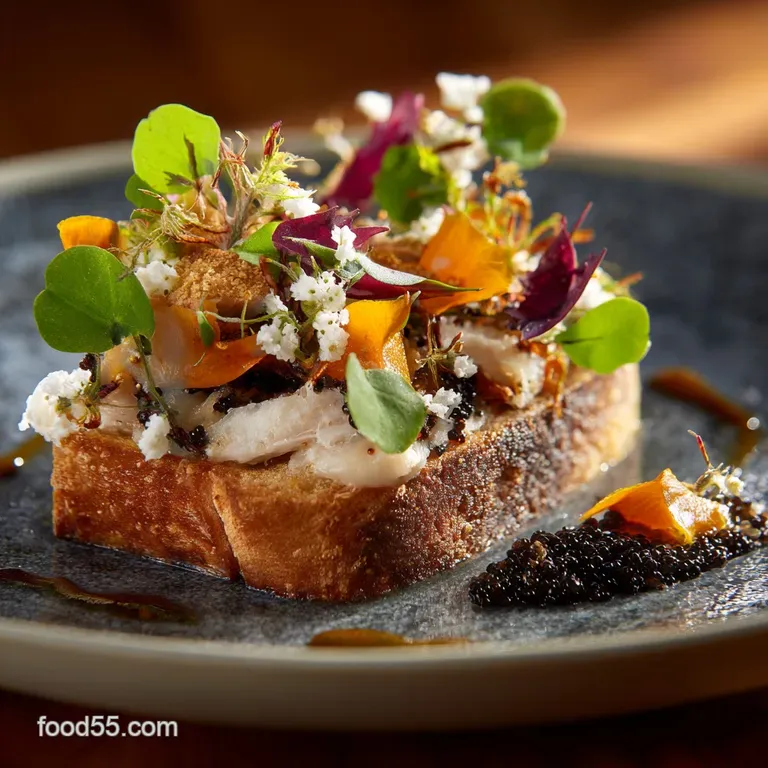
This section outlines the actionable steps detailing the six principles used by professional chefs. Successfully implementing these 6 Tips for Plating Your Dishes Like a Restaurant C transforms everyday cooking into high level Culinary Arts .
We now move from preparation to the active composition of the plate, focusing on visual dynamics and structured arrangement. The mastery of these six steps is the gateway to genuine Plating Perfection.
Related Recipes Worth Trying
- The Ultimate PanSeared Garlic Butter Steak Recipes for Dinner — Achieve a jawdropping crust and tender interior with our castiron method These foolproof pan steak recipes use a fragrant garlic butter baste Stop guessing...
- Skillet Bourbon Bacon Green Beans Sticky Sweet Glaze for Holidays — Say goodbye to boring veg These Skillet Bourbon Bacon Green Beans are sticky smoky and panfried to crisp perfection A foolproof musthave side dish
- Effortlessly Easy White Chocolate Raspberry Energy Balls — Ditch the slump These creamy nobake White Chocolate Raspberry Energy Balls are a proper powerup Quick proteinpacked and a healthy sweet recipe for busy days
Building Height and Texture: The Vertical Dimension
The Golden Ratio and Rule of Odds: Finding Balance in Asymmetry
Compositionally, asymmetry often feels much more dynamic and interesting than rigid symmetry in Food Plating Techniques. The Rule of Odds dictates that grouping ancillary items, like small vegetables or garnishes, in odd numbers (three, five, or seven) is inherently more pleasing to the eye.
This provides a natural, energetic focal point for the dish. The Golden Ratio, often applied through the rule of thirds, suggests placing the main protein slightly off-center on the plate.
This strategic placement naturally draws the diner's eye across the entire composition, making the plating look thoughtful and deliberate.
Mastering Negative Space: The Power of Intentional Emptiness
One of the clearest indicators of professional Plating Techniques is the strategic use of empty space. As taught by the chefs, at least one-third of the plate, particularly the wide rim, should remain untouched.
Negative space allows the food components to stand out clearly without competing for the viewer's attention. This practice gives the composition room to breathe and focuses the diner entirely on the ingredients.
It immediately communicates a sense of restraint and refinement, which are hallmarks of Restaurant Quality Plating .
The Art of the Smear: Achieving Architecturally Sound Sauce Application
Sauce application is no longer about pouring, but about carefully painting your canvas. A controlled sauce smear, often created by dragging the back of a plating spoon across the base element, provides both visual appeal and a foundation for the protein.
Use a moderately thick, reduced sauce like a jus, balsamic reduction, or thick vegetable purée for the best structural definition. If a smear isn't desired, controlled dots applied via a squeeze bottle or careful drizzles are preferred.
Never allow the sauce to overwhelm the star of the dish; it should enhance and highlight, not hide, the texture and edges of the protein.
The Focal Point: Establishing the Star of the Plate
Every beautifully plated dish must have a clear center of attention, which is almost always the main protein component. Placement should elevate this star, often by sitting it atop the starch or base element to intentionally create height.
If the protein is sliced, such as thinly sliced roast duck breast, stagger the pieces slightly to achieve a visually appealing fanned effect. Placing the protein at the 6 o'clock or 2 o'clock position, following the clock face rule, helps anchor the overall composition strongly.
This structural approach ensures the diner understands immediately where the chef wants their attention directed.
Garnish with Intent: Precision Placement for Final Impact
Garnish must be functional, edible, and relevant to the dish's flavor profile, adding crucial contrasting flavor notes. Use vibrant elements like fresh microgreens, toasted nuts, or bright herb oils to provide necessary color and textural contrast. The goal is always a final, decisive pop of color that draws the eye.
Avoid scattering garnishes randomly; place them purposefully adjacent to or slightly overlapping the focal point for maximum effect. Precision placement, perhaps using tweezers, ensures the garnish acts as a true highlighter, perfecting the overall Food Decoration .
Wiping Down: The Crucial Final Step Before Serving
A clean rim is the non-negotiable signature of professional Food Presentation . Even the most stunning arrangement loses its impact if the plate is marred by fingerprints, sauce drips, or stray crumbs.
Keep a damp cloth ready and use it to carefully polish the entire rim before the dish leaves the counter. This meticulous final inspection ensures a pristine presentation, completing the illusion of high end Culinary Arts .
It is the last opportunity to achieve true Plating Perfection before the guest sees their meal.
Next Level Techniques: Going Beyond the 6 Tips for Plating Your Dishes Like a Restaurant Chef
Once the six fundamentals are ingrained, ambitious home cooks can explore complex compositional variations and advanced Plating Techniques . For instance, plating in a deep bowl requires focusing intensely on building vertical layers within the vessel's confines, making sure garnishes stay directly on top.
Alternatively, modernist plating techniques reject traditional clock face symmetry in favor of abstract lines and intentional "splatters" of contrasting colored sauces across the plate.
These methods offer exciting new ways to showcase your deep understanding of How to Plate Food using unconventional arrangements and materials.
Troubleshooting and Maintenance
Temperature Control and the Sous Vide Advantage for Perfect Textures
Maintaining optimal temperature is vital for both food safety and maximizing culinary enjoyment. Serving hot components on slightly warmed plates is a crucial step that maintains the dish's integrity and extends the dining window.
The use of precision cooking methods, like sous vide, also ensures proteins are perfectly cooked and retain structure for easier placement on the plate. Consistent texture such as a smooth purée and a wonderfully crispy crust is paramount for visual appeal and structural stability during plating.
Plating for Efficiency: Strategies for Dinner Parties and Event Tempo
When hosting a dinner party, efficiency in plating is critical to maintain the service tempo and ensure guests receive warm food. Pre-preparing small components and having sauces loaded into squeeze bottles significantly minimizes frantic last minute assembly time.
Focus on applying the foundation elements to all plates sequentially rather than finishing one plate entirely before starting the next. Aim for a maximum active plating time of three to five minutes per dish to ensure prompt service.
This preparation allows you to enjoy the process without sacrificing your Restaurant Quality Plating standards.
When Less Is Truly More: Avoiding Over Plating Pitfalls
A common mistake, especially when initially practicing, is overcrowding the plate with too many ingredients or simply an excessive amount of food. The essence of excellent plating lies in restraint and the strategic placement of limited, high-quality components.
Avoid scattering too many garnishes; every single item must have a clear purpose and connection to the dish's flavor. Remember that the focus is on achieving composition and negative space, not maximizing portion size.
When learning How to Plate Food , always err on the side of simplicity to highlight the star of the dish effectively.
Photographing Your Creation: Capturing the Chef's Vision
After achieving Plating Perfection , capturing the result requires careful attention to lighting and camera angle. Use soft, natural light, actively avoiding harsh overhead fixtures that cast deep, unappealing shadows.
Position the light source slightly behind and to the side of the dish to create depth and highlight texture. Shoot either slightly from above (a 45-degree angle) or directly overhead (flat lay) to best showcase the height and overall composition.
A well photographed dish celebrates the culmination of the Culinary Arts and preserves your successful effort for future inspiration.
Recipe FAQs
I'm keen to learn the "6 Tips for Plating Your Dishes Like a Restaurant C," but what is the most important piece of kit I need to start?
The most vital piece of equipment is a plain, wide rimmed white plate, which acts as a neutral canvas so your colourful ingredients really ‘pop’ and look the business. Always keep a damp cloth handy for that final, crucial rim wipe no fingerprints allowed!
My sauce smears always look a bit of a dog's dinner; how can I get that professional, clean swoosh?
Start with slightly thicker, well reduced sauce placed off-centre on the plate, then use the back of a soup spoon or plating spoon pressed lightly to pull the sauce quickly and confidently across the plate. Consistency and speed are key to avoiding a messy blob, so don't hesitate!
Does focusing on plating techniques actually help me manage portion sizes for a balanced meal?
Absolutely; by utilising negative space and building height, professional plating tricks the eye into perceiving smaller, thoughtfully arranged portions as more substantial and luxurious. This focus on composition naturally encourages the correct ratio of protein, starch, and vegetables for a balanced plate.
If I’m doing a large dinner party, can I prep the various components ahead of time to make plating quicker?
Yes, prepping components like sauces, purées, and specific garnishes (such as chopping herbs or toasting nuts) in advance is crucial for efficiency, but always reheat the food and warm your plates just before the two to five minutes of active, final plating.
I worry about going overboard; how do I stop my garnish from looking like a scattering of confetti?
Treat garnishes, like micro greens or herbs, with respect; they should be placed purposefully ideally in odd numbers (the rule of odds) to enhance height or contrast colour in a specific focal area, rather than being sprinkled haphazardly across the entire plate.
6 Tips For Restaurant Plating Perfection
Ingredients:
Instructions:
Nutrition Facts:
| Calories | 600 calories |
|---|---|
| Fat | 35 grams |
| Fiber | 8 grams |
