Amish Peanut Butter Cream Pie: the Ultimate No-Bake Comfort Dessert
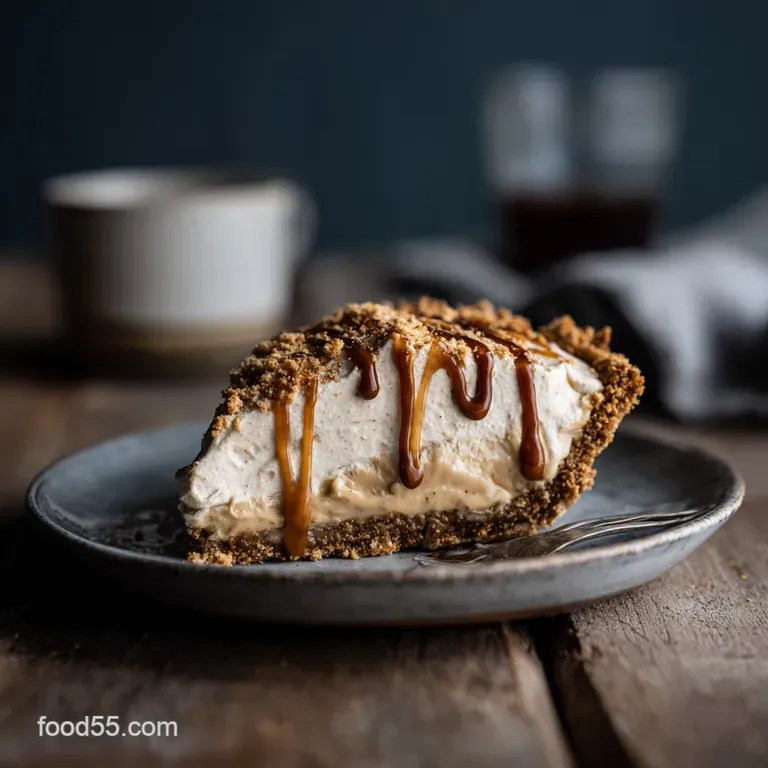
- The Pennsylvania Dutch Secret: Unlocking the Ultimate No-Bake Amish Peanut Butter Pie
- Anatomy of Comfort: Why the Filling Texture is Flawlessly Light
- Essential Pantry Staples for Your Amish Peanut Butter Cream Pie
- Mixing Magic: Step-by-Step Assembly of the Creamy Filling
- Mastering the Pie: Pro Tips for the Best Amish Peanut Butter Cream Pie
- Keeping Your Comfort Fresh: Storage and make-ahead Guide
- The Grand Finale: Garnishing and Pairing Suggestions
- Recipe FAQs
- 📝 Recipe Card
The Pennsylvania Dutch Secret: Unlocking the Ultimate No-Bake Amish Peanut Butter Pie
That first spoonful of authentic Amish Peanut Butter Cream Pie is pure magic, instantly transporting you back to Grandma's kitchen or maybe a roadside diner in Lancaster County. It’s super light, utterly creamy, and achieves that perfect balancing act of salty peanut butter punch against sweet, airy filling.
You get the crunch of the crust paired with that unbelievable, cloud like filling; honestly, the aroma of vanilla and roasted peanuts just smells like pure comfort.
This is my favorite secret weapon for summer dessert emergencies because you barely have to touch the oven it truly is a no-bake hero (assuming you buy the crust). Prep time is shockingly fast, requiring mostly pantry staples, which makes it cheap and simple to whip up on a Tuesday. The only requirement?
Patience while it chills.
If you thought complicated layered desserts were the pinnacle of homemade sweets, think again. We’re going deep into the Pennsylvania Dutch kitchen today to figure out exactly how they make this simple cream pie so ridiculously, impossibly airy.
Trust me, once you make this, you'll ditch those fussy, hot custard pies forever. Let's crack on!
Anatomy of Comfort: Why the Filling Texture is Flawlessly Light
The beauty of this Amish recipe is that it skips the lengthy baked custard process and achieves incredible stability through a brilliant combination of simple ingredients. It’s not just peanut butter mixed with whipped cream; that would separate immediately!
Defining the 'Amish' Difference: History and Authenticity
The Amish and Mennonite communities are famous for their straightforward, hearty, and often economical baking. This pie, specifically, evolved from the concept of using simple, affordable ingredients like milk, eggs, sugar, and, crucially, ground peanuts or peanut butter, which was readily available.
Unlike a traditional French mousse, this filling uses cornstarch and cream cheese, relying on structure rather than just egg proteins.
Why We Love the No-Oven Approach (Perfect for Summer)
Need I say more? Keeping the oven off during the hottest months is a non-negotiable rule in my kitchen. Since the structure of this filling comes from a quick stovetop custard (that only needs to be heated briefly) and intense refrigeration, it’s the definition of a chilled, refreshing dessert. It’s a total lifesaver when you’re already stressing about getting that Thanksgiving Stuffing Recipe: Buttery Sausage, Apple, and Sage ready and need an easy finish.
How This Pie Became a Regional Delicacy
It’s often served in diners and local bake shops across Pennsylvania, but what makes it special is the texture. It’s often confused with pudding pies, but the addition of cream cheese and high fat cream makes it incredibly decadent, almost like a whipped truffle.
It’s meant to be robust and satisfying, not delicate and wobbly.
The Whipped Cream/Cream Cheese Synergy for Cloud Like Consistency
This is the key to why my recipe works, friend. The softened cream cheese blends seamlessly into the warm custard base, adding structure and a subtle tang that cuts the richness. When you fold in the chilled, stiffly whipped double cream, those little pockets of air are locked into place by the now-cold peanut butter base.
This prevents the pie from tasting greasy or dense.
Balancing the Salty Peanut Butter Notes with Sweetness
Using a standard, processed peanut butter (Jif or Skippy) is highly recommended here, and yes, it’s controversial, but hear me out! Those stable, emulsified jars provide the necessary salt and oil consistency without the separation issues of natural peanut butter.
We dial up the sugar slightly to counteract that intense saltiness, achieving true balance.
Achieving the Perfect Set (The Chill Factor)
You absolutely cannot rush the chill time. The cornstarch needs several hours at cold temperatures to fully gel and stabilize the custard component. If you slice it too soon, it will be soup. A minimum of four hours is necessary, but overnight is genuinely best.
Essential Pantry Staples for Your Amish Peanut Butter Cream Pie
This recipe truly shines when you use good quality ingredients, especially when it comes to the dairy.
Choosing the Right Peanut Butter (Creamy vs. Natural Oil Separation)
Listen, I'm usually a health nut, but this is one time we need to embrace the processed stuff. Do not use natural peanut butter that separates —the oil content is too high and too loose, making the filling prone to collapsing or being runny.
Use classic smooth peanut butter (unless you want a subtle crunch, then use creamy style).
Shortcrust Options: Pre-Made vs. Graham Cracker Base
I love a flaky, buttery shortcrust (like the one I use for my Pecan Pie Recipe: The Classic Gooey Filling (No Soggy Bottoms!) ). If you have time to blind bake one, do it. But if speed is your goal, a store-bought graham cracker crust is an excellent and completely traditional shortcut that adds a lovely hint of cinnamon.
Dairy Deep Dive: Cream Cheese Temperature Matters
You need full fat cream cheese, and it must be at room temperature. If it's cold, it will stubbornly refuse to melt into the warm custard base, leaving little, irritating, unmixed lumps.
Smart Swaps and Dairy Alternatives for the Filling
| Ingredient | Viable Substitute | Notes |
|---|---|---|
| Cornstarch | All-Purpose Flour (use 1.5x amount) | Provides a less glossy set, but works in a pinch. |
| Whole Milk | Evaporated Milk or Half & Half | Adds richness, but avoid thin, low-fat milks. |
| Cream Cheese | Silken Tofu (blended smooth) | For a vegan option, but requires testing the set. |
| Double Cream | Coconut Cream (chilled overnight) | Scoop only the thick cream off the top of the can. |
Mixing Magic: step-by-step Assembly of the Creamy Filling
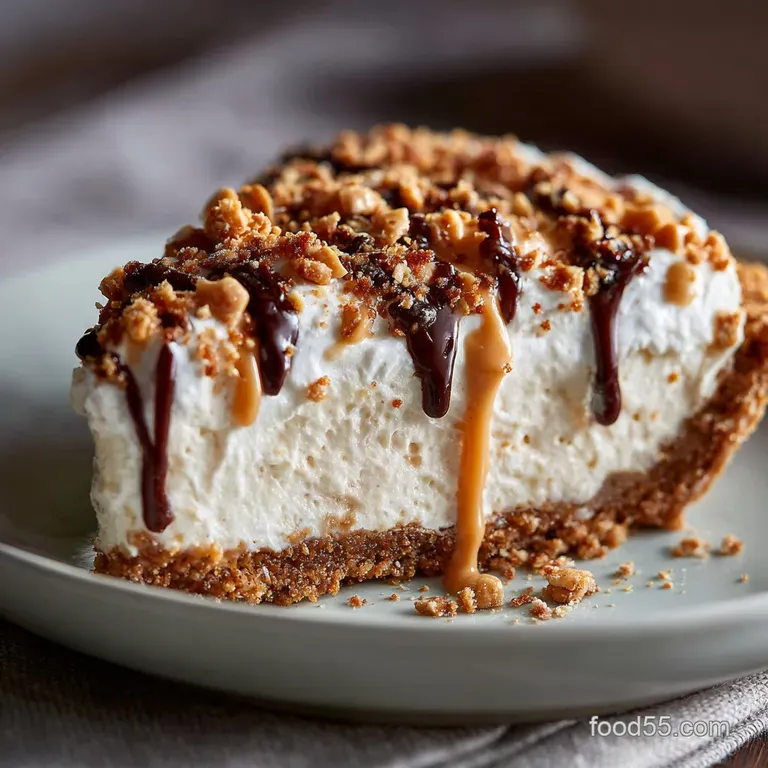
A perfect Amish Peanut Butter Cream Pie relies on technique, especially when you are introducing the air. Follow these stages exactly.
Step 1: Preparing the Base and Softening the Ingredients
First, get your crust ready and fully cooled. If you're using homemade shortcrust, make sure it is crisp all the way through a soggy bottom is a tragedy we can easily avoid. While the crust cools, take out your cream cheese and set it aside to soften.
Step 2: Creating the Foundation (Whipping the Initial Mixture)
Whisk the sugar and cornstarch together in a saucepan before adding the cold milk. This is crucial for preventing starchy lumps! Whisk this mixture constantly over medium heat until it starts to thicken noticeably, about five to seven minutes. Do not let it boil violently.
Chef's Note: Remember to temper the egg yolks! If you dump the cold yolks directly into the hot milk, you will instantly get scrambled eggs. Slowly whisk a ladleful of the hot liquid into the yolks first, then pour that mixture back into the saucepan. Cook only until it thickens like a gravy, then remove from heat.
Step 3: Folding Technique: Incorporating the Lightest Elements (Crucial for Air)
Stir the softened cream cheese and peanut butter into the hot custard base off the heat until everything is incredibly smooth. Then, transfer this base to a bowl and chill it completely you want it cold but still soft enough to mix.
While it chills, whip your cream, powdered sugar, and vanilla until beautifully stiff peaks form. This is where people fail: If your peanut butter base is still warm, it will melt the whipped cream instantly.
Step 4: Finalizing the Pie Shell and Achieving a Smooth Fill
Gently take about a third of the stiff whipped cream and fold it into the chilled peanut butter base; this is called "lightening" the mixture. Now, add the remaining whipped cream and fold meticulously with a rubber spatula, cutting down the center and turning the bowl until just combined.
Stop immediately when you no longer see white streaks! Pour the lightened filling into your cooled crust, smooth the top, and get ready to chill.
Mastering the Pie: Pro Tips for the Best Amish Peanut Butter Cream Pie
The Golden Rule: Do Not Overmix the Filling After Adding Whipped Cream
If you mix too aggressively or for too long, you force all the beautiful air out of the whipped cream, resulting in a dense, heavy, and very sad filling. We are aiming for light, airy, and fluffy. Fold, don't stir!
Troubleshooting a Runny or Loose Set (What Went Wrong)
A runny pie usually means one of two things: 1) You didn't cook the cornstarch custard long enough on the stovetop to activate the thickening agents, or 2) The peanut butter base was still too warm when you folded in the whipped cream.
If it’s slightly runny, you can try chilling it for another 24 hours. If it's soupy, you might need to scrape it out, reheat the base slightly, add a teaspoon of cornstarch dissolved in a tablespoon of cold milk, and then re-cool and refold.
Preventing the Filling from Sticking to the Knife During Serving
The secret to clean slices is to serve the pie straight from the coldest part of the fridge. Before each cut, dip your sharp knife into a tall glass of hot water and wipe it dry. The heat melts the surface just enough to glide through the creamy filling cleanly.
Keeping Your Comfort Fresh: Storage and make-ahead Guide
This pie is a brilliant make-ahead dessert, perfect for busy hosts.
Refrigeration Longevity and Best Cover Methods
Because this pie relies heavily on dairy (cream and cream cheese), it must be refrigerated at all times. It will last beautifully in the fridge for 3 to 4 days .
The best way to cover it is to place a few toothpicks into the filling first, then loosely tent the pie plate with plastic wrap or foil. This prevents the wrap from sticking directly to the delicate, creamy surface.
Can I Freeze Peanut Butter Cream Pie? (Freezing Guidelines)
Yes, you absolutely can! This pie freezes incredibly well, thanks to the stability provided by the cream cheese. First, make sure the pie is fully set and chilled overnight. Then, wrap the entire pie plate tightly in two layers of plastic wrap, followed by a layer of heavy duty foil.
It will keep for up to two months . To serve, thaw the pie overnight in the refrigerator; do not attempt to defrost it on the counter, as this can cause condensation and ruin the texture.
The Grand Finale: Garnishing and Pairing Suggestions
Serving a pie is just as important as baking it it’s all about presentation!
Perfect Toppings: Chocolate Shavings and Salted Peanuts
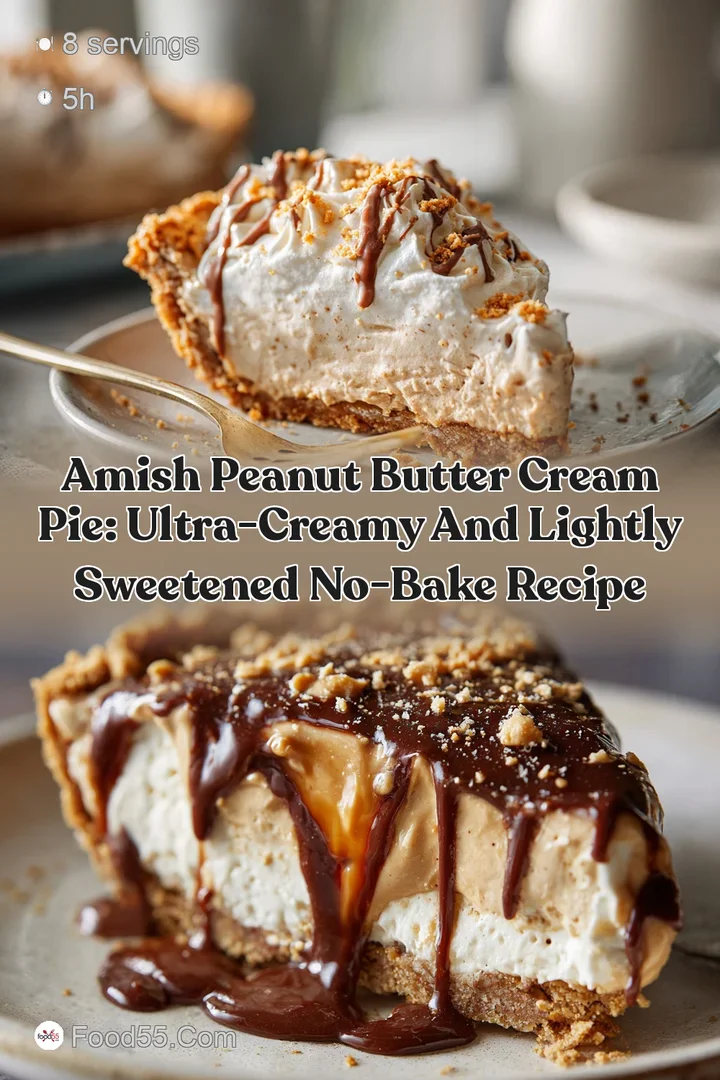
I always recommend topping this pie with a light sprinkle of chopped roasted peanuts just before serving, emphasizing that salty nutty contrast. For a bit of fancy decadence, grate some dark chocolate over the top. If you’re feeling ambitious, a small drizzle of chocolate ganache is truly excellent.
If you’re hosting a fall feast, pairing this super rich dessert with something lighter, like a slice of tart apple or maybe some tart cranberries, works wonders. Alternatively, if you want another equally cozy dessert that uses that same rich color palette, you could try my Stovetop Creamy Pumpkin Mac and Cheese: Velvety Sauce, Ready in 40 Min — okay, that’s not dessert, but it’s definitely comforting and cheesy!
Recipe FAQs
Why is my Amish Peanut Butter Pie filling too runny and not setting properly?
Runniness is usually due to two factors: insufficient chilling time or not whipping the heavy cream to stiff peaks. Ensure the heavy cream is extremely cold and whipped fully before folding it into the peanut butter mixture, as the whipped cream provides the essential structure.
If the recipe includes cream cheese, make sure it is fully softened and blended smooth before mixing in other ingredients.
Can I use natural, oil-separating peanut butter instead of commercial creamy peanut butter?
It is strongly recommended to use commercial, shelf stable creamy peanut butter (like Jif or Skippy) for this recipe. Natural peanut butter tends to separate its oils even when mixed, which can lead to an oily, loose texture that prevents the filling from binding and setting correctly.
The emulsifiers in commercial brands are necessary stabilizers for this no-bake application.
How long can I store the pie, and is it suitable for freezing?
The finished pie can be stored, covered loosely, in the refrigerator for up to 4 days, though the crust will soften slightly over time. This cream pie freezes beautifully; wrap the pie tightly in plastic wrap and then foil, and it will keep well for up to 2 months.
Thaw the frozen pie overnight in the refrigerator before serving.
My pie tastes a little flat or too sweet. How do I achieve a better flavor balance?
The key to balancing the sweetness of the filling is the addition of salt and vanilla extract. Always add an extra pinch of fine sea salt to the peanut butter mixture to enhance the savory notes and cut through the sugary flavor.
Furthermore, using a high-quality vanilla extract significantly deepens the flavor profile, preventing it from tasting one-dimensional.
Can I make this Amish Peanut Butter Cream Pie dairy-free or vegan?
Yes, this pie adapts well to dairy-free substitutions. You can replace the heavy cream with chilled full fat canned coconut cream or a commercial non-dairy whipping cream alternative.
Ensure that any milk or cream cheese called for is substituted with full fat vegan alternatives, and chill all substitutes thoroughly before whipping.
What is the ideal crust to use if I don't want a standard graham cracker crust?
For a traditional contrast, a perfectly baked shortcrust pastry (pâte sablée) offers a buttery, flaky texture that holds up well against the rich filling. Alternatively, a crushed chocolate wafer or Oreo cookie crust is a classic pairing with peanut butter and provides a richer, darker flavor profile.
How long must the pie chill before it is firm enough to slice and serve?
To ensure the pie is fully set and maintains its shape when sliced, it requires a minimum chilling time of 6 hours in the refrigerator. However, for the very best structure and cleanest slices, it is highly recommended to chill the pie overnight, aiming for 8 to 12 hours.
Amish Peanut Butter Cream Pie Recipe
Ingredients:
Instructions:
Nutrition Facts:
| Calories | 398 kcal |
|---|---|
| Protein | 7.0 g |
| Fat | 19.0 g |
| Carbs | 50.0 g |
