The Chefs Secret Authentic Greek Vinaigrette the Dressing That Makes the Salad
- Why This Recipe Redefines Authentic Greek Salad Dressing
- The Philosophy Behind Perfect Mediterranean Emulsion
- Curating the Core Elements for Superior Flavor
- Mastering the Ratio: Essential Components of Greek Vinaigrette
- The Simple Art of Creating a Vibrant Greek Salad Dressing
- Achieving Perfect Consistency: Mixing Techniques Explained
- Maximizing Shelf Life and Flavor Potency
- Beyond the Salad Bowl: Creative Uses for Leftover Dressing
- Recipe FAQs
- 📝 Recipe Card
Why This Recipe Redefines Authentic Greek Salad Dressing
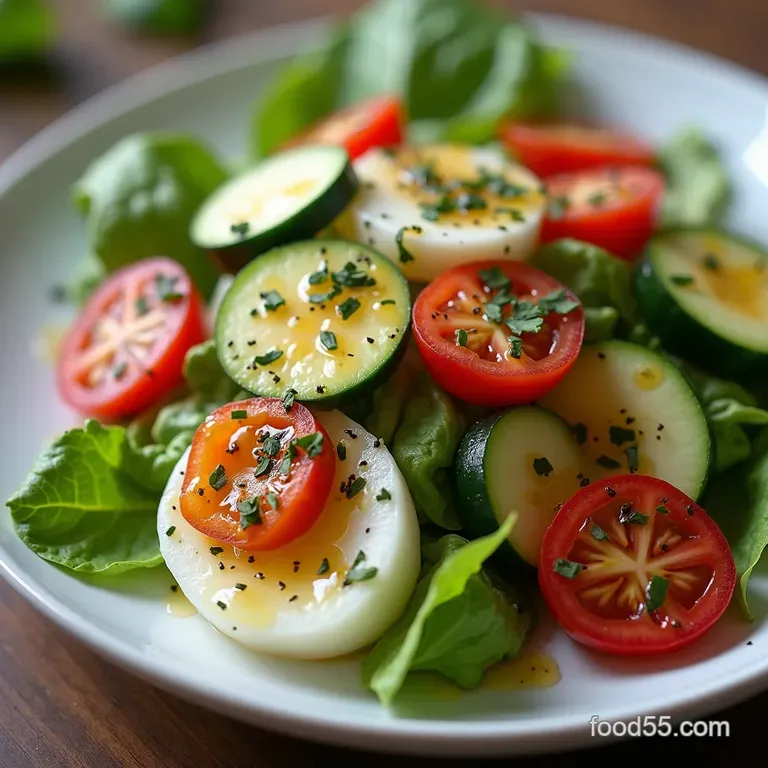
Forget everything you thought you knew about vinaigrettes. This is not merely a light coating; this is the foundational flavour of authentic Hellenic cuisine. When we discuss a true Horiatiki (village salad), the dressing the herbaceous, tangy nectar that binds the salty feta, crisp cucumber, and sweet tomato is non-negotiable.
Crafting the ultimate Greek Salad Dressing Recipe is about embracing simplicity, allowing just a few high-quality components to shine. This recipe delivers that sun-drenched zestiness that bottled varieties can only dream of achieving, elevating any simple bowl of greens to something extraordinary.
The Philosophy Behind Perfect Mediterranean Emulsion
The magic of Mediterranean cuisine often lies in its restraint. We aren't piling on complex spices; we are honouring prime ingredients. This preparation method focuses on achieving a perfect, stable emulsion, turning simple liquids into a cohesive, velvety sauce.
Banish Bottled Blandness: Taste the Difference
The difference between our homemade dressing and store-bought alternatives is staggering. Commercial dressings often rely on thickeners, stabilizers, and sometimes even sugars to mimic texture and longevity. Here, we achieve depth and body naturally.
By correctly balancing the robust flavour of quality oil with the sharpness of the vinegar, you create an Amazing Salad Dressings experience that wakes up the palate rather than weighing it down.
More Than a Sidekick: The Dressing's Role in Horiatiki
In Greece, the dressing is often added last, and sometimes, the residual juices from the vegetables and the salty brine from the feta combine with the dressing to create a glorious, flavourful pool at the bottom of the bowl perfect for sopping up with crusty bread.
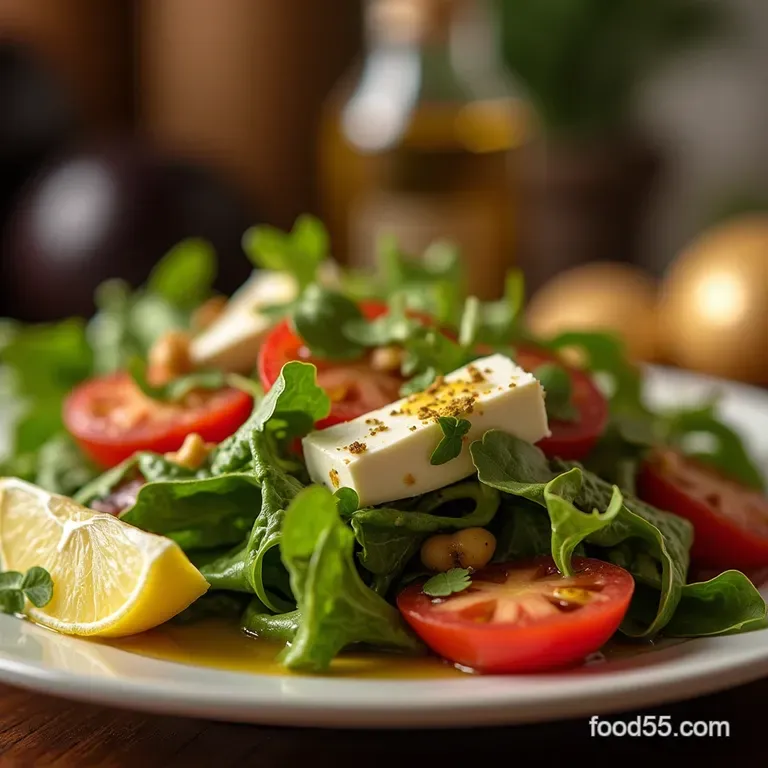
This Greek Salad Dressing with Feta synergy is essential; the dressing must be potent enough to stand up to the strong character of the cheese.
Sunshine in a Jar: What Makes This Vinaigrette Unique
What truly sets this vinaigrette apart is the potent pairing of excellent olive oil with the distinct aroma of oregano. We aim for a bright, piquant profile. The inclusion of fresh Greek Salad Dressing Lemon juice alongside the vinegar prevents the dressing from tasting flat, adding a necessary high note of acidity that makes every bite refreshing.
This balance is key to achieving that authentic, mouth watering tang.
Curating the Core Elements for Superior Flavor
To create a truly superior Greek Salad Dressing , one must source ingredients with intention. There are no fillers here; every element plays a crucial part in the final taste profile.
Focus on the intensity of your aromatics and the quality of your liquids; they are the backbone of this dressing.
Mastering the Ratio: Essential Components of Greek Vinaigrette
The classic ratio for a sturdy vinaigrette is generally 3 parts oil to 1 part acid, but for the bright, zesty punch required in an authentic preparation, we lean slightly heavier on the tang.
We start with a base of 1/2 cup of high-quality Extra Virgin Olive Oil married to 1/4 cup of sharp Greek Salad Dressing Red Wine Vinegar .
This ratio ensures the dressing is bright enough to cut through the fat of the feta without overpowering the delicate flavour of the fresh vegetables.
The Crucial Role of high-quality Extra Virgin Olive Oil
Do not compromise on your oil. The olive oil is the primary carrier of flavour. Choose a cold pressed, robust Extra Virgin Olive Oil (EVOO) that has a slight peppery finish. This characteristic ‘bite’ is what gives the final Greek Salad Sauce its depth and richness.
Selecting the Right Acidity: Choosing Your Wine Vinegar
For this recipe, Red Wine Vinegar is non-negotiable for true authenticity. Its deep, slightly fruity yet sharp profile complements the oregano beautifully. While you can adjust the ratio slightly, avoid swapping it entirely for lighter vinegars if you seek that classic intensity.
The Herb that Defines Greece: Handling Dried Oregano
Oregano provides the signature herbaceous signature. We call for one teaspoon of dried oregano, but here’s the secret: before adding it to the liquid mixture, gently crush the dried leaves between your palms.
This simple action releases the volatile oils, making the flavour dramatically more fragrant and potent when infused into the dressing.
Essential Tools for Seamless Dressing Preparation
You will need a sturdy whisk or a jar with a tight lid. While a whisk allows for gradual incorporation of the oil, the jar method is often more reliable for achieving a perfect, lasting emulsion quickly, giving you a truly stable vinaigrette ready to coat every surface of your salad components.
Related Recipes Worth Trying
- Classic Chicken Salad Pinwheels The Ultimate MakeAhead Nibble — Skip the soggy sandwich These simple Chicken Salad Pinwheels use cream cheese and a hint of spice for a refreshing tortilla roll up Perfect for parties
- The Proper Pantry Mediterranean Chickpea Salad Recipe — Tired of sad desk lunches This easy Chickpea Salad is vibrant packed with fresh herbs and feta and dressed with a zesty lemon vinaigrette Get the recipe
- Easy Apple Pecan Chicken Salad Recipe Golden Crunch — Meet the ultimate Creamy Apple Pecan Chicken Salad This easy summer recipe is loaded with crisp apples and toasted pecans for the perfect lunch Get the recipe
The Simple Art of Creating a Vibrant Greek Salad Dressing
This process takes mere minutes, yet the results far surpass the effort. Our goal is a perfectly emulsified, deeply flavoured Greek Salad Dressing Lemon infusion that is ready to be poured immediately or rested for enhanced flavour development.
Achieving Perfect Consistency: Mixing Techniques Explained
The term "vinaigrette" implies a separation of oil and acid; however, a perfectly dressed salad requires a temporary emulsion a temporary marriage between the two that clings beautifully to the ingredients.
Prepping the Aromatics: Mincing Garlic and Shallots (Optional)
We incorporate one small clove of fresh garlic, minced as finely as possible, or even grated on a microplane for maximum dispersion. If you find raw garlic too assertive, a quick rinse under cold water after mincing can mellow its harsh edge without removing the beneficial flavour compounds.
The Whisking Method: Slow Incorporation for Smoothness
If you choose the bowl and whisk method, combine all ingredients except the olive oil first: the vinegar, lemon juice, garlic, oregano, Dijon mustard (our emulsifier helper), salt, and pepper. Whisk these vigorously until the salt dissolves.
Now, drizzle the olive oil in an agonizingly slow, thin stream while whisking relentlessly. Stop periodically to ensure the mixture is incorporating before adding more oil. This careful technique yields a glossy, unified dressing.
Shaking It Up: The Jar Method for Quick Mixing
For those who prefer efficiency, combine all ingredients into a glass jar with a dependable, tight seal. Secure the lid and shake with enthusiasm for 60 to 90 seconds. The sheer mechanical energy of the shake forces the oil and vinegar together into a temporarily creamy texture.
Taste Testing: The Final Balance Check Before Serving
Before deeming your Greek Salad Dressing Recipe complete, always taste. It should be assertive. Does it need more salt to enhance the feta flavour? A tiny pinch more pepper? If it tastes too sharp, add a few more drops of oil; if it’s dull, add a splash more vinegar or lemon juice.
Maximizing Shelf Life and Flavor Potency
This fresh dressing improves with age, though it needs mindful storage.
Optimal Storage Practices for Your Homemade Vinaigrette
Store any leftover Greek Salad Dressing in an airtight container in the refrigerator. Because of the fresh garlic, it’s best consumed within one week. The cold temperature will cause the olive oil to solidify slightly and the dressing to separate this is completely normal.
Troubleshooting: What to Do If Your Dressing Separates
If separation occurs (and it will!), simply remove the dressing from the fridge about 20 minutes before use to let it warm slightly. Then, whisk thoroughly or shake vigorously one last time.
A well made emulsion using Dijon mustard tends to hold its structure longer than a basic oil-and-vinegar mix.
Flavor Variations: Adding a Touch of Lemon or Dijon
While the core recipe is traditional, experimentation is encouraged. A squeeze of fresh Greek Salad Dressing Lemon brightens the finish significantly. Alternatively, incorporating a half teaspoon of Dijon mustard acts as a powerhouse emulsifier, yielding a thicker, almost creamy texture often sought in modern iterations of How To Make Greek Goddess Dressing styles.
Serving Suggestions: How Much Dressing Per Salad?
Resist the urge to drown your salad. A good dressing should coat the ingredients lightly, not pool heavily underneath. For a large bowl serving 4 6 people, start with 4 tablespoons of dressing, toss gently, and then add more only if necessary.
Remember, the tomatoes will release their own juices, adding to the flavour base.
Beyond the Salad Bowl: Creative Uses for Leftover Dressing
Don't let any of this magnificent liquid go to waste! This bright, zesty vinaigrette makes one of the Best Dressing For Salad options, but it excels elsewhere too.
Use it to marinate halloumi cheese before grilling, whisk it into creamy hummus for an extra layer of tang, or toss it with roasted root vegetables like carrots and parsnips before they hit the oven. Its bold profile ensures it always makes an impact, no matter the application.
Recipe FAQs
Why does my Greek Salad Dressing separate so quickly?
That's usually down to the emulsion not quite holding it's a common kerfuffle! The Dijon mustard in this recipe acts as a stabiliser, but the key is the slow addition of oil.
Make sure you drizzle the olive oil in a very thin, steady stream while whisking like mad, or give the jar a seriously vigorous shake until it looks creamy, not just oily.
Can I make this Greek Salad Dressing ahead of time, and how long will it last?
Absolutely, making it ahead is best as the oregano flavour really deepens overnight! Store the dressing in an airtight jar in the fridge for up to a week. Just remember to pull it out about 20 minutes before serving; if it’s too cold, the olive oil can solidify a bit, making it gloopy.
Give it a good shake before you drizzle!
My garlic flavour is overpowering the dressing; how can I mellow it out?
That sharp, raw bite can certainly dominate! If you don't want to skip the garlic altogether, try grating it finely and then briefly rinsing the pulp under cold water to wash away some of the harsh sulphurous compounds, before patting it dry and adding it to the vinegar mixture.
Alternatively, let the garlic steep in the vinegar for 15 minutes before adding the oil, then strain it out before serving.
What’s the deal with oregano? Can I use fresh, or must it be dried?
For truly authentic Greek Salad Dressing, dried Greek oregano is the standard bearer; its flavour is more concentrated and herbaceous than most fresh varieties. If you must use fresh, you'll need about three times the amount (3 teaspoons), and you should chop it finely and crush it between your fingers first to release its oils.
What if I don't have red wine vinegar? What’s a good substitute?
Red wine vinegar brings that signature Mediterranean sharpness, but if you're stuck, white wine vinegar is the next best thing it offers a very similar profile. For a slightly sweeter, fruitier note, you could use apple cider vinegar, but I'd recommend starting with a little less and adding more to taste, as it can be less punchy than the red wine version.
Authentic Greek Salad Dressing
Ingredients:
Instructions:
Nutrition Facts:
| Calories | 3691 kcal |
|---|---|
| Protein | 26.8 g |
| Fat | 114.8 g |
| Carbs | 231.7 g |
| Fiber | 64.5 g |
| Sodium | 2106 mg |
