The Queens Simple Supper Authentic Margherita Pizza a Highheat Home Bake
Unlocking the Essence of Neapolitan Simplicity
The margherita pizza is often called the simplest of all pizzas, yet mastering it is a mark of true culinary dedication. It relies solely on the purity of its few components: dough, tomato, mozzarella, and basil. This simple food, done spot on, offers the most profound flavour experience.
If you are exploring Italian Food To Make At Home , beginning with this classic is a superb choice, offering immediate rewards and a foundation for all Good Pizza Recipes .
The Royal History Behind the Red, White, and Green
The story of the dish is as iconic as its flavours. The traditional Margarita Pizza was created in Naples in 1889 by Pizzaiolo Raffaele Esposito to honor Queen Margherita of Savoy.
He deliberately chose ingredients that mirrored the colours of the recently unified Italian flag: the red of the rich San Marzano tomato sauce, the white of the fresh mozzarella, and the vibrant green of the aromatic basil leaves.
This dedication transformed a street food into a royal dish, setting the global standard for the authentic margherita pizza recipe .
Defining Your Perfect Pizza Crust
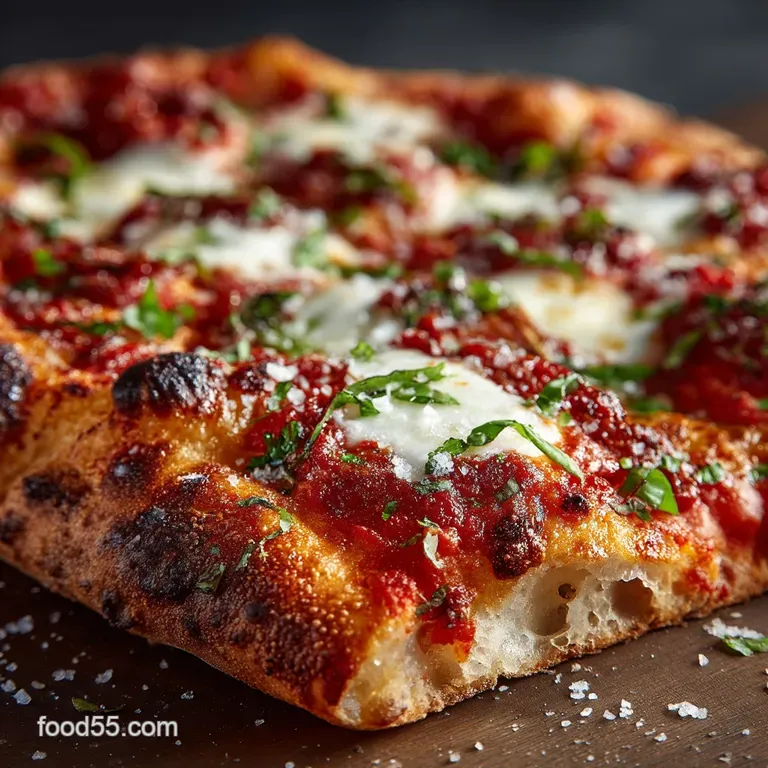
The defining characteristic of an authentic Neapolitan style pizza is the crust airy, light, and chewy, with large, irregular air bubbles and leopard spot charring. This requires a specific approach to dough management and heat.
While many Pizza Recipe Ideas For Beginners might suggest rolling the dough thin, our focus is on gentle stretching to preserve the precious air pockets developed during the crucial 12 24 hour slow proofing period. This longer fermentation process is key to both texture and complex flavour.
Essential Equipment for a High Heat Finish
To replicate the intense heat of a traditional wood fired oven in a standard kitchen, specific tools are non-negotiable. Achieving that blistered, puffed crust and an instant cook on the bottom requires extreme temperatures. The absolute essentials include a sturdy Pizza Stone or Pizza Steel .
This cooking surface must be placed on the top rack of the oven and preheated to the highest possible temperature (usually 500° F– 550° F or 260° C– 290° C) for a minimum of 60 minutes.
On top of that,, a Pizza Peel , lightly dusted with semolina, is required for safely launching the pizza onto and retrieving it from the searing hot stone.
The Three Pillars of a Perfect Margarita Pizza
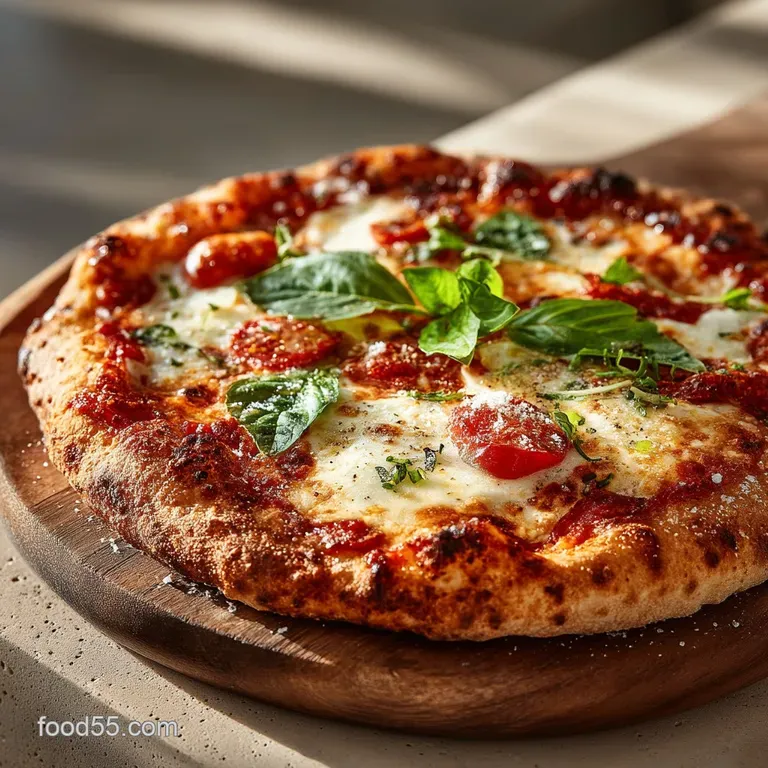
The magic of the Margarita Pizza lies in respecting the quality of the few chosen ingredients. For a batch yielding two 12 inch pizzas (four servings), precision in measurement is paramount, especially when handling the dough and high moisture toppings.
The Foundation: Elevating Your Homemade Dough
Our dough recipe begins with 300 grams (about 2 ½ cups) of bread flour or specific "00" pizza flour, mixed with 5 grams (1 teaspoon) each of instant dry yeast and fine sea salt, plus 240 ml (1 cup) of warm water (between 105° F and 115° F) and a tablespoon of olive oil.
After whisking the yeast into the warm water and letting it foam for five minutes, the liquid is combined with the dry ingredients. The mixture is then kneaded vigorously for 8– 10 minutes until smooth and elastic.
While two hours is the minimum for the first rise, allowing a slow, cold proof in the refrigerator for 12 to 24 hours drastically improves the flavour profile and structure.
Following the first rise, the dough is divided into two balls and rested for an additional 30 minutes before shaping.
Sourcing the Definitive Tomato and Basil
The red component of the Italian flag must be absolutely stellar. The finest choice for the margherita pizza sauce recipe involves using a 28 oz can of whole peeled San Marzano tomatoes. These tomatoes have a lower acid content and a natural sweetness perfect for pizza. Crucially, the sauce is uncooked.
After draining the liquid, the tomatoes are crushed gently by hand, seasoned with just a half teaspoon of sea salt, and nothing else. This simple preparation, often demonstrated in helpful Simple Recipe Videos , ensures the vibrant, fresh flavour shines through.
The final touch is a generous handful of fresh, young basil leaves, added only after the bake.
Achieving the Creamy Dream: Selecting Fresh Mozzarella
For the white component, 225 grams (8 ounces) of fresh, low-moisture mozzarella, ideally in ball form, is required for the two pizzas. The biggest pitfall home cooks face is excess moisture, which leads to a soggy crust.
To counteract this, tear the mozzarella into small, thumbnail sized pieces and vigorously pat them dry using paper towels. This moisture control step is absolutely non-negotiable for achieving a crisp base.
Mise En Place: Prepping Your Toppings for Optimal Melt
Before the oven preheats, all components must be ready this is the true spirit of mise en place . The dry, torn mozzarella should be waiting, the hand crushed sauce salted, and the two dough balls rested and ready to be shaped.
Total active prep time for these steps is only about 25 minutes, meaning once the 60-minute oven preheat is complete, the assembly-to-bake process can happen rapidly and smoothly, preventing the dough from sticking to the peel.
Related Recipes Worth Trying
- The Only Classic Pizza Dough Recipe You Need Chewy Crust Deep Flavor — Achieve true chewy restaurantquality results with our Homemade Pizza Crust This classic pizza dough recipe from scratch develops nutty flavour with a...
- LowCarb Zucchini Pizza Boats Recipe The Ultimate Healthy Pizza Swap — These Pizza Stuffed Zucchini Boats are a brilliant healthy pizza hack Our foolproof method ensures tender courgette shells and a gooey bubbly filling A...
- The Freshest Summer Star Watermelon Pizza with Feta Balsamic — This Watermelon Pizza with Feta and Balsamic is the ultimate refreshing Summer Appetizer Creamy whipped feta meets sweet fruita real showstopper Get the...
The Art of Assembly: Stretching, Saucing, and Firing
The transition from prepared ingredients to a baked classic is swift and demands focus. This is where How To Make Italian Pizza shifts from theory to practice, culminating in a beautiful, blistered crust.
The Gentle Stretch: Shaping Your Dough Without Tearing
Avoid the rolling pin, as its aggressive action deflates the precious fermentation gases that give the crust its structure. Instead, gently press and stretch one dough ball on a lightly floured surface fine semolina flour works exceptionally well here, preventing sticking.
Working from the center outward, aim for a rough 12 inch circle, ensuring you leave a slightly thicker rim to form the cornicione (the puffy edge). Once shaped, immediately transfer the dough to your pizza peel, which should be dusted liberally with semolina to guarantee a smooth launch.
Layering the Colours: The Correct Sauce and Cheese Application
Once the dough is securely positioned on the peel, apply half of the uncooked tomato sauce sparingly. Leave a clean 1 inch border around the edge for the crust. Next, scatter half of the thoroughly dried mozzarella pieces evenly over the sauced area.
It is important not to over top the pizza; the Neapolitan style champions balance. Give the peel a gentle shake to ensure the pizza slides freely if it sticks now, it will be a major issue when launching into the oven.
Preheating Protocols: Getting Your Oven Stone Smoking Hot
Recall that pizza is a high heat sport. Place your pizza stone or steel on the top rack of your oven and set the temperature to its maximum capacity ( 500° F to 550° F is ideal).
It is essential to let the oven preheat for a full 60 minutes. This extended period ensures the stone is saturated with heat, providing the critical thermal shock needed to cook the bottom of the crust instantly, resulting in the desired puff and crispness.
The Launch and Rotation: Achieving Even Char and Puff
Open the oven and quickly slide the pizza off the peel and onto the screaming hot stone or steel. Speed is key here to maintain the oven temperature. Bake the margherita pizza for 8– 12 minutes.
During this time, the edges will puff dramatically, and the crust will begin to blister and char in authentic "leopard spot" fashion. If your oven has a hot spot, a quick rotation halfway through the bake will ensure even cooking.
When the cheese is melted and bubbling and the crust is gorgeously coloured, remove the pizza using the peel.
Beyond the Bake: Advanced Tips for Your Best Margarita Pizza
Perfecting the Margarita Pizza takes practice, but applying a few professional tips can elevate your results immediately.
Troubleshooting Common Dough Failures
One common failure, especially for those trying out new Pizza Recipe Ideas For Beginners , is a "soggy bottom." This is almost always due to two issues: insufficient preheating time (meaning the stone wasn't hot enough) or excess moisture in the toppings.
Always verify the stone has heated for a full hour, and never skip the step of patting the fresh mozzarella rigorously dry. If your dough is tough rather than chewy, you likely either kneaded too little or failed to give it adequate resting and proofing time, especially the final 30-minute rest after dividing the balls.
Serving Suggestions and Fresh Herb Finishing Touches
Once the pizza is out of the oven, the crucial final step is the addition of the fresh basil. Scattering the large handful of leaves immediately over the hot pizza allows the residual heat to gently wilt the basil while preserving its vibrant green colour and potent aroma.
Finish with a generous drizzle of your very best quality extra virgin olive oil. For a complete Italian experience, pair your homemade pizza with a simple rocket (arugula) salad dressed only with olive oil and lemon juice, and a crisp Italian lager or a light Chianti.
Nutritional Snapshot and Ingredient Swap Considerations
Based on the dough recipe and full fat mozzarella, an estimated nutritional snapshot places this recipe at roughly 600 kcal per half pizza serving. While the recipe is deceptively simple, it offers about 24 grams of protein per serving.
For substitutions, if San Marzano tomatoes are unavailable, use high-quality fire roasted canned tomatoes. If you must replace fresh mozzarella, use low-moisture whole milk mozzarella, ensuring it's not pre-shredded, as those often contain anti caking agents that hinder a perfect melt.
Those seeking a dietary adaptation might try a certified gluten-free pizza flour blend, following the manufacturer’s instructions for hydration and proofing times.
Storing and Reheating Leftover Homemade Pizza
While truly great pizza is best consumed fresh, any leftover Margarita Pizza can be stored in an airtight container in the refrigerator for up to three days. For the best reheating results, avoid the microwave, which turns the crust rubbery.
Instead, place the slices on a baking sheet and heat them in a toaster oven or standard oven set to 350° F ( 175° C) until the cheese re-melts and the crust crisps back up usually about 8 to 10 minutes.
Alternatively, heating slices in a skillet on medium heat with a lid on for the last minute can revitalize the crust beautifully.
Recipe FAQs
Why does my Margarita Pizza always get a soggy middle? Is the fresh cheese the culprit?
Absolutely spot on, the fresh mozzarella is often the villain here! It releases a surprising amount of water as it melts, which steams the dough, resulting in a floppy texture. Make sure you tear the cheese and pat it bone dry with kitchen roll before scattering it on the pizza.
Help! My oven doesn’t go up to 550°F, or I don’t have a pizza stone. Can I still make a cracking Margherita?
Don't fret if your oven won't reach those crazy high temperatures! Crank it up as high as it will go (500°F / 260°C is usually the minimum target for a decent result). If you don't have a stone or steel, flip a sturdy, unrimmed metal baking tray upside down and preheat it on the top shelf for at least 45 minutes it acts as a passable heat conductor for a decent crispy base.
I haven't got all day for the dough to prove! Can I rush the resting time outlined in the recipe?
You can certainly opt for the minimum 2-hour proof, but you will sacrifice some of the flavour depth. The 12-24 hour slow, cold proof in the fridge is key for developing the complex, slightly tangy flavour and fantastic texture that makes a true Italian crust so delicious.
If you must rush, ensure your kitchen is very warm during the rise, but know that patience really pays off here!
Should I cook the tomato sauce first, or is uncooked really better for this type of pizza?
For a truly authentic Neapolitan style Margherita, the sauce should definitely be uncooked. Cooking the sauce beforehand often mutes the bright, fresh sweetness of high-quality San Marzano tomatoes, making the final result taste flat.
Simply crushing them by hand and seasoning them allows that lovely, vibrant, raw flavour to really shine through once it hits the high heat.
What’s the best way to store and reheat Margherita Pizza leftovers? I hate rubbery pizza!
Leftovers are always a bit of a faff, but avoid the microwave at all costs it makes the crust tough and rubbery. The best method is to reheat slices in a frying pan on medium low heat with a lid on top for about five minutes; the base gets crispy again and the top steams slightly.
An air fryer is also brilliant for restoring that fresh baked crunch.
Authentic Highheat Margarita Pizza Recipe
Ingredients:
Instructions:
Nutrition Facts:
| Calories | 816 kcal |
|---|---|
| Protein | 19.3 g |
| Fat | 28.2 g |
| Carbs | 38.7 g |
| Fiber | 8.1 g |
| Sodium | 20276 mg |
