Baked Grilled Cheese
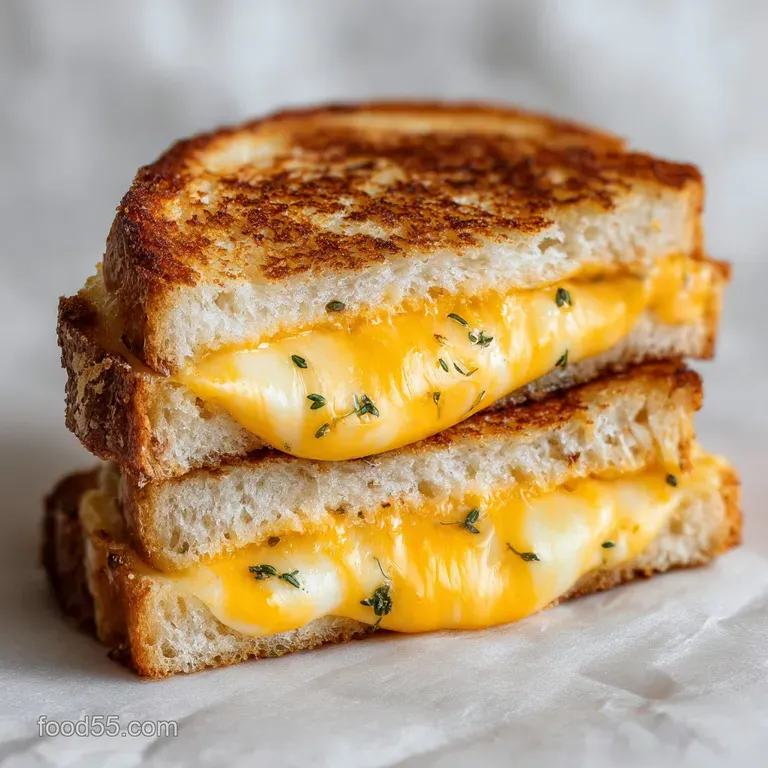
- Time: Active 10 minutes, Passive 12 minutes, Total 22 minutes
- Flavor/Texture Hook: Tangy sourdough with a shattering golden crust and a three cheese velvety pull.
- Perfect for: Family game nights, rainy day lunches, or feeding a hungry crowd without standing over a stove.
- Making the Best Baked Grilled Cheese
- Thermal Dynamics for Cheese Melts
- Essential Components for the Melt
- Kitchen Tools for Golden Crusts
- Assembling the Perfect Crispy Sandwich
- Solving Common Toasted Bread Troubles
- Modifying the Batch Size Properly
- Innovative Twists on the Classic
- Storing and Reheating Your Leftovers
- Selecting the Best Side Dishes
- High in Sodium
- Recipe FAQs
- 📝 Recipe Card
Making the Best Baked Grilled Cheese
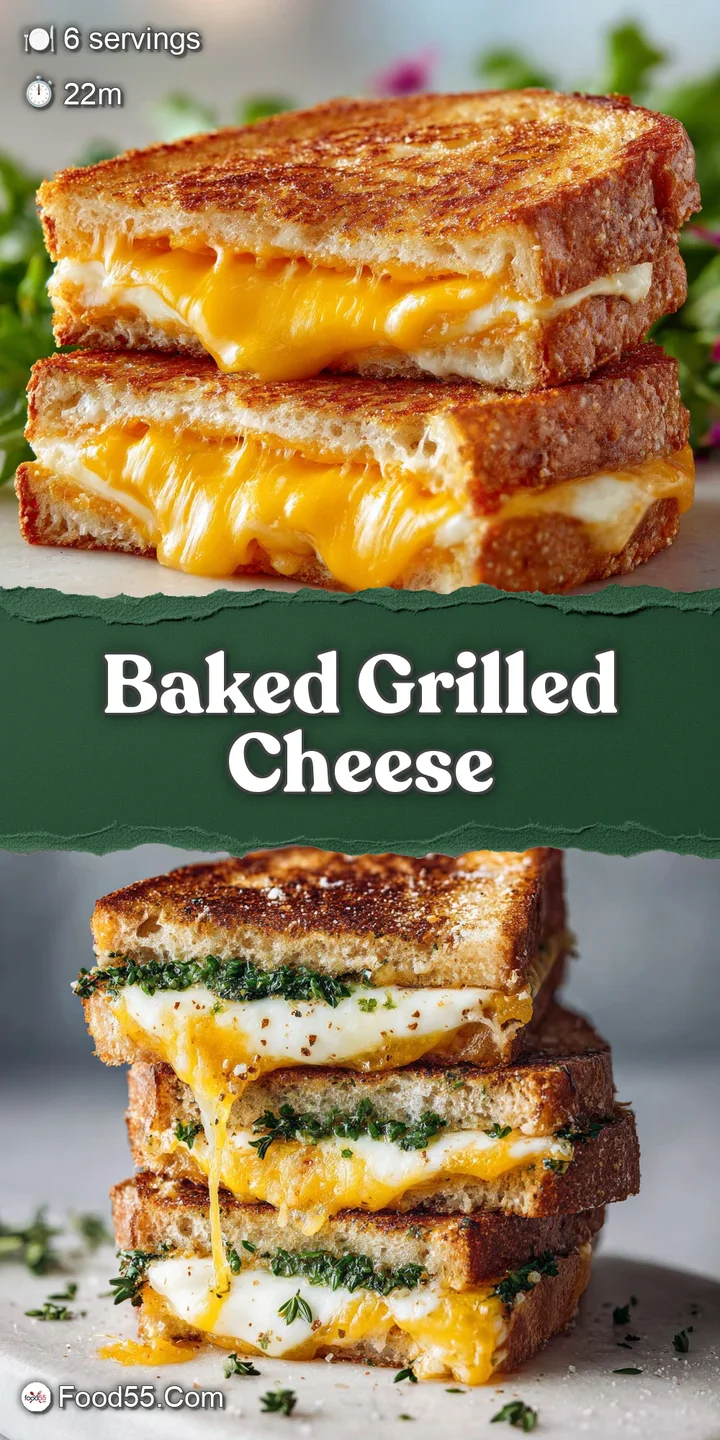
Imagine a tray of twelve sourdough slices hitting the oven rack, the 6 tablespoons of unsalted butter already beginning to sizzle and hiss against the metal. I first discovered this method during a chaotic Sunday football gathering when the thought of flipping six individual sandwiches in a skillet felt like a personal marathon I wasn't prepared to run.
Instead of hovering over a burner, I preheated the oven and hoped for the best and the result was a revelation that changed our weekend lunches forever.
The aroma that fills the kitchen is heavy with the nutty scent of melting Gruyère and the sharp, comforting tang of cheddar. There is something deeply satisfying about pulling a single sheet pan out and seeing a sea of perfectly uniform, bronze colored crusts.
It brings people together at the table all at once, rather than in shifts, making the meal feel like a genuine shared experience.
This recipe relies on the intense, even heat of the oven to mimic the press of a spatula. By using a mix of sharp cheddar, Monterey Jack, and Gruyère, we create a complex flavor profile that feels far more sophisticated than the plastic wrapped slices of our childhood.
You get the crunch, the pull, and that buttery finish in every single bite.
Thermal Dynamics for Cheese Melts
- Convection Crunch: Hot air circulates around the sandwiches on the sheet pan, dehydrating the bread surface rapidly to create a uniform shatter rather than a localized sear.
- Fat Conductivity: The 6 tablespoons of unsalted butter act as a heat transfer medium, frying the bread fibers against the pan for a deep, even browning.
- Triple Point Emulsification: Combining high moisture Monterey Jack with aged sharp cheddar ensures the cheese reaches a velvety state without separating into oil.
| Servings | Ingredient Adjustments | Pan Size | Cook Time |
|---|---|---|---|
| 2 people | 4 slices bread, 3 oz cheese | 9x13 inch rimmed sheet | 10 minutes |
| 6 people | 12 slices sourdough, 14 oz cheese | 18x26 inch full sheet | 12 minutes |
| 12 people | 24 slices bread, 28 oz cheese | Two full sheets (rotate) | 15 minutes |
Using a preheated sheet pan is a secret I learned after a few soggy bottomed failures. When the buttered sourdough hits a hot surface, the sizzle starts immediately, locking in the structure of the bread before the cheese even begins to weep. This ensures the bottom is just as crispy as the top, much like the technique used in my favorite Baked Feta Pasta recipe.
| Component | Science Role | Pro Secret |
|---|---|---|
| Sourdough | Structural integrity | Use day old bread; lower moisture levels lead to a louder, crispier shatter. |
| Gruyère | Flavor complexity | Grate it finely to ensure it weaves into the cheddar for a consistent melt. |
| Monterey Jack | Melting agent | This high fat cheese acts as the "glue" that keeps the sharper cheeses from breaking. |
Essential Components for the Melt
- 12 slices thick cut sourdough bread: Why this? The sturdy crumb holds up under the weight of triple cheese without collapsing.
- 6 tablespoons unsalted butter, softened: Why this? Provides the fat necessary for the Maillard reaction to turn bread golden.
- 8 oz sharp cheddar cheese, freshly grated: Why this? Provides the punchy, classic flavor profile everyone expects from a grilled cheese.
- 4 oz Monterey Jack cheese, grated: Why this? Its superior melting capability creates that iconic, long stretching cheese pull.
- 2 oz Gruyère cheese, finely shredded: Why this? Adds a sophisticated, nutty depth that balances the sharp cheddar.
- 1/4 teaspoon garlic powder (optional): Why this? Offers a subtle savory background note that mimics garlic bread.
- 1/4 teaspoon dried oregano (optional): Why this? Adds an earthy aroma that pairs beautifully with tomato based sides.
Kitchen Tools for Golden Crusts
To get that restaurant quality finish, you really need a heavy duty rimmed baking sheet. A flimsy pan will warp under the high heat, leading to uneven browning and "hotspots" where one sandwich burns while another stays pale.
I personally use a half sheet pan because it fits 12 slices of sourdough perfectly without overcrowding.
You will also want a box grater rather than the pre shredded bags. Pre packaged cheese is coated in potato starch or cellulose to prevent clumping, which is the enemy of a velvety melt. If you want that gooey center, grating the 8 oz of cheddar and 4 oz of Monterey Jack yourself is non negotiable.
A thin metal spatula is the final piece of the puzzle; it slides under the sourdough easily during the strategic flip without tearing the delicate toasted crust.
Assembling the Perfect Crispy Sandwich
- Preheat the oven. Set your rack to the middle position and crank the heat to 220°C (425°F). Note: High heat is vital for the bread to crisp before the cheese evaporates.
- Butter the sourdough. Spread the 6 tablespoons of softened butter evenly across one side of all 12 slices.
- Season the crust. Sprinkle the optional garlic powder and oregano directly onto the buttered sides. The aroma of the warming herbs will be your first cue the flavor is building.
- Place the base. Lay 6 slices, butter side down, onto your large baking sheet. Listen for a faint sizzle as the cold butter hits the room temperature pan.
- Layer the cheeses. Distribute the 8 oz cheddar, 4 oz Monterey Jack, and 2 oz Gruyère evenly across the 6 base slices.
- Close the sandwiches. Top with the remaining 6 slices of sourdough, ensuring the butter side is facing up.
- Initial bake. Slide the tray into the oven for 6 minutes until the edges begin to turn pale gold.
- The strategic flip. Carefully flip each sandwich using a thin spatula. Note: This ensures both sides benefit from direct contact with the hot metal.
- Final crisp. Bake for another 5 to 6 minutes until the bread is deep brown and the cheese is bubbling.
- Rest briefly. Let the sandwiches sit on the pan for 1 minute. The scent of toasted grain and sharp cheese will be at its peak here.
Solving Common Toasted Bread Troubles
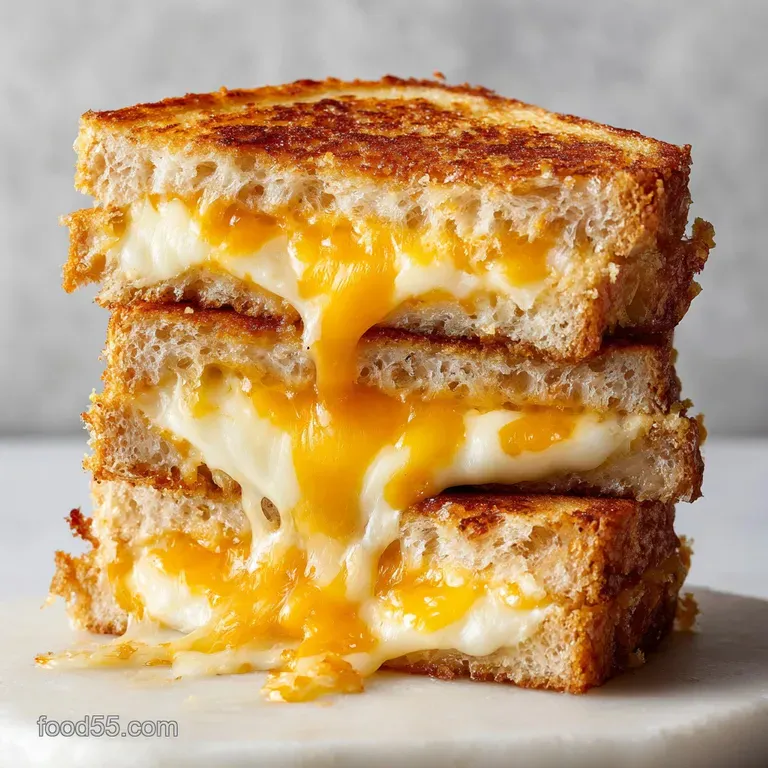
One mistake I once made was using bread that was way too fresh and soft. It absorbed the butter like a sponge and turned into a greasy mess. If your sourdough is fresh, leave the slices out on the counter for 30 minutes to dry out slightly before you start buttering.
This ensures the fat stays on the surface to fry the bread rather than soaking into the center.
Why Your Bread Is Soggy
This usually happens if the oven isn't hot enough or if you used too much butter. The butter needs to sizzle immediately to create a barrier. If the heat is too low, the butter just melts and soaks in. Ensure your oven actually reaches 220°C before the tray goes in.
Why Your Cheese Isn't Melting
If the bread is charred but the center is cold, your cheese was likely straight from the fridge and piled too high. Let the grated cheese sit at room temperature for 10 minutes while the oven preheats to give it a head start.
| Problem | Root Cause | Solution |
|---|---|---|
| Uneven browning | Oven hotspots | Rotate the baking sheet halfway through the cooking time. |
| Bread is too hard | Oven time too long | Reduce final bake by 2 minutes; use a higher rack position. |
| Cheese leaking out | Overstuffing edges | Keep the cheese 1/2 inch away from the sourdough crust edges. |
- ✓ Use a box grater for blocks of cheese to avoid anti clumping starches.
- ✓ Ensure butter is truly softened for a thin, even coating that doesn't tear the bread.
- ✓ Preheat your baking sheet for 2 minutes for an instant bottom sear.
- ✓ Don't overcrowd the pan; leave space for air to circulate and crisp the sides.
- ✓ Press down slightly with the spatula after the flip to ensure contact.
Modifying the Batch Size Properly
If you're flying solo, you can easily cut this recipe down to just 2 slices of sourdough. Use a small toaster oven pan and keep the temperature the same, but check the sandwiches 2 minutes earlier. Because there is less mass in the oven, the heat will penetrate the smaller surface area much faster.
Scaling up for a big party is where the Baked Grilled Cheese really shines. You can do two pans at once, just remember to swap their positions (top to bottom) when you do the flip. I usually find that when I double the batch, I don't need to double the garlic powder; 1.5x the spices is usually plenty to avoid overpowering the delicate Gruyère. If you're looking for another crowd pleaser that uses similar cheesy logic, check out my Boursin Cheese Recipe for a great appetizer while the sandwiches bake.
Innovative Twists on the Classic
- The Sweet & Savory: Swap the sourdough for thick brioche and add a thin layer of fig jam inside.
- The Spicy Kick: Add sliced pickled jalapeños between the Monterey Jack and the cheddar layers.
- The Pesto Press: Spread a tablespoon of basil pesto on the un buttered side of the sourdough before adding the Gruyère.
| Premium Ingredient | Budget Alternative | Flavor Impact | Savings |
|---|---|---|---|
| Aged Gruyère | Swiss Cheese | Milder, less nutty finish | Save $4-6 |
| Artisan Sourdough | Thick cut White Bread | Less tangy, softer crunch | Save $3-5 |
| Grass fed Butter | Standard Unsalted Butter | Less rich, lower fat aroma | Save $2-3 |
Storing and Reheating Your Leftovers
Leftover Baked Grilled Cheese can stay in the fridge for up to 3 days if wrapped tightly in foil. To avoid the dreaded "rubbery cheese" syndrome, never use a microwave for reheating.
Instead, pop them back onto a baking sheet at 180°C (350°F) for about 5 minutes. This revives the shatter of the sourdough without drying out the interior.
For zero waste, if you have crusts that didn't get eaten, chop them up into large cubes. Toss them in a pan with a little more butter and garlic, and you have the most incredible "grilled cheese croutons" for a bowl of soup the next day. You can even freeze the assembled, unbaked sandwiches.
Just wrap them individually in parchment and plastic wrap; they can go straight from the freezer to the oven just add 4 minutes to the total bake time.
Selecting the Best Side Dishes
The classic move is, of course, a creamy tomato basil soup. The acidity of the tomatoes cuts right through the richness of the 8 oz of cheddar. However, if you want something a bit more modern, a crisp arugula salad with a lemon vinaigrette provides a peppery contrast that makes the Gruyère sing.
Another fantastic pairing is a batch of spicy sweet potato fries. The sweetness of the potatoes highlights the caramel notes in the toasted sourdough. If you’re hosting a brunch, serving these alongside a big fruit platter helps balance the salty profile of the Monterey Jack.
No matter what you choose, the goal is cultural exchange on a plate bringing together different textures and temperatures to make the meal feel complete.
High in Sodium
945 mg mg of sodium per serving (41% % of daily value)
The American Heart Association recommends limiting sodium intake to about 2,300mg per day for most adults.
Sodium Reduction Tips for Grilled Cheese
-
Low-Sodium Cheese-15%
Substitute the regular cheddar, Monterey Jack, and Gruyère with low-sodium or reduced sodium versions of these cheeses. This can significantly decrease the overall sodium content.
-
Low-Sodium Bread-10%
Use low-sodium sourdough bread. Many sourdough breads have a naturally high sodium content; opting for a lower sodium version can help reduce the overall sodium level.
-
Unsalted Butter Only-5%
Ensure you're using completely unsalted butter, as the recipe already calls for it. Double check the label to confirm!
-
Flavor Boost
Experiment with adding other fresh or dried herbs and spices to enhance the flavor without relying on sodium. Consider using a blend of herbs like basil, thyme, or rosemary.
Recipe FAQs
What temperature do you grill cheese in oven?
Aim for 425°F (220°C). This high heat is crucial for achieving a crispy, golden crust before the cheese has a chance to overcook.
How to grill cheese in an oven?
Butter one side of bread slices, then place them butter side down on a preheated baking sheet. Layer your cheeses, top with the remaining bread (butter side up), and bake at 425°F (220°C) for about 12-15 minutes, flipping halfway through, until golden brown and bubbly. Mastering this synchronized bake is similar to how we control texture in our Thin Crust Pizza Dough Recipe Ready in 30 Min.
Is baked grilled cheese better?
Yes, for batch cooking and even crisping. Baking allows multiple sandwiches to cook simultaneously with uniform heat, creating a shatteringly crisp exterior and a perfectly melted interior that's hard to replicate on the stovetop for large groups.
How long to cook grilled cheese in the oven at 350 degrees?
About 15-20 minutes, but 425°F is recommended. At 350°F (175°C), it will take longer and might not get as crisp. You'll want to flip it halfway through and keep a close eye on it to prevent burning.
Can I use different types of bread for baked grilled cheese?
Yes, but thick cut is best. Sturdier breads like sourdough or country loaves hold up well to the cheese and high heat, similar to how a good crust is essential for a base in our The Comfort Classic Hearty Sausage and Spinach Baked Ziti.
What kind of cheese melts best for baked grilled cheese?
A blend of good melting and flavorful cheeses works wonders. Monterey Jack or Fontina for meltability, paired with sharp cheddar or Gruyère for taste, creates the perfect ooey gooey texture. You want a cheese that reaches its 'triple point' emulsification effectively.
How do I prevent my baked grilled cheese from getting soggy?
Ensure your oven is fully preheated and use softened, not melted, butter. Applying the butter evenly and placing the sandwiches on a hot baking sheet creates an immediate sizzle that helps crisp the bread. If you're looking for creamy perfection, our How to Make Mastro's Butter Cake: A Delicious Homestyle Recipe shows how crucial proper temperature control is for texture.
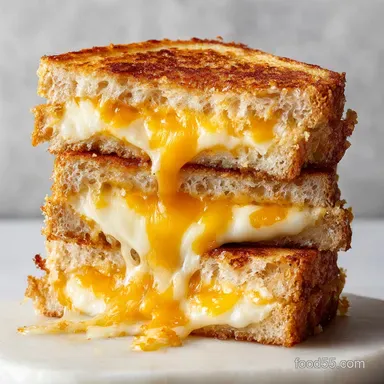
Baked Grilled Cheese
Ingredients:
Instructions:
Nutrition Facts:
| Calories | 612 kcal |
|---|---|
| Protein | 24.6 g |
| Fat | 33.4 g |
| Carbs | 48.5 g |
| Fiber | 2.1 g |
| Sugar | 2.4 g |
| Sodium | 945 mg |
