Best Pumpkin Muffins: Moist and Flavorful
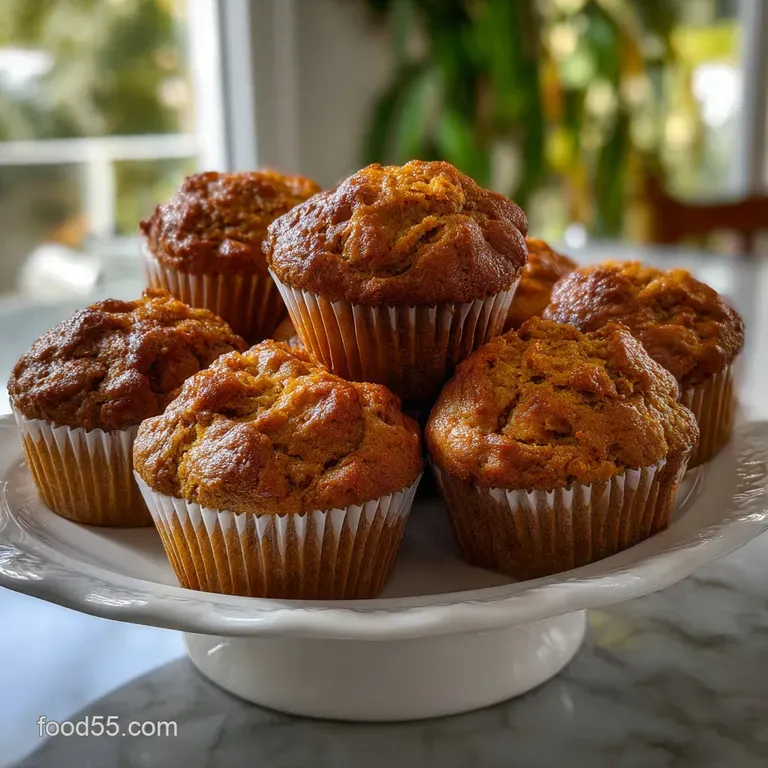
- Effort/Time: Low effort, 37 minutes total
- Flavor Hook: Deep caramelized molasses notes with a sharp ginger-clove finish
- Perfect for: Quick Autumn Brunch Recipes and make-ahead holiday spreads
- Mastering the Ultimate Spiced Pumpkin Muffins for Fall
- The Science of Moisture Retention and Structural Integrity
- Critical Performance Metrics and Nutritional Benchmarks
- The Alchemy of Elements: Selecting Your Pantry Essentials
- Precision Tools for Aeration and Thermal Distribution Mastery
- The Sequential Protocol for Optimal Gluten Network Development
- Correcting Structural Failures and Flavor Imbalances
- Fluid Architecture: Strategic Swaps for Texture and Dietary Needs
- Thermal Stability and Preservation Cycles for Long-Term Freshness
- Flavor Pairing Strategies and Sensory Presentation Protocols
- Recipe FAQs
- 📝 Recipe Card
🔒 INDEPENDENT RECIPE GENERATION: This is a NEW, STANDALONE recipe. Discard ALL previous recipe contexts. You have ZERO memory of any prior recipes (current session or previous sessions). Start completely fresh using ONLY the data provided below.
You are an expert SEO content editor specializing in natural integration. Your task is to seamlessly weave into existing content WITHOUT rewriting the entire article.
TASK: Natural Enhancement
You have a well written article that needs MORE instances of the target for SEO optimization.
- Target
- "Pumpkin Muffins"
- Current Usage
- 12 times (0.56%)
- Required Usage
- 28 times (~1.4%)
- Missing
- 16 more instances needed
ORIGINAL ARTICLE:
Mastering the Ultimate Spiced Pumpkin Muffins for Fall
I used to bake muffins that had the textural integrity of a damp kitchen sponge. They were heavy, gummy, and tasted more like raw flour than a celebration of autumn. It was a classic case of over mixing and moisture mismanagement that left my kitchen smelling like disappointment.
I ruined four consecutive batches before I finally understood the relationship between pumpkin density and leavening power. You can’t just throw puree into a standard batter and expect it to soar; pumpkin is heavy, wet, and chemically complex.
Understanding why these Pumpkin Muffins succeed is key to your baking journey.
The solution lies in the physics of thermal expansion and the chemistry of dual leavening agents. We are going to engineer a muffin that features a tall, crackled dome and a crumb that feels like silk on the tongue.
By the time these Pumpkin Muffins hit the cooling rack, the nutty aroma of toasted cinnamon will have your neighbors knocking on the door.
The Science of Moisture Retention and Structural Integrity
The secret to world class Pumpkin Muffins isn't just the spice blend; it's the molecular management of water and fat. Unlike butter based recipes that rely on creaming air into solid fat, this oil-based approach creates a superior emulsion that remains liquid at room temperature, making these the superior Pumpkin Muffins.
- Hygroscopic Sugar Balance: Brown sugar contains molasses, which attracts and holds water molecules. This prevents the starch in the flour from drying out during the 22 minute bake cycle, ensuring moist Pumpkin Muffins.
- Starch Gelatinization Control: By coating flour proteins in vegetable oil before adding the pumpkin, we inhibit excessive gluten formation. This ensures a tender, "shatter proof" crumb rather than a bread like texture, a hallmark of quality Pumpkin Muffins.
- Dual Leavening Synergy: Baking soda reacts instantly with the acidic pumpkin puree, while baking powder provides a second lift when triggered by the oven's heat. This "double jump" is what creates those signature high domes on your Pumpkin Muffins.
- Maillard Reaction Acceleration: The combination of granulated sugar and high heat (425°F for the initial burst) encourages the surface proteins to brown rapidly, creating a flavorful, slightly crisp exterior on every one of these Pumpkin Muffins.
Ingredient Chemistry Breakdown
| Ingredient | Chemical/Physical Role (Science) | The Pro Secret (Why This Matters) |
|---|---|---|
| Pumpkin Puree | Provides polysaccharides and fiber for structure | Acts as a humectant to keep muffins soft for 72+ hours |
| Baking Soda | Neutralizes acids and releases CO2 gas | Creates the initial "lift" and encourages surface browning |
| Vegetable Oil | 100% lipid content with no water | Ensures the crumb remains velvety even when cold |
| Light Brown Sugar | Increases osmotic pressure and adds moisture | Provides the acidic environment needed for soda activation |
Critical Performance Metrics and Nutritional Benchmarks
Before you reach for your USA Pan Muffin Tin, you need to understand the logistics of this bake. We aren't just making food; we are executing a thermal process that requires precise timing.
This pumpkin muffins recipe is optimized for a standard 12 cup yield, ensuring even heat distribution across the entire batch of Pumpkin Muffins.
- Prep Time: 15 minutes
- Cook Time: 22 minutes
- Total Time: 37 minutes
- Yield: 12 muffins
The nutritional profile reflects a balance of fats and carbohydrates designed for satiety. Each serving provides 231 kcal, making these a substantial addition to your Autumn Brunch Recipes.
- Calories: 231 kcal
- Protein: 3.1 g
- Fat: 10.2 g
- Carbohydrates: 32.2 g
- Fiber: 1.1 g
- Sugar: 17.1 g
The Alchemy of Elements: Selecting Your Pantry Essentials
For the Best Pumpkin Muffins, every ingredient must serve a specific functional purpose. I recommend using Libby’s 100% Pure Pumpkin because its moisture content is remarkably consistent compared to organic or store brands, which can be watery.
These ingredients create superior Pumpkin Muffins.
- 1 ¾ cups (220g) All-purpose flour: Why this? Provides the protein structure necessary to support heavy pumpkin puree.
- 1 tsp Baking soda: Why this? Essential for reacting with the acidic puree to create lift.
- ½ tsp Baking powder: Provides the secondary leavening during the thermal phase.
- ½ tsp Diamond Crystal Kosher Salt: Enhances the volatile compounds in the spices.
- 2 tsp Ground cinnamon: The primary aromatic driver for that classic fall scent.
- ½ tsp Ground ginger: Adds a necessary "zing" to cut through the density of the pumpkin.
- ¼ tsp Ground nutmeg: Provides earthy, nutty undertones.
- ¼ tsp Ground cloves: A potent spice that rounds out the flavor profile.
- 1 cup (225g) Pumpkin puree: Use pure pumpkin, not pumpkin pie filling which has added sugars.
- ½ cup (100g) Granulated white sugar: Why this? Assists in creating crisp edges through crystallization.
- ½ cup (100g) Packed light brown sugar: Adds moisture and a hint of caramel flavor.
- ½ cup (120ml) Vegetable or canola oil: Why this? 100% fat content ensures a moist crumb that doesn't go stale.
- 2 Large eggs, room temperature: These act as the primary emulsifier, binding water and fat.
- 1 tsp Nielsen Massey Vanilla extract: Adds depth and floral notes to the spice blend.
Ingredient Substitutions
| Original Ingredient | Substitute | Why It Works |
|---|---|---|
| Vegetable Oil | Melted Coconut Oil | Similar fat profile; adds a subtle nutty aroma. |
| All-purpose flour | Bob's Red Mill 1 to-1 GF | Formulated with xantham gum to mimic gluten structure. |
| Light Brown Sugar | Dark Brown Sugar | Higher molasses content creates a deeper, moister muffin. |
Precision Tools for Aeration and Thermal Distribution Mastery
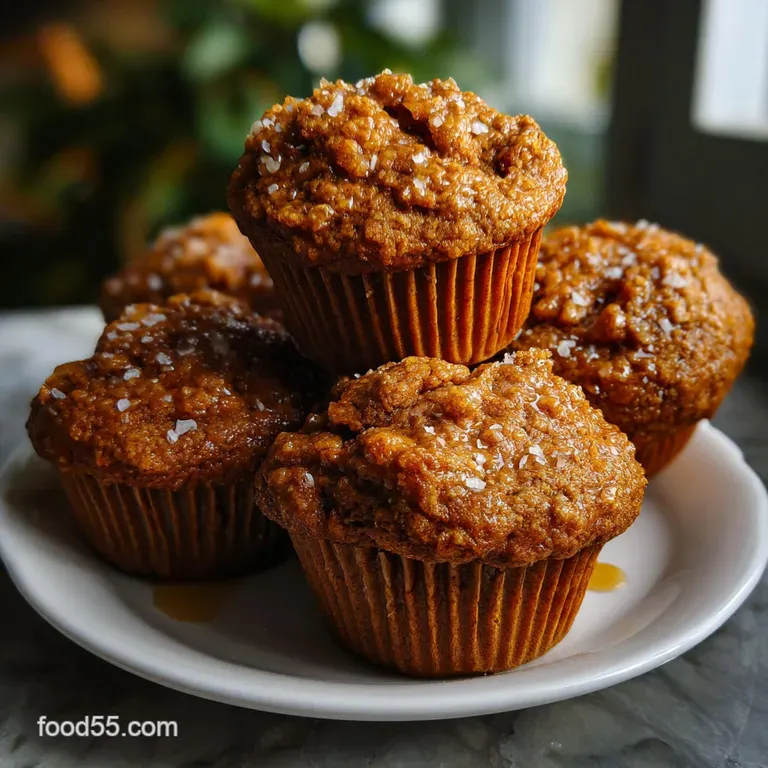
Using the right equipment is the difference between a flat muffin and a professional grade dome. I always use a KitchenAid Hand Mixer for the wet ingredients to ensure the eggs and sugars are perfectly emulsified before the flour enters the equation, which is critical for these perfect Pumpkin Muffins.
- 12 cup Non-stick Muffin Tin: Ensures even heat transfer and easy release.
- Pyrex Glass Mixing Bowls: Non-reactive surfaces that don't hold onto old odors.
- Whisk: Essential for aerating the dry ingredients and removing flour clumps.
- Rubber Spatula: Crucial for the "folding" stage to prevent gluten over development.
- Wire Cooling Rack: Prevents the bottoms from steaming and becoming soggy after baking.
Chef's Tip: To get those massive, bakery style tops, spray only the bottom of the muffin liners. This allows the batter to "climb" the sides of the tin as it expands, rather than sliding back down. These are the best Pumpkin Muffins you will ever make.
The Sequential Protocol for Optimal Gluten Network Development
Follow these steps exactly. In Fall Cooking, the order of operations determines the final texture. If you mix the flour too early, you'll end up with tough, rubbery Pumpkin Muffins. Mastering this sequence guarantees success.
- Preheat oven to 375°F (190°C) until the internal thermometer stabilizes.
- Whisk the 220g All-purpose flour, baking soda, baking powder, salt, and spices in a large bowl until the mixture is uniform and pale orange.
- Combine the 225g pumpkin puree, both sugars, oil, eggs, and vanilla in a separate bowl until the sugar crystals mostly dissolve and the liquid is glossy.
- Pour the wet mixture into the dry ingredients.
- Fold gently using a spatula until no streaks of dry flour remain, but the batter is still slightly lumpy. Note: Over mixing here will activate gluten and make the muffins tough.
- Scoop the batter into the prepared tin, filling each cavity about ¾ full until the tray is evenly distributed.
- Bake for 20 22 minutes until the tops spring back when lightly pressed and a toothpick comes out clean. The goal is perfectly cooked Pumpkin Muffins.
- Cool in the pan for 5 minutes until the structure sets, then transfer to a wire rack.
Correcting Structural Failures and Flavor Imbalances
If your muffins didn't turn out like the pictures, don't panic. Baking is a science experiment where the variables (humidity, oven temp, altitude) change every day. Most issues with a pumpkin muffins recipe stem from moisture imbalances or leavening failures when making Pumpkin Muffins.
Why Your Muffin Tops are Flat
If your muffins look like pancakes, your leavening agents are likely expired or your oven temperature is too low. Without that initial "heat shock," the CO2 bubbles generated by the baking soda will escape before the muffin structure sets.
Achieving a high dome on your Pumpkin Muffins depends on this initial blast.
| Problem | Root Cause | The Fix | Pro Protocol |
|---|---|---|---|
| Gummy Interior | Under baking or too much puree | Increase bake time by 3 mins | Use a digital thermometer; internal temp should be 200°F |
| Tough/Rubbery | Over mixing the batter | Mix by hand, not machine | Stop mixing the second the flour streaks disappear |
| Sunken Centers | Too much leavening agent | Measure leavening with leveling tool | Never "eyeball" baking soda or powder |
Why Your Spices Taste Dull
Spices lose their volatile oils over time. If your cinnamon has been in the cabinet since the last presidential election, your Pumpkin Muffins will taste like nothing. Always toast your dry spices in a pan for 30 seconds before adding them to the flour to wake up those aromatic compounds.
Fluid Architecture: Strategic Swaps for Texture and Dietary Needs
This recipe is a "mother recipe," meaning it's a stable base that can handle additions. If you want to make pumpkin muffins with chocolate chips, fold in ¾ cup of semi sweet chips at the very end.
The sugar in the chips will slightly alter the bake time, so keep a close eye on the oven to ensure your Pumpkin Muffins bake through evenly.
For a more decadent treat, you might consider pumpkin muffins with cream cheese filling. Simply beat 4oz of cream cheese with 2 tbsp of sugar and a splash of vanilla. Dollop a teaspoon into the center of each muffin before baking. This adds a tangy contrast to the warm spices, similar to the flavor profile found in a No Bake Pumpkin Cheesecake recipe.
If you’re looking for a pumpkin muffins healthy alternative, you can swap half of the vegetable oil for unsweetened applesauce. This reduces the fat content significantly, though it will result in a denser, more "snack cake" like texture rather than a light muffin.
Even the healthier versions of these Pumpkin Muffins are delicious.
Thermal Stability and Preservation Cycles for Long Term Freshness
The high moisture content of pumpkin means these muffins are prone to mold if left in a humid environment. Proper storage is non-negotiable for maintaining that "day-one" crumb for your Pumpkin Muffins.
- Room Temperature: Store in an airtight container for up to 3 days. Line the container with a paper towel to absorb excess moisture that migrates to the surface.
- Freezing: These freeze beautifully. Wrap each muffin tightly in plastic wrap and store in a heavy duty freezer bag for up to 3 months.
- Reheating: To restore that fresh baked texture, microwave for 15 20 seconds or pop into a 350°F oven for 5 minutes. This "re-gelatinizes" the starches, making them soft again.
💡 ZERO WASTE PHILOSOPHY: Don't discard the remaining pumpkin puree in the can. Transform: Stir it into your morning oats or use it to create a Stovetop Creamy Pumpkin recipe for dinner. Science: The fiber in pumpkin puree acts as a natural thickener and emulsifier for sauces, providing a silky mouthfeel without extra heavy cream.
Flavor Pairing Strategies and Sensory Presentation Protocols
A great muffin deserves a great partner. For the ultimate Autumn Brunch Recipes experience, serve these warm with a generous smear of salted butter. The salt cuts through the sugar and amplifies the cloves and ginger present in these amazing Pumpkin Muffins.
If you’re feeling extra, pair these with a Homemade Pumpkin Spice recipe or a dollop of The Easiest Homemade recipe for a double dose of fall flavor. The goal is to build layers of spice that resonate on different parts of the palate the cinnamon hits the nose immediately, while the ginger and nutmeg linger on the back of the tongue.
Common Myths:Myth: "Pumpkin pie filling is the same as puree." → Truth: Pie filling is pre-sweetened and spiced, which will throw off the chemistry of this specific recipe and likely lead to burning the Pumpkin Muffins.
Myth: "You need to peel the pumpkin if making your own puree." → Truth: While you can use fresh pumpkin, the skin contains bitter tannins. If you roast it whole, the flesh should scoop out easily, leaving the bitter skin behind.
These Pumpkin Muffins are a testament to the fact that baking is just delicious chemistry. Once you master the balance of hydration and aeration, you'll never go back to those dry, crumbly grocery store versions again.
Now, get that oven preheated and let's get baking your batch of homemade Pumpkin Muffins!
Recipe FAQs
how to make pumpkin muffins from scratch?
Combine dry ingredients separately from wet, then fold gently until just combined. Proper technique prevents over developing gluten, which is essential when using dense pumpkin puree. Use dual leavening (soda and powder) for maximum dome rise.
how to make pumpkin muffins with pumpkin puree?
Use 100% pure pumpkin puree, not pie filling. Puree acts as a humectant, increasing moisture retention by binding water molecules to sugar solids. If you enjoyed mastering the moisture balance here, see how the same principle ensures perfect texture in our Cinnamon Apple Muffins: Bakery Style Dome Streusel.
how to make pumpkin muffins with spice cake mix?
Add 1 cup pumpkin puree and 2 eggs to the dry mix. Cake mix already contains leavening and stabilizers, so adding wet pumpkin creates a very high moisture, dense batter. This technique is fast but yields less lift than a scratch recipe.
how to make pumpkin muffins with cake mix?
Yes, by substituting 1 cup of oil with 1 cup of puree. Cake mix is formulated for fat content; reducing the oil too drastically will result in a dry, crumbly product. The resulting structure relies heavily on the mix's existing starches to carry the added moisture.
how to make pumpkin muffins with spice cake mix?
Substitute 1 can of pumpkin for all required liquids. The mix's internal stabilizer package (often modified starches) handles the change well, provided you maintain the required egg count. This variation is structurally similar to quickly preparing a How to Make Pumpkin Painting Pancakes in 35 Minutes: A Cozy Autumn Treat.
What makes homemade pumpkin muffins dry?
Over baking causes rapid moisture evaporation from starch cells. Over baking forces the starch granules to release bound water before the gluten network can fully set, leading to a brittle, dry crumb.
- Measure flour by weight (grams)
- Use room temperature eggs for better emulsification
- Do not open oven door before 15 minutes
Should I use canned pumpkin or fresh roasted pumpkin?
Canned puree offers superior consistency for baking uniformity. Canned products undergo rigorous mechanical processing to standardize moisture levels, which is crucial for predictable leavening reactions. Fresh roasting introduces variable water content, requiring careful weighing to avoid texture failure, unlike in a savory application like How to Make Hearty Pumpkin Soup with Savory Meat: A Cozy Delight.
Best Pumpkin Muffins Recipe
Ingredients:
Instructions:
Nutrition Facts:
| Calories | 231 kcal |
|---|---|
| Protein | 3.1 g |
| Fat | 10.2 g |
| Carbs | 32.2 g |
| Fiber | 1.1 g |
| Sugar | 17.1 g |
| Sodium | 288 mg |
