Pumpkin Pie: the Ultimate Brown Butter Recipe for a Flaky, Non-Soggy Bottom
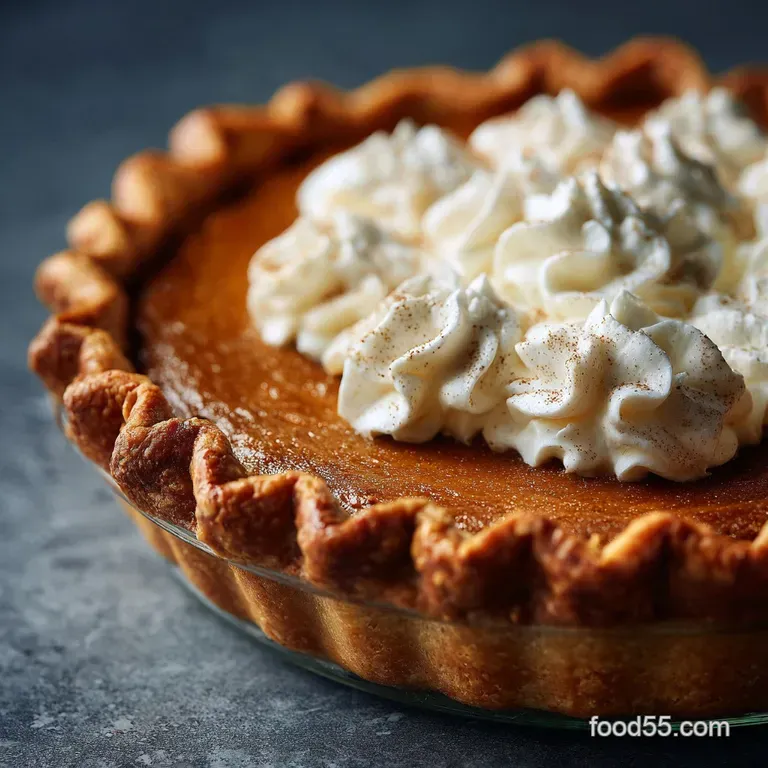
- The Ultimate Brown Butter & Maple Pumpkin Pie: Flaky Crust, Zero Soggy Bottom
- Welcome to the Ultimate Holiday Dessert: The Perfect Pumpkin Pie
- Essential Ingredients for the Best Pumpkin Pie Filling and Crust
- Mastering the Method: Step and by-Step Directions
- The Science of a Flawless Pumpkin Pie: Brown Butter, Maple, and Texture
- Troubleshooting Your Bake: Expert Tips and Common Pumpkin Pie Mistakes
- How to Store, Freeze, and Thaw Your Homemade Pumpkin Pie
- Serving Suggestions and Delicious Toppings
- Recipe FAQs
- 📝 Recipe Card
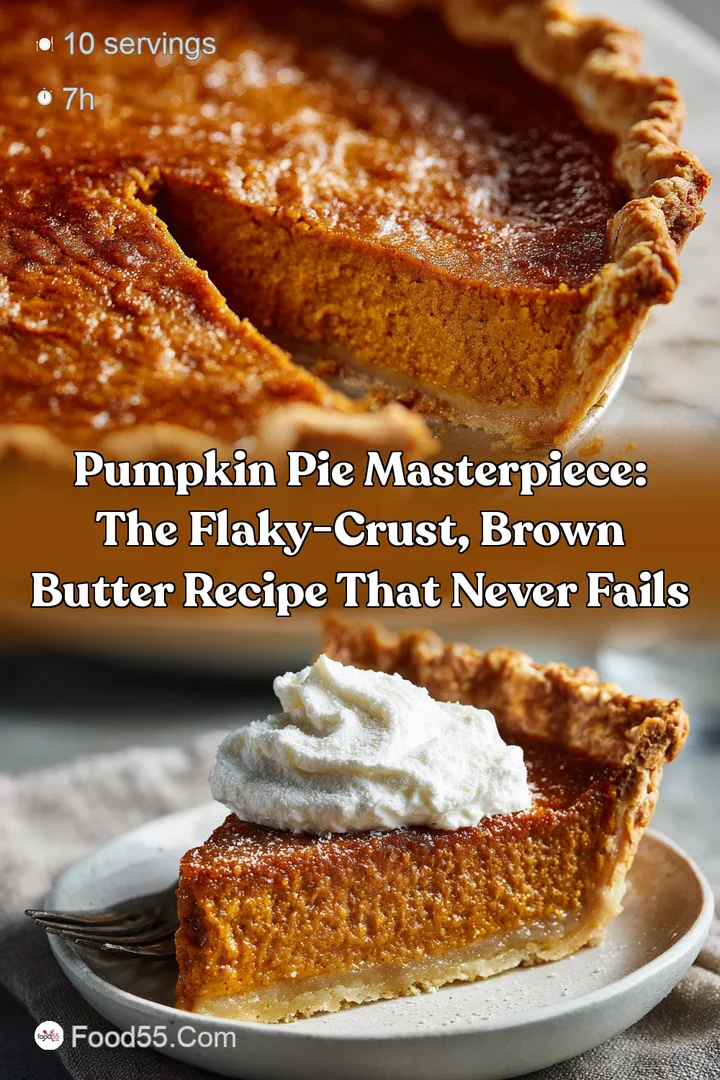
The Ultimate Brown Butter & Maple Pumpkin Pie: Flaky Crust, Zero Soggy Bottom
Welcome to the Ultimate Holiday Dessert: The Perfect Pumpkin Pie
Walk into a kitchen where one of these is cooling, and you just know it's the holiday season. That incredible, warm, intoxicating mix of roasted pumpkin and fresh, heady spices like nutmeg and cinnamon is basically pure, edible nostalgia.
The goal here is a pie that is unbelievably creamy, yet holds its slice perfectly, all cradled in a buttery, non and soggy crust .
I know, I know pumpkin pie feels like a massive undertaking, but honestly? It’s one of the most forgiving, Pumpkin Pie Recipe Easy Homemade recipes in my repertoire. The filling is a total whisk and pour situation. Once you nail the crust technique (which is mostly patience), you have a spectacular, deeply flavourful dessert that looks far more complicated than it actually is. It’s brilliant.
So ditch those sad, store and bought, wobbly fillings and let's make a classic, failsafe pie that will seriously impress everyone. We're adding two secret weapons: brown butter for nutty depth and a kiss of maple syrup. Trust me, you’re going to be famous for this one.
What Makes This Brown Butter Pumpkin Pie Recipe Different?
Most classic pumpkin pie recipes are pretty basic: eggs, cream, sugar, and pumpkin. But we’re not aiming for "basic," are we? We are aiming for Best Pumpkin Pie For Thanksgiving .
This recipe focuses on three major upgrades:
- The Brown Butter: Melting the butter until the milk solids toast brings out a rich, caramelized, hazelnut flavour that grounds the sweetness and prevents the pie from tasting overwhelmingly sugary. It adds a depth that plain butter just can't touch.
- The Flaky Crust Method: We blind bake this crust twice —first with weights, then naked. This guarantees a Non and Soggy Bottom Pumpkin Pie that can stand up to that heavy, custard filling. If you want a perfectly crisp base, skipping this step is simply not an option.
- A Touch of Maple: Using maple syrup alongside brown sugar introduces a complexity that balances the strong spices. It also slightly alters the moisture content of the filling, helping it set into that beautiful, silky texture we crave.
Tools and Equipment Checklist
You don't need a massive commercial kitchen for this, just a few key items.
- A good 9 inch deep and dish pie plate (Glass or ceramic holds the heat best).
- Pie weights (or use dried beans/rice I once used pennies in a pinch, don’t judge!).
- A whisk and two mixing bowls.
- A saucepan for browning the butter.
- Optional, but recommended: A fine and mesh sieve (for the creamiest filling).
Essential Ingredients for the Best Pumpkin Pie Filling and Crust
When it comes to the filling, precision matters. We need high and fat dairy, plenty of spice, and the correct pumpkin base.
Perfecting the Flaky Pie Dough: Ratios and Technique
This is the key to the whole operation. My dough is an all and butter blend, which gives you the best flavour. Remember: cold is your friend. If your butter is too warm, you get tough pastry, not flaky pastry.
| Ingredient | My Recommendation | Substitution / If You're Out... |
|---|---|---|
| All and Purpose Flour | Regular A.P. is fine. | You can use half whole and wheat pastry flour for a nuttier taste, but expect a slightly less tender result. |
| Cold Unsalted Butter | Must be cubed and straight from the fridge. | Use shortening (like Crisco) for flakier results, though you sacrifice some flavour. Never use margarine. |
| Ice Water | Water with actual ice chunks floating in it. | No substitute. This is non and negotiable for pastry structure. |
Chef's Note: This same all and butter crust is the base for my famous Apple Pie Recipe: The Perfect Classic Flaky and Crust Bake ! Master it here, and you've unlocked a ton of desserts.
Canned vs. Fresh Pumpkin Purée: The Definitive Guide
For the best results, you need Canned Pumpkin Purée —not the stuff labelled "Pumpkin Pie Filling." Pie filling has sugar and spices already added, which throws off all our careful measurements.
| Ingredient | My Recommendation | Substitution / If You're Out... |
|---|---|---|
| Pumpkin Purée | Canned is superior for consistency (Libby's is the gold standard). | If you must use fresh, make sure it’s roasted and drained extensively to avoid a watery filling. |
| Eggs | Large, room temperature. | For a slightly lighter texture, you can use 3 small eggs instead of 2 large eggs plus one extra yolk. |
Dairy and Sweeteners: Using Maple Syrup and Evaporated Milk
This is where we get the richness and the deep, caramelized notes that make this a gourmet [Classic Pumpkin Pie Recipe Failsafe].
| Ingredient | My Recommendation | Substitution / If You're Out... |
|---|---|---|
| Heavy Cream (35%) | The higher the fat, the creamier the pie. | Use canned evaporated milk. It’s traditional, rich, and provides a similar texture structure when baked (just don't use condensed milk!). |
| Dark Brown Sugar | Packed tightly for depth. | Light brown sugar works, but the flavour won't be as deep. |
| Maple Syrup | Grade A Dark (formerly Grade B) is the most robust flavour. | Molasses (1 tsp) mixed with an equal amount of honey will mimic the deep notes. |
| Spice Blend | Cinnamon, Ginger, Nutmeg, Clove (and that pinch of black pepper!) | If you don't have all the individual spices, use 2.5 tsp of a high and quality pre and mixed pumpkin pie spice blend. |
Mastering the Method: Step and by-Step Directions
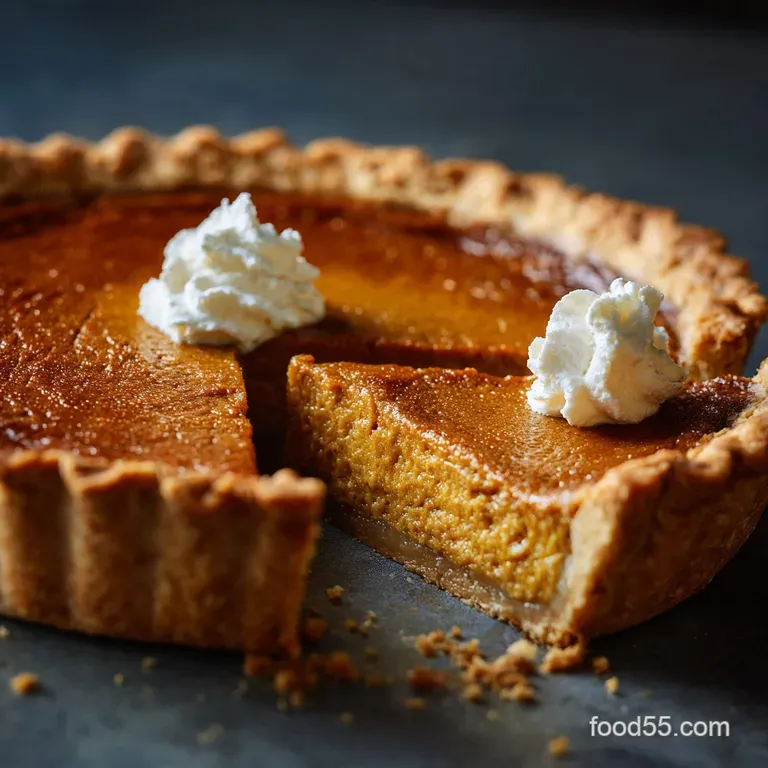
I've broken this down into simple phases. Don't rush the chilling steps!
Step 1: Preparing and Blind Baking the Crust (The Soggy Bottom Killer)
You absolutely must blind bake the crust. There is no debate here. If you skip this, you will end up with a raw layer of dough between your filling and your pie dish. Blegh.
- Make the dough and chill for at least 60 minutes.
- Roll out the dough, place it in the pie dish, crimp the edges, and freeze the whole thing for 30 minutes. This is your second chill, and it locks the shape in.
- Preheat your oven to 400°F (200°C). Line the frozen crust with parchment paper and fill to the brim with pie weights.
- Bake for 15 minutes. This sets the base structure.
- Remove the weights and parchment. Reduce oven temp to 375°F (190°C). Bake for another 5– 8 minutes, until the base looks dry and slightly golden. This ensures a zero and soggy bottom. Let it cool completely.
Step 2: The Brown Butter Infusion
This is the fun part, and it fills your kitchen with the most amazing, nutty aroma.
- Melt the butter in a small pan over medium heat. It will foam, then quiet down. Keep stirring.
- Watch for the tiny milk solids at the bottom to turn deep golden brown (like toasted hazelnuts). It will smell gloriously nutty. This usually takes 5- 7 minutes.
- Immediately pour the brown butter into a large mixing bowl to stop the cooking process. Let it cool for 5 minutes. If it’s too hot, it will cook your eggs later!
Step 3: Mixing, Pouring, and Baking the Filling
- Whisk the brown sugar, maple syrup, salt, and all your lovely spices into the cooled brown butter. Mix until it looks glossy.
- Add the pumpkin purée, cream, room and temperature eggs and yolk, and vanilla. Whisk only until just combined and smooth. Do not over and whisk, or you’ll incorporate too much air, leading to cracks later.
- For true professional smoothness, pour the filling through a fine and mesh sieve directly into the cooled, blind and baked crust.
Step 4: Cooling and Setting Time
- Wrap the edges of your crust with foil (or use a pie shield) to prevent them from burning.
- Bake at 375°F (190°C) for 30 minutes.
- Reduce the temperature to 350°F (175°C) and remove the foil. Bake for another 25– 35 minutes.
- How to know when it’s done? The edges of the pie should be puffy and firm, but the centre 1 inch circle should still have a slight jiggle.
- Remove the pie to a wire rack. Cool completely at room temperature for a minimum of 4 hours, or preferably 6 hours. Do NOT chill it prematurely; the residual heat needs time to finish setting the custard perfectly.
The Science of a Flawless Pumpkin Pie: Brown Butter, Maple, and Texture
Why Brown Butter Adds Depth (The Maillard Reaction)
Browning butter is the simplest way to introduce the Maillard Reaction into baking that magical process where amino acids and sugars react under heat. It converts simple milk solids into hundreds of complex flavour compounds (nutty, toasty, caramelized).
This elevates the humble [Canned Pumpkin Pie Recipes] into something truly complex and sophisticated.
Achieving a Smooth, Non and Grainy Filling
The main culprit for a grainy, gritty texture is almost always overbaking. The proteins in the eggs (which create the custard structure) start to curdle when they get too hot, resulting in a sandy mouthfeel. The second culprit is rushing the cooling process.
Preventing Cracks in the Filling
Cracks occur when the edges cook too fast and set, while the centre is still expanding. When the centre finally sets and shrinks, it pulls away from the edges. Our solution here is twofold:
- Lower Temperature Finish: Reducing the heat drastically halfway through.
- The Jiggle Test: Taking the pie out when the centre still slightly jiggles. It finishes cooking gently outside the oven.
My Filling Is Still Wobbly: Don't Panic!
If you pull the pie out and the centre jiggles more than an inch wide, put it back for 5- 10 minutes. If it passes the slight jiggle test, but you’re nervous, remember: the pie won't set until it is completely cool. Do not slice it hot.
If you slice a warm pumpkin pie, it will immediately deflate and run everywhere.
Troubleshooting Your Bake: Expert Tips and Common Pumpkin Pie Mistakes
We’ve all made mistakes. I once forgot to put the sugar in the filling. It was... aggressively savoury. Here are the most common pitfalls:
- Soggy Bottom: The Fix: You didn't blind bake long enough, or you didn't freeze the dough before blind baking. Next time, follow Step 1 exactly, ensuring the crust base is dry before adding the filling.
- Cracked Top: The Fix: You overbaked it. Use the jiggle test. If the edges are pulled away from the crust, it's definitely overbaked. Use an oven thermometer to ensure your temperature is accurate, and trust the time reduction step.
- The Filling Tastes Flat: The Fix: You need more spice and maybe a little more salt! I’m serious about that pinch of black pepper it activates the flavour compounds in the other spices beautifully. Don't be afraid to pre and mix your Pumpkin Pie Spice Recipe and taste a tiny bit before adding the eggs.
How to Store, Freeze, and Thaw Your Homemade Pumpkin Pie
This pie is fantastic made a day ahead. In fact, resting helps the spices mellow and deepen!
Refrigerator Shelf Life
Pumpkin pie, because it’s a custard, must be refrigerated after cooling.
- Whole Pie: Store, loosely covered, in the fridge for up to 4 days.
Best Practices for Freezing Sliced or Whole Pie
But does it freeze well? You bet, which is great for Thanksgiving planning.
- Cool Completely: Ensure the pie is 100% cooled and set (4+ hours).
- Wrap: Wrap the pie tightly in plastic wrap, then a layer of aluminum foil (or place in a sturdy freezer bag). This prevents freezer burn.
- Freeze: Freeze for up to 1 month.
- Thawing & Reheating: Thaw the pie overnight in the refrigerator (unwrapped, to prevent condensation making the crust soggy). If the crust needs reviving, place the whole pie (or slices) in a 300°F (150°C) oven for 10– 15 minutes until the crust is crisp again.
Serving Suggestions and Delicious Toppings
A slice of this rich, deeply spiced pie deserves a killer topping.
- Freshly whipped cream (with a touch of vanilla or bourbon added).
- A side scoop of good vanilla bean ice cream.
- Try swapping out the classic pie for something unexpected; sometimes, I serve this alongside my lighter French Cinnamon Apple Tart Rustic French Apple Pie with Pâtissier Glaze for a mix and match dessert table.
This pie truly is the ultimate expression of autumn baking. Grab your ingredients and get whisking!
Recipe FAQs
Why did my crust turn soggy, despite starting with a cold crust?
A soggy bottom usually indicates insufficient blind baking or that the filling was poured in while too hot. To prevent this, ensure your crust is fully blind baked until lightly golden (not just set), and consider brushing the base with a thin layer of egg wash just before adding the filling to create a moisture barrier.
Also, make sure the prepared filling has cooled slightly before pouring it into the shell.
How can I prevent the pie filling from cracking on the surface?
Cracking is the primary sign of overbaking the custard. The pie is fully baked when the edges are set and puffy, but the very centre 1 inch still jiggles slightly like firm gelatin.
Once baked, turn off the oven and let the pie cool inside with the door ajar for 15 minutes before transferring it to a wire rack to finish cooling slowly.
I’ve never made brown butter. What should I look out for during preparation?
Brown butter (beurre noisette) is critical for the complex, nutty flavour profile of this recipe. Melt the butter over medium heat until it foams, pops, and then nutty brown solids settle at the bottom this process takes about 5 to 7 minutes.
Be careful not to burn the milk solids; immediately remove the pan from the heat once it smells deeply toasted and strain the butter to leave the dark sediment behind.
My pie filling is still runny after the full baking time. What went wrong?
If the filling remains runny, your oven temperature might be inaccurate, or the filling simply needs more time to set the custard fully. Try placing the pie back into a preheated oven (covering the edges of the crust with foil if they are already browned) and bake for additional 10 to 15 minute intervals.
The internal temperature of a fully set custard should register 175°F (80°C).
How long does this pumpkin pie last, and can I freeze leftovers?
This custard based pie can be safely stored in the refrigerator, loosely covered, for 3 to 4 days. While it can be frozen, the custard texture may become grainy upon thawing, and the crust often suffers, losing its flakiness.
If you must freeze, wrap the fully baked and cooled pie tightly in plastic wrap and foil, and thaw it slowly overnight in the fridge.
Can I substitute the maple syrup with regular granulated sugar or honey?
While you can substitute it, note that maple syrup contributes both liquid and a specific depth of flavour that sugar cannot replicate. If swapping for granulated sugar, use 1/2 cup of packed brown sugar and increase the amount of evaporated milk slightly (about 1 tablespoon) to maintain the necessary moisture ratio for the custard.
Honey is not recommended as it can overpower the delicate pumpkin and brown butter notes.
Can this recipe be adapted to be completely vegan or dairy-free?
Yes, for a dairy-free version, replace the brown butter with a high-quality vegan butter melted until lightly toasted, and use full fat coconut cream instead of evaporated milk for richness.
For a vegan pie, substitute the eggs with a setting agent like cornstarch or agar agar combined with plant based milk to achieve the proper custard texture.
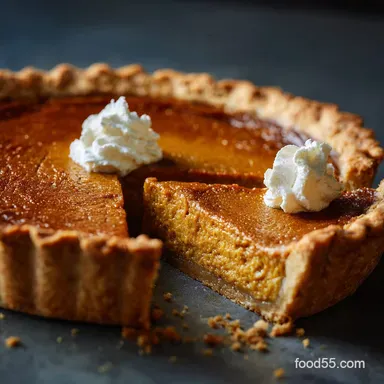
Brown Butter Pumpkin Pie Zero Soggy Bottom
Ingredients:
Instructions:
Nutrition Facts:
| Calories | 327 kcal |
|---|---|
| Protein | 8.0 g |
| Fat | 12.0 g |
| Carbs | 48.0 g |
