Cabbage Roll Soup: a Hearty One-Pot Meal
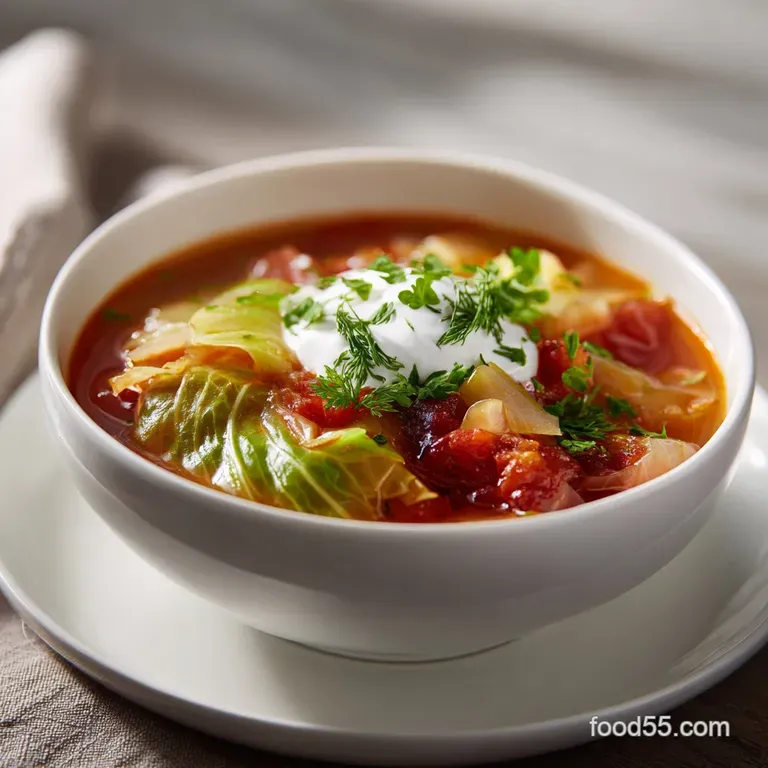
- Time: Active 15 minutes, Passive 30 minutes, Total 45 minutes
- Flavor/Texture Hook: Smoky, sweet and sour broth with tender beef and crisp tender cabbage ribbons
- Perfect for: Cozy weeknight dinners, chilly Sunday meal prep, or beginner cooks craving comfort
- Savory and Comforting Homemade Cabbage Roll Soup
- The Secret to Balanced Flavors
- Specific Recipe Metrics and Times
- Fresh Ingredients for Deep Taste
- Essential Tools for Even Cooking
- Steps for a Rich Broth
- Fixing Common Cooking Mistakes
- Dietary and Method Variations
- Guidelines for Storage and Freezing
- Guidelines for Traditional Finishing
- Serving Ideas for Shared Meals
- Frequently Asked Questions
- Troubleshooting Common Issues
- Very High in Sodium
- Recipe FAQs
- 📝 Recipe Card
Savory and Comforting Homemade Cabbage Roll Soup
The kitchen is currently filled with the scent of toasted paprika and simmering garlic, a fragrance that always takes me back to my neighbor's house when I was younger. I remember sitting at her small wooden table, watching her spend hours painstakingly blanching cabbage leaves, carefully tucking in a meat filling, and lining them up like little soldiers in a baking dish.
While I loved the taste of those traditional rolls, I realized early on in my own cooking journey that I didn't always have a three hour window to make them happen. This Cabbage Roll Soup is my answer to that craving, providing all the nostalgic flavor without the tedious assembly.
There is a specific kind of magic that happens when lean ground beef meets fire roasted tomatoes and a splash of apple cider vinegar. It creates a contrast between the rich, savory meat and the bright, tangy broth that keeps you coming back for another bite.
When you drop those emerald green ribbons of cabbage into the pot, they don't just boil; they soak up the smoked paprika and oregano, softening just enough to be tender while maintaining a satisfying bite.
It is a dish designed for shared meals and genuine connections, perfect for passing around a large tureen while everyone catches up on their day.
We’ve all had those soups that feel a bit thin or lackluster, but this version is different. It’s thick, substantial, and incredibly vibrant. It bridges the gap between a chunky stew and a delicate soup, making it a reliable staple for anyone who appreciates the cultural exchange of Eastern European flavors.
Whether you're a seasoned pro or just starting to build your kitchen confidence, this recipe is forgiving, adaptable, and, quite frankly, a total crowd pleaser that brings people together over a steaming bowl of goodness.
The Secret to Balanced Flavors
Mahogany Toasting: Searing the tomato paste until it darkens releases natural sugars and adds a layer of depth that raw paste simply can't provide.
Acidic Brightness: A final splash of apple cider vinegar cuts through the richness of the beef, waking up the duller notes of the cooked cabbage.
Starch Suspension: Simmering the long grain rice directly in the broth allows the grains to release a small amount of starch, naturally thickening the liquid into a velvety consistency.
Moisture Equilibrium: Keeping the pot covered during the simmer ensures the cabbage steams in the beef aromatics rather than just boiling in water.
| Method | Time | Texture | Best For |
|---|---|---|---|
| Stovetop | 45 minutes | Crisp tender cabbage | Quick weeknight comfort |
| Slow Cooker | 6 hours | Silky, melting cabbage | Set it and forget it days |
| Instant Pot | 35 minutes | Deeply infused flavor | Maximum speed and depth |
Selecting the right method depends entirely on your schedule, but the stovetop version remains my favorite for the control it offers over the beef's sear. When you cook this on the stove, you get to witness the transformation of the aromatics, smelling the garlic as it hits the hot fat and watching the cabbage wilt into the crimson broth.
Specific Recipe Metrics and Times
| Component | Science Role | Pro Secret |
|---|---|---|
| Lean Ground Beef | Protein foundation | Brown it until it's almost "crispy" for maximum flavor. |
| Green Cabbage | Bulk and texture | Cut into 1 inch ribbons to ensure even cooking without mushiness. |
| Tomato Paste | Umami booster | Fry it in the beef fat to eliminate the "tinny" metallic taste. |
| Beef Broth | Liquid conductor | Use low sodium to control the final seasoning level perfectly. |
Understanding how these parts work together is what turns a good cook into a great one. For instance, the cabbage isn't just a filler; it’s a structural element. If you chop it too fine, it disappears into the soup. If you leave it too chunky, it becomes difficult to eat.
Those 1 inch ribbons are the "goldilocks" size that allows for a perfect ratio of broth to vegetable in every spoonful.
Between the browning of the meat and the final simmer, the heat management is crucial. We start high to get that Maillard effect on the beef, then drop it low to let the rice hydrate without scorching the bottom of the pot. It’s a rhythmic process that rewards a little bit of patience with a lot of flavor.
Fresh Ingredients for Deep Taste
- 1.5 lbs lean ground beef (90/10): Provides the meaty base without making the soup overly greasy. Why this? Keeps the broth clean while offering plenty of satisfying protein.
- Substitute: Ground turkey or chicken for a lighter, leaner profile.
- 1 large yellow onion, diced: The essential aromatic for building sweetness. Why this? Yellow onions have a high sugar content that caramelizes beautifully.
- Substitute: White onion or leeks for a milder, more delicate onion flavor.
- 3 cloves garlic, minced: Adds that unmistakable savory punch. Why this? Fresh garlic provides a sharp contrast to the sweet tomatoes.
- Substitute: 1 teaspoon of garlic powder if you're in a pinch.
- 1 medium green cabbage (approx. 2 lbs): The star of the show, providing volume and crunch. Why this? Green cabbage holds its shape better than Savoy or red cabbage during simmering.
- Substitute: Kale or Napa cabbage for a softer, quicker cooking alternative.
- 4 cups low sodium beef broth: The liquid canvas for our flavors. Why this? Allows you to control the saltiness of the final dish.
- Substitute: Vegetable broth or even water with a bouillon base.
- 15 oz tomato sauce: Provides a smooth, consistent tomato background. Why this? Coats the cabbage and rice for a cohesive mouthfeel.
- Substitute: Crushed tomatoes for a more rustic, textured broth.
- 14.5 oz fire roasted diced tomatoes: Adds smoky depth and visual appeal. Why this? The char marks offer a subtle "grilled" flavor that standard tomatoes lack.
- Substitute: Standard diced tomatoes with an extra pinch of smoked paprika.
- 2 tbsp tomato paste: Concentrates the tomato flavor and adds body. Why this? Acts as a natural thickener and color enhancer.
- Substitute: Sun dried tomato pesto for a Mediterranean twist.
- 1 tbsp apple cider vinegar: The secret ingredient for balance. Why this? Provides the "sour" half of the sweet and sour cabbage roll profile.
- Substitute: Lemon juice or red wine vinegar for a different acidic kick.
- 1/2 cup uncooked long grain white rice: Adds heartiness and texture. Why this? Absorbs the broth and helps thicken the soup naturally.
- Substitute: Cauliflower rice for a low carb version (add at the very end).
- 2 tsp smoked paprika: For a deep, woody aroma. Why this? Mimics the flavor of smoked meats often found in traditional rolls.
- Substitute: Sweet paprika or a dash of liquid smoke.
- 1 tsp dried oregano: Adds an earthy, herbal note. Why this? Pairs perfectly with the acidity of the tomatoes.
- Substitute: Italian seasoning or fresh thyme.
- 1 tsp kosher salt & 1/2 tsp cracked black pepper: The foundational seasonings. Why this? Salt draws out moisture and pepper adds a gentle heat.
- Substitute: Sea salt or white pepper.
- 1 pinch red pepper flakes: For a tiny hint of back of-the throat warmth. Why this? Breaks up the richness without making the soup "spicy."
- Substitute: A dash of hot sauce or cayenne pepper.
Essential Tools for Even Cooking
To get the best results, I always reach for my 6 quart enameled cast iron Dutch oven. This heavy bottomed pot is a workhorse because it distributes heat so evenly, which is exactly what you need when you're browning 1.5 lbs of beef and then letting rice simmer gently for 20 minutes.
If you use a thin bottomed pot, you run the risk of the rice sticking and burning to the floor of the pot before it's actually tender.
Beyond the pot, a good sharp chef's knife is non negotiable for tackling that medium green cabbage. Cabbage can be slippery and tough to core, so having a reliable blade makes the "ribboning" process much safer and faster.
I also like to keep a sturdy wooden spoon on hand not just for stirring, but for scraping up all those beautiful browned bits (the "fond") from the bottom of the pot after the beef is done. That’s where the real flavor lives!
Steps for a Rich Broth
- Brown the beef. Place your large Dutch oven over medium high heat. Add the ground beef and diced onions, using your wooden spoon to break the meat into small, uniform crumbles. Note: This creates more surface area for browning, which means more flavor.
- Develop the color. Cook the mixture for 8–10 minutes until the beef is deeply browned and onions are translucent. If you see a lot of liquid in the pan, keep cooking until it evaporates and the meat actually starts to sizzle and sear.
- Drain the fat. Tip the pot carefully to one side and spoon out the excess fat. Leave about one tablespoon in the pot; this "liquid gold" will help carry the flavor of the spices.
- Toast the aromatics. Lower the heat to medium. Stir in the tomato paste, minced garlic, smoked paprika, and oregano. Toast for 2 minutes until the tomato paste turns a deep mahogany color. Note: This step removes the raw metallic taste from the paste and blooms the spices.
- Assemble the soup. Add the chopped cabbage, beef broth, tomato sauce, diced tomatoes, and uncooked rice. Stir everything together until the rice is fully submerged.
- Simmer gently. Bring the pot to a rolling boil, then immediately reduce the heat to low. Cover tightly and simmer for 18-20 minutes until the rice is tender and cabbage is translucent yet firm.
- Final seasoning. Remove the lid and stir in the apple cider vinegar, salt, black pepper, and red pepper flakes. Note: Adding the vinegar at the end preserves its brightness.
- Taste and adjust. Give the soup a final stir. If it’s too thick, add a splash of water or extra broth. Taste for salt cabbage and rice soak up a lot of it, so don't be afraid to add another pinch if it feels flat.
- Rest and serve. Let the soup sit for 5 minutes off the heat. This allows the flavors to settle and the rice to finish absorbing just the right amount of liquid. Serve hot in deep bowls.
Fixing Common Cooking Mistakes
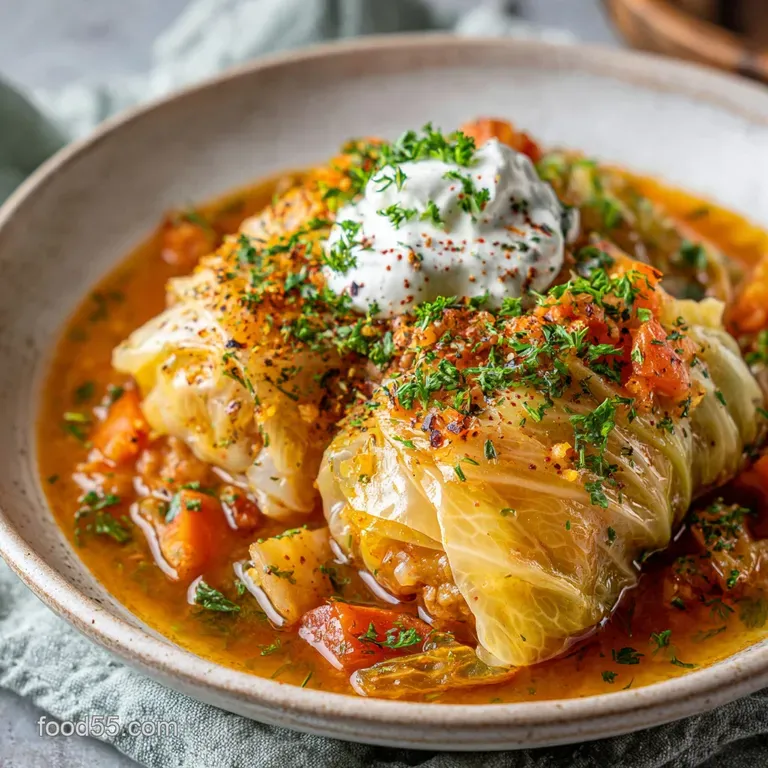
One of the most frequent issues with any cabbage roll soup recipe is the texture of the rice. If you find your rice is still crunchy after the 20 minute mark, it usually means the heat was too low or the lid wasn't tight enough, allowing too much steam to escape.
On the flip side, if the rice turned to mush, it might have been overcooked or left sitting in the hot broth for too long before serving.
Another common hurdle is the bitterness of the cabbage. Older heads of cabbage can sometimes carry a sharp, bitter note that persists even after cooking. If you find your soup has a bit of an edge, that’s where the apple cider vinegar and a tiny pinch of sugar can save the day.
The acidity and sweetness neutralize the bitterness, leaving you with a balanced, mellow broth.
Why Your Rice Is Mushy
If the grains have lost their shape and turned the soup into a thick porridge, the rice likely over hydrated. This often happens if the soup is boiled too vigorously rather than simmered, or if it was reheated multiple times. Long grain white rice is fairly sturdy, but it has its limits.
| Problem | Root Cause | Solution |
|---|---|---|
| Mushy Rice | Overcooking or high heat | Simmer strictly on low and check at 18 minutes. |
| Bitter Broth | Old cabbage or burnt garlic | Add a teaspoon of sugar and extra vinegar to balance. |
| Thin/Watery | Too much broth | Simmer uncovered for 5 mins to reduce liquid. |
If you're worried about the rice texture, you can actually cook it separately and add it to each bowl just before serving. This keeps the grains perfectly distinct and prevents the soup from thickening too much in the fridge. For a similar flavor profile with a different prep style, you might also enjoy my Chunky Beef and Tomato Soup which uses the Instant Pot to achieve that deep, slow cooked taste in a fraction of the time.
Common Mistakes Checklist
- ✓ Don't skip browning the beef grey meat offers zero flavor depth to the broth.
- ✓ Ensure you core the cabbage properly; the thick, woody core will never soften and is unpleasant to eat.
- ✓ Keep the lid on! Every time you peek, you lose the steam needed to cook the rice and cabbage.
- ✓ Taste for salt at the very end rice is a "salt sponge" and will likely require more than you think.
- ✓ Don't cut the cabbage too small; ribbons hold up much better than a fine shred.
Dietary and Method Variations
This recipe is incredibly flexible, which is why I love it for our diverse community of cooks. If you're looking for a keto cabbage roll soup, simply omit the white rice and add four cups of cauliflower rice during the last 5 minutes of cooking.
The cauliflower provides a similar texture without the carbs, and because it cooks so fast, it won't soak up all your beautiful broth.
For those busy days when you can't stand over a stove, the slow cooker cabbage roll soup method is a lifesaver. Brown the beef and onions in a skillet first (don't skip this!), then throw everything except the rice into the crockpot. Cook on low for 6 hours. Add the rice in the last 40 minutes of cooking so it doesn't disintegrate. If you're looking for something entirely different but just as comforting, my Quick Wonton Soup is another great way to get a savory, warm meal on the table in under an hour.
Scaling the Recipe Down
If you're cooking for one or two, you can easily halve this recipe. Use a smaller pot, like a 3 quart saucepan, and reduce the cooking time by about 5 minutes. Since you'll only be using half a head of cabbage, use the other half for a quick slaw the next day.
When halving the egg (if you were making actual rolls), you'd beat it and use half, but here, we just focus on reducing the liquids and solids proportionately.
Scaling the Recipe Up
Feeding a crowd at a block party or family reunion? You can double this easily! However, I recommend only increasing the salt and spices to 1.5x the original amount first, then tasting and adding more if needed. Spices can become overwhelming when doubled strictly.
You'll need an 8 quart or 10 quart stockpot to handle the volume of the cabbage before it wilts down.
Guidelines for Storage and Freezing
This soup is one of those rare dishes that actually tastes better the next day. As it sits in the fridge, the cabbage continues to absorb the spices, and the broth becomes even more unified.
- Fridge: Store in an airtight container for up to 4 days. Note that the rice will continue to absorb liquid, so you may need to add a splash of beef broth when reheating.
- Freezer: This soup freezes surprisingly well for up to 3 months. However, rice can sometimes become slightly grainy after thawing. For the best freezer results, I recommend making the soup base without the rice, freezing it, and then adding fresh rice when you reheat it.
- Zero Waste Tip: Don't throw away those cabbage scraps! The tough outer leaves and the core can be tossed into a freezer bag with other veggie scraps (like onion skins and carrot ends) to make a delicious homemade vegetable stock later.
Chef's Tip: To reheat, place the soup in a small pot over medium low heat. Avoid the microwave if possible, as it can overcook the rice in spots while leaving other areas cold. A slow reheat on the stove preserves the texture of the cabbage ribbons perfectly.
Guidelines for Traditional Finishing
"Searing meat does not 'seal in juices.' It actually creates a flavor packed crust via the Maillard reaction. Moisture loss is inevitable, but the browning provides the essential savory foundation that makes the broth taste complex."
"Adding rice directly to the soup doesn't make it 'dirty.' While some people prefer to cook rice separately to keep the broth clear, simmering it in the soup allows the grains to absorb the actual flavor of the beef and tomatoes, creating a much more cohesive dish."
"You don't need to boil cabbage for an hour to make it tender. In fact, over boiling cabbage releases sulfur compounds that give it that 'old gym sock' smell. A quick 20 minute simmer is all you need for a sweet, tender result."
Serving Ideas for Shared Meals
When it comes to serving this unstuffed cabbage roll soup, I always suggest a dollop of sour cream and a heavy sprinkle of fresh dill. The cool creaminess of the sour cream melts into the hot, acidic broth, creating a pink, velvety texture that is purely addictive.
It’s a classic Eastern European touch that adds a layer of indulgence to an otherwise very healthy cabbage soup recipe.
To make it a full meal, serve it alongside a thick slice of toasted rye bread or a crusty sourdough. You'll want something sturdy to sop up every last drop of that smoky tomato broth. For a bit of crunch, a side of quick pickled cucumbers provides a bright, cold contrast to the hot soup.
Sharing this meal is about more than just the food; it's about the warmth and the stories that come out when everyone is feeling nourished and comfortable.
| Original Ingredient | Substitute | Why It Works |
|---|---|---|
| Ground Beef (1.5 lbs) | Ground Pork (1.5 lbs) | Adds a sweeter, fattier profile common in traditional rolls. |
| White Rice (1/2 cup) | Quinoa (1/2 cup) | Higher protein and a nutty flavor. Note: Cooks faster, check at 15 mins. |
| Apple Cider Vinegar (1 tbsp) | Lemon Juice (1 tbsp) | Provides a cleaner, more citrusy acidity. |
Ultimately, this easy cabbage roll soup is a testament to the fact that great flavor doesn't have to be complicated. It’s a dish that respects tradition while embracing the reality of a busy life.
So, grab your biggest pot, invite a few friends over, and let the aroma of simmering cabbage and beef create the perfect backdrop for your next shared meal. Stay curious in the kitchen, and remember that the best recipes are the ones that leave both your stomach and your heart feeling full.
Frequently Asked Questions
Troubleshooting Common Issues
| Issue | Solution |
|---|---|
| Use brown rice instead of white rice | Yes, you can use brown rice, but it requires a significantly longer cooking time (usually 40-45 minutes) and more liquid. If you go this route, I recommend partially cooking the brown rice before addi |
| Cabbage still tough | If the cabbage is tough, it likely didn't simmer long enough or the pieces were cut too thick. Ensure you're using a medium low simmer with the lid firmly in place to trap the steam. If you find the c |
| Is this soup gluten-free | As written, this recipe is naturally gluten-free! Just double check your beef broth and tomato sauce labels to ensure there are no hidden thickeners or additives that contain gluten. It's a fantastic |
| Make this soup vegan | To make a vegan version, swap the ground beef for a plant based crumble or lentils, and use a rich vegetable broth. You may want to add a teaspoon of liquid smoke or extra smoked paprika to compensate |
| Stop the rice from soaking up all the liquid | Rice is naturally thirsty. If you're planning on having leftovers, the best trick is to cook the rice separately and only add it to the individual bowls. This keeps the broth plentiful and prevents th |

Very High in Sodium
980 mg of sodium per serving (43% of daily value)
The American Heart Association recommends limiting sodium intake to no more than 2,300mg per day, with an ideal limit of less than 1,500mg for most adults.
Tips to Reduce Sodium
-
Opt for Low-Sodium Broth-30%
Replace the 4 cups of regular beef broth with 4 cups of low-sodium beef broth. This is the most significant contributor to sodium in this recipe.
-
Eliminate Added Salt-25%
Remove the 1 tsp of kosher salt entirely. You can always add a tiny pinch of salt at the table if needed, but this will significantly cut sodium.
-
Choose No-Salt Added Canned Tomatoes-20%
Substitute the 14.5 oz fire roasted diced tomatoes and the 15 oz tomato sauce with their no-salt added versions. This targets the sodium in canned goods.
-
Boost Flavor with Herbs and Spices
While not reducing sodium, enhance flavor by fully utilizing the 2 tsp smoked paprika, 1 tsp dried oregano, and 1 pinch red pepper flakes. Consider adding fresh herbs like parsley or thyme at the end.
-
Use a Small Amount of Tomato Paste-10%
While tomato paste is concentrated, it's a flavor enhancer. If you find the dish lacking depth after other reductions, consider using a slightly smaller amount, or ensure it's a low-sodium variety if available.
Recipe FAQs
What are common mistakes when making cabbage soup?
Skipping the beef browning step is the biggest error. Without searing the meat for 8 10 minutes until deep brown, you lose the essential flavor base required for a rich broth.
How do you make Dolly Parton's cabbage soup?
Follow this standard cabbage roll soup method instead. Brown your beef and onions, toast the tomato paste with garlic, oregano, and paprika, then simmer the broth, cabbage, and rice for 18 20 minutes until tender.
Can I make soup out of cabbage rolls?
Yes, this soup deconstructs the classic dish perfectly. By simmering cabbage ribbons, beef, and rice together in beef broth and tomato sauce, you achieve all the signature flavors without the tedious rolling process.
What's the best soup for diabetics?
Focus on high fiber and protein dense options like this one. This recipe uses 90/10 lean beef and fiber rich cabbage, which helps manage glucose response compared to starch heavy meals.
Is it true I should shred the cabbage finely for the soup?
No, this is a common misconception. Cut your cabbage into 1 inch ribbons, as a fine shred will dissolve into mush during the 18 20 minute simmer.
How to ensure the rice isn't undercooked in the soup?
Keep the lid firmly on during the entire simmering process. Lifting the lid releases the trapped steam necessary to cook the grains; if you enjoyed this method of steam controlled cooking, see how we use similar principles in our creamy almond soup.
How to balance the acidity of the tomato base?
Stir in the apple cider vinegar after the soup has finished simmering. This final splash cuts through the rich tomato sauce and beef, brightening the entire profile of the dish.
Cabbage Roll Soup
Ingredients:
Instructions:
Nutrition Facts:
| Calories | 386 kcal |
|---|---|
| Protein | 28g |
| Fat | 14g |
| Carbs | 39g |
| Fiber | 6g |
| Sugar | 12g |
| Sodium | 980mg |
