Creamy Tomato Pasta: the Chefs Secret Revealed
- Unlocking the Ultimate Creamy Tomato Pasta: The Chef’s Quick Method
- The Flavor Science: Why This Recipe Achieves Luxurious Perfection
- Essential Components for a Rich Tomato Cream Sauce
- Ingredient Notes and Expert Substitution Guide
- Step-by-Step Method for the Richest Tomato Pasta
- The Art of the Toss: Finishing the Dish
- Chef’s Troubleshooting: Achieving a Silky, Never-Broke Sauce
- Handling Leftovers and Meal Prep
- What to Serve Alongside Your Comforting Tomato Pasta
- Recipe FAQs
- 📝 Recipe Card
Unlocking the Ultimate Creamy Tomato Pasta: The Chef’s Quick Method
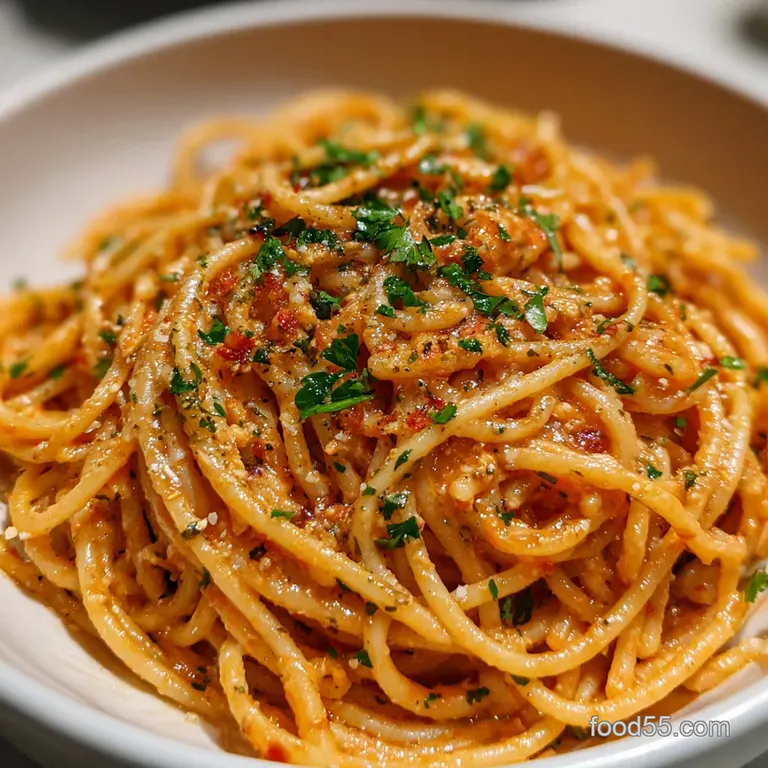
If there is one thing I’ve learned in my kitchen, it’s that comfort food doesn't have to be complicated or bland. When the scent of sweet caramelized tomato paste, garlic, and heavy cream hits the air, you know you’re about to have the perfect bowl of Creamy Tomato Pasta .
That glorious pink orange hue, the way the sauce clings to every ridge of pasta it’s pure magic.
This isn't a 4 hour Sunday project; this is the definitive weeknight hero. It’s affordable, lightning fast (seriously, 35 minutes start-to-finish), and tastes profoundly better than anything you’ll ever find in a jar.
We are going to unlock the secrets to a deeply flavorful base and an unshakeably glossy sauce, making this Creamy Tomato Pasta recipe your new secret weapon.
We’re ditching the common pitfalls like curdling or watery sauce. Instead, we’re focusing on three critical steps that professional kitchens rely on to produce restaurant quality richness every single time.
Get your largest pot ready; let's crack on and master the art of the luxurious, creamy tomato pasta sauce.
The Flavor Science: Why This Recipe Achieves Luxurious Perfection
Most home cooks think the secret to a great sauce is just high-quality ingredients. While that helps, the real difference is technique the order in which you introduce fat, heat, and acid. This foolproof approach guarantees a genuinely incredible creamy tomato pasta that feels both decadent and balanced.
Why This Recipe Outperforms Jarred Sauces
Jarred sauces are usually cooked rapidly at high temperatures, which often leaves the tomato tasting tinny or flat. Our method focuses on building layers. We start by sweating the aromatics, giving them time to sweeten, and then the crucial step: caramelising the tomato paste directly in the hot oil and butter.
That intense heat releases deep, roasted umami notes that elevate the base far beyond anything a factory made sauce can achieve.
The Secret History of Tomato Cream Sauce
Creamy tomato pasta sauce, or salsa rosa if you want to be fancy, is the ultimate crowd pleaser. While many people think of Penne alla Vodka , which uses alcohol to stabilize the emulsion, our recipe proves you don't need the liquor cabinet.
We achieve that same smooth, integrated texture through proper reduction and the magical power of starch.
Mastering the Tomato Acidity and Cream Balance
Tomatoes are acidic. Dairy fat loves to curdle when exposed to sudden, high acid and heat. The key to preventing a grainy mess is balancing the acidity first. We add a tiny pinch of sugar to soften the tomatoes, allow the sauce to reduce and concentrate (reducing the water content), and always remove the sauce from direct heat before incorporating the cold double cream and cheese.
This temperature control is non-negotiable for smooth sauce perfection.
The Critical Role of Starchy Pasta Water in Emulsion
This is the non-negotiable step for any serious pasta dish. Reserved pasta water is not just salted water; it is water thickened with the starch released by the boiling pasta. That starch acts as a binding agent, linking the fat (cream/butter/cheese) and the water (tomato juice/pasta water) into a stable, glossy emulsion.
Without it, the sauce tends to separate. With it, your creamy tomato pasta sauce will cling perfectly.
Essential Components for a Rich Tomato Cream Sauce
We rely on full fat dairy and intense tomato concentration. Don’t try to skimp on the cream here! Fat is flavor and structure in this dish. Using butter and olive oil for the base provides a deeper complexity than just oil alone.
Ingredient Notes and Expert Substitution Guide
I am a big believer in using what you have, but sometimes, a little guidance saves a lot of disappointment. If you want the very best creamy tomato pasta, quality counts, especially with the canned goods.
Choosing the Right Tinned Tomatoes (San Marzano vs. Crushed)
For this specific recipe, crushed tomatoes are best because they break down quickly into a uniform sauce. However, quality matters. Look for DOP San Marzano tomatoes or the best imported whole peeled tomatoes you can afford, and crush them by hand. They have a naturally lower acidity and sweeter flavor that reduces the need for excessive sugar. If you really want to geek out on tomato quality, check out my thoughts on the Tomato Basil Soup: The Ultimate Velvety San Marzano Recipe .
Dairy Decisions: Double Cream vs. Heavy Cream
In the US, "Heavy Cream" is what you want. In the UK/Europe, "Double Cream" provides the necessary high fat content (around 48%). Do not substitute with low-fat half and half or milk. The sauce structure depends on that high fat level to create the velvety texture when combined with the cheese and starch water.
The Power of Parmesan: Fresh Grate Only
Stop buying pre-grated Parmesan. Seriously. It’s coated in anti caking agents (usually cellulose) that make the sauce grainy and prevent proper melting. Buy a wedge of high-quality Parmigiano Reggiano and grate it finely yourself. That microplane grater is your friend here.
Swapping Out Ingredients: Vegan or dairy-free Options
| Ingredient to Replace | Viable Substitute | Notes |
|---|---|---|
| Double Cream | Full fat Coconut Cream (thick top layer only) or high-quality Cashew Cream | Coconut cream will add a subtle sweetness; cashew cream provides neutral richness. |
| Parmesan Cheese | Nutritional Yeast (approx. 1/2 cup) or Vegan Parmesan | Nutritional yeast adds the essential cheesy, savory complexity (umami). |
| Butter | Vegan Butter or Coconut Oil | Stick to the 2 Tbsp measurement for richness. |
step-by-step Method for the Richest Tomato Pasta
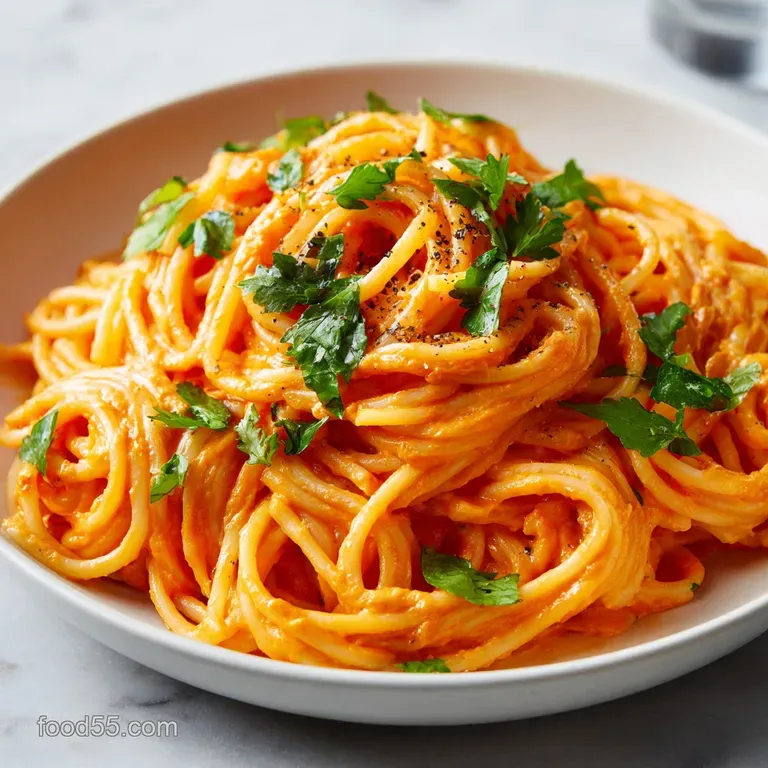
Follow these steps exactly, especially the timings, to achieve that perfect creamy tomato pasta texture.
Building the Essential Flavor Base with Aromatics
- Prep and Cook Pasta: Get your salted water boiling. Cook your penne or rigatoni until it’s about 1 minute shy of al dente . We finish cooking it in the sauce! Crucially, scoop out about 1 cup (250 ml) of the starchy water just before you drain the pasta.
- Sweat the Onion: In your deep pan, melt the butter and olive oil over medium heat. Add the diced onion with a pinch of salt. Cook low and slow, stirring often, for 5– 7 minutes until they are totally soft and translucent. Do not rush this sweet onions are the foundation.
- Fragrant Spice: Stir in the minced garlic, dried oregano, and chilli flakes. Cook for just 30 seconds until the garlic is intensely fragrant. Watch closely! Burnt garlic tastes acrid and will ruin the whole batch of creamy tomato pasta sauce.
Simmering the Tomato Base for Maximum Depth
- Caramelise the Paste: Push the aromatics to the side and add the tomato paste directly to the hot metal base of the pan. Cook this paste for 2– 3 minutes, stirring it constantly until it darkens to a rusty brick color. This removes that unpleasant metallic tang and concentrates the flavor dramatically.
- Add Tomatoes and Reduce: Pour in the crushed tomatoes and stir everything together. Add the sugar, salt, and pepper. Bring it to a gentle simmer and let it reduce, uncovered, for 10– 12 minutes. The sauce must visibly thicken. If you skip this, the resulting creamy tomato pasta will be watery.
Incorporating the Cream and Cheese for Silky Texture
- Off-Heat Cream Addition: Remove the pan completely from the heat source. Stir in the double cream until the sauce is a beautiful, uniform coral pink.
- Melt the Parmesan: Now, stir in the freshly grated Parmesan cheese until it melts smoothly into the warm sauce.
Blending Pasta Water for a Perfect Emulsion
- The Emulsion Step: Slowly ladle in about ½ cup (125 ml) of that reserved starchy pasta water. Stir vigorously! The sauce should transform into a glossy, luscious texture that coats the back of a spoon. If it seems too tight or thick, add more pasta water, a tablespoon at a time, until the consistency is spot-on for your creamy tomato pasta .
The Art of the Toss: Finishing the Dish
- Toss the Pasta: Add the slightly undercooked pasta straight into the sauce. Return the pan to the lowest possible heat setting. Toss the pasta continuously for 1– 2 minutes. The pasta will finish cooking, swelling slightly and absorbing the final, rich flavor.
- Garnish and Serve: Adjust seasoning one last time. Stir in the fresh basil. Serve immediately with another generous shower of high-quality Parmesan.
Chef’s Note: Never cook the pasta completely in the boiling water. If it’s not tossed in the sauce for those final two minutes, it hasn’t truly met the sauce. This final marriage is essential for flavor and texture.
Chef’s Troubleshooting: Achieving a Silky, Never Broke Sauce
We’ve all been there: you add the cream, and suddenly, you have a grainy, split mess. It’s frustrating! Here are the most common ways this specific creamy tomato pasta fails and how to guarantee success.
How to Fix a Grainy or Curdled Cream Sauce
Curdling happens when fat separates from liquid, usually due to high heat meeting acid. The Fix: If it starts to look grainy, immediately remove the pan from the heat. Whisk in a tablespoon of cold, reserved pasta water.
If that doesn't work, transfer a small cup of the separated sauce to a blender, blend until smooth, and then vigorously whisk it back into the main pot. Don't ever add cold dairy to a fiercely boiling sauce.
Ensuring Your Pasta is Perfectly Al Dente
Al dente means "to the tooth" firm, but cooked. If you let it cook entirely in the boiling water, it will become mushy when tossed in the sauce. Always undercook by one minute for the perfect final texture in your creamy tomato pasta.
Adding Depth and Zest Without Vodka
Penne alla Vodka is famous for its smooth texture, achieved because the vodka extracts flavors and helps stabilize the emulsion. Since this recipe doesn't use it, we rely on the intensely concentrated tomato paste and the starch water.
If you want a little extra zest without the alcohol, try adding a splash of lemon juice right before you serve, which lifts the heavy flavors beautifully.
Handling Leftovers and Meal Prep
One of the great things about making a fantastic creamy tomato pasta is that it’s usually even better the next day if you know how to handle it.
Best Practices for Refrigeration and Storage
This dish keeps really well. Store leftovers in an airtight container in the refrigerator for up to 3 days. I find that the sauce thickens significantly overnight as the starch water cools and sets.
I wouldn't recommend freezing this; the high dairy content (especially double cream) often separates and becomes grainy when thawed, regardless of how stable the emulsion was originally.
Reheating the Dish Without Separating the Sauce
Do not microwave this if you want the best results! Reheating needs gentle heat and moisture. Put the leftovers in a small saucepan over medium low heat. Add 2 4 tablespoons of water or milk to loosen the sauce. Stir gently and constantly until heated through.
The sauce will loosen back to its glorious, creamy consistency.
What to Serve Alongside Your Comforting Tomato Pasta
While this dish is a complete meal, I always recommend something fresh and acidic to cut through the richness of the creamy tomato pasta sauce.
Wine Recommendations for Tomato Cream Dishes
For a dish this rich, you want a wine that’s crisp enough to handle the cream but light enough not to clash with the tomato's acidity. A chilled, unoaked Italian Pinot Grigio is perfect. If you prefer red, choose something light like a chilled Bardolino or a young Chianti.
They have bright acidity and aren't overly tannic, which prevents them from tasting metallic against the tomatoes.
The Green Lift
My go-to side is a simple Arugula (Rocket) Salad. Tossed very lightly with just a squeeze of lemon and a good drizzle of high-quality olive oil, its peppery, bitter bite provides the perfect contrast. If you're feeling ambitious and want more green in your life, you might enjoy my spring meals: Creamy Risotto with Scallops Wild Garlic , which utilizes a similar acid/fat balance!
This specific Creamy Tomato Pasta is truly a dish you can master easily and impress everyone with. Enjoy!
Recipe FAQs
Why is my creamy tomato sauce separating or becoming gritty?
Grittiness often occurs if you add cold cream directly to the hot sauce, or if you cook the sauce too aggressively after incorporating the dairy or cheese. Always temper the cream by letting it come to room temperature, and ensure you maintain a gentle simmer never a rolling boil once the double cream and Parmesan are added.
My sauce tastes too acidic or bland. How can I balance the flavor?
If the sauce is too acidic, stir in a pinch of sugar or a small knob of butter to neutralize the harsh tomato notes. For blandness, ensure you are adequately seasoning with salt and pepper, and allow the tomato paste to caramelize fully before adding the crushed tomatoes to build a deep umami base.
Can I make this Creamy Tomato Pasta vegan or dairy-free?
Yes, you can substitute the double cream with full fat canned coconut milk or a blend of soaked and puréed raw cashews for an incredibly rich texture. Replace the Parmesan cheese with nutritional yeast, which provides a nutty, savory flavor without any dairy components.
What types of pasta and protein pair best with this rich sauce?
The richness of this sauce is ideal for tubular pasta shapes like penne, rigatoni, or ziti, which capture the sauce beautifully inside their hollows. For protein, sautéed shrimp, grilled chicken, or browned mild Italian sausage all complement the acidity and creaminess perfectly.
How long can I safely store leftovers, and what is the best way to reheat them?
Store leftovers in an airtight container in the refrigerator for up to 3 to 4 days. When reheating, the sauce will be very thick, so warm it gently on the stovetop over low heat, adding a splash of milk or stock to restore its original creamy consistency.
Is it possible to freeze the leftover sauce for later use?
Freezing sauces containing high fat dairy like double cream is generally not recommended, as the fat can separate and become grainy when thawed. If you plan to freeze, prepare only the plain tomato base, and then stir in the fresh cream and Parmesan immediately after reheating it later.
I don't have double cream. Can I use half and-half or regular milk instead?
While technically possible, substituting with half and-half or milk will result in a much thinner and less decadent sauce due to the lower fat content. If you must use a lighter option, consider reducing the sauce longer or adding a stabilizing element like a cornstarch slurry before incorporating the dairy.
Chefs Secret Creamy Tomato Pasta
Ingredients:
Instructions:
Nutrition Facts:
| Calories | 546 kcal |
|---|---|
| Protein | 0.0 g |
| Fat | 0.0 g |
| Carbs | 0.0 g |
