Chicken Bryan with Lemon Basil Butter
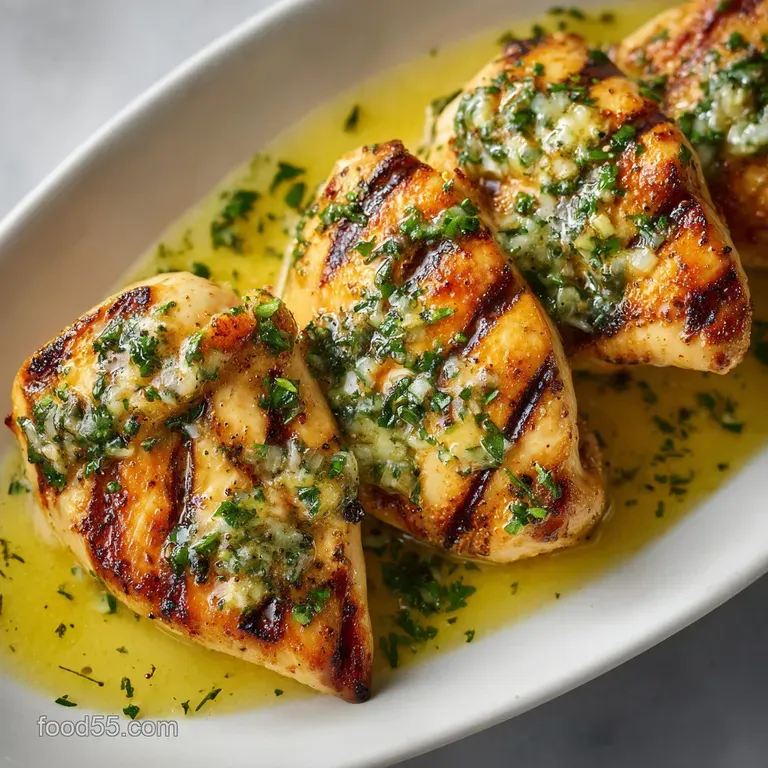
- Time: Active 15 minutes, Passive 15 minutes, Total 30 minutes
- Flavor/Texture Hook: Tangy goat cheese melts into a velvety, citrus forward sauce with a savory sear.
- Perfect for: Impressive date nights or a breezy, upscale weeknight treat.
- The Secret to the Silky Sauce
- Component Analysis
- Essential Recipe Stats and Planning
- Fresh Ingredients for a Vibrant Sauce
- Basic Tools for Restaurant Results
- Searing and Simmering Your Chicken
- Solving Common Sauce and Texture Issues
- Simple Substitutions and Flavor Variations
- Myths About This Classic Dish
- Storage Tips and Zero Waste Ideas
- Sides to Pair With This Meal
- Recipe FAQs
- 📝 Recipe Card
The first time I attempted to make Chicken Bryan at home, I was chasing a very specific memory. You know that scent of garlic hitting hot olive oil and the sharp, bright zing of lemon cutting through the air? I wanted that.
I’d spent far too many Friday nights at Carrabba’s just to get a fix of that specific combination of tangy goat cheese and those chewy, sweet sun dried tomatoes. It's a dish that feels incredibly fancy but, honestly, it’s just a clever play on a classic pan sauce.
We’ve all had those chicken dinners that end up a bit "meh" dry meat, a sauce that splits, or flavors that just don’t pop. But when you get this right, the chicken is juicy and the sauce is so silky you’ll want to eat it with a spoon. It's all about the contrast.
You have the richness of the butter and cheese playing against the acidity of the white wine and lemon. It brings people together because it’s familiar comfort food, but with a sophisticated edge that makes everyone feel like you’ve been at a culinary school all weekend.
Trust me, once you see how the goat cheese softens under the heat of the broiler, you’ll never go back to plain grilled chicken. We’re going to walk through how to keep that sauce from breaking and how to get a sear that would make a professional chef nod in approval.
Let's get into what actually makes this dish a staple in my kitchen and why it’ll soon be one in yours too.
The Secret to the Silky Sauce
Emulsification Stability: Cold butter added slowly to a warm reduction creates a suspended fat in-water emulsion, resulting in a velvety texture rather than a greasy pool.
Acidic Tenderization: The lemon juice and white wine act as flavor brighteners while also subtly breaking down surface proteins for a more tender bite.
Umami Depth: Rinsed sun dried tomatoes provide a concentrated hit of glutamates that balances the creamy fat of the goat cheese.
| Thickness | Internal Temp | Rest Time | Visual Cue |
|---|---|---|---|
| 1/2 inch | 165°F | 3 mins | No pink in the thickest part |
| 3/4 inch | 165°F | 5 mins | Juices run clear when poked |
| 1 inch | 165°F | 5 mins | Surface is springy to the touch |
When you are working with poultry, getting the internal temperature right is the difference between a succulent meal and a rubbery disappointment. I always use a digital meat thermometer because guessing is for people who like dry chicken. If you happen to be making this as part of a larger spread, you might find it helpful to look at a Grilled Chicken Gyros recipe for inspiration on different flavor profiles using similar cuts.
Component Analysis
| Ingredient | Science Role | Pro Secret |
|---|---|---|
| Cold Butter | Emulsifier | Keep it cold from the fridge until the very second you whisk it in to prevent the sauce from "breaking." |
| Dry White Wine | Solvent | Use a Pinot Grigio or Sauvignon Blanc to deglaze the pan and pick up those flavorful brown bits (fond). |
| Goat Cheese | Texture Contrast | Slice the cheese while cold but let it sit on the chicken for a minute before broiling to ensure even melting. |
| Sun dried Tomatoes | Flavor Anchor | Rinse them thoroughly to remove excess salt or oil, allowing their natural sweetness to shine. |
Getting the sauce right is a bit like a chemistry experiment that you actually want to eat. If you find yourself needing a base for a different meal later in the week, having a solid Chicken Stock recipe on hand is a total lifesaver for deepening these kinds of pan sauces.
Essential Recipe Stats and Planning
This dish moves fast once the pan is hot. You aren't going to have time to mince garlic while the chicken is searing, so get everything prepped ahead of time. I call this "mise en place," but you can just call it "not panicking in the kitchen."
- Yield: 4 servings
- Prep time: 15 minutes
- Cook time: 15 minutes
- Total time: 30 minutes
Chef Tip: Freeze your goat cheese for about 10 minutes before you try to slice it. It makes getting those clean, 1 ounce discs so much easier without the cheese sticking to everything.
If you are looking for a lower effort version of a citrus based bird for a busy Tuesday, you might enjoy a Slow Cooker Chicken recipe that uses similar bright notes with much less active monitoring.
Fresh Ingredients for a Vibrant Sauce
- 4 (6oz) chicken breasts: Boneless and skinless. Why this? They cook evenly and provide a lean canvas for the rich sauce.
- Substitute: Chicken thighs (boneless) for more moisture, though they take slightly longer.
- 1 tbsp extra virgin olive oil: For the over high heat sear.
- Substitute: Avocado oil or any high smoke point oil.
- 0.5 tsp salt & 0.5 tsp cracked black pepper: Essential seasoning.
- 4 oz goat cheese: Sliced into 4 discs. Why this? The tang cuts through the buttery sauce perfectly.
- Substitute: Feta cheese (won't melt as much) or a mild cream cheese.
- 1/3 cup sun dried tomatoes: Julienne cut and rinsed.
- Substitute: Roasted red peppers for a sweeter, less intense flavor.
- 2 tbsp shallots: Minced finely. Why this? Shallots offer a delicate sweetness that garlic alone lacks.
- Substitute: Red onion or the white parts of green onions.
- 2 cloves garlic: Minced.
- 1/2 cup dry white wine: For deglazing. Why this? The acidity is crucial for balancing the 8 tablespoons of butter.
- Substitute: Chicken broth with a splash of white wine vinegar.
- 1/4 cup fresh lemon juice: Freshly squeezed is non negotiable here.
- 8 tbsp cold unsalted butter: Cut into 1/2 inch cubes.
- 1/4 cup fresh basil: Chiffonade (thinly sliced ribbons).
| Original Ingredient | Substitute | Why It Works |
|---|---|---|
| Dry White Wine | Chicken Broth + 1 tsp Vinegar | Provides the necessary liquid and acidity without the alcohol. |
| Goat Cheese | Cream Cheese + Lemon Zest | Mimics the creamy texture and adds a similar citrusy tang. Note: Much milder flavor. |
| Shallots | Yellow Onion (minced) | Provides the aromatic base. Note: Slightly more pungent than shallots. |
Basic Tools for Restaurant Results
You don't need a professional kitchen, but a few specific tools will make your life significantly easier. I highly recommend a large stainless steel or cast iron skillet. Non stick is fine, but you won't get that beautiful "fond" (the brown bits) on the bottom of the pan that makes the sauce taste so incredible.
You will also want a sharp chef's knife for the shallots and basil. A whisk is essential for mounting the butter into the sauce. If you have a small saucepan, you can make the sauce separately while the chicken rests, but I prefer doing it all in one pan to capture every bit of flavor.
Searing and Simmering Your Chicken
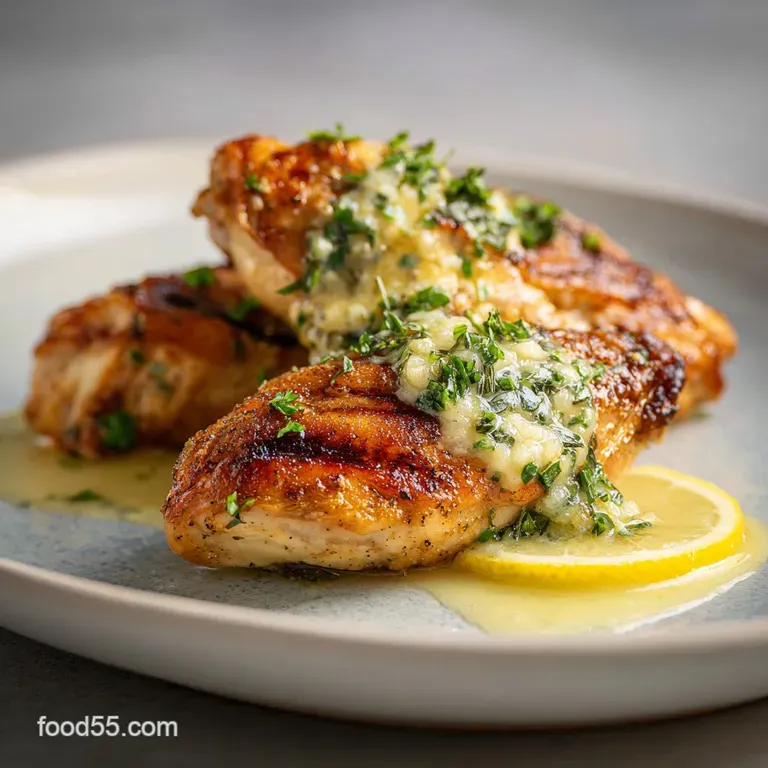
- Prep the chicken. Pat the 4 chicken breasts completely dry with paper towels. Note: Moisture is the enemy of a good sear.
- Season well. Sprinkle both sides of the chicken with 0.5 tsp salt and 0.5 tsp cracked black pepper.
- Sear the meat. Heat 1 tbsp extra virgin olive oil in a large skillet over medium high heat. Add chicken and cook for about 5-6 minutes per side until deeply golden and cooked through.
- Add the cheese. Remove the skillet from heat. Place one 1 oz disc of goat cheese on each breast and top with the julienned sun dried tomatoes.
- Melt the topping. Place the pan under a broiler for 1-2 minutes until the cheese is soft and slightly bubbly. Transfer chicken to a plate and tent with foil.
- Sauté aromatics. In the same skillet, add minced shallots and garlic. Cook for 1 minute until fragrant but not browned.
- Deglaze the pan. Pour in 1/2 cup white wine and 1/4 cup lemon juice. Scrape the bottom of the pan with a wooden spoon to loosen the fond.
- Reduce the liquid. Simmer the mixture for 3-5 minutes until reduced by half.
- Mount the butter. Turn the heat to low. Whisk in the 8 tbsp cold butter, one cube at a time, until the sauce is thick and glossy.
- Finish and serve. Stir in the 1/4 cup fresh basil. Pour the sauce over the chicken and serve immediately.
Solving Common Sauce and Texture Issues
Why Your Sauce Is Breaking
If you see the butter separating into a yellow oily layer instead of a creamy sauce, your heat was likely too high. Emulsions are fragile. When the sauce gets too hot, the milk solids and fats in the butter decide to part ways.
The Chicken Is Tough
This usually happens from overcooking or cooking at too high a temperature without enough fat. If your breasts are very thick, I recommend pounding them to an even thickness before seasoning. This ensures the edges don't dry out while the center is still finishing.
Goat Cheese Won't Melt
Real goat cheese (chèvre) doesn't melt like mozzarella; it softens and gets creamy. If it stays in a hard puck, it might be a lower quality brand with too many stabilizers. A quick minute under the broiler usually does the trick regardless.
| Problem | Root Cause | Solution |
|---|---|---|
| Sauce is too thin | Not reduced enough | Simmer the wine and lemon juice longer before adding butter. |
| Sauce is grainy | Garlic or shallots burned | Sauté aromatics on lower heat; if they burn, wipe the pan and start over. |
| Chicken is dry | Internal temp exceeded 165°F | Use a thermometer and pull the chicken at 160°F; carryover heat does the rest. |
Common Mistakes Checklist
- ✓ Pat chicken completely dry before searing (prevents steaming)
- ✓ Use cold butter for the sauce (warm butter will split)
- ✓ Don't boil the sauce once the butter is added
- ✓ Let the chicken rest for 5 minutes before serving to keep it juicy
- ✓ Rinse the sun dried tomatoes to avoid an overly salty dish
Simple Substitutions and Flavor Variations
If you want to change things up, this recipe is surprisingly flexible. For a smoky twist, you can grill the chicken over charcoal instead of pan searing it. This adds a layer of charred flavor that pairs beautifully with the creamy cheese.
To save about 30 minutes, you can use pre cooked rotisserie chicken. Just warm the chicken in the oven with the cheese and tomatoes on top while you whip up the sauce in a small saucepan. It won't have the same sear, but the sauce carries enough flavor to make up for it.
If you need a dairy-free adaptation, use a plant based butter substitute and a cashew based "cheese" spread. For a low carb swap, serve the chicken over a bed of sautéed spinach or zucchini noodles rather than pasta or potatoes.
Myths About This Classic Dish
Myth 1: You must use expensive wine. The truth is, the nuances of an expensive bottle are lost once you boil it down with lemon and garlic. Use a decent, drinkable dry white wine, but don't break the bank. Just avoid "cooking wine" from the grocery store, which is loaded with unnecessary salt.
Myth 2: Searing "seals in" the juices. Searing is actually about the Maillard reaction a chemical reaction between amino acids and reducing sugars that gives browned food its distinctive flavor. The juices stay in because you don't overcook the meat and you let it rest after cooking.
Myth 3: Fresh basil can be swapped for dried. In this specific sauce, dried basil will taste like hay. The fresh basil added at the very end provides a peppery, sweet aroma that is central to the Chicken Bryan experience. If you don't have fresh, skip it entirely or use fresh parsley.
Storage Tips and Zero Waste Ideas
Storage: Keep leftovers in an airtight container in the fridge for up to 3 days. When reheating, do it gently on the stovetop over low heat. If you microwave it, the butter sauce will almost certainly break and become oily. Add a splash of water or chicken broth to help bring the sauce back together.
Freezing: I don't recommend freezing the assembled dish because the goat cheese and the emulsion of the sauce won't survive the thaw well. However, you can freeze the seared chicken separately for up to 2 months.
Zero Waste: If you have leftover sauce, it’s liquid gold. Toss it with some pasta the next day or use it as a dip for crusty bread. Leftover goat cheese is great crumbled over a morning omelet or spread on a cracker with a bit of honey.
Don't toss those sun dried tomato scraps finely mince them and add them to your next batch of salad dressing.
Sides to Pair With This Meal
Because the sauce is so rich and tangy, you want sides that can either soak up that liquid or provide a crisp contrast. A simple side of linguine or angel hair pasta is the classic choice. The noodles catch the lemon butter sauce perfectly.
If you want something lighter, a lemon dressed arugula salad provides a peppery bite that cuts through the fat of the goat cheese. Garlic mashed potatoes are also a fantastic "shared meal" option that brings the whole family to the table.
For a vegetable, steamed broccoli or grilled asparagus works wonders, especially since the tips of the asparagus act like little brushes for the extra sauce on your plate. Whatever you choose, make sure you have some crusty Italian bread nearby you're going to want to swipe up every last drop of that sauce.

Recipe FAQs
What is Chicken Bryan at Carrabba's?
It is pan-seared chicken breasts topped with goat cheese, sun dried tomatoes, and a lemon basil butter sauce. This signature dish features rich, tangy cheese melting over savory chicken, finished with a bright, acidic pan sauce.
What does Chicken Bryan taste like?
It tastes rich, tangy, and distinctly bright from lemon and basil. The primary flavor profile is the sharp tang of the goat cheese contrasting with the savory sear of the chicken, all brought together by a vibrant, buttery sauce.
Why is it called Chicken Bryan?
The specific origin name is attributed to Carrabba's Italian Grill. While the exact naming story isn't widely published, it is named after Bryan, Texas, which is the hometown of one of the restaurant's founders, Damian Mandola.
How do I prevent my lemon butter sauce from separating (breaking)?
Incorporate the cold butter off the heat or on very low heat. You must whisk the cold butter in slowly, one cube at a time, to create a stable emulsion. If you enjoyed mastering the texture control here, see how the same principle applies to our Hearty Ground Turkey recipe for binding ground mixtures.
Can I substitute the goat cheese for something milder?
Yes, cream cheese or mozzarella can work as substitutes, but the flavor profile will change significantly. Goat cheese provides necessary acidity; cream cheese yields a richer, less tangy melt, while mozzarella will stretch more but lack the signature bite.
Which restaurant's preparation of this style of chicken is better?
This is purely subjective, as restaurant styles vary widely, but this homemade version maximizes sauce quality. We focus on balancing acidity and fat, similar to what you might find in a premium French pan sauce like in a classic Coq Au Vin recipe, focusing on technique over simple topping.
Is it true that I must use dry white wine to deglaze the pan?
No, a suitable non-alcoholic substitute can be used effectively. If avoiding alcohol, use an equal amount of chicken broth combined with one teaspoon of white wine vinegar to mimic the necessary acidity needed to cut the richness of the butter and cheese.
Chicken Bryan Recipe
Ingredients:
Instructions:
Nutrition Facts:
| Calories | 551 kcal |
|---|---|
| Protein | 44.3 g |
| Fat | 34.5 g |
| Carbs | 6.2 g |
| Fiber | 0.8 g |
| Sugar | 2.1 g |
| Sodium | 485 mg |
