Chicken over Rice with Fresh Vegetables: Sticky Soy Glaze Crunchy Toppings
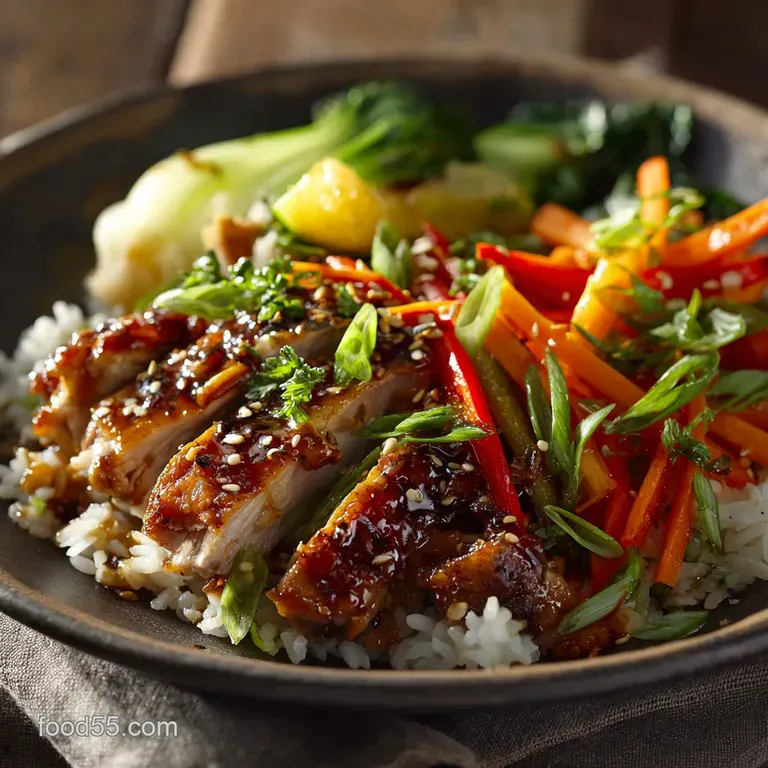
- Introducing the Ultimate Weeknight Bowl: Chicken over Rice with Fresh Vegetables
- Culinary Science: The Balance of Flavour and Texture in this Sticky Soy Bowl
- Preparing Your Mise en Place: Essential Ingredients for the Glazed Chicken and Ginger Rice
- Crafting the Perfect Meal: Step-by-Step Guide to Sticky Soy Chicken over Rice
- Mastering the Technique: Expert Tips and Troubleshooting
- Meal Prep and Longevity: Storing Your Glazed Chicken Components
- Perfect Pairings: Elevating Your Sticky Chicken Bowl Experience
- Recipe FAQs
- 📝 Recipe Card
Introducing the Ultimate Weeknight Bowl: Chicken over Rice with Fresh Vegetables
The instant the soy-ginger glaze hits the hot pan, you know you are in for a serious treat. That heady, aromatic mix of sticky sweetness and sharp ginger is absolutely irresistible, coating every surface of those perfectly crisp chicken thighs.
This isn't just a quick weeknight meal; it's a sensory experience that brings the kind of depth usually reserved for long, slow Sunday cooking.
This Chicken over Rice with Fresh Vegetables recipe is my personal weeknight warrior. It’s faster than ordering takeout, significantly cheaper, and miles healthier because you control the sugar and salt.
You can have this entire vibrant, flavour packed bowl ready in about 40 minutes flat, which means it’s perfect for those chaotic Tuesday evenings when you desperately need something satisfying.
We are focusing on balance here: the richness of the succulent, glazed chicken is completely offset by a beautiful pile of crunchy, zesty raw vegetables served right alongside the aromatic rice.
Trust me, once you master this simple method, you’ll never go back to dry chicken breast over flavorless plain white rice again. Let's crack on with the good stuff!
Culinary Science: The Balance of Flavour and Texture in this Sticky Soy Bowl
This recipe works because we treat each component with the respect it deserves, ensuring every bite delivers something unique. It’s all about layering those flavours and textures precisely.
Beyond the Basics: Why This Is Not Your Average Meal
We move past boiling chicken or steaming the vegetables into submission. Instead, we achieve complex flavor by layering fresh aromatics ginger in the rice, garlic in the glaze and utilizing a over high heat sear. This isn't just dumping ingredients together; it’s cooking with purpose.
The Secret to the Deeply Flavourful Sticky Soy-Ginger Glaze
The goal is to create a syrupy reduction that clings lovingly to the chicken, not one that runs off like watery soup. By using cornflour (cornstarch) as a slurry, we ensure that the glaze thickens instantly upon simmering, creating that signature stickiness without over reducing the entire volume.
The honey and soy combo is magic, delivering both deep umami and irresistible sweet tackiness.
A Focus on Texture: Balancing Crispness and Tenderness
We use boneless, skinless chicken thighs for their reliability; they remain incredibly moist even under high heat. Then, we balance that tender, juicy meat with a generous serving of raw, crisp vegetables like shredded carrots and cucumber.
That lovely, fresh crunch keeps the bowl feeling light and vibrant, even with the sticky glaze involved.
The Maillard Reaction: Achieving the Perfect Sear on the Thighs
This is where the magic happens and where flavour is built. Patting the chicken thighs bone dry before they hit the shimmering hot oil is the absolute key to achieving a deep golden crust.
That intense sear the Maillard Reaction is what transforms the bland exterior into something nutty, complex, and incredibly delicious before the glaze even gets involved.
Aromatic Foundation: Infusing Rice with Fresh Ginger
Don't just cook plain rice; that's boring! We’re adding minced fresh ginger directly into the cooking water before we simmer the jasmine rice. The steam infuses every grain with a subtle warmth and fragrance, creating the perfect aromatic foundation for the rich chicken.
It’s a tiny step that makes a monumental difference.
The Power of Acidity: Cutting Through the Richness of the Glaze
The glaze is rich, sweet, and sticky which is fantastic but it needs a foil. We introduce acidity in two ways: rice vinegar in the glaze and fresh lime juice tossed into the raw vegetables.
This sharp, zesty brightness cuts through the heavy glaze, keeping your palate refreshed and ensuring you want to keep digging in.
Preparing Your Mise en Place: Essential Ingredients for the Glazed Chicken and Ginger Rice
Seriously, spend 15 minutes chopping everything first, and the cooking itself will feel like a breeze. This is an easy recipe but requires timing.
Choosing the Right Cut: Thighs vs. Breasts for Maximum Flavour
I will always champion the boneless, skinless chicken thigh for weeknight dishes. They are naturally fattier, easier to sear, and they are incredibly forgiving. They just taste better than breast meat, especially when covered in a sticky sauce.
If you prefer white meat, you can absolutely use chicken breast, but you must reduce your searing time significantly to prevent it from drying out aim for 4– 5 minutes per side instead of 6 7.
Fresh Vibrancy: Selecting Your Spring Greens for Optimal Crunch
The goal here is crunch and colour. I lean heavily on raw ingredients that hold their texture, like firm bell peppers and cucumbers. Make sure the vegetables are thinly sliced or julienned, so they mix easily with the rice. Fresh herbs like coriander or mint are non-negotiable for that final lift.
Smart Swaps: Quick Alternatives for the Glaze Base
If you find yourself short on one key item, don't panic! Here are some simple replacements that work beautifully.
| If you are missing... | Try using this instead... |
|---|---|
| Honey | Maple syrup or light brown sugar. |
| Rice Vinegar | Apple cider vinegar (use a little less as it's stronger). |
| Fresh Ginger | Ginger paste (use half the amount) or a pinch of ground ginger in the glaze only. |
Pantry Staples: What You Need for the Aromatic Rice
You really only need a good quality Jasmine rice, which you must rinse thoroughly until the water runs clear. If you skip this step, the rice starch turns to glue, and you end up with one massive, sticky clump. Salt is also essential for flavor; don't forget to season your rice water!
Crafting the Perfect Meal: step-by-step Guide to Sticky Soy Chicken over Rice
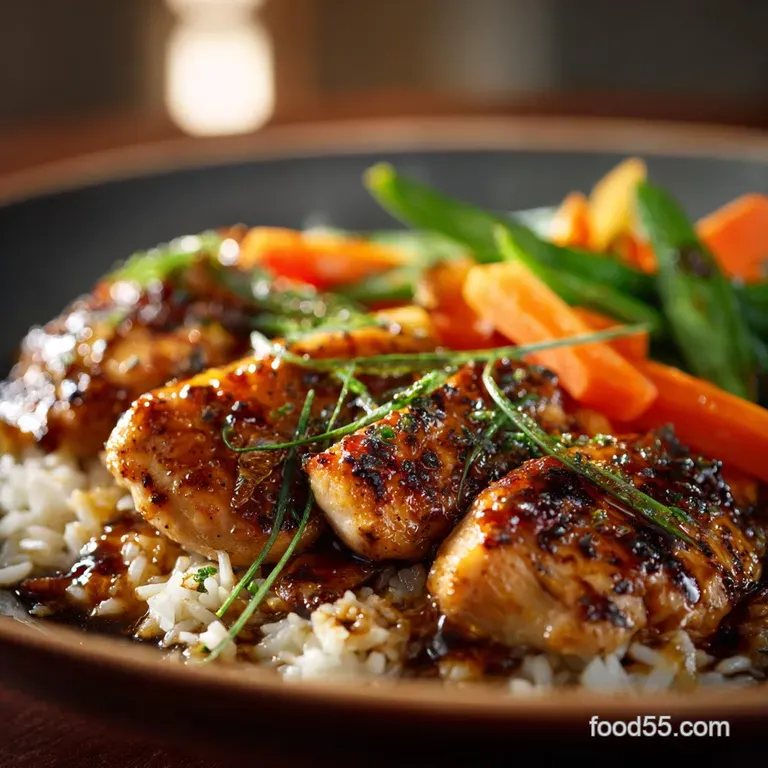
Remember, timing is everything. Start the rice first, then prep and cook the chicken while the rice is resting.
Phase 1: Preparing and Searing the Chicken Thighs to Crisp Perfection
- Dry and Season: Pat those chicken thighs aggressively dry with paper towels. Season both sides heavily with salt and pepper.
- Heat the Pan: Use a large, heavy skillet over medium high heat with 2 tablespoons of high smoke point oil until it shimmers. Don't rush the heat.
- Sear: Place the thighs in the hot pan, smooth side down, ensuring they do not overlap. Sear hard for 5 to 7 minutes until deeply golden brown, then flip and cook for another 5 minutes until fully cooked (165°F/74°C internal). Remove the chicken and set it aside, reserving all the beautiful fond (the browned bits) in the pan.
Phase 2: Cooking the Ginger Infused Rice Foundation
- Rinse and Combine: Rinse 1.5 cups of rice under cold water. Place the rinsed rice, 2.5 cups water, 1/2 tsp salt, and the minced fresh ginger into a saucepan.
- Simmer and Rest: Bring to a full boil, then immediately turn the heat down to the lowest setting, cover tightly, and simmer for exactly 15 minutes. Crucially, remove the pan from the heat and let it rest, still covered, for 10 minutes before you even think about lifting the lid. Fluff gently with a fork and keep it warm.
Phase 3: Building the Glaze and Quick Tossing the Vegetables
- Build the Glaze: Whisk together the soy sauce, honey, rice vinegar, garlic, and sesame oil. In a separate tiny bowl, mix 1 tsp cornflour with 1 Tbsp water to create your slurry.
- Thicken: Return the skillet (with the chicken juices) to medium low heat. Pour in the liquid glaze mixture. Let it bubble gently, then pour in the cornflour slurry while whisking constantly.
- Glaze the Chicken: The sauce will thicken rapidly in about 30 seconds into a beautiful, glossy syrup. Immediately return the cooked chicken thighs to the pan and toss them until every inch is coated in that glorious stickiness. Remove from the heat.
- Prep Veg: Toss the thinly sliced bell peppers, carrots, cucumber, and spring onions with the lime juice and a tiny sprinkle of salt.
Assembly: Layering Your Chicken over Rice with Fresh Vegetables
- Spoon the fluffy, aromatic Ginger Rice into deep bowls.
- Slice the sticky, glazed chicken thighs diagonally and arrange them dramatically over the rice. Drizzle any leftover sauce from the pan over the chicken.
- Pile the vibrant, crunchy fresh vegetables right alongside the meat. Garnish with chopped coriander and toasted sesame seeds. Serve this beauty immediately. If you're really into one-pot simplicity, you might also like my approach to Instant Pot Teriyaki Chicken and Rice: Easy One-Pot Weeknight Dinner , which delivers similar flavours with zero fuss!
Mastering the Technique: Expert Tips and Troubleshooting
My biggest mistake when I first tried to make glazed chicken was adding the sauce when the pan was too hot. It burned instantly! Learn from my scorching failure.
Mistake #1: Overcrowding the Pan (The Sear Killer)
If you try to cook all four chicken thighs in a single small pan, they will steam instead of sear. Moisture releases, and you lose that precious crisp crust. If you need to cook a large batch, cook the chicken in two separate batches to maintain high heat and achieve that deep golden brown colour.
Achieving the 'Sticky' Factor: Glaze Reduction Timing
The cornflour slurry is your friend, but you must stir it in only once the main liquid glaze is already simmering gently. If you add the slurry too soon or too late, the sauce will either separate or turn rubbery. Whisking rapidly for just 30 to 60 seconds is enough to reach the perfect, syrupy consistency.
Keeping the Vegetables Crunchy (A Quick Blanch Technique)
While I prefer the freshness of raw vegetables here, if you want something slightly softer (like broccoli florets), give them a quick blanch. Drop them into boiling water for 60 seconds, then immediately plunge them into ice water. This keeps them wonderfully crisp and bright green.
Don't cook them with the chicken; they will become soggy.
Meal Prep and Longevity: Storing Your Glazed Chicken Components
This recipe is surprisingly meal prep friendly, provided you store the components separately.
Best Practices for Refrigerating Leftovers Safely
Store the Ginger Rice, the Glazed Chicken, and the Fresh Vegetables in separate, airtight containers. The rice and chicken will last beautifully in the fridge for up to 3 days. The fresh vegetables must be eaten within 24 hours of being dressed with lime juice, or they will start to wilt and weep.
How to Revive the Glazed Chicken without Drying It Out
The biggest risk with reheating is dry chicken. For the best result, place the chicken thighs on a baking sheet lined with parchment paper and cover them loosely with foil. Reheat in a 300°F (150°C) oven for about 10– 12 minutes until warmed through.
Alternatively, microwave the chicken on 50% power in 30 second increments.
Freezing Components: What Works and What Doesn't
Chef's Note: You can absolutely freeze the fully cooked, glazed chicken thighs for up to 3 months. Wrap them individually in cling film, then place them in a freezer bag. The Ginger Rice freezes adequately, but its texture will be slightly softer upon thawing. Do not freeze the fresh vegetables; they turn to mush.
Perfect Pairings: Elevating Your Sticky Chicken Bowl Experience
This bowl is a full meal, but sometimes you want a little starter or dessert.
I love starting this slightly rich meal with something bright and refreshing. A little platter of Smoked salmon with orange dressing and avocado: A Zesty Gourmet Platter always works brilliantly as an appetizer if you want to impress.
If you are serving this for a dinner party, a simple side of light, crisp kimchi or quick pickled radishes offers an extra layer of flavour complexity. For dessert? Something light and sweet, maybe some fresh fruit or a little scoop of creamy vanilla ice cream.
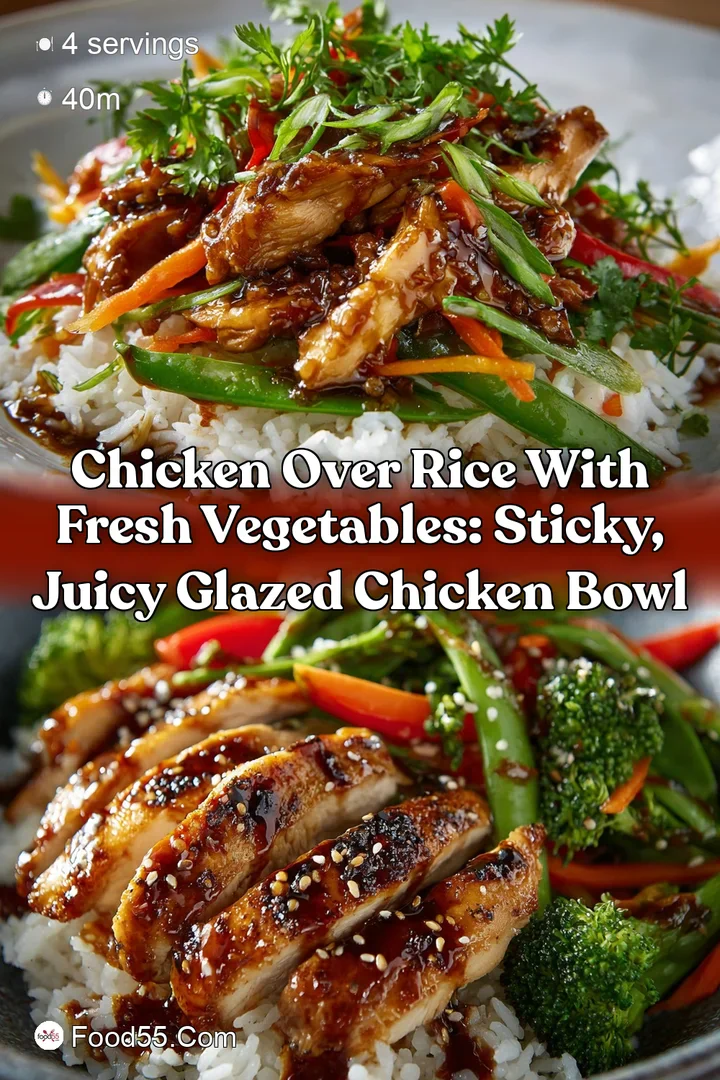
Recipe FAQs
How do I ensure my chicken thighs remain moist and tender, especially after glazing?
The secret is using boneless, skinless chicken thighs, as their higher fat content inherently prevents drying out during high heat searing. Monitor the internal temperature closely, pulling them off the heat just before they reach the safe 165°F (74°C) mark, as they will finish cooking when tossed back into the simmering glaze.
Avoid overcrowding the pan during the initial sear, which can steam the chicken instead of crisping it.
My sticky glaze isn't thickening properly. What corrective steps should I take?
The glaze requires significant reduction time to concentrate and thicken; ensure the mixture is simmering vigorously for at least 3 to 5 minutes after adding all liquids. If it remains watery, the fastest fix is a cornstarch slurry: mix 1 teaspoon of cornstarch with 1 teaspoon of cold water, stir it into the simmering glaze, and cook for 60 seconds until glossy and thick.
This will stabilize the glaze beautifully without diluting the flavor.
Can I substitute chicken breasts for the thighs in this Sticky Soy-Glazed recipe?
You can use chicken breasts, but we highly recommend slicing them horizontally into half inch cutlets or chunks to ensure faster, even cooking. Since breasts are leaner, they risk drying out easily, so cook them for less time and be especially careful not to exceed the target internal temperature of 165°F (74°C).
Brining the breast pieces for 30 minutes beforehand also helps retain moisture.
Can I use brown rice or another grain instead of white rice for the ginger base?
Absolutely; brown rice works wonderfully, providing a nuttier flavor and added texture, though it requires about 20 30 minutes longer cooking time and slightly more water than white rice.
Other fantastic, nutrient dense alternatives include quinoa or farro, which hold up well against the deeply flavored, sticky chicken.
How can I make the soy glaze gluten-free or low-sodium for dietary needs?
To ensure the glaze is gluten-free, substitute standard soy sauce entirely with Tamari, which is generally wheat free, or use coconut aminos for a slightly milder and sweeter flavor profile.
For a lower sodium version, use reduced sodium soy sauce or Tamari, and omit any additional salt used during the initial chicken marinade phase. Using fresh aromatics like ginger and garlic helps maintain flavor intensity even with less salt.
What is the recommended method for storing and reheating the leftovers?
Store the chicken, rice, and cooked vegetables in separate, airtight containers in the refrigerator for up to three days to maintain optimal texture. To reheat the chicken, gently warm it in a skillet over low heat, adding a tablespoon of water or broth to re-emulsify and loosen the sticky glaze.
The rice can be easily microwaved or steamed until hot.
Can I prepare any components of this meal ahead of time for quicker weeknight execution?
Yes, significant time can be saved with advance preparation. You can finely chop all the fresh aromatics (ginger, garlic) and vegetables up to a day ahead, and the chicken can be marinated in the dry seasonings and oil for up to 12 hours in the refrigerator, enhancing its flavor depth.
The ginger rice can also be fully cooked ahead and reheated just before serving.
Chicken Over Rice With Fresh Vegetables
Ingredients:
Instructions:
Nutrition Facts:
| Calories | 620 kcal |
|---|---|
| Fat | 18 g |
| Fiber | 4 g |
