Southern Sweet Potato Pone: the Silky, Old-Fashioned Comfort Dessert
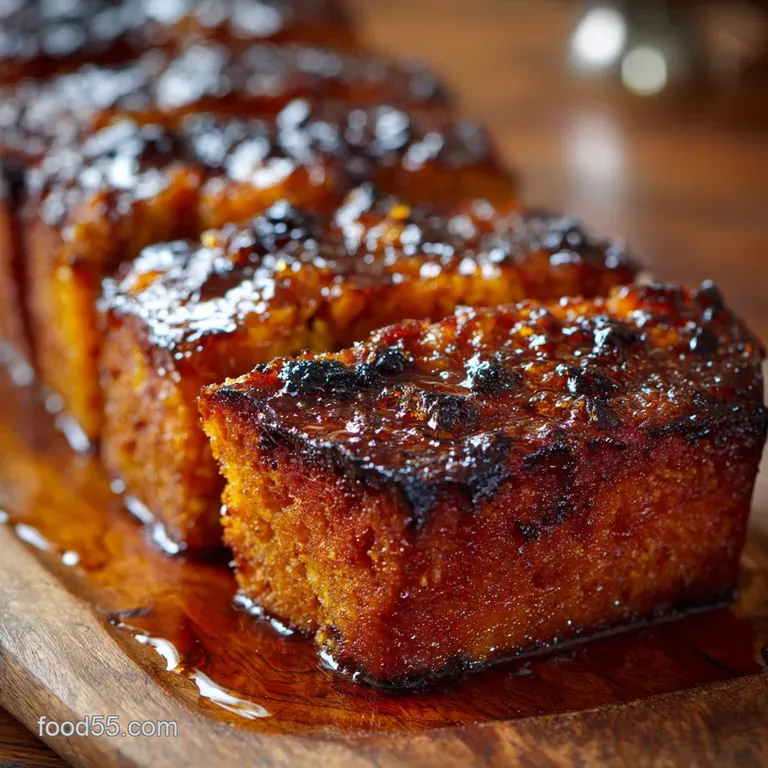
- The Ultimate Southern Comfort: Chef’s Sweet Potato Pone Recipe
- Essential Provisions for the Authentic Southern Sweet Potato Pone
- Step-by-Step Method: Baking Your Perfect Sweet Potato Pone
- Mastering the Silky Texture: The Science of Raw Sweet Potato Pone
- Chef’s Troubleshooting Guide: Achieving Pone Perfection
- Extending the Life and Enjoyment of Your Pone
- Recipe FAQs
- 📝 Recipe Card
The Ultimate Southern Comfort: Chef’s Sweet Potato Pone Recipe
When you pull this dish out of the oven, the smell is absolutely ridiculous. It’s that deep, earthy scent of slow baked sweet potato mixing with molasses and enough ginger and nutmeg to instantly warm your soul.
Forget those flimsy sweet potato pies that sometimes taste like overly sweet mash; this pone is pure, silky comfort in a spoon.
It’s a total lifesaver for holiday prep because it requires zero pastry skills. Seriously. You just grate the potatoes, dump everything together, and let the oven do the heavy lifting for over an hour, leaving you free to focus on things like the gravy.
This old fashioned southern sweet potato pone recipe costs next to nothing to make and feeds a crowd beautifully.
I used to think pone was just a fancy word for pudding, but I was wrong (shocking, I know). This recipe delivers the authentic, deeply spiced southern comfort food dessert experience, perfected over years of testing and plenty of burnt edges. Let’s ditch the crust drama and make something truly special.
What Exactly Is a Sweet Potato Pone?
Pone is a classic Southern dessert, though historically it might have started as a savory baked cornmeal dish. Over time, particularly in the Appalachian and wider Southern regions, the dessert version evolved into a wonderfully dense, crustless pudding.
It uses raw, grated sweet potatoes mixed with a creamy, heavily spiced custard base. It’s often mistaken for a sweet potato pie filling, but the texture is much more rustic and substantial.
The Difference Between Pone, Pie, and Pudding: Crust vs. Custard
Here is where people get confused, and trust me, I’ve been there. A Sweet Potato Pie is essentially a custard baked inside a pastry crust, usually using mashed and fully puréed potatoes.
A traditional pudding might use cooked or puréed ingredients, but sweet potato pone is unique because it uses raw, finely grated sweet potato . The uncooked potato releases its starch as it bakes slowly, which thickens the custard and gives the pone its signature chewy, almost fudgy density that you never get from a standard pie.
A Centuries Old Tradition: The History and Importance of the Pone
This isn't a modern dessert, folks. Pone is an incredible example of resourceful, traditional southern sweet potato recipes that date back centuries. Since it was crustless, it avoided the expensive and time consuming process of making fine pastry. It was a dish born of necessity but elevated by those warming, deeply flavorful spices and black treacle. If you love classic Southern baking, this is one to master, right alongside the perfect Classic Southern Pecan Pie Recipe: Achieve a Perfect Gooey Center .
Essential Provisions for the Authentic Southern Sweet Potato Pone
Choosing Your Sweet Potatoes: Which Variety Works Best for Texture?
Stick to the orange fleshed, jewel toned sweet potatoes, sometimes labelled Garnet or Jewel yams (though technically they aren’t true yams). These are higher in moisture and sweetness than white or purple varieties. Crucially, the potatoes must be peeled and grated raw.
Do not try to steam them first. The starchy, fibrous structure of the raw potato is what holds this whole thing together, giving it that chewy, dense texture.
Glaze Spotlight: Sourcing high-quality Black Treacle (Or Molasses alternatives)
Black treacle is non-negotiable if you want that truly deep, slightly bitter, dark caramel flavor characteristic of pone. It’s richer and more complex than standard molasses. If you absolutely can’t find black treacle, use dark, unsulphured molasses.
Chef’s Note: Avoid fancy 'light' or 'medium' baking molasses. They lack the robust earthiness needed to stand up against the sweet potato and spices.
Dairy and Fat Ratios for Maximum Richness and Flavor
We use a combination of whole milk and heavy cream to ensure a truly rich, velvety result. The melted butter addition adds moisture and helps create that wonderful fudgy texture after it cools. It's not the time to reach for skim milk; embrace the richness, friend!
Essential Ingredient Swaps and Allergy Notes
We need options, right? Maybe you’re out of buttermilk or dealing with a dairy intolerance. Don’t panic. We can fix this!
| Ingredient | Viable Substitution | Flavor/Texture Note |
|---|---|---|
| Black Treacle | Dark Maple Syrup (1:1 ratio) | Lighter, less intense flavor profile. |
| All-Purpose Flour | gluten-free All-Purpose Blend | Use one designed for baking; can affect final density slightly. |
| Whole Milk/Heavy Cream | Full Fat Canned Coconut Milk | Excellent richness; imparts a subtle coconut flavor. |
| Brown Sugar | Granulated Sugar + 1 tsp additional Molasses | Use the same volume; results in a slightly less rich color. |
step-by-step Method: Baking Your Perfect Sweet Potato Pone
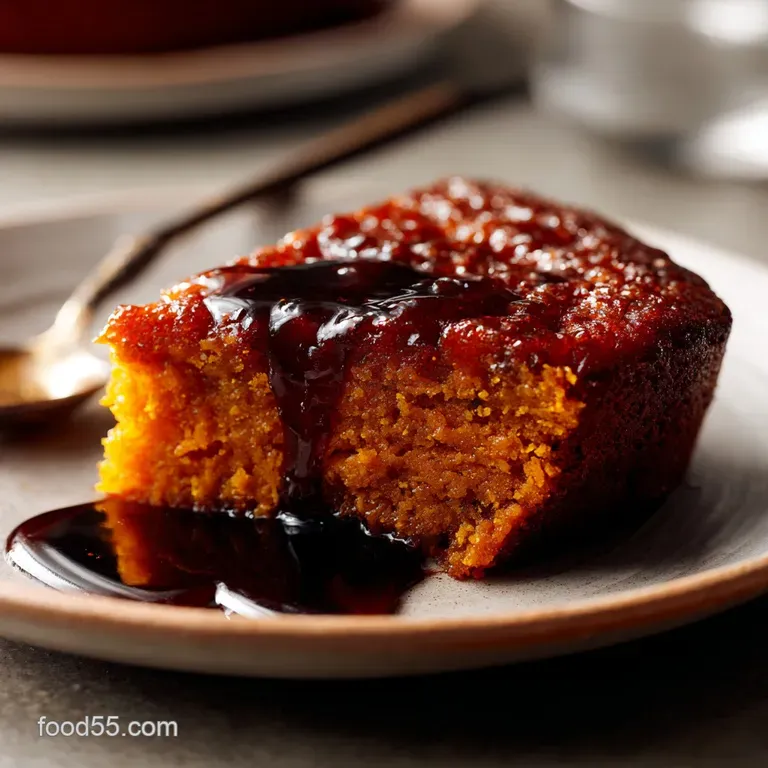
Mastering the Silky Texture: The Science of Raw Sweet Potato Pone
Prep Stage: Grating the Potatoes to the Correct Consistency
This is the most labor intensive step, but it’s vital. You must grate the peeled sweet potatoes finely. I find the small holes of a box grater work best, but a food processor with a grating blade is a serious time saver. Do not rinse the grated potatoes.
We need the starch and liquid they release; that’s the magic binder.
Mixing the Custard Base and Assembling the Pone
In one bowl, combine all your wet ingredients: the melted butter, sugars, black treacle, eggs, milk, and cream. Whisk until uniform. In a separate bowl, whisk your flour, spices, and baking powder very thoroughly. This ensures even lift and flavor throughout.
Then, combine the wet and dry mixes before folding in the grated sweet potatoes. It will look loose and slightly messy, but that's fine.
Oven Timing and Achieving the Jiggle Test
The bain marie (water bath) technique is critical here; it prevents the aggressive heat from curdling the eggs or drying out the edges before the center can set. Pour the hot water halfway up the side of your pone pan. You are aiming for a slow, gentle bake.
It should take about 70– 75 minutes. The center should still have a delicate, subtle jiggle like unset gelatin when you pull it out. A knife inserted near the edge should come out mostly clean.
Preparing and Applying the Signature Black Treacle Glaze
The pone is incredibly delicious on its own, but that black treacle glaze adds a beautiful sheen and intensifies the flavor. Whisk together the treacle, a touch of hot water, and powdered sugar until it’s silky smooth.
Wait to apply the glaze until the pone has cooled slightly, or you risk it running right off the edges and pooling.
Chef’s Troubleshooting Guide: Achieving Pone Perfection
Why Your Pone Might Be Too Runny: Managing Potato Moisture
If your pone is too wet and doesn't set, you likely had very high moisture sweet potatoes or you didn’t pack the 4 cups of grated potato tightly enough. If you live in a very humid climate, you might consider adding one extra tablespoon of flour to the dry mix for insurance.
A low and slow bake in the water bath is your best defense against a runny center.
Preventing the Edges from Cracking or Drying Out
Dry edges happen when the exterior bakes much faster than the center. This almost always means you skipped the water bath. Seriously, I made this mistake so many times early on, ending up with what looked like sweet potato flavored scrambled eggs around the edges.
The bain marie is non-negotiable for a creamy, consistent interior.
Optimal Resting Time: Serving Pone Warm vs. Chilled
While you can serve it warm (after cooling for at least an hour), pone truly shines and achieves its perfect, sliceable, fudgy density only when chilled. I highly recommend making this the day before you plan to serve it. The spices and molasses deepen overnight, making it even better.
Extending the Life and Enjoyment of Your Pone
Refrigeration and Freezing Best Practices for Cooked Pone
Sweet potato pone keeps beautifully. Once fully cooled, cover it tightly with plastic wrap or transfer slices to an airtight container. It will last reliably for 5 to 7 days in the refrigerator.
For longer storage, yes, it freezes well! Wrap individual slices tightly in plastic wrap, then aluminum foil, and place them in a freezer bag. It will maintain quality for up to 3 months. When you want a slice, thaw it overnight in the fridge.
Traditional and Modern Serving Pairings for Sweet Potato Pone
Because pone is so rich and sweet, you need something tangy or cool to balance it out.
- Classic Southern: A big dollop of cold, slightly tangy crème fraîche or a scoop of homemade vanilla ice cream.
- A Boozy Twist: Serve it slightly warm with a generous drizzle of bourbon caramel sauce.
- For the Main Course: This is a perfect contrast to savory sides, though if you're looking for more refined sweet potato sides, you must check out my recipe for Sweet Potato Tian Recipe: The Elegant Layered Side Dish for Fall . Alternatively, if you prefer savory, try the Savory Roasted Sweet Potatoes: Crispy Edges Smoky Balsamic Glaze as a great contrast to rich holiday roasts.
- The Ultimate Dessert Pairing: Pone goes beautifully with a strong cup of black coffee or espresso. The slight bitterness cuts right through the richness.

Recipe FAQs
Why is my Sweet Potato Pone watery or grainy instead of silky and custardy?
Watery or grainy issues usually stem from not removing enough moisture from the grated sweet potatoes before mixing. Ensure you use a cheesecloth or a clean, thick kitchen towel to thoroughly wring out the liquid after grating the raw potatoes.
If the pone is grainy, the potatoes may have been grated too coarsely; using the small holes of a box grater helps achieve the correct, fine consistency for a silky texture.
Can I substitute canned sweet potato puree for the raw grated potatoes?
While convenient, using canned puree is highly discouraged as it fundamentally changes the nature of the dish. The traditional texture of Pone relies on the starches released from the raw, grated potatoes during baking to create that unique, moist, and custardy pudding.
Canned puree will result in a much denser, more homogenous product, similar to a standard pie filling.
How do I know when the Sweet Potato Pone is perfectly cooked?
The pone is finished baking when the edges are firmly set and the center retains only a very slight, gentle "jiggle." Unlike a cake, a toothpick inserted should not come out perfectly dry but should have moist crumbs attached.
Aim for an internal temperature around 195 200°F (90 93°C); pulling it too late will result in a dry, dense product.
I don't have black treacle (molasses). What is the best substitute?
Black treacle or robust molasses provides the signature deep, slightly earthy flavor crucial to traditional Pone. If you must substitute, use dark maple syrup or a mixture of brown sugar and honey for moisture and sweetness.
Be aware that these substitutions may result in a lighter color and less intense depth of flavor.
Can I make this recipe dairy-free or vegan?
Yes, Sweet Potato Pone adapts beautifully to vegan modifications due to its custardy base. Substitute the dairy milk with full fat, unsweetened coconut milk or a rich oat milk for creaminess, and swap the butter for a high-quality vegan butter substitute.
Ensure all other ingredients, like the glaze components, are also plant based.
What is the proper method for storing and reheating the Pone?
Store leftover Pone tightly covered in the refrigerator for up to 5 days, ensuring it is kept away from strong odors. To reheat, slice servings and warm them gently in a low oven (300°F/150°C) until just heated through. Avoid high heat when reheating, as this can dry out the delicate custard texture.
Does Sweet Potato Pone freeze well?
Sweet Potato Pone freezes excellently, making it a great prep ahead dessert. Allow the baked pone to cool completely, then wrap it securely first in plastic wrap and then in a layer of heavy duty aluminum foil. It can be frozen for up to three months; thaw it slowly overnight in the refrigerator before reheating.
Classic Southern Sweet Potato Pone
Ingredients:
Instructions:
Nutrition Facts:
| Calories | 848 kcal |
|---|---|
| Protein | 20.1 g |
| Fat | 37.3 g |
| Carbs | 108.1 g |
